Is Zz Plant Toxic To Cats
You should know that ZZ plants have a substance called calcium oxalate that can be harmful to your cat if eaten. This can cause drooling, vomiting, and loss of appetite in your cat.
While the danger is not severe, it's best to keep ZZ plants away from your cat to avoid any problems.
If you're worried about your cat's safety, look into other safe houseplants that won't harm your furry friend.
TLDR
ZZ plants are not safe for cats. They have a harmful substance that can make cats sick if they eat it. This can lead to symptoms like drooling, throwing up, and not wanting to eat. If a cat eats a ZZ plant, it can hurt their cells and organs, causing discomfort. It's important to get help from a vet right away if this happens. To keep your cat safe, it's best to keep ZZ plants out of their reach. There are other plants like Spider plants, African Violets, and Boston Ferns that are safe for cats and can still make your home look nice.
Why ZZ Plants Are Toxic
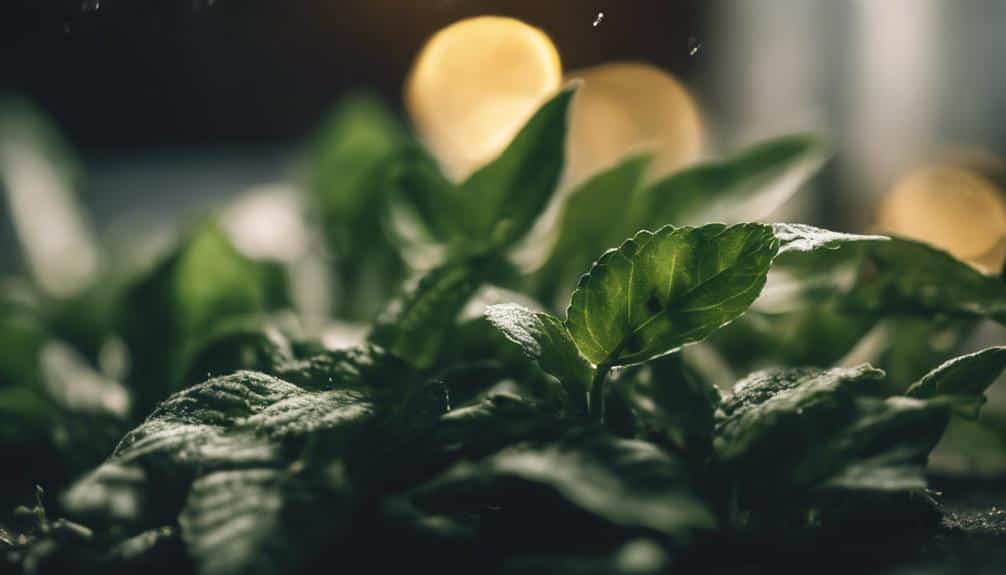
You might be wondering why ZZ plants can be harmful to your cat. The reason is they contain a harmful substance called calcium oxalate. This substance can hurt your cat's cells and organs if they eat any part of the plant.
If your cat ingests a ZZ plant, they may experience symptoms like drooling, vomiting, and a decreased appetite. It's important to know that ZZ plants are toxic to cats, so it's crucial to keep them away from your feline friend to prevent any harm.
Understanding this risk can help you protect your cat's health and well-being.
How Toxic Are ZZ Plants
Now that you know why ZZ plants can be harmful, you might be wondering how dangerous they really are for your cat.
Let's talk about how toxic ZZ plants are and what might happen if your cat eats or touches one.
Let's explore the mild level of toxicity and the signs your cat might show if they interact with a ZZ plant.
Mild Toxicity Level
ZZ plants have some stuff that can make them a bit toxic. The bad stuff, called calcium oxalate crystals, can cause issues if your cat nibbles on the plant.
It's not usually super dangerous, but your cat might get a sore mouth, drool a lot, or throw up if they eat some. It's not likely to be really serious, but it's smart to keep ZZ plants away from your cat just in case.
Being cautious is best for your pet's health.
Calcium Oxalate Effects
When cats eat ZZ plants, they can get sick because of a harmful substance called calcium oxalate in the plant.
This substance can damage cells and organs, causing discomfort and potential harm to your cat.
While ZZ plant toxicity isn't usually deadly, it's still crucial to get help from a vet if you think your cat has eaten any part of the plant.
Ingestion Symptoms
If your cat eats a ZZ plant, it might show signs like mouth irritation, drooling, and throwing up because of a harmful substance called calcium oxalate. These signs can make your cat uncomfortable, but they usually aren't life-threatening.
Your cat could have a bit of tummy trouble like an upset stomach or diarrhea after eating the toxic plant. To help your cat feel better, you can give them water, milk, or yogurt.
Even though ZZ plants can be harmful to cats, the good news is that the symptoms can be managed and aren't usually serious. With the right care, your cat should get better from the poisoning without any lasting effects.
Just remember, it's best to keep ZZ plants away from your cat to prevent any harm.
Safe Alternatives for Cats
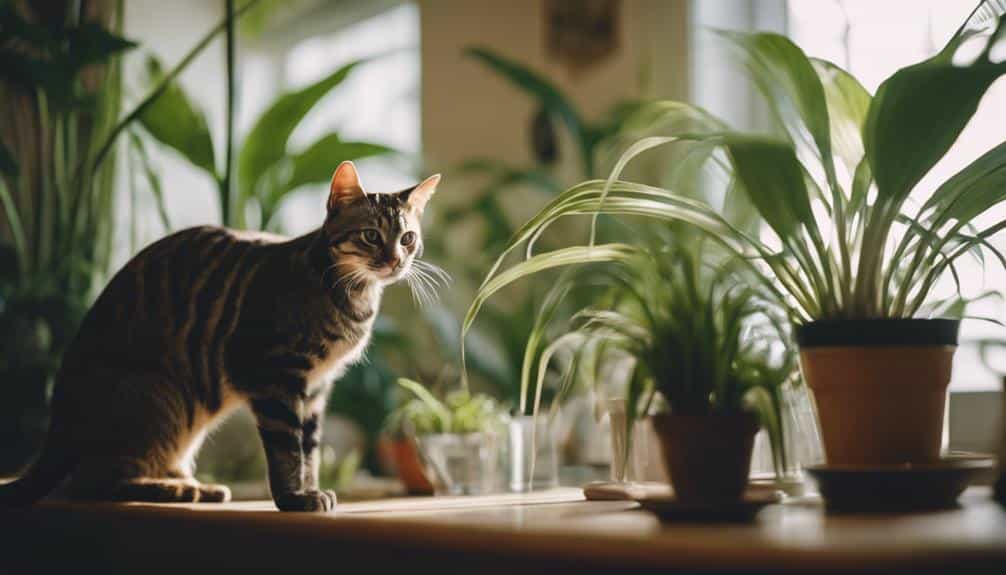
Now that you're aware of the dangers of ZZ plants for cats, let's look at some safe options for your furry friends.
There are many non-toxic indoor plants that are great for homes with cats.
Cat-Friendly Plant Options
You have many safe and cool options for plants that won't harm your cat, like Spider plants, African Violets, Boston Ferns, Orchids, and Ponytail Palms. These plants are safe for your cat to be around and can also help clean the air, add some color, or bring a touch of elegance to your home.
Spider plants clean the air, African Violets add color, Boston Ferns are easy to care for, Orchids look classy, and Ponytail Palms have big leaves. By choosing these cat-friendly plants, you can create a safe indoor space for your pets to enjoy without any worries about toxicity.
Make sure to learn about each plant's care needs before picking one to make a cat-friendly space that suits you and your furry friends.
Non-Toxic Houseplants
As you make your home safe for your cats, think about adding non-toxic houseplants as safe alternatives to toxic ones like the ZZ plant.
Consider bringing in Spider plants, African Violets, and Boston Ferns, all safe for cats. Orchids and Areca Palms are also cat-friendly options that can bring some greenery indoors.
Calathea, Banana plants, and Peperomia Obtusifolia are other safe choices for homes with cats. By adding these non-toxic houseplants, you're promoting positive plant interaction and keeping your cats safe and healthy.
Cat Grass can also be a good distraction for cats to prevent them from eating toxic plants. With these choices, you can create a pet-friendly space that's both beautiful and safe.
Safe Alternatives List
When setting up a cat-friendly area, consider these safe options instead of the toxic ZZ plant: Spider plants, African Violets, and Boston Ferns. These plants aren't harmful to pets and are great for adding some greenery to your home.
You can also try Orchids, Ponytail Palms, Calathea, Banana plants, and Peperomia Obtusifolia, which are all safe for your cats. Adding Cat Grass can also give your cats something to nibble on, keeping them away from harmful plants.
ZZ Plant Toxicity Overview
If you have a ZZ plant at home and a cat, be cautious because the plant can make your furry friend uncomfortable. The ZZ plant has some substances that may bother your cat if they nibble on it, causing things like drooling, throwing up, or not wanting to eat.
These issues are usually short-lived and can be taken care of by a vet. While it's not super dangerous, it's smart to prevent your cat from getting into it. If your cat does munch on the plant, giving them water, milk, or yogurt might help ease their symptoms.
Stay alert to the risks and do what you can to stop accidents.
Handling and Safety Tips
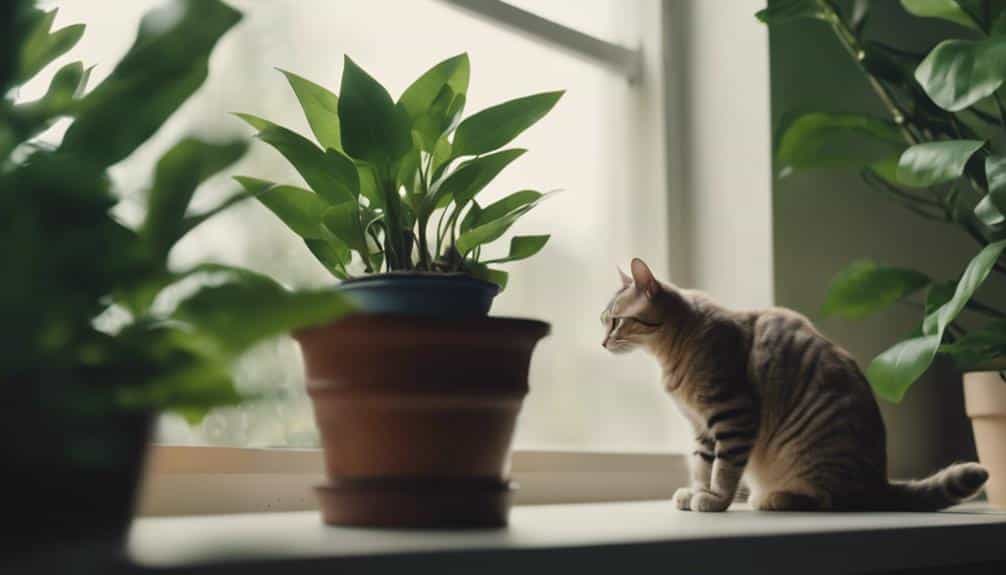
To keep your cat safe and healthy, be careful when handling your ZZ plant to avoid accidental ingestion and skin irritation. Wear gloves when touching the plant to protect your skin from the sap, which may cause irritation.
Even though the ZZ plant is usually not harmful to humans, it's best to be cautious. If you get sap on your skin and feel irritation, wash your hands well with soap and water.
These simple steps can help you handle your ZZ plant safely and protect your cat from any potential harm.
Preventing ZZ Plant Exposure
To keep your cat safe from the ZZ plant, try these easy tricks.
Put the plant up high or hang it so your cat can't reach it.
Use citrus peels or coffee grounds around the plant – cats don't like the smell.
Give your cat toys or cat-friendly plants to play with instead.
Teach your cat with rewards and a water spray to stay away from the ZZ plant.
These steps will help you keep your pet safe and your home secure.
Pet-Friendly Houseplant Options
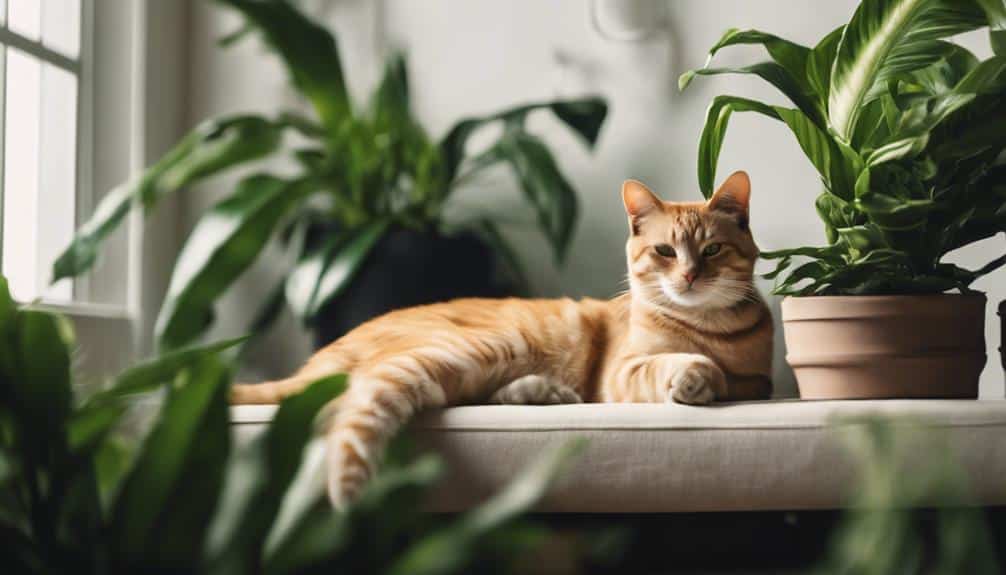
Since you want to keep your cat safe, consider swapping out the ZZ plant with pet-friendly options that will add beauty to your home. Try plants like Spider plants, African Violets, Boston Ferns, Orchids, and Areca Palms, which are safe for your cat.
If you're worried about your cat nibbling on plants, you can also add Cat Grass as a safe distraction. This way, you can create a cat-friendly home where your furry friend can thrive without any harm.
Understanding Calcium Oxalate
Calcium oxalate is a harmful substance found in ZZ plants, which can be dangerous for your cat. If your cat eats a ZZ plant, the sharp calcium oxalate can hurt their insides.
Cats usually don't eat ZZ plants, so the risk is low. But if they do eat it, they might drool, vomit, or lose their appetite. These symptoms can be treated by a vet, so keep an eye on your cat around ZZ plants.
Managing Pet Safety Risks

To keep your cat safe from the ZZ plant, put it up high or in a hanging pot. Use things like citrus peels or coffee grounds to keep your cat away from the plant.
Give your cat toys or cat-friendly plants to play with instead. Teach your cat with treats and a little spray of water to stay away from the ZZ plant.
These steps will help keep your pets and kids safe around the ZZ plant.
Conclusion
You found out that ZZ plants can be harmful to your cat, so it's important to be cautious. Even though the plant's toxicity is low, it's crucial to keep it away from your pet.
Choose safe houseplants and be aware of the risks of calcium oxalate to keep your cat safe.
Stay informed and give your furry friend the care they need to stay healthy and happy.