How to Fix Compacted Soil Without Using an Aerator
Stuck with hard, compacted soil? No aerator? No problem! Sprinkle gypsum to loosen clay, then fork it deep—about 6 inches—and wiggle it around to open up airways. Mix in compost, add mulch, and water slowly in cycles so it soaks deep instead of running off. Skip the heavy boots and tires, and hey, maybe build a raised bed—your roots will throw a party. Oh, and earthworms? They’ll move in fast. You’ll love what comes next.
TLDR
- Apply gypsum to clay soils to replace sodium with calcium, improving soil structure and drainage over time.
- Incorporate compost annually to boost organic matter, enhancing aeration, root growth, and long-term soil porosity.
- Use a garden fork to manually aerate soil, creating channels for air and water every 6 inches.
- Mix coarse sand with compost to loosen tight clay without forming concrete-like layers.
- Adopt cycle-and-soak watering and reduce foot traffic to prevent recompaction and encourage deep water infiltration.
Apply Gypsum to Improve Clay Soil Structure
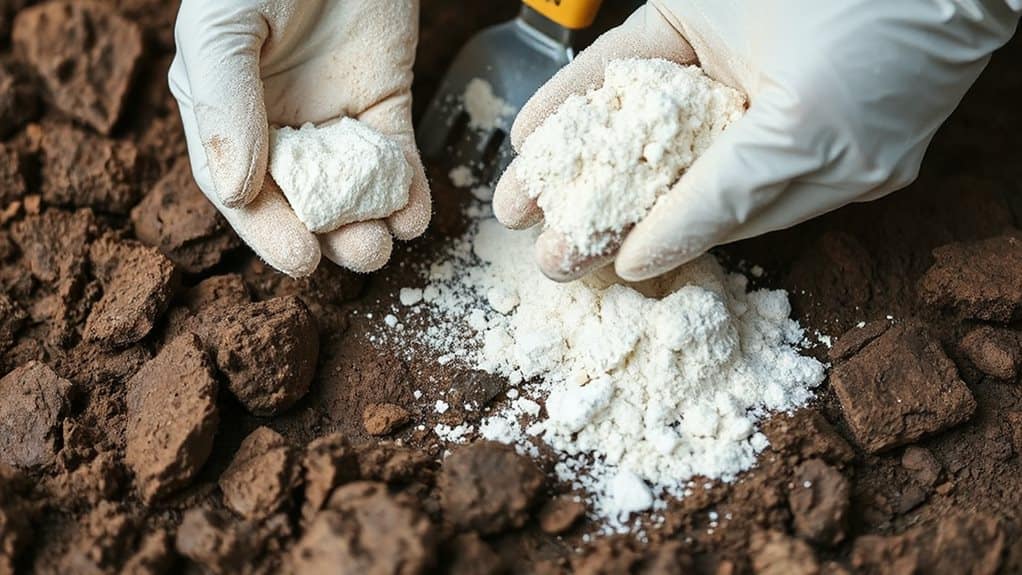
Want to give your tired, packed-down clay soil a serious upgrade without renting a bulky aerator? Try gypsum! It swaps out sodium for calcium, helping soil clump together better, so roots and air can move freely—kind of like turning hardened cookie dough into crumbly sand.
Improved soil structure allows roots to absorb nutrients more effectively and enhances water infiltration, addressing key issues in tight clay soils. Just sprinkle it on, let rain do the work, and boom: happier plants, less runoff. Win-win! Soils with high exchangeable sodium can particularly benefit from gypsum application when improving structure and drainage.
Incorporate Organic Matter for Lasting Aeration
Okay, so you’ve given your clay soil a little spa treatment with gypsum—awesome!
Now, let’s talk organic matter: it’s like fluffing a pillow for your soil. Mix in compost or leaves, and watch it breathe!
It enhances aeration, helps roots grow deep, and makes water soak in instead of running off.
Think of it as nature’s campground—cozy, welcoming, and full of happy microbes!
Adding a good layer of compost annually will keep the soil lively and maintain long-term aeration.
Use a Garden Fork for Manual Soil Aeration
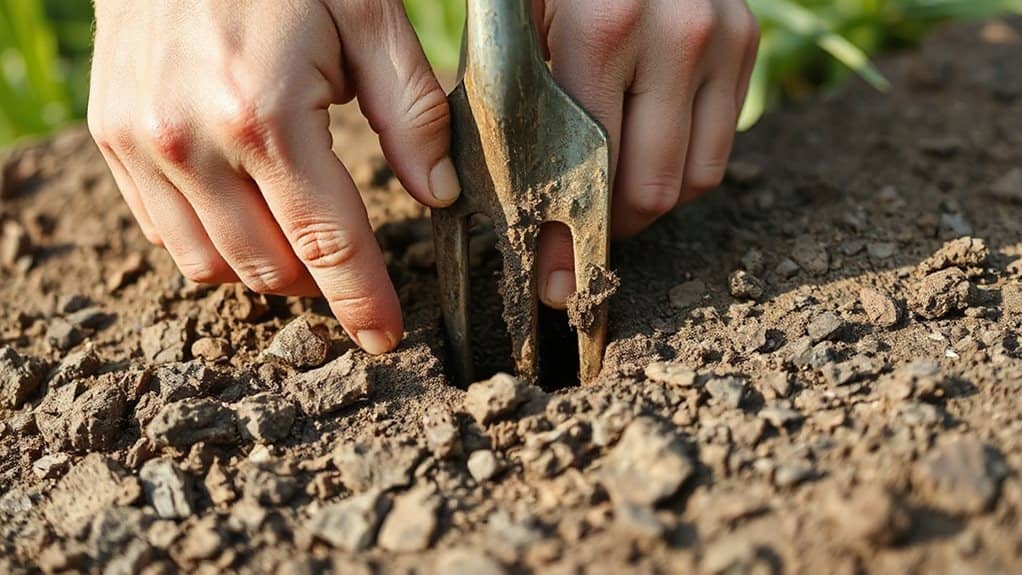
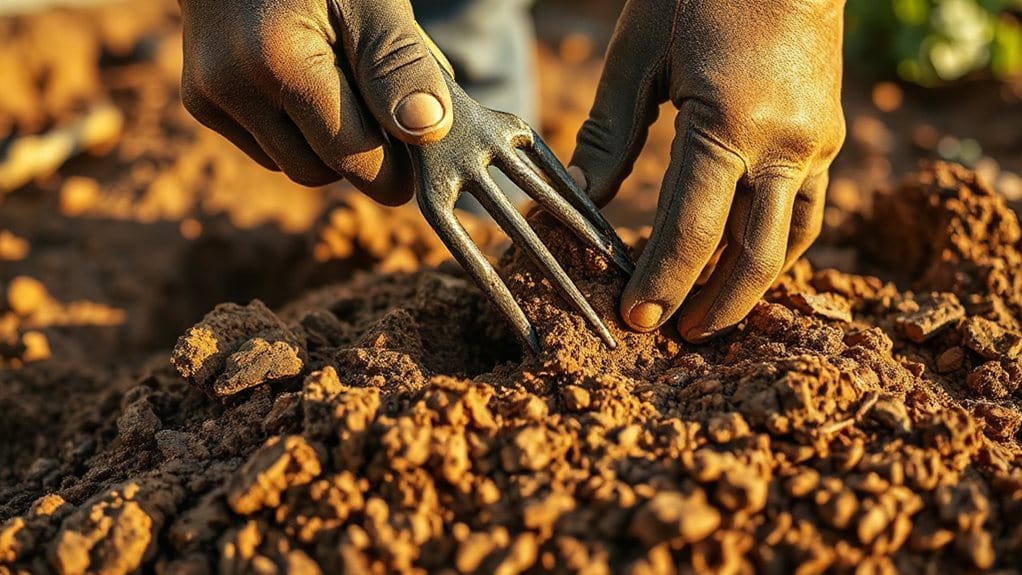
You’ve got this—just grab your garden fork and start poking holes every 6 inches, making sure to push it down 4 to 5 inches deep so you really break up that stubborn soil, kind of like how we poke roasted marshmallows but way less sticky (thankfully).
Aim for spring or early fall, when the soil’s moist and your grass is actively growing, because nobody wants to aerate during a heatwave—talk about a soggy campout fail.
Rock the fork back and forth a bit, create those little underground highways for air and water, and hey, throw in some compost while you’re at it—your worms will throw a party.
Also, be sure the soil is moist but not waterlogged before you begin so the fork penetrates easily and you don’t make compacted clods.
Fork Spacing and Depth
While your garden fork mightn’t look like much more than a spiky pitchfork’s cousin, don’t let its simple design fool you—this trusty tool is your secret weapon against stubborn, compacted soil, especially when you’re tackling heavy clay or that sad, flattened patch near the backyard swing set where nothing seems to grow.
Stick those tines 4–8 inches deep using your foot for extra oomph, and space holes every 6 inches in a grid—closer if the soil’s really packed.
Think of it like giving your lawn a deep-tissue massage; it’ll thank you with happier roots and better drainage.
Aerate During Growing Season
Honestly, you’d be amazed at how much of a difference a simple garden fork can make—especially when you time it right.
Aerate during the growing season, and boom: roots grow deeper, water soaks in better, and your lawn stays strong through heat and drought.
Think of it like giving grass a rejuvenating drink and a stretch after a long nap—your yard will thank you, and hey, no fancy gear needed!
Enhance Drainage With Mulch and Soil Amendments
You know how awesome it feels when your tent stays dry during a camping trip, even after a downpour?
Well, mulch works kind of like a trusty rainfly for your soil—keeping moisture in check while letting excess water escape, especially when you mix in some sand to enhance drainage.
Think of it as giving your garden a comfy, breathable blanket that won’t leave roots sitting in a soggy mess!
Woven fabrics and breathable mulches are great because they allow air and water to pass through while still suppressing weeds.
Mulch for Moisture Control
You’d be amazed at how something as simple as mulch can totally revamp your garden—like giving the soil a cool, rejuvenating drink while also throwing it a cozy blanket for good measure.
It slows evaporation, especially in summer, so your plants stay hydrated longer.
Ever forget to water for a few days? Mulch’s got your back, keeping moisture locked in, roots happy, and your garden thriving like a well-packed camping trip—organized, stress-free, and ready for exploration.
Sand Boosts Drainage
Now that your soil’s sipping water like a well-hydrated hiker thanks to mulch, let’s talk about giving it a better drainage system—because nobody likes soggy socks, and frankly, neither do plant roots.
Try coarse or horticultural sand to open up tight clay, but don’t go overboard—mix it with compost, or you might accidentally build a garden sidewalk. Trust me, sharp sand + compost = happy roots, better flow, and zero concrete surprises!
Utilize Water Soaking Techniques to Loosen Soil
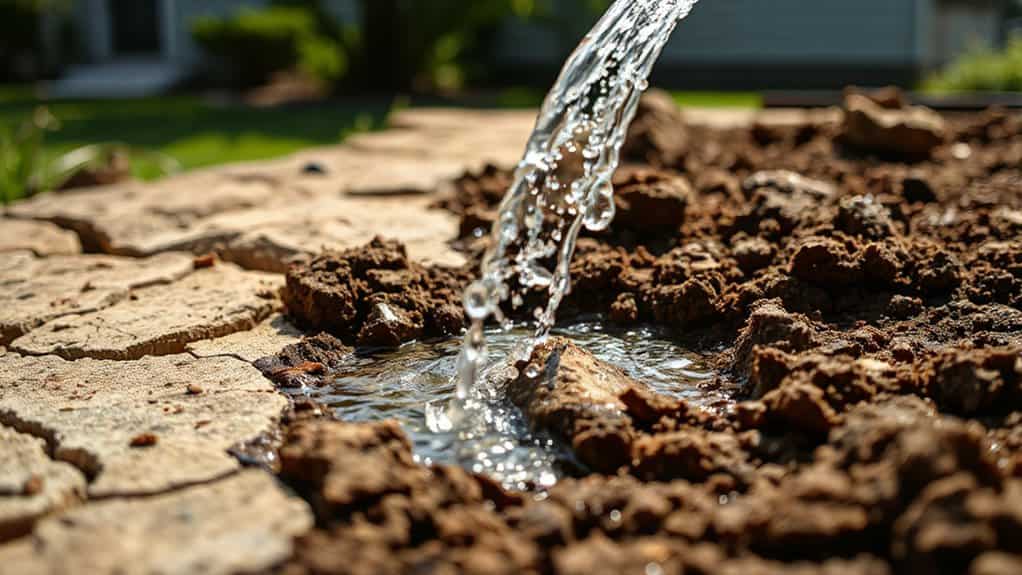
Think of your compacted soil like a crusty campfire pancake—rock-hard on the outside, but with a little patience (and some smart soaking), you can soften it up without breaking out heavy machinery.
Try cycle and soak watering: 10 minutes on, then a 30-minute break so water sneaks deep down where roots cheer. Use a soaker hose on trickle, or fork the soil gently—hello, instant drainage improvement!
Gypsum? Yes, please—it’s like a spa day for clay.
Keep soil slightly damp, not bone dry, and you’ll skip the hydrophobic drama.
Water smart, and your yard will thank you like a cold drink after a long hike!
Sheet mulching can also improve soil structure over time by adding organic matter and encouraging earthworms, which helps reduce compaction organic matter.
Reduce Traffic to Prevent Future Soil Compaction
When it comes to keeping your soil happy and healthy, one of the sneakiest culprits behind that brick-like hardness isn’t what you’re *doing* to the soil—it’s what (or who!) is *walking, rolling, or driving* over it.
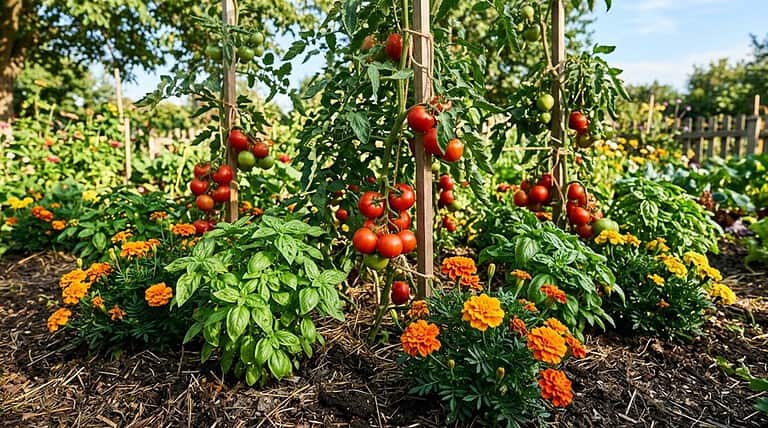
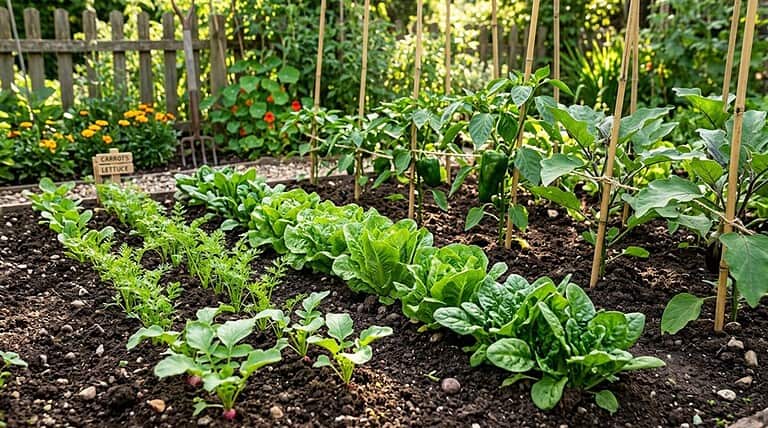
Build Raised Beds to Bypass Compacted Layers
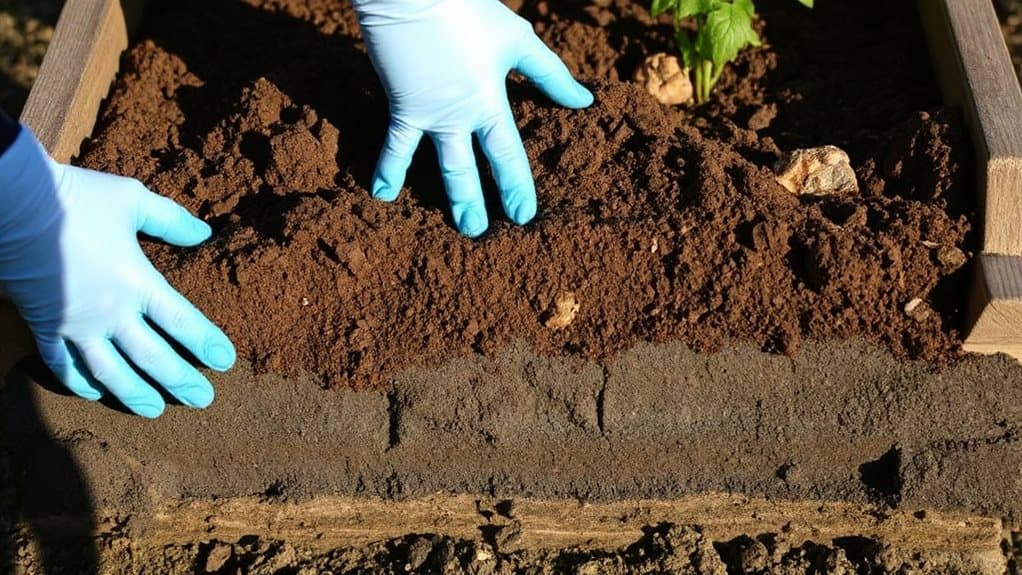
Tired of wrestling with soil that feels more like concrete than garden dirt? Build raised beds to skip the compacted mess entirely!
Just pile on loose, compost-rich soil—your roots will thank you. Use native soil, blend in compost, and skip barriers so roots can plunge deep.
Loosen the ground below with a broadfork, then plant happily. It’s like giving your garden a cozy, breathable cabin in the woods—no shovel required!
Overall
So, you’ve tackled that tough, compacted soil—awesome job! You’ve forked, mulched, and even danced around with gypsum like it’s confetti, right? Now your garden breathes easier, just like you after a fresh hike or a perfect campfire s’more. Keep those feet (and lawn mowers) off the soil, promise? And hey, if all else fails, just build a raised bed—kind of like a garden treehouse. Happy growing, dirt wizard—you’ve earned it!