Why Do Deck Boards Crack at the Ends?
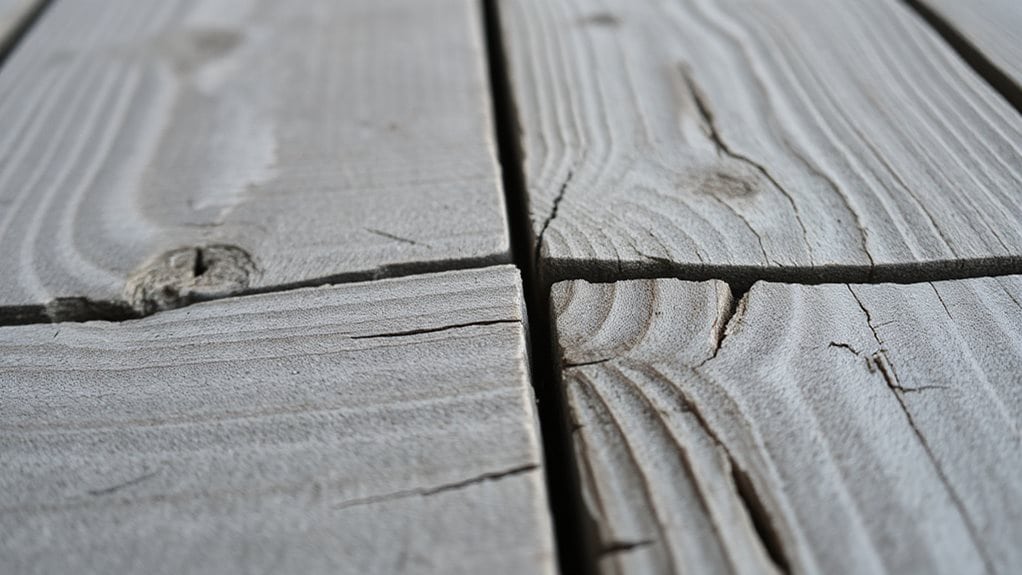
You see, the end‑grain on a deck board acts like a super‑sponge, soaking up moisture quickly, then shrinking just as fast when the sun dries it, so each day the fibers get pulled apart and tiny cracks start at the edges; add the daily heat‑and‑cool swings, UV rays that break down lignin, and loose fasteners, and those splits spread like a campfire story, especially if you skip sealing the cuts, but if you keep going you’ll encounter the exact tricks to stop them.
TLDR
- End‑grain absorbs moisture quickly, swelling then shrinking faster than interior fibers, creating tensile stress that initiates cracks.
- Daily temperature and humidity cycles cause expansion‑contraction, amplifying stress at exposed ends.
- Sunlight dries surface layers rapidly while the core stays damp, generating tension that splits the end grain.
- UV radiation degrades lignin, weakening the wood’s natural “glue” and accelerating end‑grain splitting.
- Inadequate sealing, missing expansion gaps, and loose fasteners allow moisture ingress and movement, worsening end cracks.
How Moisture Exchange Causes Deck Board End Cracks
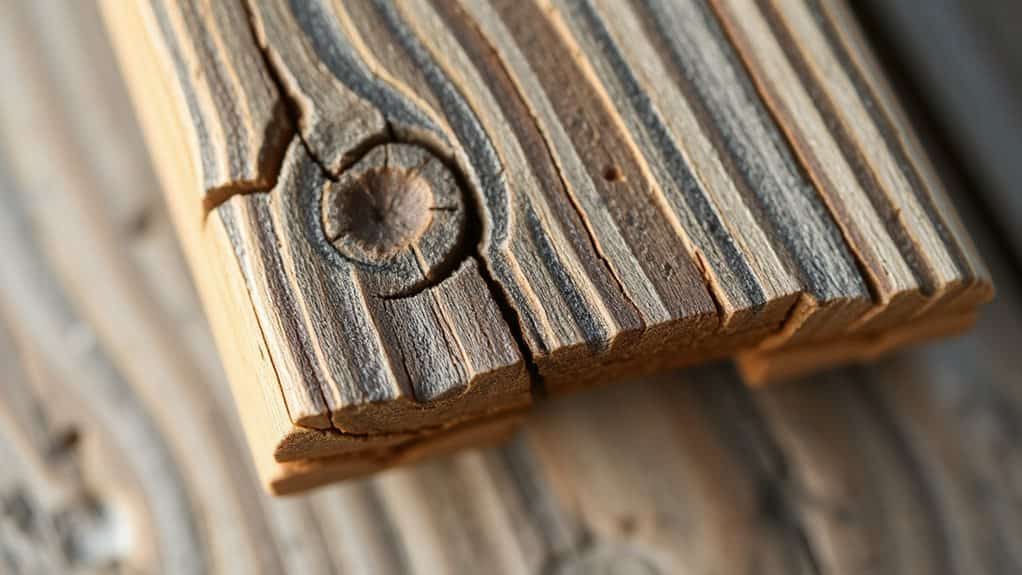
Ever wonder why the ends of your deck boards seem to crack faster than the rest? You see, wood drinks moisture like a thirsty traveler, especially at the exposed grain where capillary action pulls humidity straight in, causing rapid swelling and shrinkage. Those daily expansion‑contraction cycles stress the fibers, and when you’re camping, the sun‑baked evenings and dew‑laden mornings make the ends “wiggle” even more, so cracks appear quickly. Seasonal humidity fluctuations intensify this stress, leading to cumulative cracking over time. Preserve wood by maintaining proper moisture balance and aerating soil nearby to reduce extreme moisture swings that accelerate end cracks.
Why End‑Grain Drying Accelerates Splits at Board Edges
You’ve already seen how moisture sneaks into the grain and makes the ends of your deck boards wiggle, but the real kicker is what happens when that moisture rushes out. End‑grain dries fifteen times faster, pulling the outer fibers while the interior stays swollen, so tension builds like a tent rope in a storm; the result? Cracks radiate from the pith, splitting edges just as you’d expect when a campsite tent snaps under sudden wind. Outdoor outlets can buzz when moisture causes arcing and corrosion, a reminder that wet wood and exposed electricals both accelerate weather‑related damage and hazards.
How to Control Moisture to Prevent End Cracks
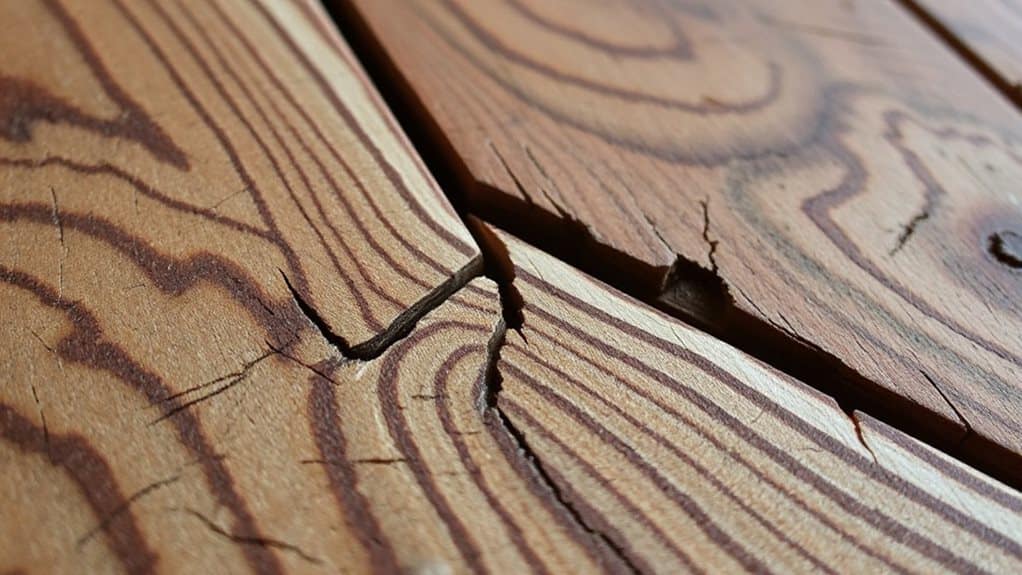
You’ll want to seal every edge tight, because even a tiny gap lets water creep in and turn those ends into a split‑fest, right?
Grab a moisture‑resistant sealant—think of it as the deck’s rain‑coat—and coat the grain so the wood stays dry while you’re out camping and swapping stories around the fire.
Trust me, when you’ve seen a cracked board ruin a perfect sunset view, you’ll thank yourself for taking a few extra minutes to protect those ends.
Also, check joists and undersides for black stains since fungal growth there signals persistent moisture that can undermine your repairs.
Seal Proper Edges
So, why does sealing the edges of deck boards matter more than packing a cooler for a weekend hike? You’ll notice that end grain drinks water like a thirsty camper, so apply a moisture‑blocking seal right after cutting, keep the cut surface shaded, and use a brush or spray to coat every edge before installation. This quick step stops swelling, freeze‑thaw cracks, and keeps your deck ready for guests.
Use Moisture‑Resistant Sealant
Ever wonder why a deck board can crack faster than a tent pole in a storm? You’ll love using a moisture‑resistant sealant: first, let the wood dry three days, then run a water‑drop test—if it beads, you’re good. Penetrating sealers soak deep, keeping wood from swelling, while waterproof coatings act like a rain‑proof jacket. Reapply every one to three years, and your deck stays sturdy for campers and hikers alike.
Temperature Swings and Sunlight: Their Direct Impact on Deck Ends
You’ll notice that when the sun beats down on the deck, the wood’s surface dries out fast, and the end grain—being the most exposed—shrinks and cracks like a dry noodle, which makes you wonder why it feels like the board is breathing in and out with every temperature swing.
The rapid heat changes cause thermal expansion stress, pushing the fibers apart and then snapping them back together, a process that’s as relentless as a road trip through changing climates, and it’s amplified by UV rays that strip away the wood’s natural oils, turning sturdy planks into brittle souvenirs.
Regular maintenance like sealing and inspecting for sun damage can slow cracking and prolong the life of the boards.
Thermal Expansion Stress
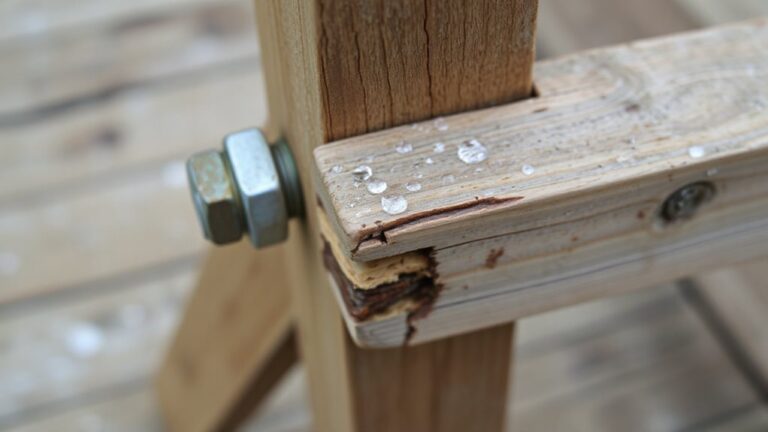
Ever wonder why the ends of your deck boards seem to snap like dry twigs after a hot summer day? When the sun beats the edges, they heat faster than the middle, so they expand, tugging against metal fasteners that swell even quicker; the resulting tug‑of‑war creates tensile stress, and each daily swing adds micro‑cracks, especially if gaps are too tight, making end splitting inevitable.
Sun‑Induced Surface Drying
What happens when the sun decides to turn your deck ends into mini‑deserts? You’ll see surface moisture evaporate fast, especially where the sun hits the edges, and the wood contracts while the core stays damp, creating tension that cracks the ends.
Day‑night temperature swings amplify this, so shading, sealants, or occasional watering can keep the ends happy and crack‑free.
UV‑Accelerated Material Degradation
After we talked about how the sun dries out the surface of your deck, the next thing to know is that the same sunshine—especially its UV rays—actually breaks down the wood’s own glue, the lignin, and those temperature swings turn that chemical damage into real‑world cracks at the board ends. You’ll see UV bleaching, moisture‑swell microchecks, freeze‑thaw widening, and fastener loosening, all converging into those dreaded end‑grain splits you want to prevent for safe, happy campers.
UV Exposure: Why It Weakens Deck Board Edges Faster
Why do the ends of your deck boards crack so fast? Sunlight slams the raw edges, and UV rays blitz the lignin and cellulose, breaking the wood’s glue‑like bonds, especially where the open grain lets light dive deep.
You notice rapid drying, oil loss, and brittle fibers, so those edges split first, just like a tent pole snapping after a long hike. UV exposure also accelerates lignin degradation, which loosens fibers and speeds end‑grain splitting.
Common Wood Defects That Trigger End Cracks
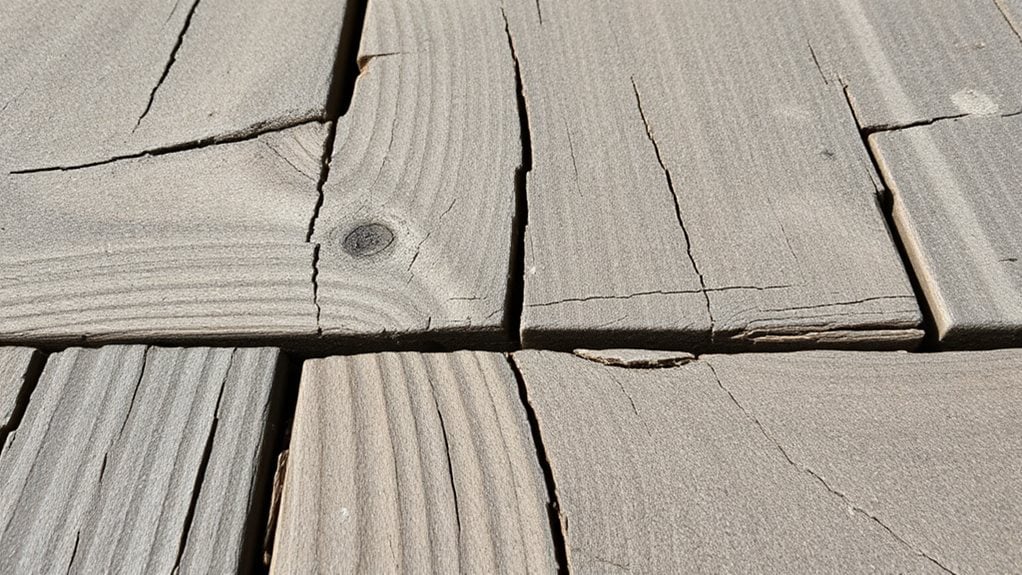
Sunlight may have already shown you how UV can turn those fresh board edges into brittle, crack‑prone strips, but the real culprits behind those sudden splits are the wood’s own hidden flaws—checks, splits, warping, cupping, and crook—all of which can pop up during drying or cutting and then scream for attention when the board’s ends are exposed. Checks form when moisture flees too fast, letting water sneak in; splits cut straight through, especially at joist ends; warping bends the board from uneven shrinkage; cupping creates a U‑shaped face that cracks when forced flat; and crook bends from one end to the other, demanding careful ripping or jointing.
Installation Mistakes That Split Deck Board Ends
Ever wonder why a brand‑new deck can look like a cracked desert after a weekend of campfire stories and marshmallow roasting? You skip pre‑drilling, so screws bite the end grain and split it instantly; you cram boards without expansion gaps, trapping moisture and forcing wood to buckle; you space joists too far apart, leaving ends unsupported and bowing; you mishandle boards, dropping or stacking them wrong, creating hidden cracks before you even fasten a screw.
Fastener Placement & Spacing Rules to Avoid Edge Splits
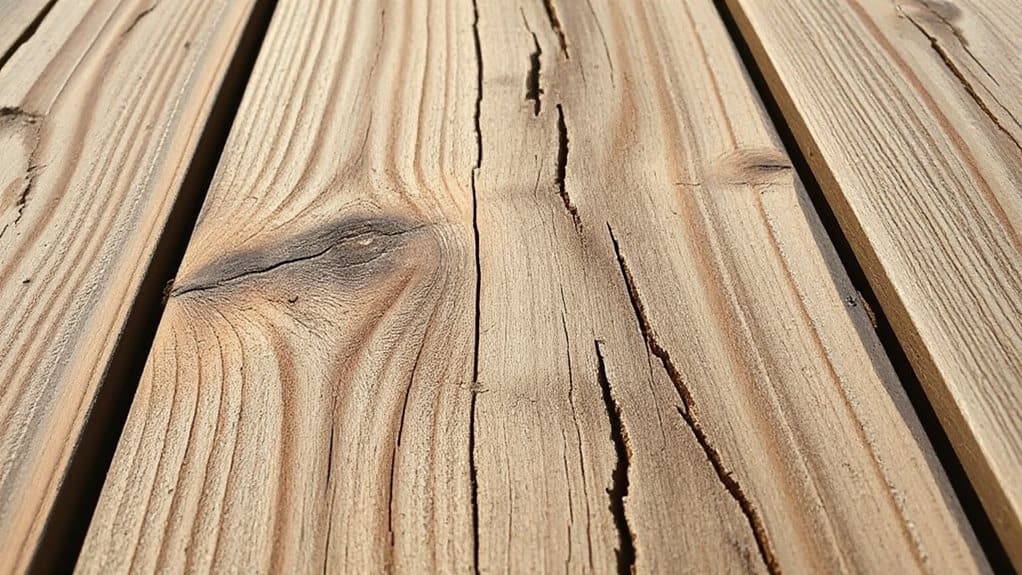
Ever wonder why a single misplaced screw can turn a pristine deck into a cracked‑up campsite?
You’ll keep 3‑6 mm side‑to‑side gaps, 1/8‑1/4 in for seasoned wood, and use deck spacers for consistent end gaps; hidden clips help, but make sure fasteners bite 1‑1¼ in into joists.
Stainless‑steel nails stay rust‑free, and follow 16‑in joist spacing for solid support.
Maintenance Practices to Stop Future Deck Board End Cracking
Wondering how to keep your deck from turning into a cracked‑up campsite after a weekend of camping expeditions? You’ll seal end grains with water‑repellent, UV‑resistant sealant each spring, clean monthly with a soft brush, inspect annually for spongy spots, replace weak boards fast, and tighten fasteners before moisture builds. Choose pressure‑treated lumber, use epoxy on cracks, and add butterfly keys for extra strength. This routine keeps campers happy and your deck sturdy.
Overall
So, next time you’re planning a backyard campout, remember that keeping your deck boards dry, shaded, and well‑ventilated will stop those pesky end cracks from ruining your fire‑pit vibe—don’t you think? Check the grain direction, use proper fasteners, and give each board a little breathing room, and you’ll enjoy a sturdy, crack‑free surface for s’mores and stargazing. Trust me, a little extra care now saves a lot of hassle later.