Why Lawn Edges Are Eroding After Rain
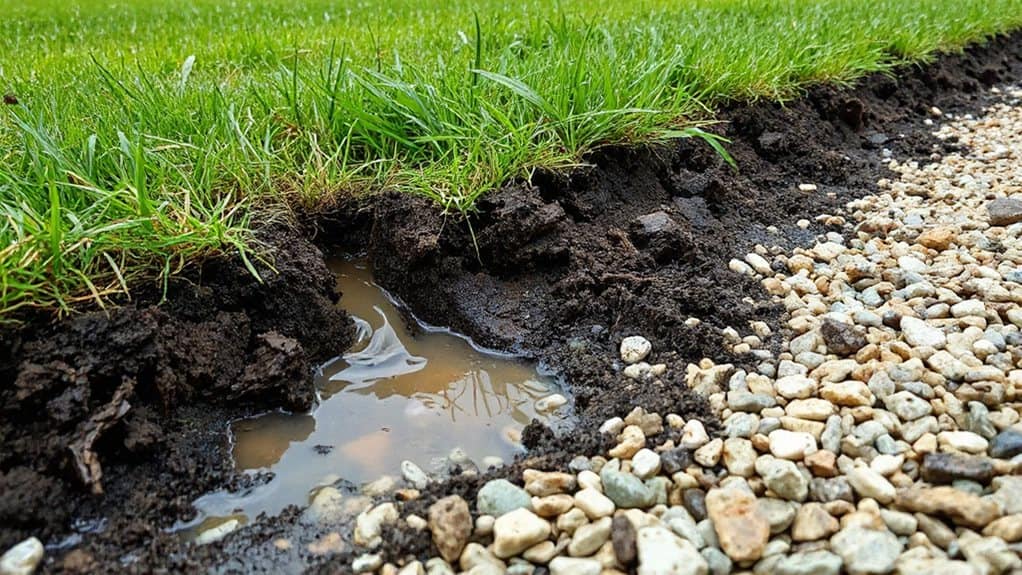
So, your lawn edges are washing out after rain? Blame it on water teaming up with gravity, bare soil, and those sneaky downspouts that blast water like tiny pressure washers. Without plants or edging to hold things together, rain rips through weak spots, especially on slopes or compacted clay. Add a splash of poor drainage and *poof*—gullies appear! But don’t sweat it, because a few smart fixes can totally save your yard—and guess what? There’s a super simple way to stop the meltdown, and you’ll love the next trick.
TLDR
- Heavy rain and runoff concentrate at lawn edges, washing away soil, especially on slopes or compacted ground.
- Lack of vegetation or groundcover leaves soil exposed to raindrop impact and erosion.
- Roof downspouts directing water toward edges create concentrated flows that carve gullies and remove soil.
- Absence or failure of landscape edging allows soil to migrate and runoff to undermine lawn borders.
- Shallow or loose mulch fails to protect bare soil, leading to easy displacement during heavy rains.
Why Does Rain Erode Lawn Edges?
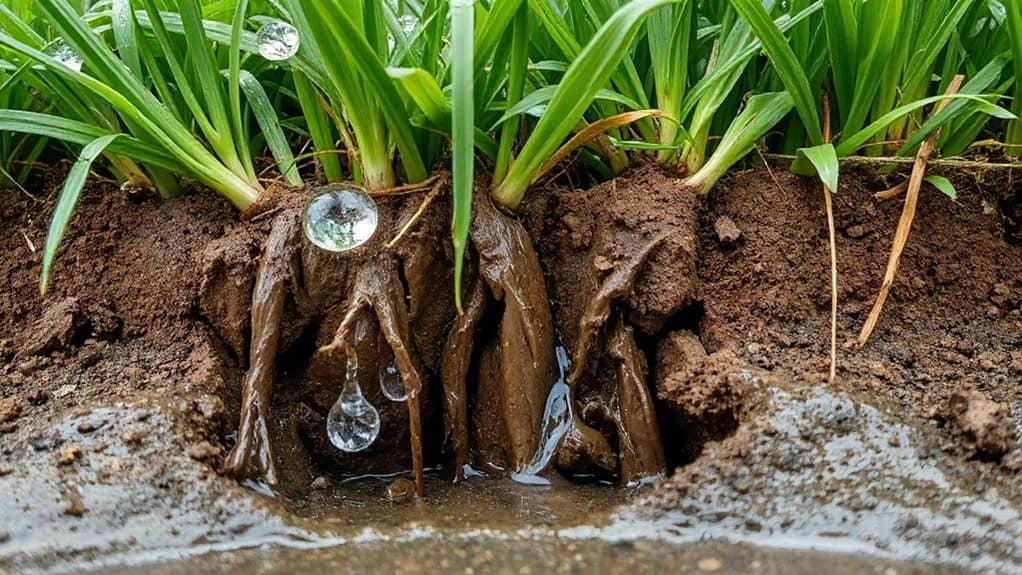
Ever watched a backyard rainstorm turn your tidy lawn edges into a mini Grand Canyon and wondered, *how did my nice, neat border become a gully in just one downpour?*
Well, grab your rain boots and imagination, because rain doesn’t just *sit* there—it *moves*, and when it does, it’s kind of like a tiny, determined river on a mission.
It races along edges, especially if your soil’s clay-heavy or compacted, and let’s be real—without good grass or mulch cover, it’s like rolling out a welcome mat for erosion. Installing proper drainage can help divert that flowing water before it eats away your lawn.
Poor grading? That’s basically inviting water to party right where you don’t want it.
And downspouts aiming at edges? Yikes—talk about a mudslide starter kit!
Access to resources explaining erosion control may sometimes be blocked by online security services, and if you encounter a page displaying “Attention Required!”, it could mean your request was flagged due to a security service protecting the site.
How Do Slopes Worsen Lawn Erosion?
So you’ve seen how rain can turn your lawn’s clean edges into a muddy mess, but what if your yard’s not even flat to begin with?
Steeper slopes mean faster, stronger runoff—your grass barely stands a chance!
Longer, angled lawns increase erosion big time, especially if bare; think of it like camping on a hillside without stakes—everything slips!
Add grass, terraces, or rocks to help hold things down, because nobody likes a muddy surprise.
Improving soil structure with added organic matter and regular aeration can help reduce runoff and slow erosion over time.
How Poor Drainage Causes Edge Damage
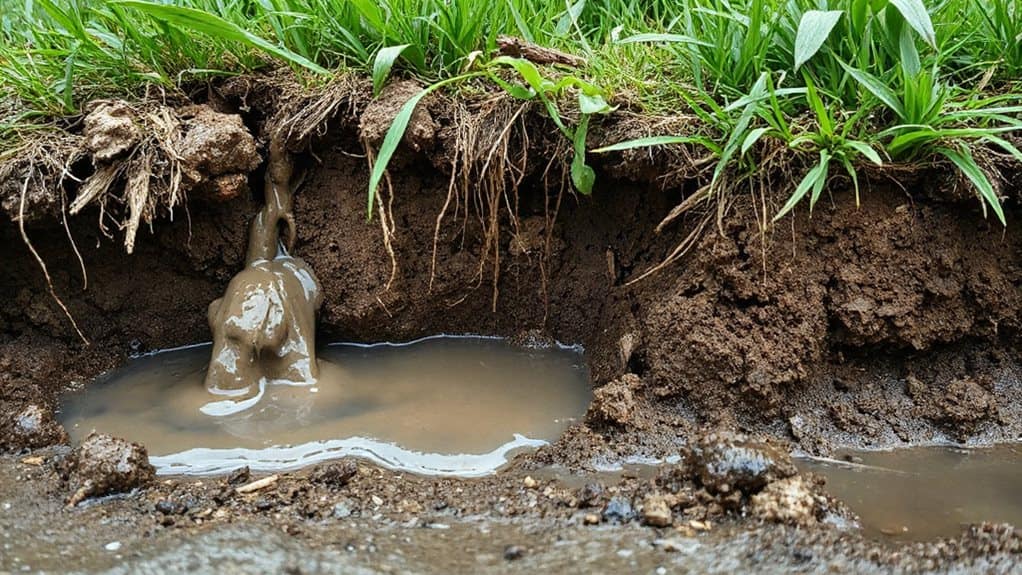
When water doesn’t know where to go after a downpour, it starts throwing a tantrum—spreading out, pooling up, and basically turning your once-tidy lawn edges into a sloppy mudslide.
Compacted soil, clay buildup, or bad grading? Yeah, they’re basically inviting erosion to the party.
But hey, aerating, topdressing, or adding French drains can show water the exit—saving your lawn’s edges and keeping things looking crisp, not like a sad, soggy sandwich.
Installing proper drainage features like French drains or regrading the slope can prevent cars from parking on softened lawn edges and reduce further damage.
When Roof Runoff Damages Your Yard
You know that spot near your downspout where the water goes wild every time it rains, right?
That little gush from your roof travels fast—like a mini flash flood—and turns your lawn’s edge into a splash zone, eroding soil and leaving bare patches that’d make any backyard explorer wince.
Proper fixes often require redirecting water away from the house using measures like a French drain or adjusting grading to prevent further erosion, so consult drainage laws and a professional if you’re unsure.
Roof Runoff Pathways
While your roof’s doing its job keeping the rain off your head, it’s also sending hundreds of gallons of water barreling off your house every time it rains—like a mini waterfall you didn’t sign up for—and guess where all that water ends up? Your lawn edges, of course!
That deluge zooms down gutters, hits hard surfaces, and rushes into your yard like a tiny flash flood, eroding soil, washing away mulch, and leaving ruts that look like mini canyons. You didn’t build a campsite, but your yard’s starting to resemble one after every storm!
Downspout Impact Zones
That roof runoff you just learned about? It’s probably blasting your yard through downspouts, turning soft spots into mini mud pits.
If water’s hammering the same area, it’ll carve out trenches fast—kind of like a tiny, angry river.
Toss in a splash block, extend the spout 4–6 feet, or add a rain barrel; your plants (and neighbors) will thank you!
Why Bare Soil Washes Away in Heavy Rain?
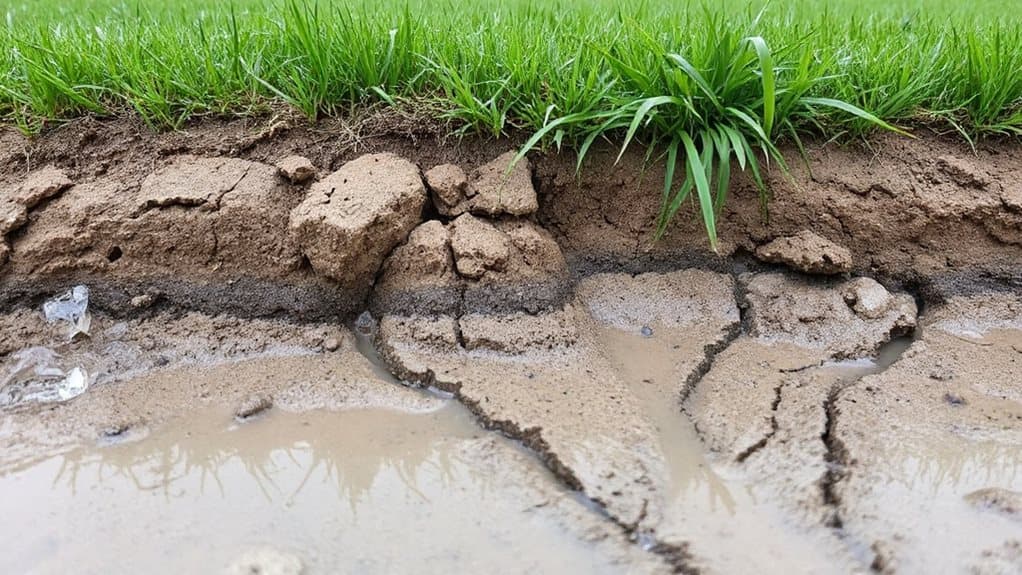
So imagine this: you’re out camping after a big summer storm, boots squelching through the mud near your tent, and you notice the ground around the edge of the site looks like it’s been sandblasted—dirt gone, grass hanging on for dear life, and little gullies snaking down the slope like nature’s own slip ‘n’ slide.
Raindrops, falling at 20 mph, literally blast soil particles loose—especially on bare ground—then runoff sweeps them away, carving rills and gullies. Without plants to shield it, soil can’t stand up to the storm’s punch.
Pretty wild, right? You can *see* the erosion in action—nature’s not messing around! Plant roots and vegetation cover are vital to prevent soil loss during heavy rain.
Choose Erosion-Resistant Grass for Lawn Edges
Okay, envision this: you just survived a thunderstorm in your tent, you’re ankle-deep in squishy mud, and your lawn edges look like they lost a fight with a tiny, angry river—sound familiar?
You’ve got options! Try tall fescue for deep roots, creeping red fescue for shady spots, or buffalograss if you hate mowing. Bermudagrass spreads fast, and native grasses? Superheroes with 8-foot roots!
Protect Edges With Mulch and Hessian Barriers
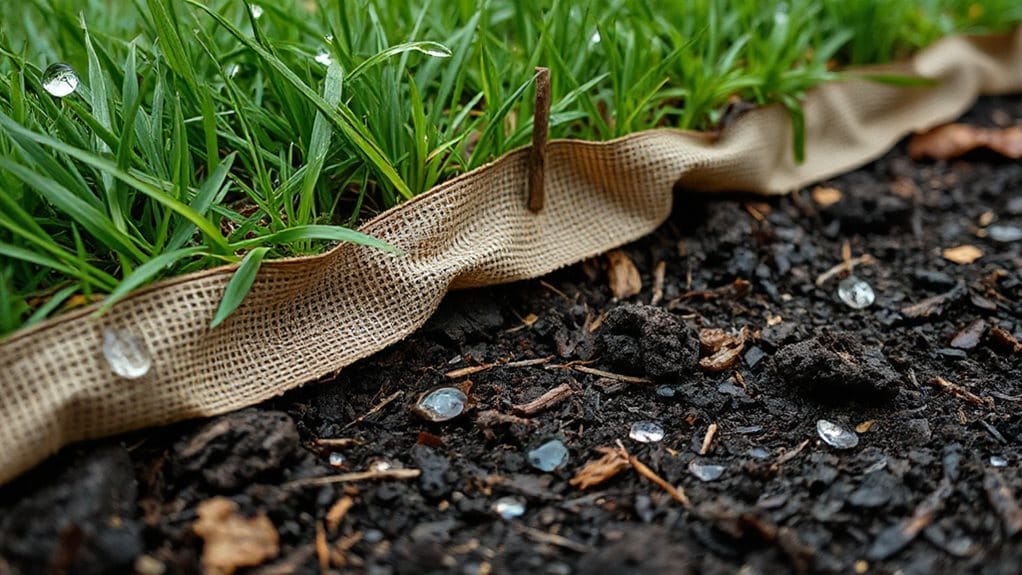
While your lawn edges mightn’t be as tough as your favorite hiking boots, they can still stand up to a serious downpour—with a little help from some smart, simple protection.
Try organic mulch like wood chips or straw first, then top it with a hessian blanket on steep spots; it’s like giving your soil a raincoat and a seatbelt!
Install Landscape Edging That Stays in Place
You’ve already given your lawn edges a cozy raincoat with mulch and a hessian blanket—great job, by the way, Mother Nature’s giving you a high-five—but if you really want those borders to hold their ground when the skies open up, it’s time to suit up your edges with some proper armor.
Think of edging like hiking boots for your garden—solid, dependable, and ready for mud. You’ve got options: pour custom concrete for sleek, joint-free lines, or go no-dig with flexible metal that bends like a yoga instructor.
Need sharp curves? Metal stakes every 5 feet keep it snug. Want zero digging? Warm vinyl in the sun, tap in stakes with a mallet, and boom—done.
Your edges won’t just survive storms—they’ll throw a post-rain party.
Dig Simple Swales to Redirect Runoff Naturally
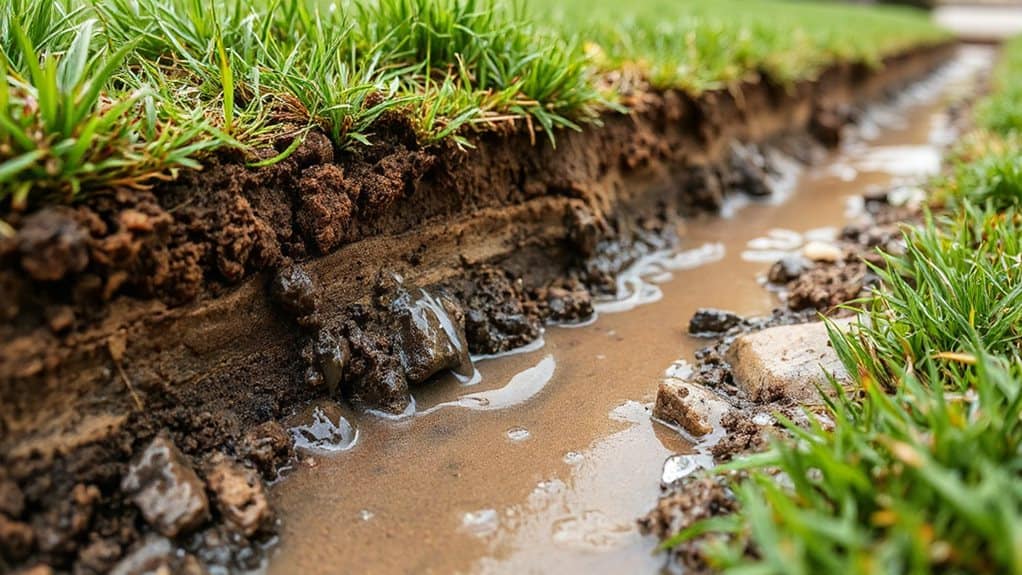
Envision this: instead of watching helplessly as gushing rainwater bulldozes your lawn edges like a tiny, angry river, you *flip the script* and turn that same runoff into your yard’s new best friend.
Dig a shallow, grassy swale—it’s like a nature-made ditch that slows water, stops erosion, and soaks in rain like a sponge.
Line it with native plants, toss in some stones, and boom: you’re not just saving your lawn, you’re helping the planet, one puddle at a time.
Pair Edging With Rain Gardens for Better Drainage
Right where your lawn starts to give up after a downpour—kind of like a soggy sandwich falling apart—is exactly where things get interesting.
Pair edging with rain gardens to keep water where it should be: soaking in, not washing away.
Install low stone or plastic borders, dig a shallow bowl, mix in sand and compost, then plant natives—they’ll anchor the soil like nature’s own crew!
Easy Upgrades to Stop Erosion Early
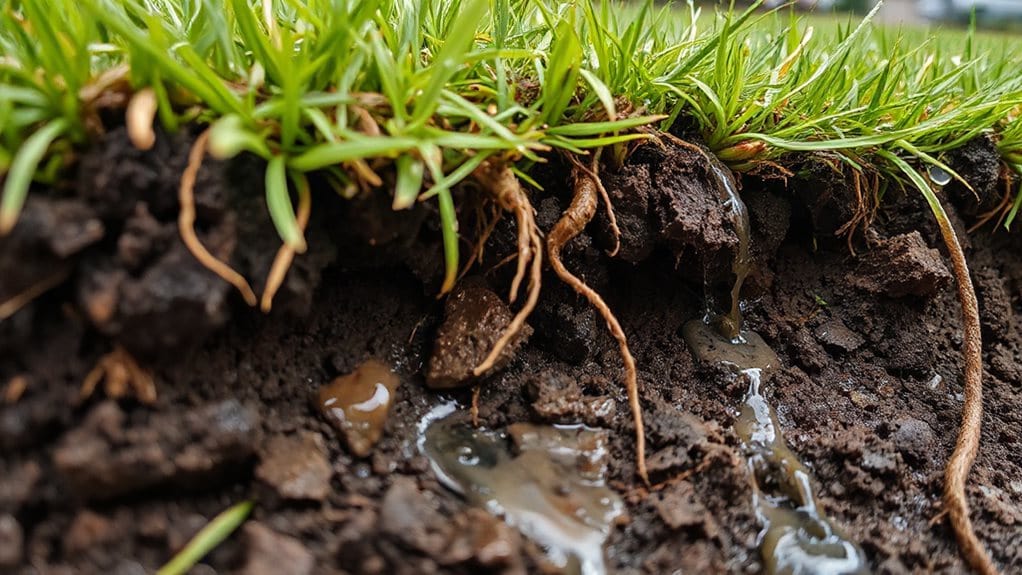
When the rain comes knocking and your yard starts looking more like a mini Grand Canyon than a lawn, don’t just throw your hands up—grab a shovel and tackle erosion before it throws a full tantrum.
Install edging at a 45-degree angle, ditch the grass (don’t flip it!), and pack mulch deep to keep soil in place.
Add groundcover, use erosion blankets, and boom—you’ve got a backyard that won’t wash away by Tuesday.
Overall
So, you’ve seen how rain sneaks up and ruins your lawn edges, right? Well, guess what—fixing it’s actually kind of fun, like building tiny fortresses for your yard! Try edging with stones or dig a swale—it’s like a mini river that *wants* to help. Add a rain garden? Boom, instant backyard upgrade. Trust me, your grass will throw you a party. Who knew fighting erosion could feel like prepping for a camping trip—muddy shoes, big wins, and zero soggy tents!