Shared Driveway Maintenance Responsibility Explained
You and your neighbor can totally avoid driveway drama with a clear, written agreement—think of it like a campsite buddy system for potholes and snow shoveling! It spells out who fixes what, how costs are split (50/50, by usage, or parcel size), and even covers surprise repairs, so no one’s caught off guard. Record it at the registry, and boom—it sticks with future owners. Friendly chats, photos, and shared estimates keep things smooth, and mediation? Way cheaper than court! Want to know how Dan saved his friendship *and* his truck this winter? There’s a slick trick he used you’ll love.
TLDR
- Shared driveway maintenance responsibilities are typically defined in a written easement agreement between property owners.
- Responsibilities often include snow removal, repairs, and upkeep, with costs split equally unless usage or size dictates otherwise.
- Always review the recorded easement agreement to determine who is responsible before starting any maintenance or repairs.
- Communicate openly with neighbors, preferably in person, to discuss repairs and agree on cost-sharing arrangements.
- Record all agreements and expenses to ensure accountability and prevent disputes over future maintenance responsibilities.
What Is a Shared Driveway Easement?
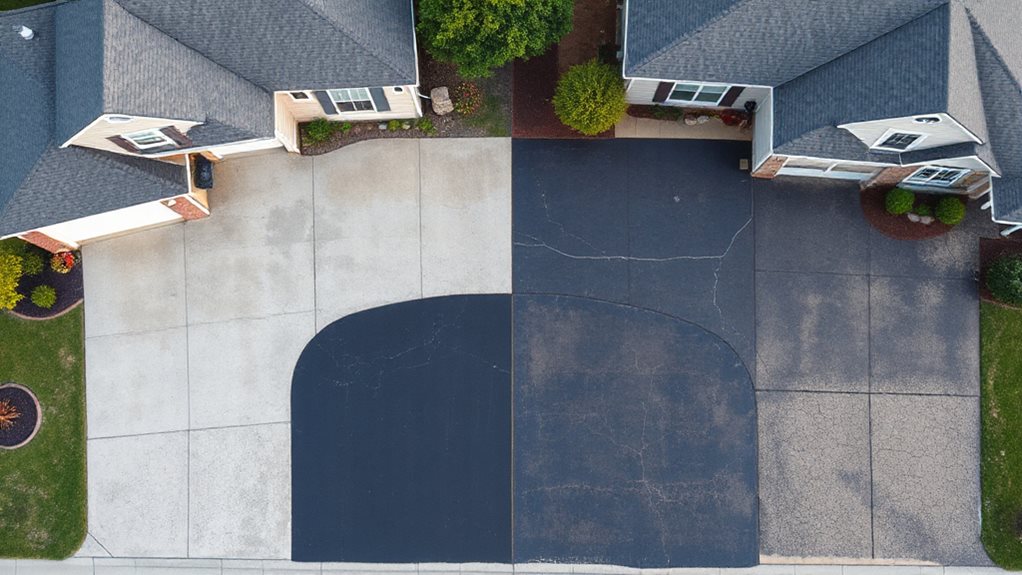
Envision this: you’re backing out of your garage, ready for a weekend camping trip with the tent strapped on and the cooler packed, when—uh-oh—your neighbor’s trash cans block half the driveway.
A shared driveway easement? It’s a legal handshake letting both of you use the same path, even if it crosses property lines—super helpful, right?
Think of it like a driveway buddy system!
This arrangement is typically formalized through a written agreement that clearly defines each party’s rights and responsibilities, helping to prevent conflicts—especially when it comes to maintenance and access. Formal agreements provide clarity.
Such agreements also typically allocate maintenance responsibilities so each owner knows what portion of upkeep they must handle.
How Do Written Agreements Define Maintenance Duties?
You know how awesome it feels when the campsite is spotless and the trail’s clear—well, a shared driveway works the same way when everyone’s on the same page.
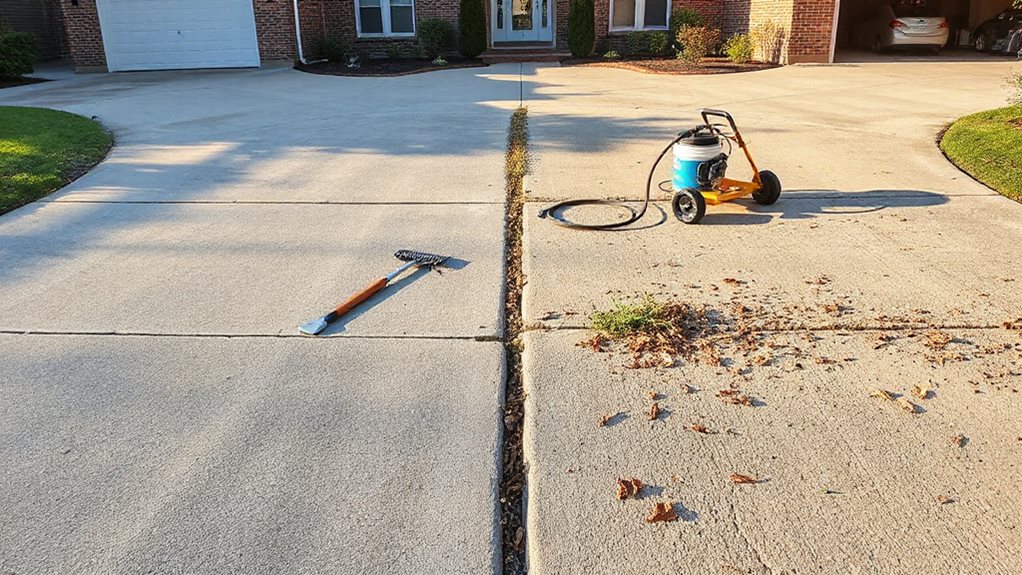
A written agreement spells out exactly who’s doing what, like raking leaves, shoveling snow, or fixing cracks, so no one’s stuck playing detective (or worse, doing all the work).
Think of it as your driveway’s very own rulebook—handy, fair, and way less stressful than arguing over whose turn it’s to mow the edges!
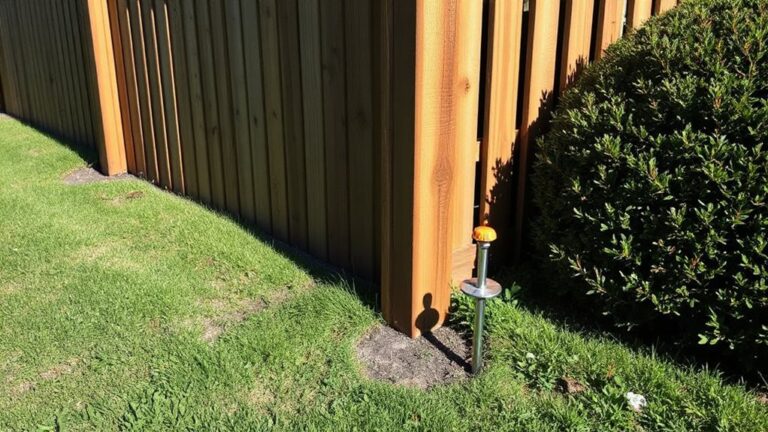
Make sure the agreement references utility flag locations and responsibilities before any digging or repairs to prevent accidental damage.
Shared Driveway Agreements Overview
When it comes to keeping your shared driveway in tip-top shape, putting things down on paper really does the trick—because let’s be honest, nobody wants to argue over potholes or snow shoveling in the middle of winter like it’s the final boss level of neighbor drama.
You’ll name all property owners, split costs fairly, spell out maintenance tasks, and agree on decisions—so everyone’s on the same smooth, well-plowed road.
Defining Maintenance Responsibilities
Alright, let’s get into the nitty-gritty of who does what when it comes to keeping that shared driveway from turning into a post-apocalyptic pothole parade—because nobody wants to white-knuckle their way over cracks every time they come home, especially not when you’re hauling a trunk full of camping gear and s’mores supplies.
You’ll split costs 50/50 or by usage, take turns shoveling snow (odd/even years—fun, right?), handle repairs together unless it’s an emergency, and follow a clear schedule so no one’s guessing who’s on duty.
Enforcing Written Provisions
Envision this: you’re pulling into the driveway after an epic weekend camping trip—tent strapped to the roof, cooler full of leftover hot dog buns and trail mix, the whole crew buzzing with stories from the campfire—only to hit a crater-sized pothole that jolts everyone like a surprise rollercoaster drop.
Yikes! But hey, if your written agreement’s recorded and clear, you’ve got backup—literally. You can calmly say, “Hey neighbor, the doc says we each cover half the repair,” and split costs fairly. No drama, just smooth rides ahead.
What Happens Without a Shared Driveway Agreement?
If you’re picturing your shared driveway as a friendly handshake between neighbors—no paperwork, just good vibes—you might be in for a bumpy ride, literally and legally.
Without an agreement, maintenance gets murky fast; state laws step in, but they’re no substitute for clear terms.
You could end up footing the whole bill, or worse—arguing over potholes like it’s a reality TV show.
Don’t wait for cracks to become craters—talk now, fix fairly, and maybe grab coffee while you’re at it.
HOAs and local rules can also affect who’s responsible for upkeep, so check your association’s guidelines for maintenance standards before problems start.
Who Pays for Shared Driveway Repairs Without a Contract?
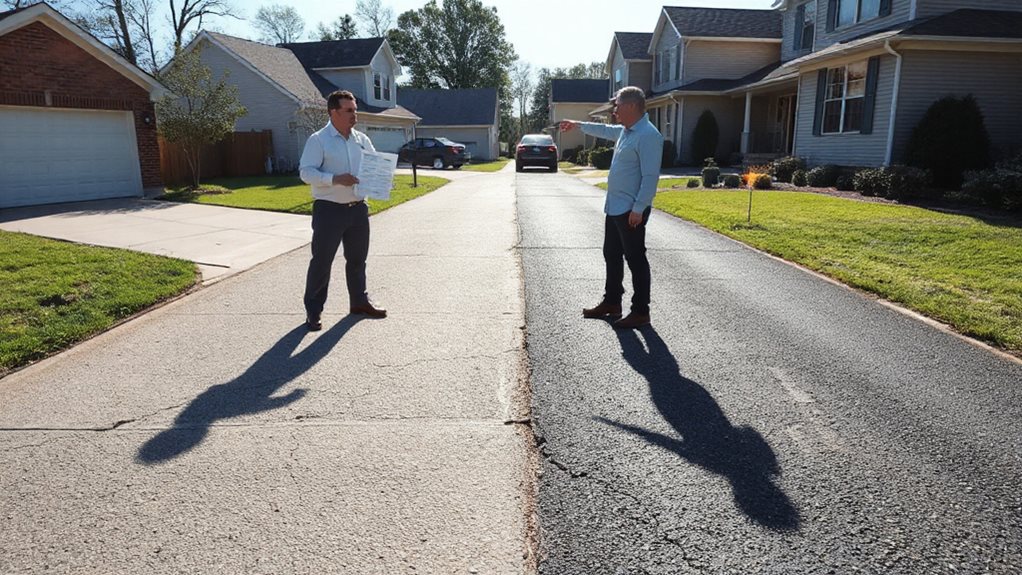
While you might hope your neighbor will jump in to help when that pothole starts looking like a driveway-sized cereal bowl, the truth is, without a contract, figuring out who pays for shared driveway repairs can turn into a real-life game of “He said, she said”—and nobody wins a prize except maybe the lawyer.
But hey, don’t panic! Connecticut law says everyone who benefits must chip in—fair share, fair play—so grab your boots, talk it out, and keep that driveway escapade-ready!
Document incidents and gather evidence (like photos or security camera footage) if disputes escalate and you need to involve authorities or pursue legal remedies.
How to Split Driveway Costs Fairly by Usage
So, you’re splitting a driveway with neighbors—kinda like carpooling, but for potholes, right?
If your crew’s always zipping in and out for weekend camping trips while others barely budge, it’s only fair you chip in more, especially when you’ve got three muddy trucks and a camper trailer on rotation.
Let’s figure out how to split costs based on who’s really using the road, so nobody’s stuck paying for your neighbor’s “I’ll just pop in once a month” habit.
Remember that local rules can affect obligations, so review drainage laws to understand responsibilities before finalizing any agreement.
Equitable Cost Sharing
Let’s face it—nobody gets excited about splitting driveway costs the way they do about packing up the tent for a weekend camping trip, but getting this right can save you a *ton* of headache down the road (pun totally intended).
You both use the driveway, so 50/50 is fair unless you’ve got a bigger parcel or special use—then, maybe tweak it. Talk early, put it in writing, and keep things friendly; nobody wants a snowstorm *and* a billing fight!
Usage-Based Contributions
Think of your shared driveway like a campsite everyone keeps hiking back to—sure, you mightn’t all pitch the tent or carry the same weight, but if you’re using the trail, you should help keep it clear.
You can track who’s coming and going, like counting boot prints in the mud, then split costs fairly based on actual use—maybe your neighbor’s minivan logs double your mileage! Document it, talk it out, and keep things square.
7 Essential Clauses for a Shared Driveway Agreement
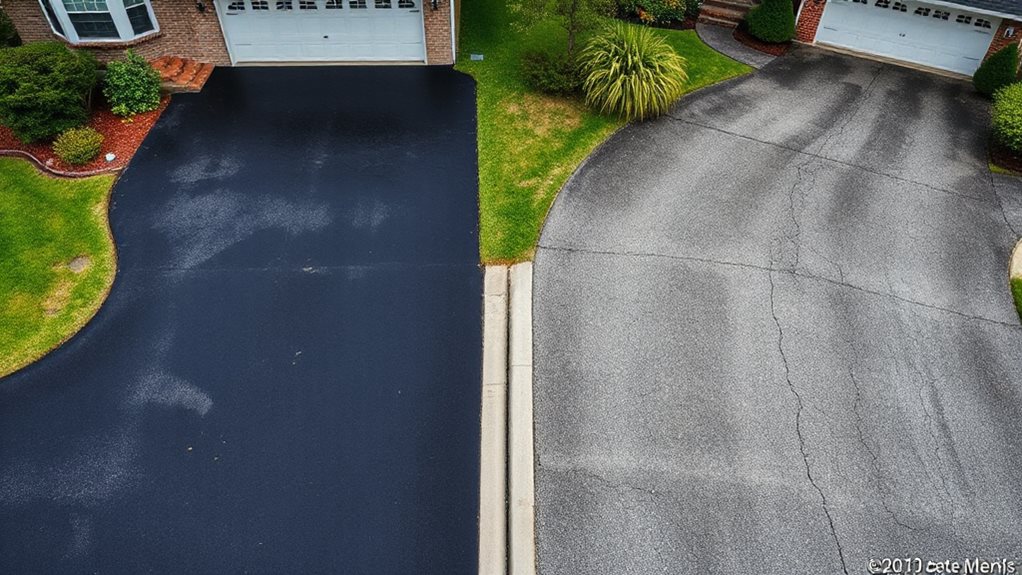
While you’re probably not drafting a shared driveway agreement while roasting marshmallows at a campsite (though that *would* make for a memorable homeowners’ meeting), it’s still smart to nail down the basics before any potholes—or personalities—start causing problems.
You’ll want clear clauses on access, maintenance, costs, improvements, and disputes—because nothing spoils a weekend like arguing over who fixes the rut your neighbor’s truck left.
How to Start Repairs and Notify Your Neighbor the Right Way
So you’ve spotted a pothole big enough to swallow a bike tire—or worse, ruin your neighbor’s morning jog—and you’re ready to fix it before it turns into a full-blown crater, right?
Don’t just grab a shovel and hope your neighbor chips in—start by checking your easement agreement (yeah, that dusty paper in your filing cabinet) so you both know who’s on the hook for what, then send a friendly but clear note with photos, repair estimates, and a polite nudge to chat, because nothing says “teamwork” like avoiding a driveway disaster before your next camping trip gets rained out.
Repair Initiation Protocol
Since you’re the one who just stepped in a puddle where the driveway *used* to be smooth, it’s probably time to tackle those potholes before they turn into full-on driveway craters—kind of like the Grand Canyon, but way less scenic and way more annoying when you’re backing out with the grocery bags.
First, check your easement (yes, that dusty paper in Folder 3) to see who’s responsible, then call your neighbor—don’t text!—and invite them for a quick chat over coffee or lemonade.
Share the facts, stay kind, and remember: teamwork makes the dream work, especially when potholes threaten your weekend camping trip plans.
Neighbor Notification Requirements
If you’ve ever tripped over a cracked slab of asphalt while hauling camping gear to the car—again—you already know a busted shared driveway isn’t just an eyesore, it’s a full-on obstacle course waiting to ruin your weekend plans.
How to Recover Repair Costs From Your Neighbor
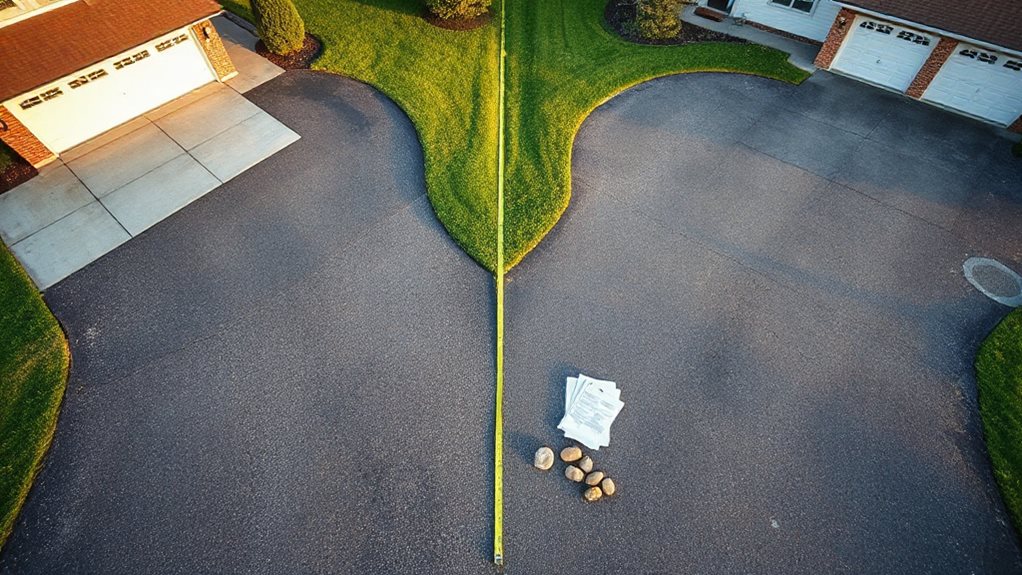
Let’s plunge right into how you can get your neighbor to pitch in when it’s time to fix up that shared driveway—because let’s be honest, nobody wants to foot the whole bill just because their car (or, okay, maybe their giant camper van that sees more road trips than a national park shuttle) uses the pavement a little more often.
Review your easement, split costs fairly, talk it out, get it in writing, and if needed, send a polite legal nudge—because teamwork makes the dream work, especially when potholes threaten your next excursion.
How to Make Your Driveway Agreement Bind Future Owners
You just fixed the potholes, split the cost (fair and square), and now your shared driveway looks smoother than the open road ahead of your next camping trip—awesome!
But wait—how do you keep future owners from trashing it? Simple: record the agreement at the Registry! That way, responsibilities stick like tire tracks in mud, and everyone stays accountable—no drama, just smooth rides for years to come.
How to Resolve Driveway Disputes Without Court
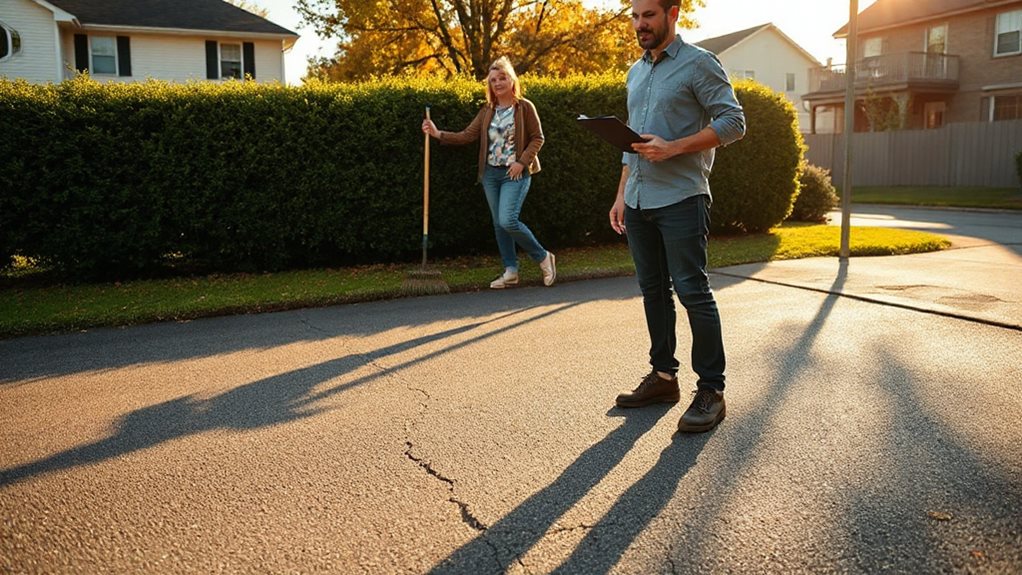
When tensions start bubbling over about who’s supposed to fix that ever-growing crack in the shared driveway—yeah, the one that’s practically wide enough to lose a basketball down—keepin’ things cool can save your friendship, your sanity, and your weekend camping trip budget.
So, talk it out calmly, focus on facts not blame, and put agreements in writing—boom, drama avoided!
Try mediation if needed; it’s way cheaper than court, and hey, you might even walk away with a better neighbor—and more cash for s’mores.
When to Call a Lawyer or Mediator for Driveway Conflicts
Okay, so imagine you’ve tried the chill route—brought over coffee, had the driveway chat, maybe even sketched out a fix on a napkin—but somehow that crack keeps growing, your neighbor’s RV keeps grinding over your side of the pavement, and now your mailbox has a new dent from a dump truck that definitely wasn’t “for repairs.”
If things have gone from awkward waves to full-on driveway drama, it might be time to bring in the big dogs: a mediator or a lawyer. Have you tried talking, but your neighbor won’t budge or keeps breaking agreements? Is the driveway turning into a legal obstacle course?
Don’t wait until a bulldozer shows up uninvited—get help before your camping trips turn into court dates. A mediator can calm tensions, while a lawyer guarantees your rights aren’t paved over.
Overall
So, you’ve got a shared driveway—cool, right? Just talk it out, split the work (and costs) fairly, and maybe even draft a quick agreement, yeah? Think of it like camping with a buddy: you both bring the tent *and* the s’mores, so nobody’s stuck in the mud—literally! Future owners’ll thank you, and hey, less drama means more time for road trips and backyard BBQs. Win-win!