White Crust on Soil Surface Houseplants: Is It Harmful?
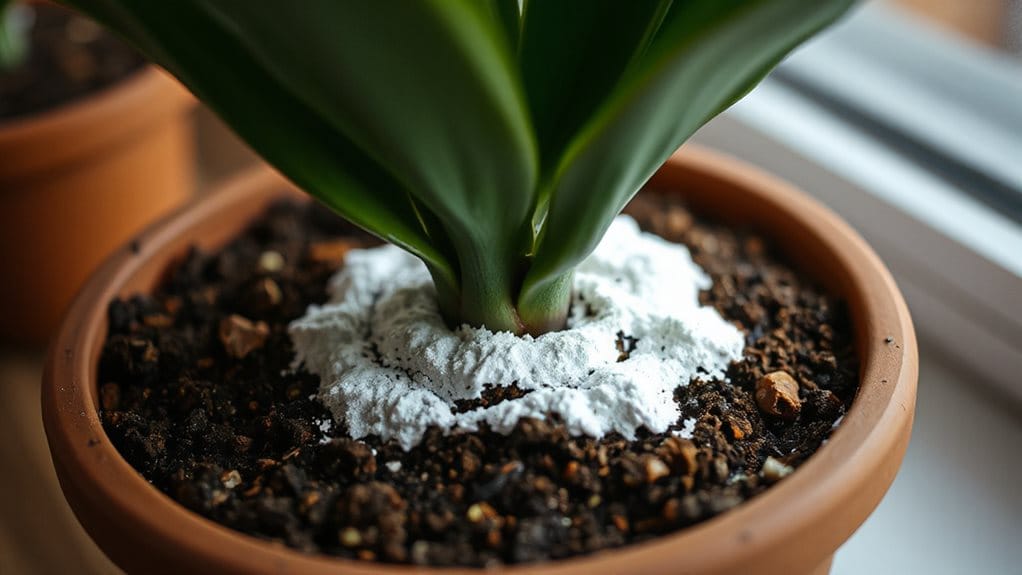
That white crust on your houseplant’s soil? It’s usually harmless salt buildup—think of it like tiny campfire ashes left behind after water evaporates, especially if you use tap water or fertilize often. It might look sketchy, but it’s not mold and won’t hurt your plant much—unless it piles up too high, then roots can get stressed. Scoop off the top layer, let the soil breathe, and consider giving your plant a half-strength drink next time. Still curious what those little white specks really mean for your green buddy? You’re about to find out.
TLDR
- A white crust on houseplant soil is likely salt buildup, not harmful mold, and results from mineral accumulation due to watering and fertilizing.
- Salt crusts are crusty and gritty, unlike fluffy white mold, which thrives in damp, poorly ventilated conditions.
- While salt buildup isn’t immediately toxic, it can hinder water absorption and damage roots over time.
- Sensitive plants like peace lilies may show brown leaf tips due to high salt levels in the soil.
- Remove the crust, improve drainage, and use filtered water to prevent recurrence and protect plant health.
What Is the White Stuff on My Houseplant Soil?
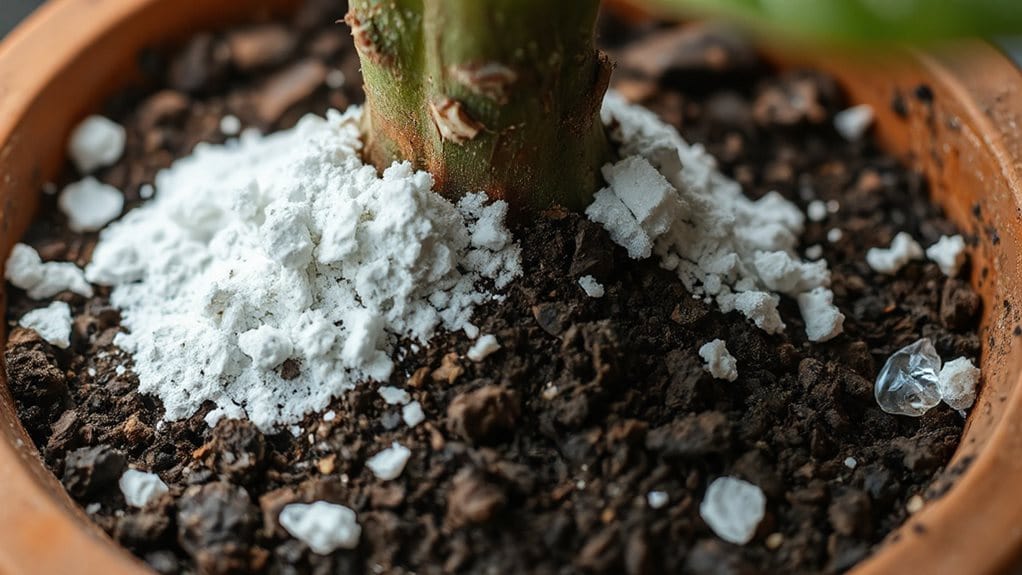
Sometimes, out of nowhere, you’ll glance at your houseplant and do a double-take—wait, is that mold? Nope, it’s likely a saprophytic fungus, nature’s tiny recyclers!
These white, fuzzy patches thrive on decaying stuff in damp soil, kind of like mushrooms in a forest after rain.
They’re harmless, even helpful, and definitely not a plant killer—phew! Ground beetles and other garden allies work differently, focusing on pests rather than decomposing material.
This type of fungus is a saprophytic fungus that feeds only on dead organic material and won’t attack healthy plant roots.
Mold or Salt? How to Tell the Difference
So, you’re staring at that white stuff on your plant’s soil and wondering, “Is it mold, or did my plant just sprinkle salt on its dirt like it’s prepping for a camping trip?”
If it’s fuzzy and looks like someone dusted your pot with powdered sugar, it’s probably mold — a sign you’ve been a little too generous with the H2O.
But if it’s crusty, chalky, and clings to the soil like dried marshmallow goo on a campfire stick, that’s salt buildup, and your plant’s basically crying out for a good rinse!
Remember that poor drainage and overwatering can encourage mold growth, so check your pot for proper drainage and adjust watering habits accordingly.
White Mold Identification
That mysterious white stuff on your houseplant’s soil? It might be white mold!
Look closely—fuzzy, woolly patches that spread like tiny snowdrifts? Yep, that’s mold. If it’s fluffy and grows in damp spots, especially near roots or decaying bark, it’s alive, unlike crusty salt.
Think of it like campfire mushrooms—interesting, but maybe not wanted indoors!
Salt Buildup Signs
Chances are, you’ve peeked at your houseplant one morning and thought, “Wait—since when did my pothos start growing a ski resort on its soil?”
If that white stuff looks less like a fuzzy forest and more like a crunchy, chalky crust clinging to the pot’s rim or spreading across the dirt like dried sea spray, you’re probably dealing with salt buildup, not mold.
Spot brown leaf tips? That’s a classic cry for help—your plant’s basically waving a tiny white flag!
Simple Test Methods
Alright, detective, it’s time to crack the case: is that weird white stuff on your plant’s soil a moldy intruder or just a salty buildup throwing a silent tantrum?
Touch it—fuzzy and soft? That’s mold. Crusty and gritty? Hello, salts. Try the water test: pour some in, wait, and watch.
Mold vanishes when dry; salts reappear like uninvited guests.
Still unsure? Grab a flashlight and lean in—mold looks like tiny cobwebs, while salts sit flat, like dried sea spray.
Quick, grab your magnifying glass (or just squint hard)—nature’s mystery awaits!
Why Is White Mold Growing on My Soil?
So, you’ve spotted that fuzzy white stuff on your plant’s soil—don’t panic, it’s not a alien invasion (though it does look like something from a sci-fi campout under a damp log)! That mold’s basically throwing a party because your soil’s too wet, there’s not enough airflow, and the light’s weaker than my flashlight on a failed camping trip.
Let’s fix the soggy soil, crank up the breeze, and give your plant some sunshine so it thrives instead of just surviving! Also, consider improving drainage and aeration by adding coarse bedding materials like shredded cardboard or coconut coir to the soil.
Excess Moisture And Fungi
While you’re not out hiking through misty forests or setting up camp under a canopy of trees, your houseplant might just be living its own damp, woodland fantasy—thanks to a little too much water.
Overwatering creates a soggy, dark playground perfect for white mold to thrive. You don’t need a rainforest vibe indoors—let the soil dry out a bit, and your plant will thank you!
Poor Air And Light
That soggy soil you’ve been wrestling with isn’t just giving mold a cozy home—it’s basically rolling out the welcome mat, especially if your plant’s stuck in a dark corner with barely a gust of new air.
Seriously, would *you* feel fresh there? Give your green buddy some light and a little breeze—think sunny windowsill, maybe a small fan nearby—and you’ll zap mold’s vacation plans fast.
What Causes White Salt Crust in Potting Mix?
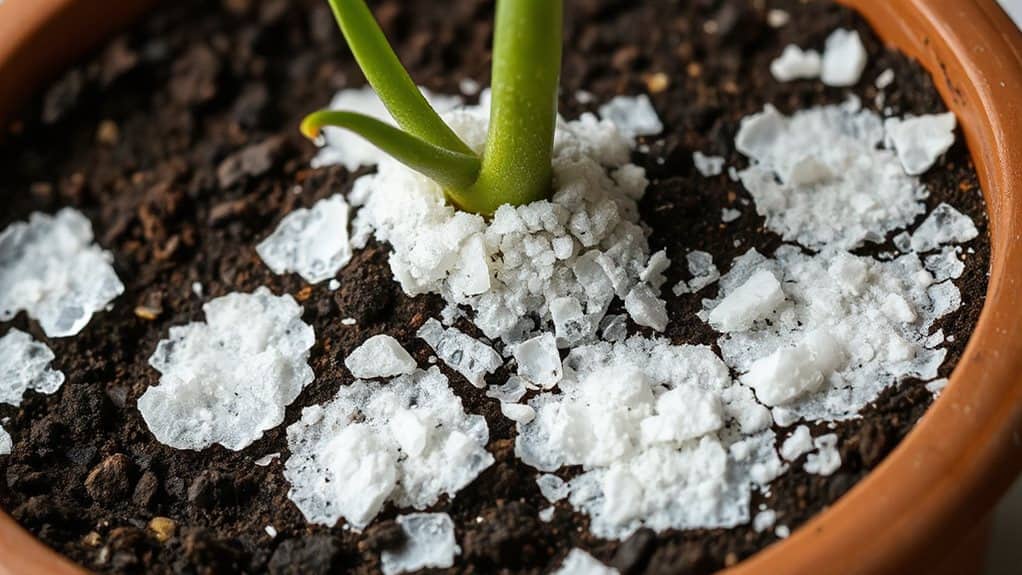
Ever pulled back the curtain on your indoor jungle only to find a weird white crust creeping across your plant’s soil like a tiny snowstorm gone wrong? That’s salt buildup, my friend!
Tap water, fertilizers, and evaporation leave behind minerals—kind of like when camping and your water bottle dries with gritty rings. Capillary action pulls them up, especially in clay pots, forming a crusty mess. This is often caused by hard water and mineral deposits left behind when water evaporates.
Is White Fuzz Harmful to My Plant?
So, what’s that ghostly white fuzz doing on your houseplant—throwing a tiny fungus rave or just chilling like a harmless moldy houseguest?
If it’s on the soil and not spreading, it’s probably just a saprophytic fungus, minding its own business while breaking down old stuff—totally harmless!
But if you spot powdery mildew or mealybugs on leaves, it’s time to act fast before your plant’s health tanks.
Improving air circulation and controlling humidity can help prevent recurrence, so consider using a dehumidifier or opening windows when possible.
Can Salt Buildup Kill My Houseplant?
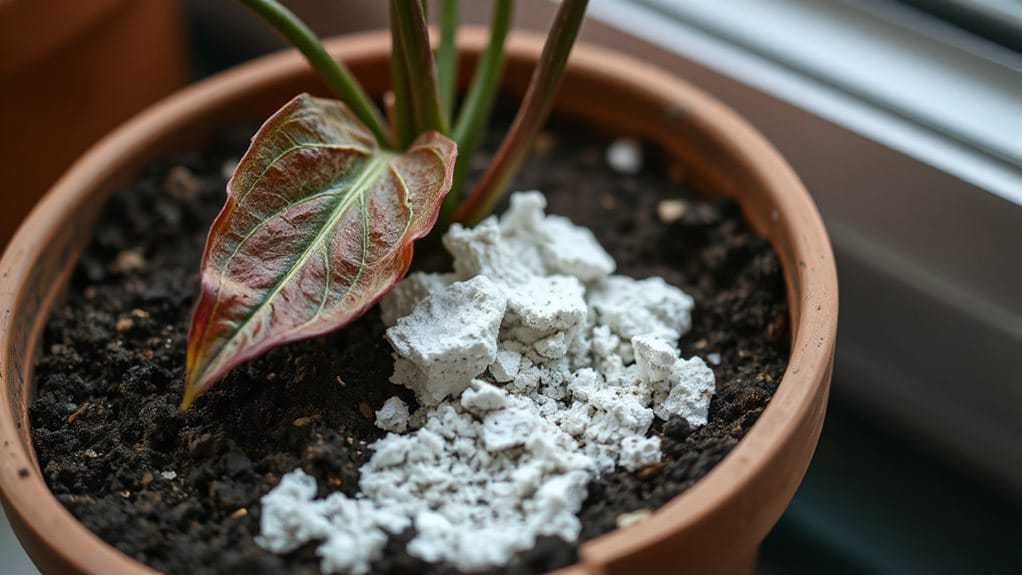
While you’re out there keeping your houseplants happy and hydrated, there’s a sneaky little problem that might be building up beneath the surface—salt accumulation—and yeah, it can actually kill your plant if you ignore it long enough.
Think of it like camping without cleaning your cookware; gunk piles up, things go wrong. High salts block water uptake, burn roots, stunt growth, and cause crispy leaves. Peace lilies? Spider plants? They’re especially sensitive.
But don’t panic—leach every few months, use filtered water, and your green pals will thrive!
How to Remove White Mold or Crust for Good
If you’ve ever opened your closet to find a forgotten camping tent covered in fuzzy mold and thought, *yep, that’s exactly what’s happening in my plant’s pot*, you’re not far off—white crust or fuzz on your soil is basically nature’s version of mildew in a damp backpack after a rainy hike, and it’s time to kick it out for good.
Grab a spoon, scoop off the yucky top layer, toss it outside (don’t let those sneaky spores hitch a ride indoors!), and give your plant some fresh air and sunshine—just like airing out a soggy tent.
Sprinkle cinnamon like it’s campfire cocoa—it’s a natural fungus-fighter! Keep the soil dry, clean your tools, and check on your green buddy weekly; think of it as plant first aid after a muddy escapade. You’ve got this!
Prevent White Residue: Soil, Water & Care Tips
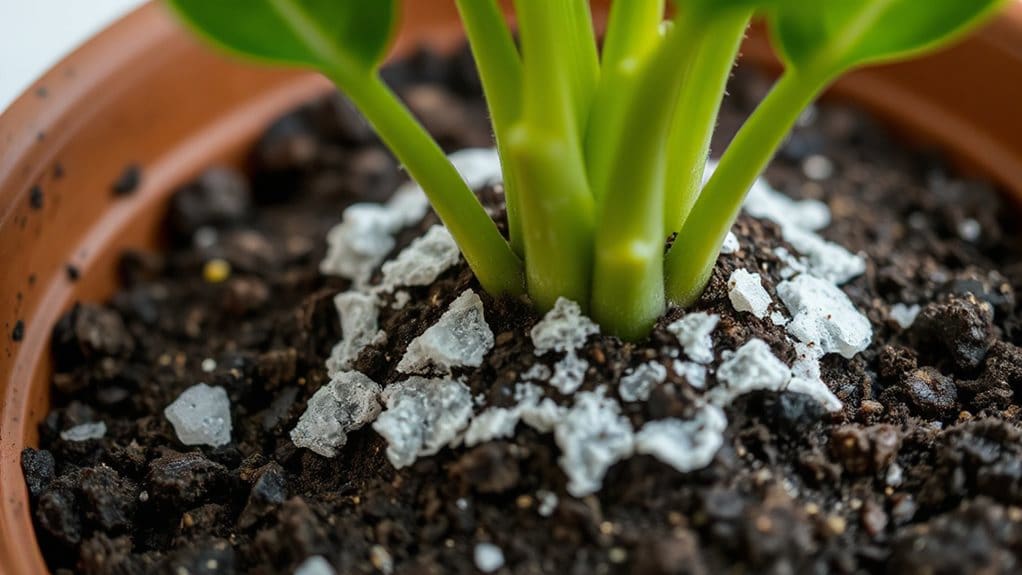
Imagine this: you’re out on a crisp morning hike, sun just peeking over the trees, and your boots crunch across dry soil—firm, airy, alive—exactly how your houseplant’s dirt *should* feel, not soggy like a tent left out in last night’s rainstorm.
Keep the top two inches dry before watering, improve drainage, and mix the soil to avoid crusty buildup. Water deeply but less often, and always dump excess from trays—no one likes soggy socks, right?
Use half-strength fertilizer only in growing season, leach salts every six months, and keep light bright and air flowing. A sprinkle of cinnamon or a baking soda spray can work like magic—simple, natural tricks to keep your plant’s soil fresh, just like campfire mornings.
Overall
So, that white stuff on your plant’s soil? No need to panic—it’s usually just salt buildup or harmless mold, not a monster! Think of it like camping: you wouldn’t drink straight from a lake, right? Same with tap water—let it sit or use filtered stuff. Wipe off the crust, improve airflow, and your green buddy will thrive. Honestly, once I started flushing my pots monthly, my plants perked up like they’d had a spa day! Keep calm and keep growing!