Meet the Biggest Bearded Dragon in the World: 14 Feet!
You’ll quickly see why the “14‑foot bearded dragon” hype is more myth than fact: real bearded dragons max out around two feet, and the videos lack proper scale or expert measurements, so they’re more like a fantasy campfire story than a zoological record. Scientists use the snout‑vent length (SVL) method, measuring from the tip of the snout to the cloacal slit with a ruler or calipers, to get accurate millimeter readings. If you spot a ruler or a known object in a photo, compare it to the 18‑24‑inch norm and check weight—no lizard that big could weigh a few pounds, let alone thousands. The claim also ignores that true giants are monitors or Komodo dragons, not bearded dragons, and that obesity or camera tricks can fake size. Want to learn how to verify these claims, measure correctly, and see how a real giant compares to a Megalania or Komodo? Keep going and you’ll get the full scoop.
TLDR
- The claim of a 14‑foot bearded dragon is a myth; real bearded dragons max out around 2 feet (18–24 inches) in total length.
- Verified size measurements use snout‑vent length (SVL) from the tip of the snout to the cloacal slit, recorded in millimeters with calipers or a ruler.
- Authentic videos or photos should include a clear scale object (ruler, hand) to confirm dimensions; most “14‑foot” footage lacks such reference.
- True giant lizards are monitor species (e.g., Komodo dragons, Varanus) or extinct megafauna like Megalania, not bearded dragons.
- For reliable size claims, consult herpetologists, reputable breeders, or veterinary records rather than internet hype.
What a 14‑Foot Bearded Dragon Record Really Means?
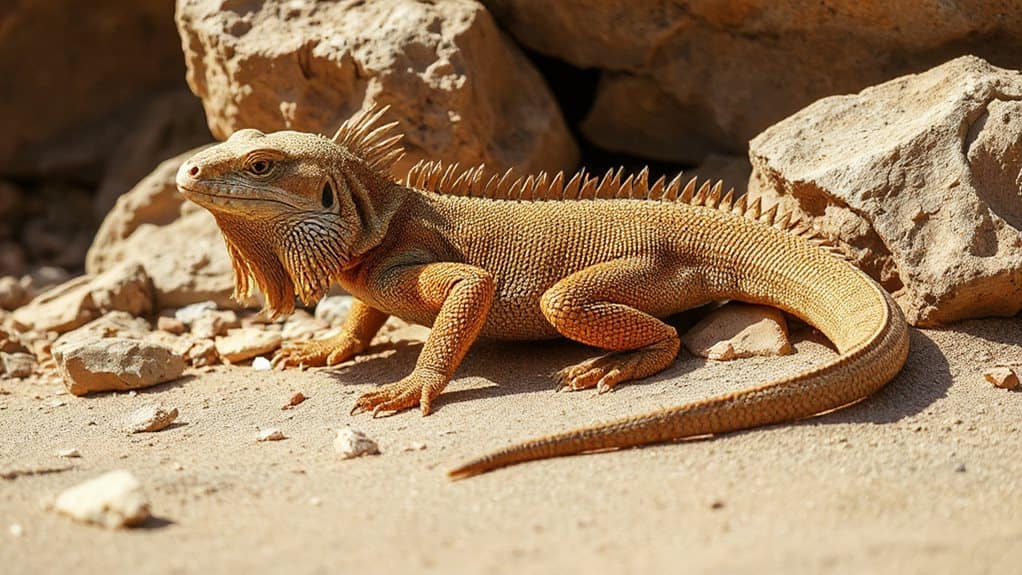
If you’ve ever wondered what a “14‑foot bearded dragon” actually means, buckle up because the story is a wild mix of myth, internet hype, and a *sprinkle of* scientific reality that feels like a road‑trip through a dinosaur‑themed amusement park.
You’ll see that real dragons max out under three feet, while “Big Dexter” stretches imagination, not biology, and those videos lack any verifiable measurements or expert backing. Megalania priscus once roamed the ancient lands at about 23 feet, dwarfing even the legendary “Big Dexter.”
How to Measure a Bearded Dragon Using the SVL Method
You’ll first spot the snout‑vent landmarks—just the tip of the nose to the little cloacal slit—so you know exactly where to start and stop, then grab a pair of dial calipers or a digital ruler for the most precise read, because a millimeter can make the difference between “big” and “huge.”
Have you ever tried the bag method, snapping the dragon into a clear zip‑bag and pulling it taut against the edge, or do you prefer holding it gently in your palm and measuring with a second hand?
Either way, jot down each SVL measurement consistently, because when you compare data later you’ll see how those tiny details add up to a truly epic reptile journey.
Identify SVL Landmarks
Measuring a bearded dragon’s snout‑to‑vent length (SVL) is basically like taking the perfect selfie of its torso—just you, the lizard, and a straight edge, no tail drama involved.
First, locate the snout tip, the very front of its upper jaw, then find the vent’s posterior edge on the belly.
Align them on a ruler, keep the body straight, and note the millimeters.
Use Accurate Measuring Tools
After you’ve nailed down the snout‑to‑vent points, the real fun begins with picking the right gear to lock in that SVL number—think of it as gearing up for a backyard camping trip where the “tent” is a trusty ruler or caliper and the “campfire” is the excitement of getting a spot measurement.
Use dial calipers for live dragons, digital calipers if you prefer tech, a ruler for quick‑bag methods, or a gentle yarn loop for non‑invasive tracing; keep the lizard relaxed, and you’ll nail that exact length every time.
Record Consistent Measurements
Usually, the secret to getting spot‑on SVL numbers is treating each measurement like a mini‑expedition: you first calm the dragon, then line it up as if you’re setting up a tent on flat ground, and finally pull the ruler or caliper across the snout‑to‑vent stretch with steady, gentle pressure.
Keep the lizard relaxed, repeat twice, average the readings, and note any struggling—this consistency lets you track growth reliably while sharing accurate data with fellow caretakers.
How to Verify 14‑Foot Bearded Dragon Size Claims in YouTube Videos and Forums
You might’ve stumbled on a video that shows a “14‑foot bearded dragon” slithering across a campsite, and your curiosity spikes faster than a campfire on a windy night—so how do you tell if it’s a real reptile or just a CGI prank?
Check scale objects, compare head‑to‑tail length to the 2‑foot norm, demand ruler photos, ask breeders for birth records, and read expert comments; if the proportions look cartoonish or no vet measurements appear, it’s probably a fantasy.
Why Mitchell’s 14‑Foot Bearded Dragon Is the Largest Species
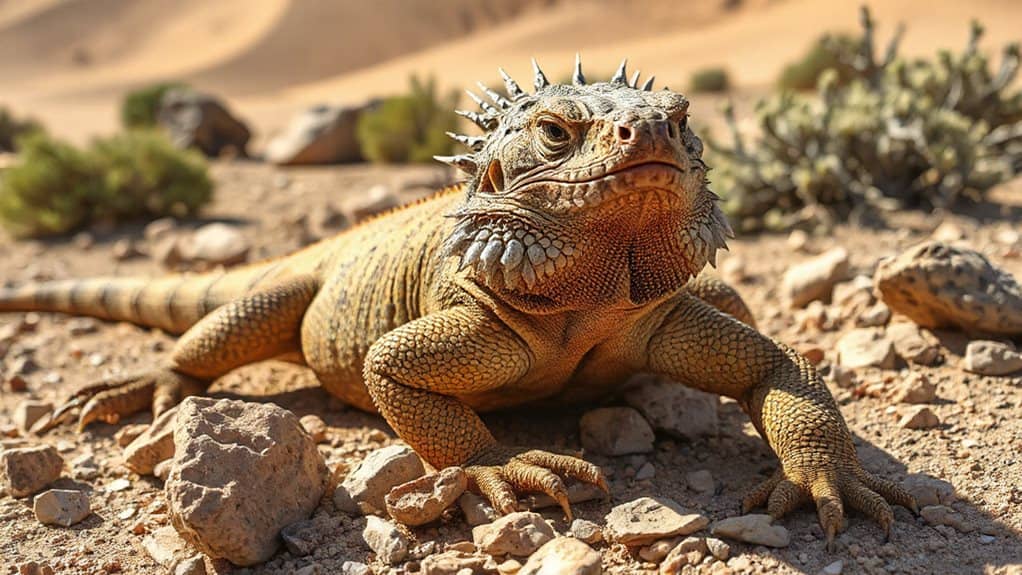
Even though the internet loves a good tall tale, Mitchell’s 14‑foot bearded dragon isn’t just a quirky campfire story—it’s actually a reminder that the “largest species” label belongs to something else entirely, because a real bearded dragon tops out at about two feet, not fourteen.
You’ll see that true giants are monitors and Komodos, while bearded dragons stay under two feet, so the claim isn’t about species size but about myth‑making.
In gardens and enclosures, using 1/2-inch mesh hardware cloth buried a few inches can effectively keep small animals out and protect vulnerable plants.
How Breeding and Nutrition Make Dragons Grow Giant
Alright, after busting the myth that a bearded dragon can actually hit 14 feet, let’s see how you can push a real dragon’s size to the max—by tweaking its breeding and feeding plan.
Pair the biggest lineage, avoid inbreeding, then hit juveniles with 5‑8 meals, 70% protein, calcium dust, and occasional pinky mice; keep temperature, UVB, and humidity favorable, and monitor blood panels for growth hormones.
Why Captive Dragons Can Outsize Their Wild Counterparts
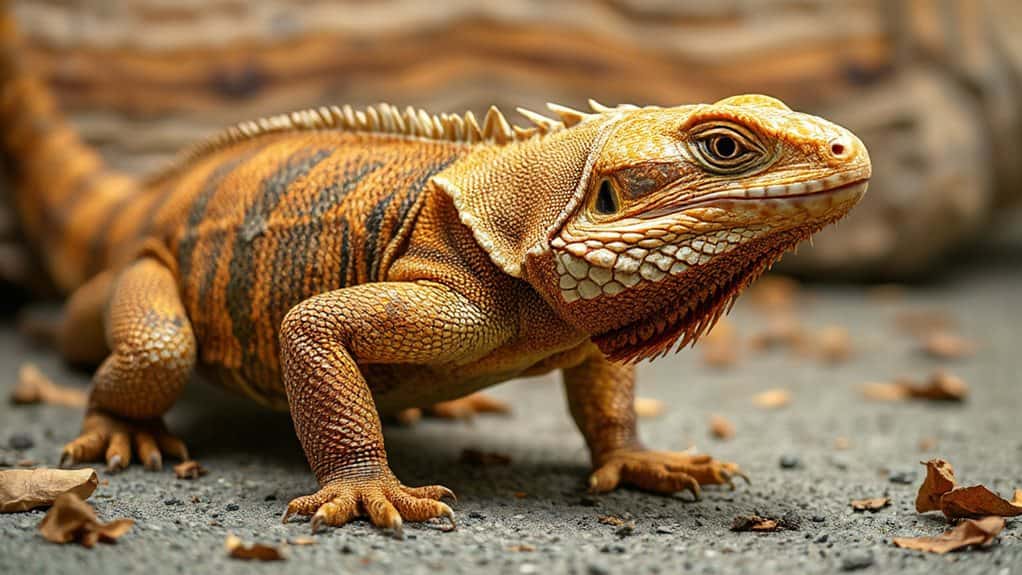
Imagine stepping into a cozy terrarium where the temperature stays just right, the lights stay on longer than a summer night, and there’s no predator lurking around the corner—suddenly, a bearded dragon can focus on growing instead of dodging danger.
You’ll notice steady heat, endless daylight, and abundant high‑protein meals, so the dragon’s metabolism channels energy into size, not survival, letting captive giants outpace wild cousins.
Maintaining proper temperature and humidity in captivity also helps optimize growth and prevent stress-related health issues.
How a 14‑Foot Bearded Dragon Stacks Up Against Komodos and Megalania
A 14‑foot bearded dragon sounds like something straight out of a sci‑fi camping trip, and you can almost envision it lumbering beside a Komodo dragon while you’re setting up a tent in the woods.
At 14 ft it tops the average 10‑ft Komodo, yet Megalania’s 23‑ft legend still dwarfs it, so remember the claim’s likely a fun exaggeration, not a scientific record.
Caring for a 14‑Foot Bearded Dragon: Habitat, Diet, Vet Tips
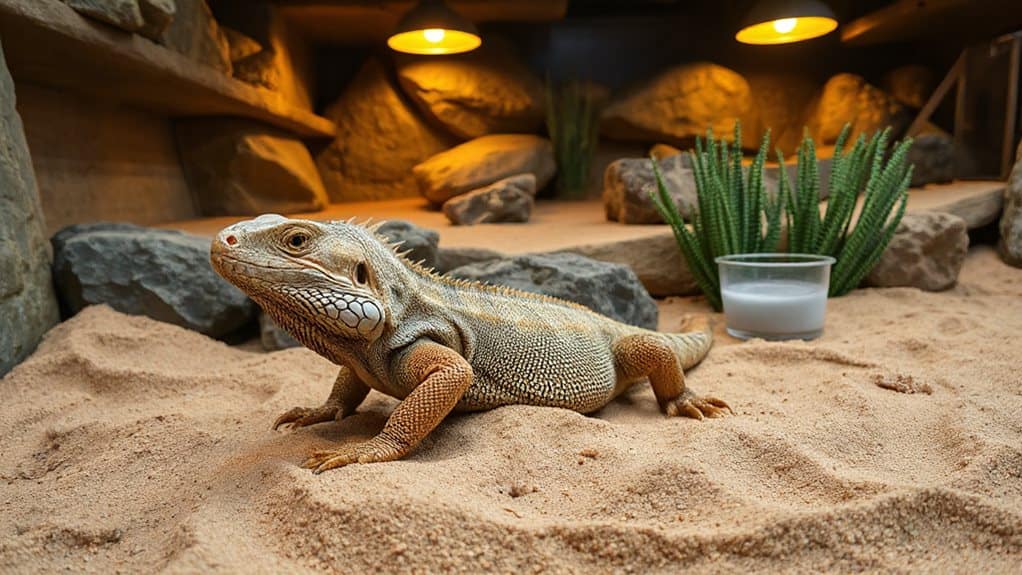
You’ll need a massive, front‑opening enclosure—think a 120‑gallon tank or larger with plenty of climbing branches and a mesh top so your giant dragon can bask, journey, and stay cool, just like a tiny outdoor excursion for a reptile.
Feed it a high‑protein menu of crickets, mealworms, and leafy veggies, always using a separate dish to keep the substrate clean and avoid impaction, and don’t forget the UVB lamp that’s as essential as a sunrise on a road trip.
Finally, set up a regular health‑monitoring routine: check temperature and humidity daily, schedule vet visits for calcium checks, and keep an eye on weight and behavior, because spotting a problem early is like finding a perfect campsite before the rain hits.
If you notice any burning odor or heat around electrical outlets from lamps or heating equipment, unplug the device and call an electrician to inspect burning or fishy odors.
Spacious Enclosure Design
When you’re gearing up to house a 14‑foot bearded dragon, think of the enclosure as a mini‑campground where every nook and cranny invites exploration—because a 4‑by‑2‑by‑2‑foot set‑up (that’s 120 gallons of pure reptile real estate) gives your giant lizard the space to stretch, bask, and dig like it’s out on a desert trek.
Use plywood walls with tile flooring for easy cleaning, add a full‑width basking shelf, slide‑in doors for quick access, and sprinkle rocks, branches, and succulents to mimic a wild oasis; this design keeps temperature gradients stable, encourages natural behavior, and lets you feel like a campsite host for a massive, scaly traveler.
High‑Protein Diet Plan
If you visualize your 14‑foot bearded dragon as a tiny seeker on a desert road trip, the diet becomes the fuel that keeps the trip exciting and the engine humming.
Offer 70‑80 % leafy greens daily—collard, dandelion, mustard—plus a head‑sized salad, and sprinkle crickets, roaches, or black‑soldier‑fly larvae twice a week, dusted with calcium.
Avoid fatty mealworms, keep water fresh, and enjoy watching your seeker thrive.
Regular Health Monitoring Protocols
Kick‑off your daily dragon‑care routine by treating each check‑up like a quick campsite inspection before hitting the trail: spot‑clean the habitat, scrub the water and food bowls, and give those bright, clear eyes a once‑over for any swelling, discharge, or that dreaded sunken look.
Then weekly disinfect, log temps, palpate fat pads, weigh, and note posture, while scheduling annual vet exams, fecal checks, and calcium enhancements to keep your giant companion thriving.
Common Misconceptions About Giant Bearded‑Dragon Size
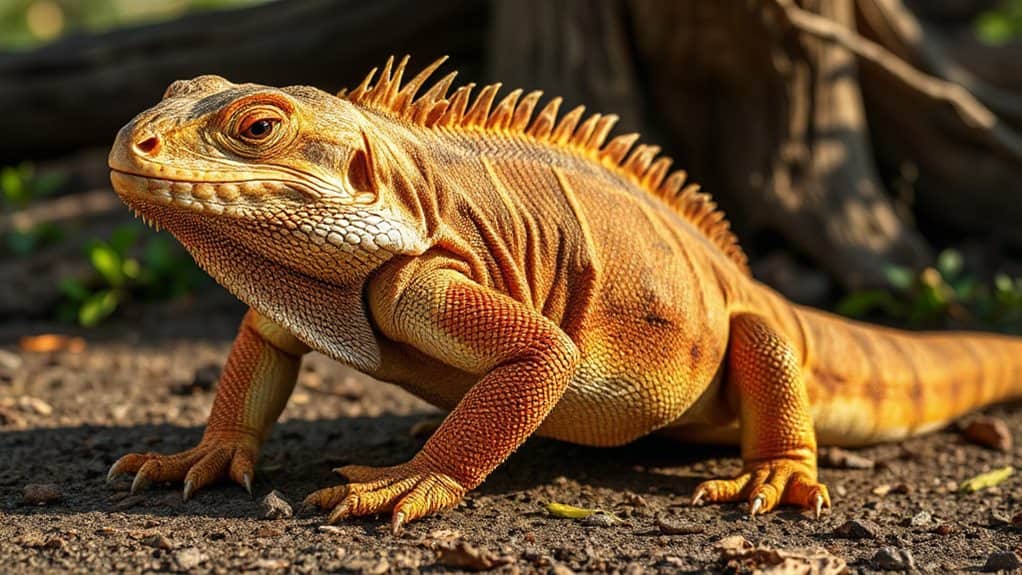
Even though the internet loves to hype up “giant” bearded dragons, most of those jaw‑dropping claims turn out to be myths—like the so‑called German Giant that supposedly tops 60 cm every time.
You’ll find that real giants rarely exceed 30 inches, and obesity can fake size; genetics, diet, and proper measurement matter.
Quick Checklist for Evaluating Giant Dragon Claims Online
When you stumble across a video bragging about a 14‑foot bearded dragon, grab a notebook and start hunting for clues—because those giant claims usually hide behind clever editing, overweight “German Giants,” or outright myths.
Check length against the 18‑24‑inch norm, verify weight isn’t thousands of pounds, look for ruler or hand references, reverse‑image the photo, and trust only herpetologists or reputable sites.
And Finally
So, after digging into the numbers, you’ve seen why Mitchell’s 14‑foot bearded dragon isn’t just a tall tale—it’s a genuine, record‑breaking beast that dwarfs most reptiles, even some dinosaurs. If you ever spot a “giant dragon” online, remember to check the SVL method, compare shadows, and watch for scale tricks. And hey, whether you’re camping under the stars or just scrolling forums, keep your curiosity sharp, your skepticism sharper, and enjoy the wild wonder of nature’s biggest lizards!