Is a 15 Amp Switch on a 20 Amp Circuit Safe?
You can safely put a 15‑amp switch on a 20‑amp circuit, but only if you keep the total load under 15 amps, use 12‑AWG copper wire, and make sure the breaker trips correctly; think of it like a camp stove that’s perfect for a small group—great when you don’t overload it, but a disaster if you try to cook a feast on a tiny burner, so check the device ratings, tighten connections, and label everything, and you’ll avoid overheating, arcing, and fire risks, plus you’ll learn the exact steps to verify load and wiring.
TLDR
- A 15 A switch on a 20 A circuit is code‑compliant if the actual load never exceeds 15 A.
- The circuit must use 12‑AWG conductors protected by a 20 A breaker to prevent wiring overload.
- Over‑current beyond 15 A can overheat the switch contacts, causing melting, arcing, and fire risk.
- Verify the switch’s rating (15 A @ 120 V) and regularly measure the load with a clamp meter to stay under the limit.
- Avoid adding extra outlets or high‑draw devices that could push the total current above 15 A.
Can You Put a 15 A Switch on a 20 A Circuit? Here’s Why?
Imagine you’re setting up a campsite kitchen and you’ve got a 20‑amp circuit humming behind the portable grill, but the only switch you’ve got on hand is a 15‑amp model—can you still make it work?
You can, because NEC 210.23(A) lets a 15‑amp switch sit on a 20‑amp line if the total load stays under fifteen amps, the breaker protects the wiring, and you use 12‑AWG copper.
Just keep the load low, and you’ll be safely serving up campfire meals.
Note that the NEC typically recommends matching wire size to breaker rating, so using 12‑gauge wire is the correct protection strategy.
When a 15 A Switch Becomes a Hazard on a 20 A Circuit
You’ve already seen how a 15‑amp switch can live on a 20‑amp line if you keep the load under fifteen amps, but the moment you start plugging in a grill, a mini‑fridge, and a string of fairy lights all at once, that little switch can turn into a ticking time bomb.
When currents surge past 15 A, contacts overheat, melt, and arc, turning your cozy campsite kitchen into a fire‑risk zone, especially if you’re using high‑draw gadgets together. The wire gauge must match the breaker rating to prevent overheating. Regular inspection and tightening of connections can help reduce overheating risks, especially around the switch packing nut.
How to Verify Load and Wiring for a 15 A Switch on a 20 A Circuit
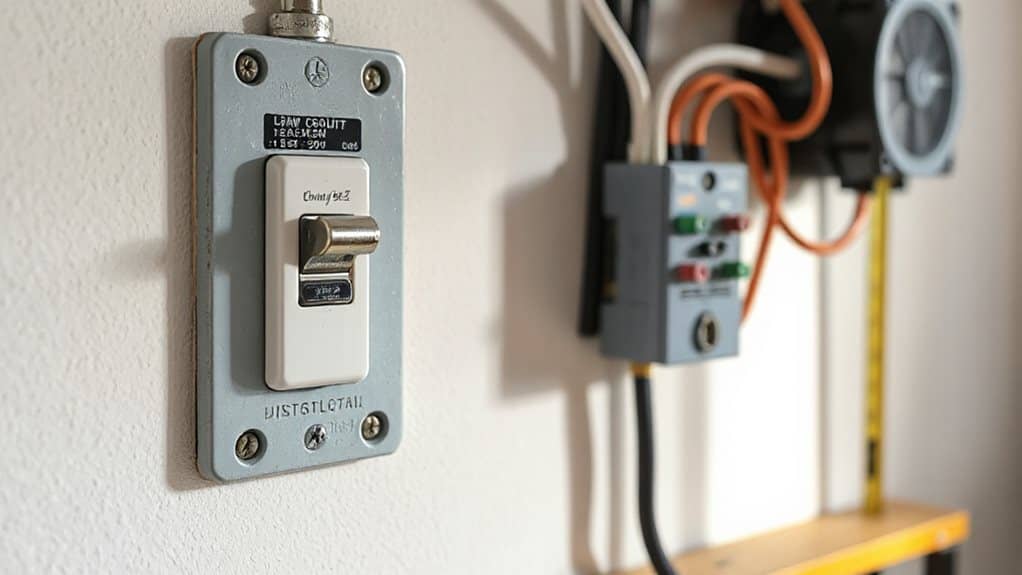
When you’re setting up a campsite kitchen and you’ve got a 15 A switch on a 20 A branch, the first thing you need to do is make sure the wiring and the load are both playing by the rules, because a mismatched gauge or an overloaded circuit can turn a cozy night into a fire‑hazard faster than a marshmallow catches flame.
Check the insulation for 12 AWG markings, measure actual draw with a clamp meter, keep continuous load under 12 A, verify the 20 A breaker trips correctly, and confirm the switch is labeled 15 A at 120 V. After heavy rain, be aware that ants may be drawn to patios and building perimeters, so protect outdoor wiring and junctions from moisture and moisture-attracted ants when installing or inspecting outdoor gear.
Common Mistakes With a 15 A Switch on a 20 A Circuit and How to Fix Them
A lot of campers think they can just slap any 15 A switch onto a 20 A line and be done, but that shortcut often leads to overheating, tripped breakers, or even a little fire‑show if you’re not careful.
You’ll usually over‑load the switch by adding too many outlets, ignore motor‑load ratings, or forget to match conductors, so double‑check load totals, pick a switch rated for the actual draw, tighten connections, and label everything to keep the campsite safe and fun. Steady conditions and proper setup, like ensuring proper airflow, help prevent overheating and failure.
Bottom‑Line Takeaways for Code‑Compliant Installations
Even though a 15‑amp switch on a 20‑amp circuit can be code‑compliant, you’ve got to treat it like a camp‑fire—keep an eye on the fuel, follow the rules, and you’ll avoid any unwanted sparks.
Remember to match 12 AWG wire to a 20‑A breaker, never exceed the switch’s 15‑A load, and inspect regularly; a qualified electrician can help you stay safe while you serve others.
Also monitor connected device loads to prevent circuit overloads and know your amp draw so you don’t trip breakers or create hazards.
And Finally
So, you’ve learned that a 15‑amp switch on a 20‑amp circuit can be safe—if you double‑check the load, use proper wiring, and respect the code, but it’s not a free‑for‑all. Remember to match the switch’s rating to the actual current you’ll draw, keep any over‑current protection in mind, and avoid the temptation to “just make it work.” In short, respect the limits, stay vigilant, and you’ll keep your lights on without a spark‑filled surprise.