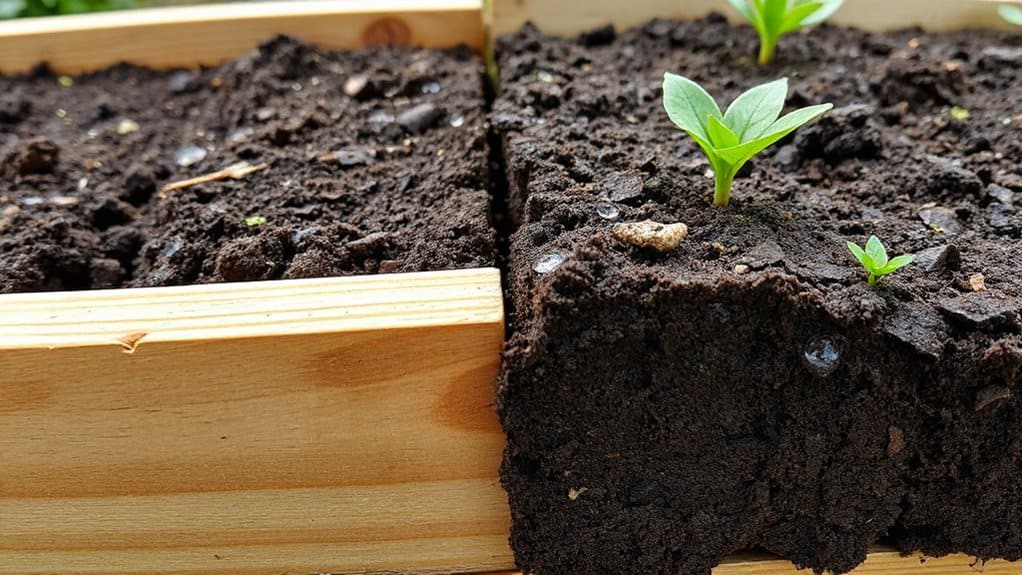
Why Raised Beds Dry Out Faster Than In-Ground Soil
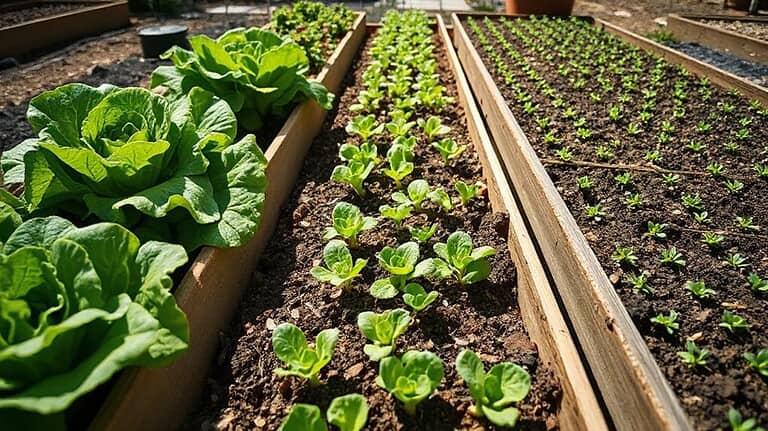
You’ve probably noticed your raised beds dry out way faster than the ground—turns out, they’re like plant saucers in a heatwave! Elevated and exposed, they catch sun from all sides, heat up quickly, and lose moisture to wind sneaking around the edges. Fluffy soil drains fast, roots can plunge deep for water, and warm, compost-rich dirt breathes out vapor like it’s hot yoga. Plus, those dark sides? They’re basically solar panels for soil. Want to know how to beat the dry-out drama? There’s a cool trick or two worth trying.
TLDR
- Raised beds lose moisture faster due to increased exposure on all sides, accelerating evaporation.
- Elevated soil temperatures from sun exposure and heat-absorbing materials speed up water loss.
- Wind reaches higher beds more easily, drying out soil through increased airflow and edge exposure.
- Fast-draining, loose soil mixes in raised beds lack the moisture retention of in-ground soils.
- Limited root depth prevents access to deeper water reserves available in traditional gardens.
Why Raised Beds Dry Out Faster Than In-Ground Gardens
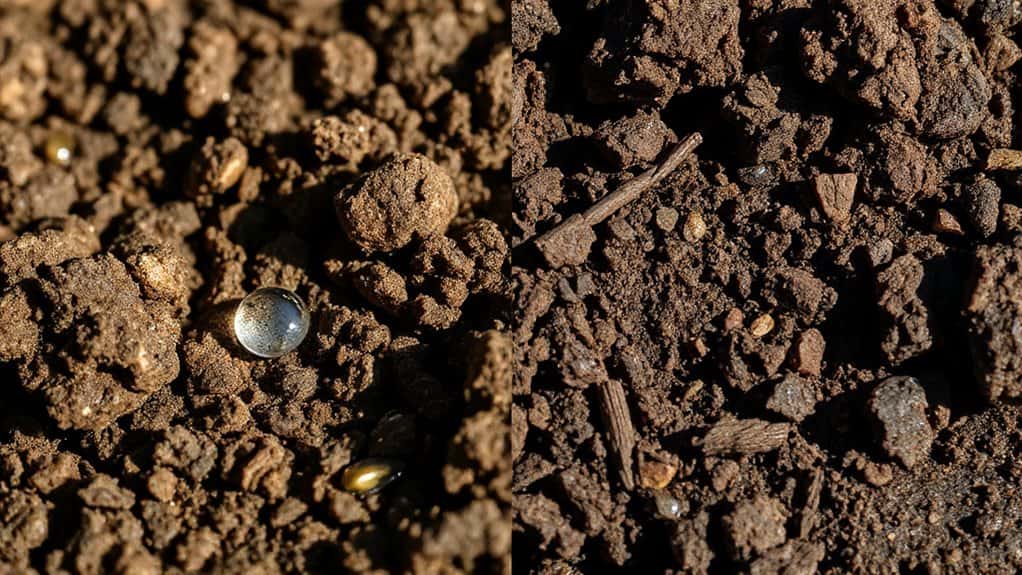
You know how when you’re camping, your water bottle empties way faster on a hot, sunny day than it does in the shade? Well, raised beds are like that water bottle in full sun—exposed on all sides, they lose moisture quickly.
Unlike in-ground gardens, they’re cut off from deeper water, have fluffier soil, and heat up faster, so you’ll need to water them more often—kind of like refilling that bottle way too many times! This happens because raised beds lack access to the deep soil moisture that in-ground plants can tap into during dry periods. Raised beds also warm earlier in spring and retain heat, which increases evaporation and can dry the soil out faster soil warming.
How Elevation Boosts Airflow and Speeds Drying
While you’re busy admiring your lush tomato seedlings or planning your next camping trip, you mightn’t notice the invisible force stealing moisture from your raised bed every single day—wind, but not just any breeze, the kind that zooms faster the higher up it goes, like air rushing over the roof of a moving car.
Your bed’s height puts soil right in that speedy airflow, stripping away damp air, drying mulch fast, and letting wind sneak in from the sides and even underneath—turning your cozy garden into a desert breeze zone!
Using durable materials like cedar or redwood and adding organic matter can help retain moisture and improve soil performance over time.
Sunlight Heats Raised Beds Faster on All Sides
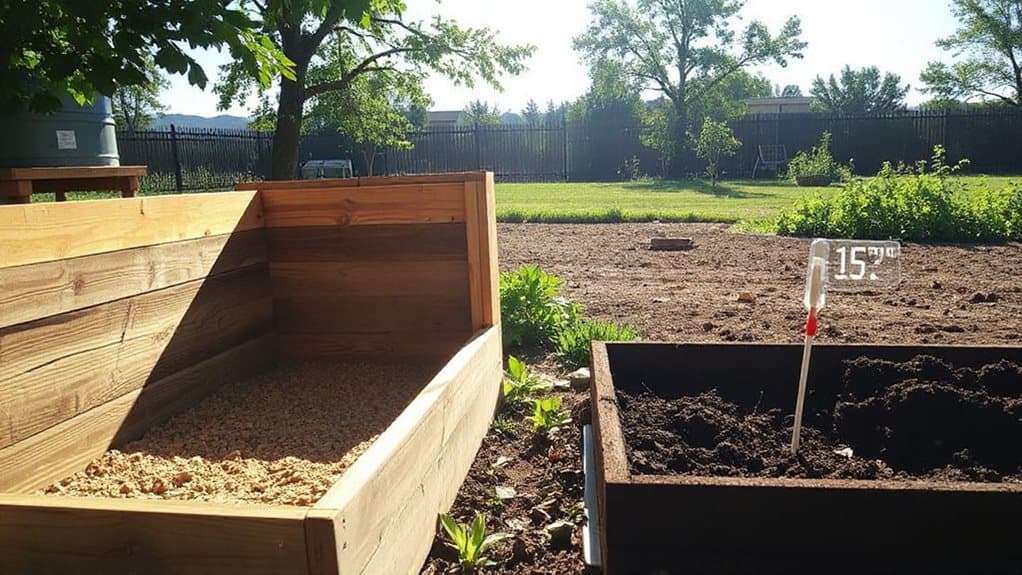
That sneaky wind isn’t the only thing turning your raised bed into a mini desert—sunlight’s got a serious role too, and it’s working overtime from every angle!
You’ve got sun blasting the top, sides, and corners all day long, like a garden in a solar sandwich.
Dark wood? It soaks up heat like a campfire rock, making soil temps jump 9 degrees over in-ground beds—talk about a hotbox!
Drip irrigation and moisture retention strategies can help counteract that extra drying.
Wind Quickly Dries Exposed Raised Bed Edges
You know how the wind feels extra strong at the top of a hill when you’re camping? Well, your raised bed edges are like tiny hilltops, totally exposed and taking the full force of the breeze, which zips across the soil and steals moisture faster than a squirrel swiping trail mix.
Unlike flat ground, those tall, open sides let wind whip around corners, drying out the soil like a camp towel flapping in the gusts—so don’t be surprised when the edges feel crispy while the center’s still damp! Adding a windbreak or edging plants can help protect those exposed sides and reduce moisture loss, especially when you apply mulch correctly around the bed.
Exposed Sides Face Wind
Usually, you’d think a garden bed is just a garden bed—but raised beds? They’ve got a sneaky secret: their exposed sides are basically drying magnets for wind!
You see, breezes whip around those vertical walls, zapping moisture faster than a tent dries after rain. Thin air layers, warmer edges, zero shade—yep, it’s like nature’s hair dryer is always on. Mulch the top? Great! But those bare sides? Still thirsty.
Airflow Accelerates Moisture Loss
So you’ve got your raised bed sitting pretty in the sunshine, looking all neat and tidy—kind of like a perfectly pitched tent at a campsite, ready for exploration.
But who knew the wind would treat it like a giant hair dryer? Those open sides catch every breeze, stripping away moisture fast—especially around the edges—so your plants get thirsty quicker. Time to rethink watering, huh?
Limited Deep Soil Access Starves Roots of Moisture
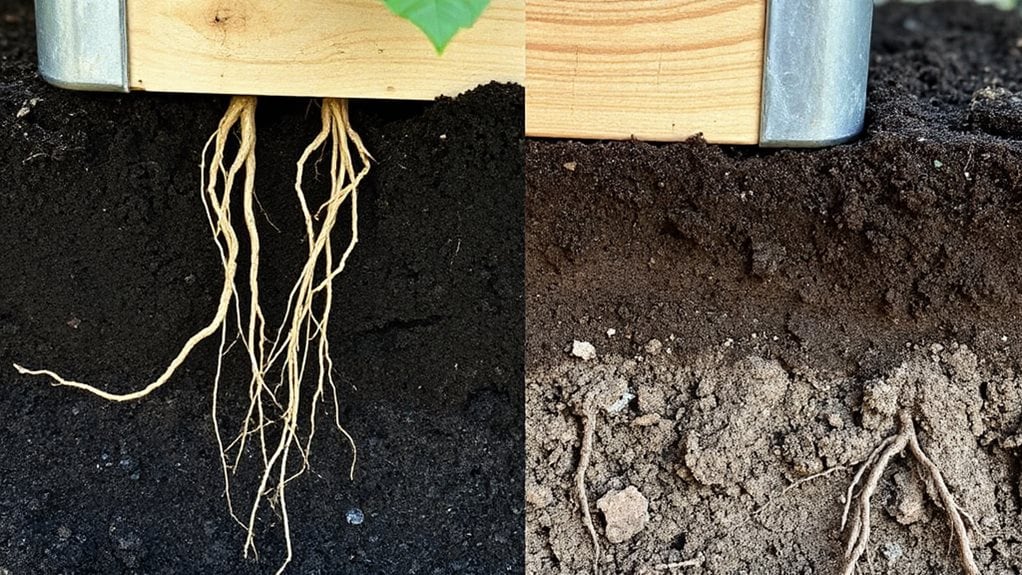
While your tomatoes might start strong in that snazzy raised bed, they’re basically camping out on a thin mattress over dry ground—sure, it’s comfy at first, but when the heat kicks in, they’re left high and dry, literally.
You’ve capped their root trek at 12 inches, while in-ground plants send roots deep—2 to 4 feet—tapping hidden water like pros.
No wonder yours wilt first! Adding an annual layer of compost and using deep watering methods can help mitigate the problem.
Gravity Drains Water Faster in Elevated Beds
You gave your plants a nice home up in that raised bed, sure—but did you ever stop to think you basically built them a water slide?
Gravity pulls water down faster up there, and without surrounding soil to slow it, moisture zips right through. Looser soil helps roots breathe, but it also means water doesn’t stick around—kind of like that time my camp coffee spilled down the hill!
Why Loose Soil Mixes Reduce Water Retention
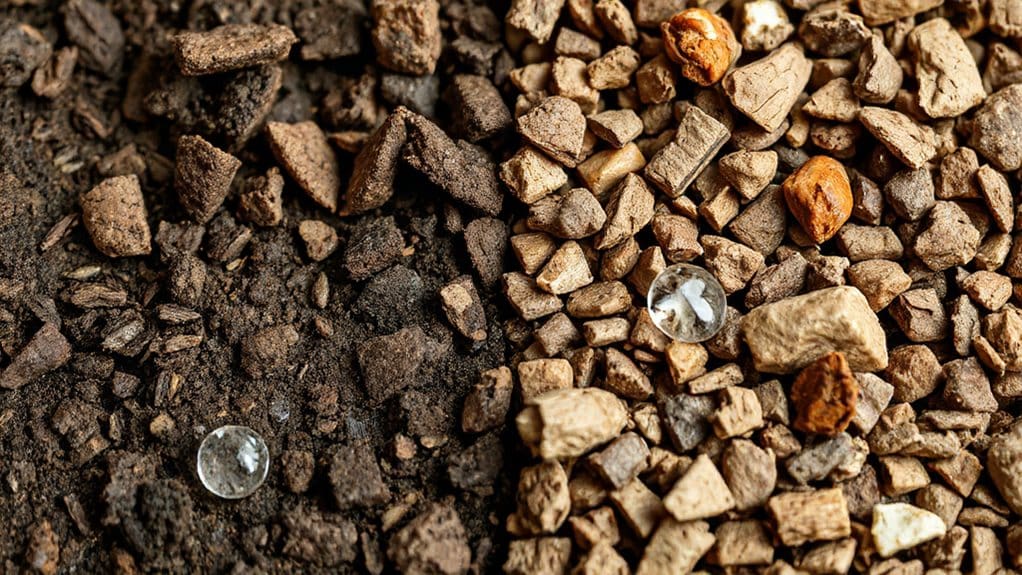
Imagine this: you pour a gallon of water into your raised bed, and *poof*—it’s gone before your tomato seedlings even have a chance to sip!
That’s because loose mixes are full of big, fast-draining pores—great for roots, but terrible for water retention.
Without enough tiny pores or clay to hold moisture, your soil’s basically a sieve.
Add compost, my friend, and watch those plants thrive!
How Compost Breakdown Speeds Up Drying
Okay, so you’ve got your fluffy, compost-rich raised bed soil—all nice and loose for those happy roots to stretch out, just like we talked about.
But guess what? All those busy microbes munching on compost are breathing out water vapor and heat, like tiny campfire engines, drying things out faster than socks on a summer clothesline—annoying, right?
Keep an eye on moisture, especially after adding fresh compost!
Temperature Swings Increase Moisture Loss
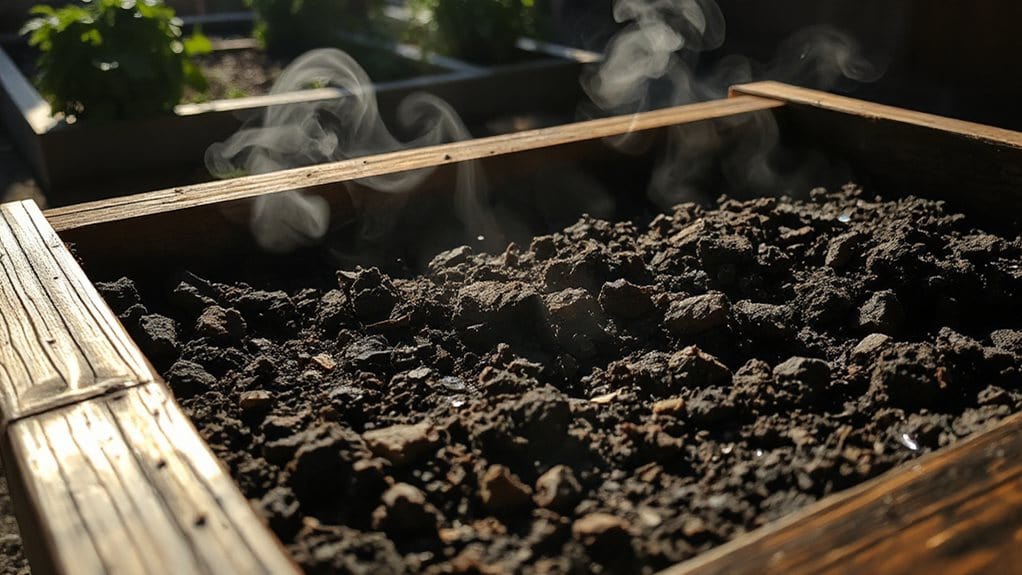
You know how your tent heats up fast in the morning sun when camping, then gets chilly the second the sun dips? That’s kind of what happens with your raised beds—they warm up quicker in spring, sure, but they also lose that heat fast when winter nights roll in, leaving the soil cooler and drier than you’d think.
Faster Spring Warming Effects
While the sun’s finally starting to stretch its legs in spring, your raised beds are already sprinting ahead—warming up faster than in-ground soil thanks to those open, boxy sides soaking up heat like beach towels on a hot slab of concrete.
You’ll notice this early warmth lets you plant sooner, which is awesome—except those keen roots face drying air and spiky temperatures fast.
Greater Winter Cooling Impact
When winter rolls in, your raised beds might as well be sleeping on a metal bunk bed in a drafty cabin—sure, they warm up fast on sunny days, but at night, they’re giving up heat like a marshmallow roaster after the fire’s out.
You’ve seen how campfires fade fast in the open, right? Same idea—those exposed sides lose heat quickly, so your soil freezes more, thaws, then freezes again, zapping moisture as vapor into the dry air.
It’s like nature’s sneaky sponge, pulling water up and away while you’re not looking!
Raised Vs Ground: Evaporation Compared
Envision this: your raised garden bed basking in the morning sun like a turtle on a log, soaking up warmth from every angle—top, sides, even the corners—while its in-ground neighbor stays cool and cozy, tucked beneath the earth like a burrito in a blanket.
You’re giving your plants a sunny spa day, but all that exposure means water zips away faster—evaporation’s sneaky, huh?
Hot Climates Make Raised Beds Dry Out Fast
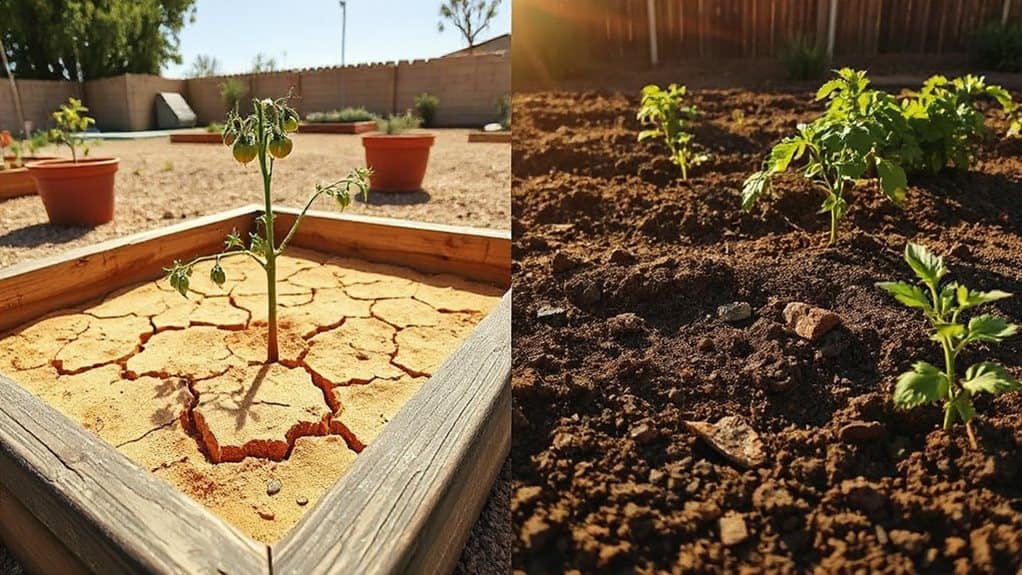
You know how your tent gets crazy hot when the sun’s been blasting it all day? Well, imagine that same thing happening to your garden—raised beds in hot climates soak up heat like a sponge, especially if they’re dark metal or wood, and that extra warmth speeds up evaporation big time.
With more surface area exposed and materials that trap and transfer heat, your soil’s basically camping in the desert without a shade tent, so you’ve gotta keep an eye on moisture or risk turning dinner into dust!
Increased Sun Exposure
Even if you’re not a sun worshipper, your raised bed definitely is—especially in hot climates, where it basks in sunlight from *all* directions like it’s trying to get an all-over tan.
You’ve seen how pavement heats up, right? Now imagine that around your plants! Those vertical sides soak up rays, while nearby walls bounce even more heat and light onto the soil—talk about a solar sandwich!
Higher Evaporation Rates
When the sun’s blazing like a campfire under a cloudless sky, your raised bed isn’t just warming up—it’s practically throwing a pool party for evaporation, and your poor plants are left high and dry.
Dark metal beds heat up fast, cranking soil temps to over 100°F, speeding up moisture loss—25% gone in no time!
You’ve gotta check daily, especially in Arizona heat, or your veggies will throw a drought tantrum.
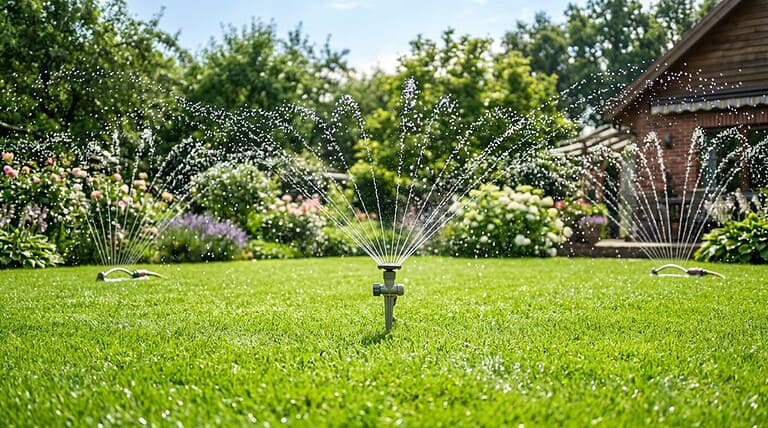
Drip lines? Gold. Sprinklers? Not so much.
Limited Moisture Retention
Though they look like garden castles rising above the backyard, those raised beds are actually playing a sneaky game of moisture hide-and-seek—especially when the sun turns up the heat like a blowtorch on a summer afternoon.
You’ve filled them with fluffy, fast-draining soil, right? Great for roots, sure—but that same fluff dries out fast, leaving plants thirsty. Without deep, cool soil underneath to help rehydrate it, your bed’s like a sponge on a hot rock: all exposure, no backup.
Time to mulch heavy and check moisture daily—your plants are counting on you!
Overall
So yeah, raised beds dry out faster—no surprise now, right? All that airflow, full sun, and windy sides act like nature’s hair dryer. Plus, shallow soil means roots can’t plunge deep when they’re thirsty. I learned this the hard way camping in Arizona—my tomatoes nearly turned to raisins! But hey, now you know: water more, mulch heavily, and maybe side-eye your compost when it gets too enthusiastic. Happy gardening, desert warrior!