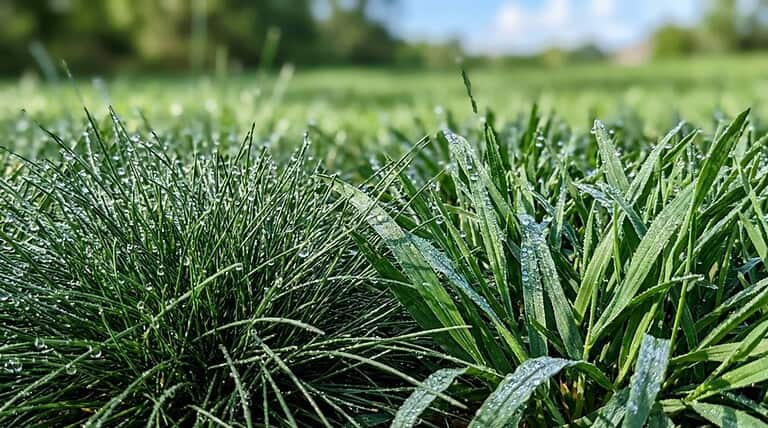
Does Grass Seed Need Sunlight to Germinate?
Yes—most grass seeds, especially light‑loving types like perennial ryegrass and tall fescue, need a few hours of sunshine or bright artificial light to tell them they’re near the surface, so they can push through the soil; the light acts like a GPS signal, while too much sun can dry the seedbed and stall germination, so you’ll want to plant shallow (about a quarter‑inch deep), keep the soil moist, and maybe use a light straw mulch to protect seedlings without blocking rays, and if you keep going you’ll discover the tricks for timing, watering, and avoiding common pitfalls.
TLDR
- Many grass seeds are positively photoblastic, requiring direct light exposure to trigger germination.
- Perennial ryegrass and tall fescue need 4–6 hours of sunlight, while fine fescues can germinate with just a few hours.
- Planting seeds shallow (≈¼ inch) and using light mulch ensures light reaches the seed and promotes sprouting.
- Soil temperature must be at least 50 °F; adequate moisture and temperature must accompany light for successful germination.
- Shallow planting, proper watering, and avoiding deep burial prevent light blockage and improve germination rates.
Do Grass Seeds Need Sunlight to Germinate?

Ever wondered whether grass seeds actually need sunlight to kick off their little life‑journey? You’ll find they do—light signals where they’re buried, helps them gauge emergence, and speeds growth when moisture and temperature cooperate, but too much sun dries soil, stalling germination. Keep seeds shallow, monitor light with sensors, and use shade nets if it’s scorching, so your lawn thrives like a well‑planned campsite. Soil temperature must reach at least 50°F for most seeds to germinate successfully. Test your soil first to check for compaction and pH issues that can still prevent successful germination even with proper light.
Which Grass Species Require Sunlight to Germinate?
You’ll find that some grasses, like perennial ryegrass and tall fescue, practically beg for at least four to six hours of sunshine to kick off their germination, so make sure you plant them where the sun can’t be blocked by an oak.
other Other varieties, such as fine fescues and hard fescue, are more chill and can sprout with just a couple of hours of light, which is perfect for shady spots you might encounter on a camping trip.
Regular maintenance like deadheading and removing spent blooms helps keep garden plants healthy and reduces disease risks.
Light‑Dependent Grass Seeds
So, which grass species actually need sunshine to kick‑off their germination party? You’ll find that most Neotropical savanna grasses—eight of eleven tested—are light‑dependent, so without at least ten hours of bright light their seedlings turn abnormal or just don’t appear.
Positive photoblastic seeds, especially tiny thin‑coated ones, need direct sky exposure or strong artificial light, with red wavelengths sparking phytochrome activation.
Non‑Light‑Dependent Grass Seeds
Even if you think sunshine’s the only ticket to a grass seed’s party, some species totally ignore the light‑show and just roll with the darkness. You’ll find two native savanna grasses and one invasive that germinate just fine underground, so their seedlings pop up even in shady campsites; they don’t need your flashlight, just moisture, oxygen, and the right temperature.
How Does Planting Depth Affect Sunlight Exposure?

Ever wondered why a tiny grass seed needs just the right amount of soil to soak up sunlight? You’ll find that planting at about a quarter‑inch lets sun pierce the soil, while deeper than half‑inch blocks it, slowing sprouting.
Light mulch or straw keeps seeds shallow, protecting them yet letting rays in, so they germinate faster and stay healthy.
What Soil Temperatures Support Sunlight‑Dependent Germination?
Ever wonder why your backyard grass sprouts faster when the soil feels warm, almost like a cozy campfire under a tent?
You’ll need soil at least 50‑55°F (10‑13°C) at 2‑inch depth, ideally 55‑65°F for cool‑season types like fescue or ryegrass, and 65‑75°F when air hits 60‑75°F.
Measure mid‑morning, keep it moist, and watch those seeds wake up!
Changing seasonal patterns can also shift plant and insect timing, which affects garden pollination and ecosystem services like pollination.
When Is the Best Season for Sunlight‑Dependent Grass?

Now that we’ve nailed the perfect soil temperature, let’s talk about the season that gives your grass the best chance to soak up sunlight and thrive.
You’ll find early fall, from late August to mid‑October, ideal for cool‑season grasses—soil stays warm, rains are steady, and weeds are sleepy.
If you’re in a warm‑season zone, aim for late spring when soil hits 65‑70°F, giving seedlings a 90‑day head start before fall frost.
Summer heat and intense sunlight can accelerate UV and heat damage to exposed seedlings and their moisture-retaining mulch, so monitor watering and shading as needed.
How to Seed for Maximum Sunlight Access?
You’ll get the best sunshine for your grass by planting the seed just a whisker under the surface and arranging the rows north‑south, which lets every blade catch the sun’s rays as it arcs across the sky.
Have you ever noticed how a campsite set up that way gets the most light for cooking and chatting?
Early planting can expose seedlings to frost damage, increasing the risk they’ll need extra resources to recover.
Plant Seed Shallow
Why worry about burying your grass seed too deep when you can give it a sunny, shallow start that feels like setting up a campsite on a perfect meadow? Plant seeds ¼‑½ inch deep, firm the bed with a roller, and keep soil moist but not soggy. Light‑loving seedlings need three‑four hours sun daily—use a shade net if it gets too hot, and enjoy watching them sprout like campfire sparks.
Align Rows North‑South
Ever wondered why campers always set up their tents north‑south to catch the sunrise and sunset? You’ll find aligning grass rows north‑south lets each seed soak even light throughout the day, preventing hot spots that dry soil, so you can monitor moisture, temperature, and shade nets more easily.
Try planting in parallel lines, check the sun’s path, and adjust spacing—your lawn will thank you, and your neighbors will marvel at the uniform, {vibrant} green.
How Should You Water Light‑Sensitive Grass Seed?
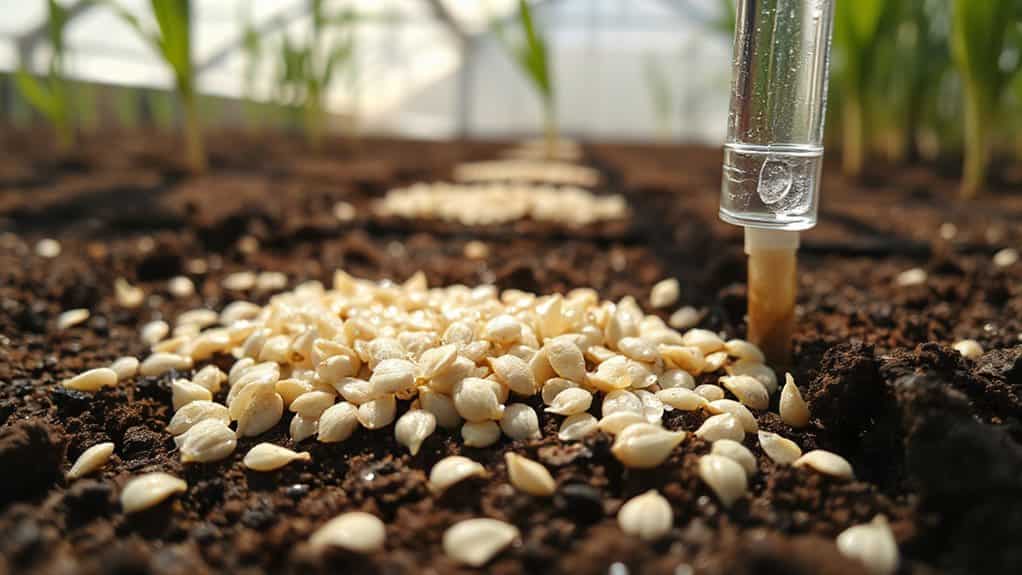
Ever wondered why light‑sensitive grass seed needs a special watering routine, and how you can nail it without turning your yard into a soggy swamp?
Water lightly three times daily—morning, mid‑day, evening—for the first two weeks, using five‑minute bursts that keep the seedbed damp but not drenched.
Adjust for heat, check moisture often, and enjoy watching seedlings thrive.
What Common Mistakes Block Sunlight and How to Fix Them?
Ever wondered why your freshly‑sown lawn looks like a dark, soggy swamp instead of a sunny carpet? You’re probably planting too deep, stacking heavy soil, or using a roller that buries seeds, so light never reaches them.
Keep seed depth under 15 mm, lightly pat the surface, and ditch thick mulch.
Also, clear weeds before sowing to avoid shade and let sunlight do its magic.
Can You Use Straw or Mulch Without Hiding Sunlight?

Can you really cover your freshly‑sown lawn with straw or mulch and still let the sun do its job? Yes—if you spread a thin 1/8‑to‑1/4‑inch layer of salt‑free straw, you keep moisture while letting 80 % of light through, so seedlings stay happy.
Light organic mulches like peat work similarly; just avoid thick wood chips or synthetic covers that block sun.
Rake lightly after germination, and watch your grass thrive.
What’s the Quick Checklist for Poor Sunlight Germination?
So you’ve figured out that a thin blanket of straw can still let the sun work its magic on your new lawn, now let’s tackle the real challenge: getting those little seeds to sprout when the light is shy. Check soil temperature (50‑65°F for cool‑season, 65‑70°F for warm‑season), pick shade‑tolerant varieties like fine fescue, keep seed depth shallow (¼‑½ in), maintain firm, moist seedbed, and monitor moisture daily—then watch those brave sprouts push through!
Overall
So, you’ve nailed the basics—sunlight’s a biggie for many grass seeds, but not every species needs a spotlight to sprout. Remember to plant at the right depth, keep the soil warm, and water consistently; a thin mulch layer can protect without choking the light. If you’re still stuck, double‑check your timing and soil texture, and don’t forget to give those seedlings a little love. Happy planting, and watch your lawn turn into a green journey!