HOA Rule Enforcement Timeline Explained
So, your HOA notice showed up like an uninvited campfire guest—now what? Usually, you’ve got 10 to 30 days to fix it, like trimming that jungle of grass or finally taking down those holiday lights. They start with a warning, not a fine, so breathe! The board checks the rules, sends a note, and you get a shot to respond. Miss that window? Things heat up—fines, hearings, maybe even lawyer letters. But hey, staying calm and acting fast keeps it from turning into a full-blown backyard blowout. Want to know how to talk back without the drama? There’s a smart, friendly way through it.
TLDR
- HOA enforcement typically starts with a warning notice for violations like overgrown lawns or unapproved changes.
- Homeowners usually have 10–30 days to correct issues before further action is taken.
- The board reviews violations, checks governing documents, and votes before issuing formal notices.
- Failure to comply may lead to fines after a hearing, with penalties escalating over weeks or months.
- Mediation or written response can prevent escalation; legal action is a last resort for unresolved cases.
What Triggers an HOA Violation?

While you’re out there living your best neighborhood life—grilling on the patio, hosting game night, or finally tackling that backyard makeover—there’s a whole set of invisible rules quietly keeping the peace (and the property values) intact.
Did you know overgrown grass, loud gatherings, or even your cool new purple front door could spark a violation? Yep, HOAs watch for things like trash overflow, unapproved fences, or pets running free, or holiday lights left up past the deadline—tiny missteps that neighbors might report, hoping everyone plays fair. Unauthorized exterior changes can trigger formal notices and fines if not approved by the HOA in advance. HOA enforcement typically follows the association’s governing documents and state law before imposing penalties.
How the HOA Board Starts the Process
So, you’ve got that fun weekend BBQ planned, but guess what? The board first meets to review any reported issues—like your inflatable flamingo collection—checking if it’s a mistake or legit.
They vote, gather photos, and follow the rules in your CC&Rs, all before sending a friendly warning letter. Fairness first, always! They may also consider whether the issue involves community aesthetics and document perceived impacts before deciding next steps.
Your First Warning: What the Letter Means

So, you got your first warning letter—don’t panic, it’s not the HOA’s version of a camping trip gone wrong where the bears win!
This note’s actually a friendly heads-up that something, like tall grass or a rogue satellite dish, doesn’t match the rules, and hey, you’ve usually got 10 to 30 days to fix it, depending on how big the issue is—think of it like a grace period before the fines start rolling in like uninvited RVs at a quiet campsite.
Just check the details, snap into action, and you’ll be back in good standing before you can say “s’more compliance, please!” A timely response is important because HOAs are generally expected to reply within a reasonable timeframe to homeowner communications.
First Notice Explained
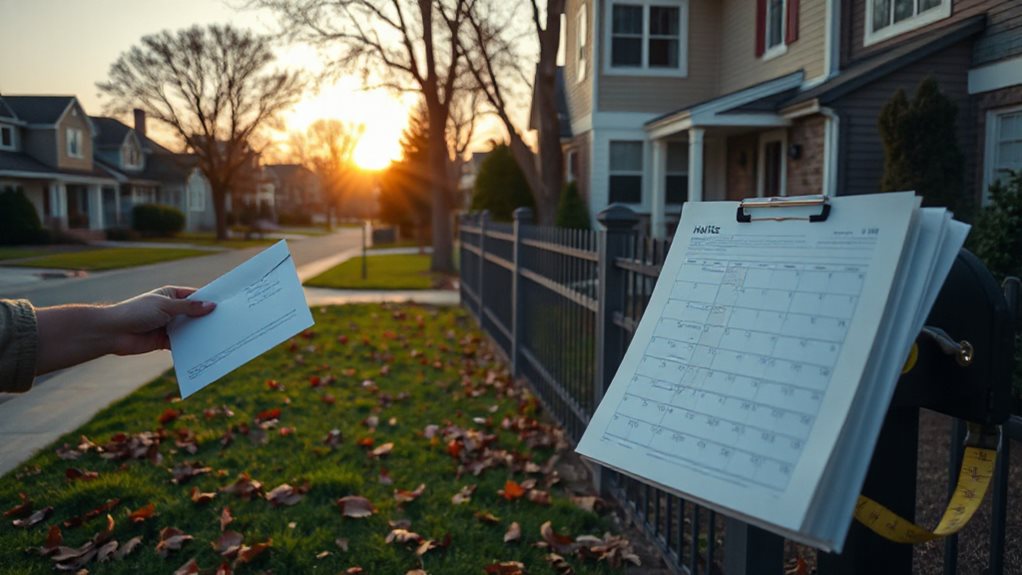
When that envelope with the HOA logo shows up in your mailbox, your heart might do a little backflip—don’t panic, though!
It’s just a heads-up, like when your camping buddy points out a loose tent strap before the storm hits.
This first notice? It’s friendly, clear, and fair—telling you what’s off, which rule needs love, and how to fix it, all with a smile.
Compliance Deadline Details
While you’re not exactly getting a golden ticket in that HOA envelope, think of it more like a trail map pointing you toward smoother hiking ahead—because that first warning letter? It’s your compass!
You’ll see the rule broken, photos (if snapped), and a clear deadline—usually 10–30 days—so you can fix things fast, like patching a tent before the rain hits.
Act now, avoid fines, and keep your community campfire peaceful and drama-free!
How to Respond in the 30-Day Window
Don’t let the 30-day window slam shut on you like a camper door in a windstorm—nobody wants that surprise smack to the face!
You’ve got to act fast, in writing, and include every detail, whether it’s about debt proof or saying “we’re buying” for ROFO.
Mark your calendar, send it with a paper trail, and keep copies—trust me, they’ll save your campfire story later!
Remember that many HOA powers — including fee collection and enforcement — are grounded in the recorded governing documents, so reference them when you respond.
How to Request a Hearing After a Violation

So you got a violation notice—bummer, I know, kind of like showing up to a campout and realizing you forgot the marshmallows.
But hey, you’ve got rights, and you can absolutely request a hearing to explain your side, just like arguing why pineapple totally belongs on pizza.
Grab your docs, snap a photo of that overgrown hedge (if it’s even yours!), and send a polite but clear letter to the HOA—certified mail, because proof is everything when you’re defending your lawn—or your love of tropical vacations in citrus form. A good next step is to review your governing documents and HOA towing authority so you know what rules and procedures the association must follow.
Requesting A Hearing
If you’ve just gotten that not-so-fun letter saying you’re in violation of an HOA rule—maybe your trash cans were out too long or your new paint color *dared* to exist without approval—don’t panic, because you’ve totally got this, especially since you can request a hearing and make your case like a pro.
Grab your documents, write a clear, polite note referencing the notice, explain why you’re disputing it, and ask for a spot at the next meeting—boom, you’re already winning.
Hearing Process Overview
While you’re probably not jumping for joy at the idea of facing an HOA hearing—kind of like how you wouldn’t exactly cheer at the thought of setting up a tent in the rain—think of it this way: it’s actually your golden moment to speak up, clear the air, and show you’re not just some rule-breaking rebel without a cause (even if your new front door *is* technically “Barn Red” instead of “Colonial Mauve”).
You’ve got the right to attend, share your side, bring an attorney, and even submit photos or receipts—so pack your proof like you’re prepping for a camping trip, because this is your chance to shine, be heard, and maybe even walk away with a win.
When Fines Begin: Penalties and Appeals
Once you’ve gotten that first written notice about a rule violation—maybe your trash cans were left out a day too long or your lawn’s looking a little *too* wild like it’s auditioning for a survival show—don’t panic, but do pay attention, because this is where the HOA’s fine process really kicks into gear, kind of like how you’d double-check the tent stakes before a big camping trip in case a surprise gust rolls in.
You’ll usually get 30 to 35 days to fix it—phew, right?—and if you don’t, fines start, but only after a hearing where you can share your side, like explaining why the raccoons knocked over your bins (again).
Stay calm, stay kind, and remember: most fines begin small, like $25, so quick fixes keep things friendly for everyone.
Second Notice: When the HOA Turns Serious

Alright, so you got that first notice—maybe your grass grew a little jungle-y or your trash cans pulled a disappearing act (or rather, a *not-disappearing-enough* act)—and you thought, “Eh, I’ve got a few weeks, no biggie.”
But now, if you’re still playing the waiting game, here comes the second notice, and this one’s like the HOA switching from a friendly tap on the shoulder to a slightly firmer nudge, kind of like when your camping buddy says, “Uh, you *do* remember we need to pack out all our trash, right?” for the second time.
This isn’t just a reminder—it’s official, it’s documented, and it means they’re serious about keeping the neighborhood clean and fair for everyone. You’ve still got time to fix it, but act fast—this step means fines could be next if you don’t respond.
When the HOA Hires a Lawyer: What to Expect
So, you’ve ignored the first notice, maybe even the second—hey, we’ve all been distracted by life, like when you’re so busy packing for a camping trip that you forget to take down the holiday lights (guilty as charged)—but now things are kicking up a notch because the HOA’s brought in the big guns: a lawyer.
You’ll get a formal demand letter, probably from their attorney, and that’s your cue to act—don’t panic! This is serious, sure, but totally manageable.
You’ve got options: respond, negotiate, or pursue mediation (which, honestly, saves everyone time and stress).
Remember, they’re not out to get you—they’re just doing their job, like a park ranger making sure no one leaves trash on the trail.
Stay calm, get informed, and consider calling your own legal help; teamwork makes the dream work, right?
How Long HOA Enforcement Takes
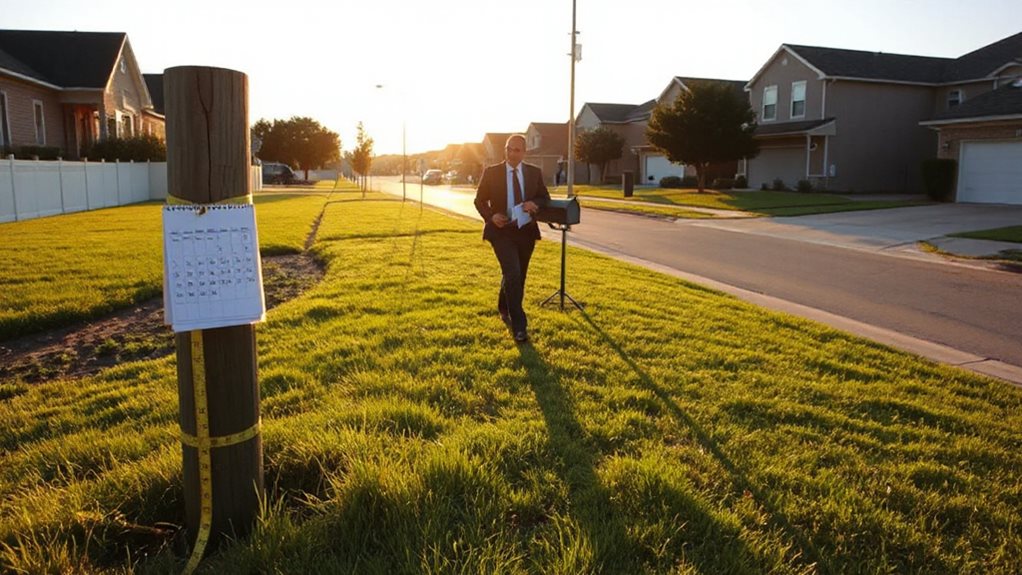
Envision this: you’re knee-deep in planning your next big camping excursion—tent staked, cooler packed, trail map printed—when suddenly, an HOA notice lands in your mailbox like an unexpected downpour on a sunny hike.
Don’t panic! Most enforcement starts with a warning, giving you 10–14 days to fix things; serious steps, like fines, take weeks, even months—plenty of time to course-correct before trouble rolls in like storm clouds.
Overall
So, you’ve nailed the HOA rules, dodged fines, and maybe even charmed the board at a hearing—congrats! Think of it like prepping for a camping trip: forget the marshmallows, and you’re sad; ignore HOA rules, and you’re fined. But hey, you’ve got this! Stay alert, respond on time, and keep your cool. Who knew rule-following could feel like earning a badge? Now go enjoy that perfectly parked RV—you’ve earned it, trailblazer!