
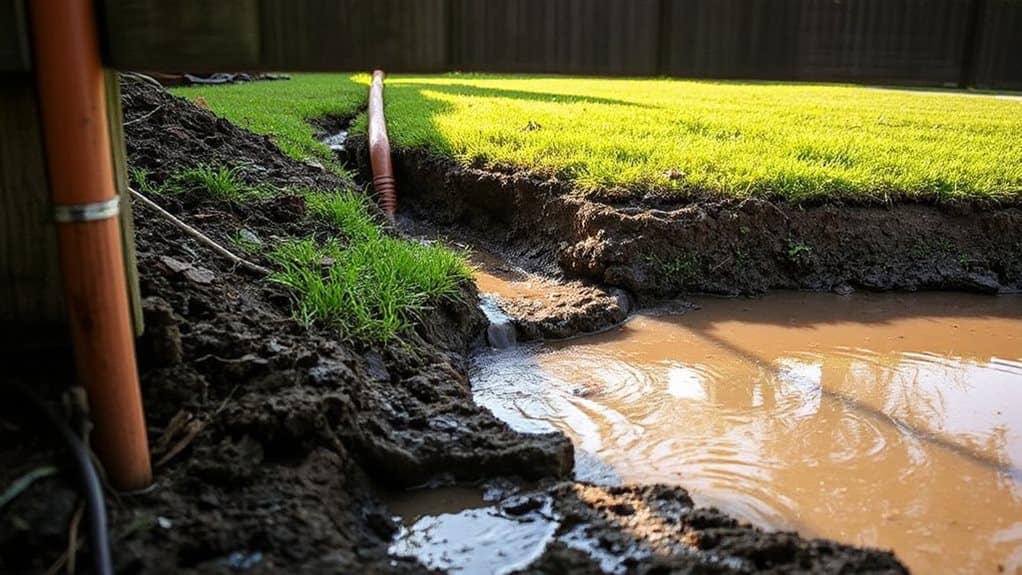
Can Neighbors Legally Drain Water Into Your Yard
So, can your neighbor just channel water into your yard like it’s their own personal splash zone? Not if it causes real damage—sorry, not sorry. They can’t regrade land or aim downspouts at your house if it leads to soggy lawns, eroded soil, or cracked foundations. Courts look at whether their actions are reasonable, not just legal on paper. And hey, while they’re allowed some runoff from roofs or driveways, intentionally flooding your fortress of solitude? Big no-no. Stick around—there’s more where that came from.
TLDR
- In most states, neighbors cannot legally divert water onto your yard if it causes substantial damage.
- Courts evaluate whether drainage changes are reasonable and if harm was foreseeable.
- Directing roof or surface runoff through downspouts or grading onto adjacent property may be deemed illegal.
- Temporary wetness without damage typically isn’t actionable; structural or erosion damage is required for claims.
- Document issues, consult an attorney, and seek remedies like repairs or compensation if harm occurs.
Can Your Neighbor Legally Divert Water Onto Your Property?
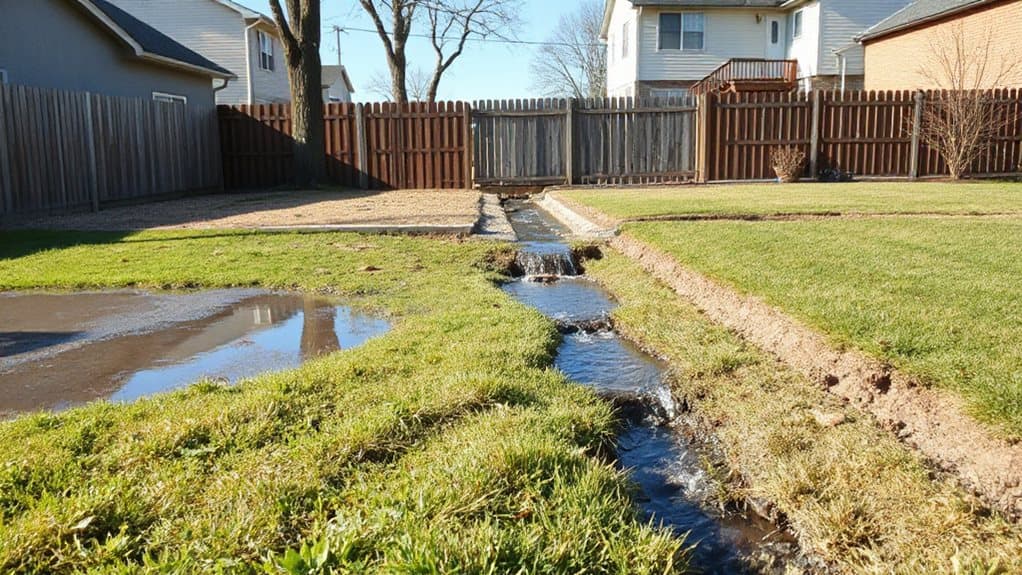
So, imagine you’re out back, maybe firing up the grill or prepping for a little camping-style hangout in your own backyard, when suddenly you notice a slow river creeping across your lawn—except, uh, it’s not supposed to be there.
Yeah, your neighbor probably can’t legally divert water onto your property if it causes real damage, especially if they’re funneling it right at you with downspouts or berms.
Most places say, “Hey, reasonable use is cool, but don’t flood your buddy’s basecamp!” Courts look at whether the drainage change is fair, normal, and done with care—so if their “fix” turns your yard into a swamp, they might owe you more than just an apology!
Under Texas law, it’s illegal to alter natural water flow in a way that causes damage, and diverting surface water can lead to legal liability. State rules generally hold landowners responsible for preventing harmful changes to drainage, so you may have remedies under Texas law.
Does the ‘Common Enemy’ Rule Let Neighbors Flood Your Yard?
While you’re out there dreaming of weekend camping trips and perfect s’mores, the last thing you want is your backyard turning into an unplanned lake thanks to your neighbor’s drainage choices—and believe it or not, there’s actually a centuries-old legal idea called the “common enemy” rule that *might* let them get away with it.
But hold on—this rule isn’t a free pass to flood your yard like a splash zone at a water park! Your neighbor can’t collect and blast water your way, block natural streams, or act carelessly. Courts nowadays often say, “Be reasonable!” So while they can reroute rain runoff from their roof or driveway, they can’t turn your lawn into a backyard river rapid without consequences. Contact a local attorney to understand your rights under state law.
When Is a Neighbor’s Water Diversion Unreasonable?
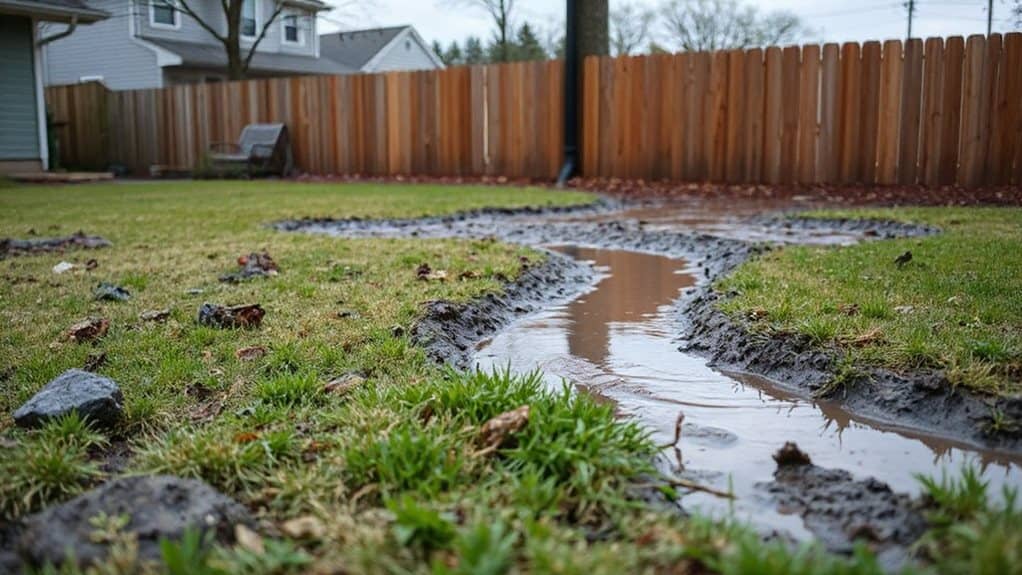
If your neighbor’s “brilliant” backyard regrade suddenly turns your favorite camping spot—uh, we mean your *actual* yard—into a swampy mess every time it rains, you’re probably wondering whether they’ve crossed a legal line.
Did they *intend* to flood you? Was harm foreseeable? Did they ignore simple fixes like drains or grading adjustments? If they acted recklessly, skipped basic care, or violated local rules, their actions likely qualify as unreasonable—and yes, you’ve got grounds to speak up and make things right. HOA rules and recorded covenants can sometimes govern drainage and grading changes, so check your community’s governing documents for applicable provisions.
What Actions Are Illegal in Residential Drainage?
So, you think redirecting all that rainwater from your roof straight into your neighbor’s yard is a smart move? Think again—slapping in a new driveway or downspout that sends a mini flash flood their way isn’t just inconsiderate, it’s flat-out illegal if it messes with natural drainage.
And hey, I learned the hard way during a camping trip that rerouting nature’s flow always ends with soggy tents—or in this case, soggy lawsuits!
Proper drainage and backfilling with gravel, crushed stone, or sand are essential to prevent water buildup and property damage, so always address drainage and backfill before making changes that affect runoff.
Altering Natural Water Flow
Envision this: you’re out back, grilling burgers and dreaming of your next camping trip when—*whoosh!*—a mini flash flood from your neighbor’s yard turns your grass into a swamp.
Yikes! If their grading or drain changes send extra water your way, causing real harm, that’s likely illegal under “natural flow” rules—sorry, no backyard whitewater rafting allowed!
Concentrating Runoff With Structures
Envision this: you’re out back, roasting marshmallows for s’mores after a long week of dreaming about your next hiking trip, when suddenly—*sploosh!*—a gush of water bursts from a pipe at your neighbor’s fence line and turns your cozy backyard oasis into a muddy lagoon. Yikes!
Sending runoff their way using pipes, swales, or drains? Often illegal. They can’t just collect rainwater and blast it onto your land—especially if it causes flooding, erosion, or soggy tents. Most places say: keep it on your property, spread it out, or soak it in. Permits? Usually needed. Unpermitted drains? Big no-no. Be kind, be smart—don’t turn your yard into a surprise river for others!
What Counts as Substantial Harm From Neighbor’s Runoff?
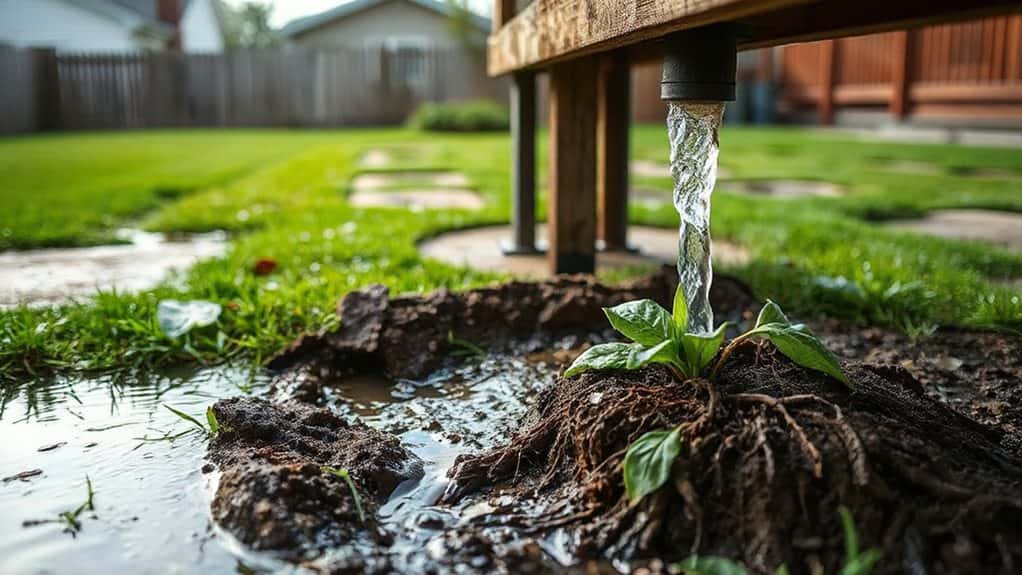
While you’re out there dreaming of weekend camping trips and sipping lemonade on your back deck, the last thing you want is your neighbor’s runoff turning your yard into a swampy mess that’d make a frog say, “Whoa, too much!”
But here’s the real deal: not every puddle or soggy patch counts as *substantial harm*—courts and laws care about real, measurable damage, not just a little extra mud on your boots after a storm.
Think cracked foundations, eroded soil, or flooded basements—actual problems that cost real money to fix.
If water’s being piped, pooled, or redirected unnaturally onto your land and it’s wrecking your yard or home, that’s when it crosses the line from annoying to actionable.
You may also need to consider whether the runoff is causing ongoing erosion problems that could require professional repair.
What Should You Do If Your Neighbor’s Drainage Damages Your Yard?
So your backyard’s turning into a mini swamp every time it rains, and yeah, it’s way less fun than setting up a tent by a peaceful lake like you’d want for your next camping outing—especially when you realize the water isn’t just showing up on its own, but marching over from your neighbor’s yard like uninvited guests at a cookout.
Snap photos, talk kindly but clearly with your neighbor, map where water flows, and consider pros like engineers to help fix it right—because nobody signed up to host a backyard lake party they didn’t plan!
Can You Sue Your Neighbor for Water Damage: and Get Paid?
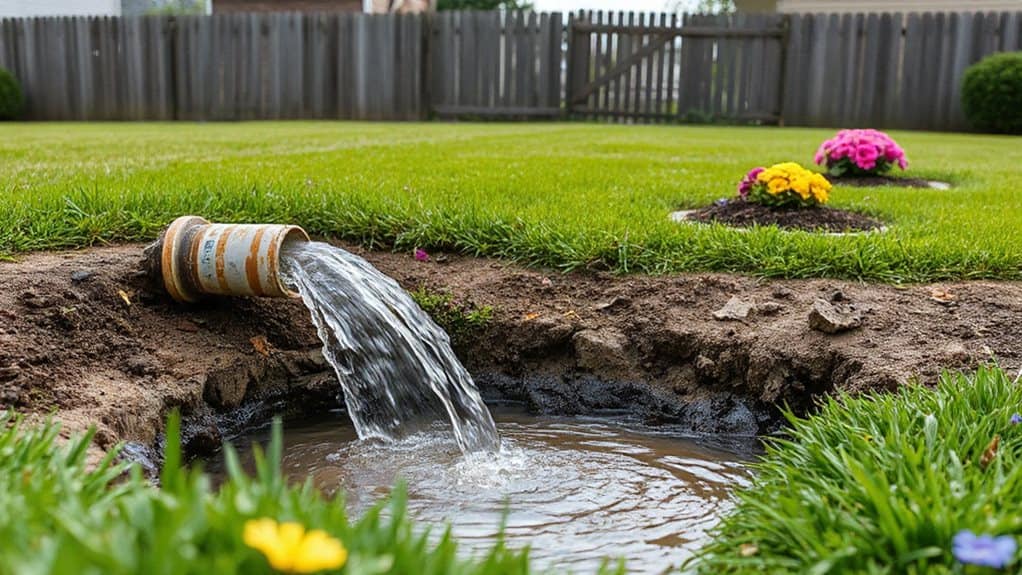
If your backyard’s turned into a soggy mess every time it rains—thanks to your neighbor rerouting water like they’re directing a nature documentary you didn’t sign up for—you might be wondering, “Can I actually sue them and get some cash to fix this swamp I’m now calling a lawn?”
Good news: yes, you *can* take legal action, and yes, you might actually get paid, depending on the situation.
Overall
So, can your neighbor really send a river through your yard? Not legally, no—unless you’re secretly running a water park. Most rules say they can’t dump runoff just because it’s “easier.” If their drain turns your lawn into a swamp, speak up, document it, and yeah, you might even sue. Fair warning: soggy grass kills camping vibes fast. Been there, pitched a tent, watched it float away. Don’t let that be you!





One Comment