What Does a Black Spot on Your Bearded Dragon Mean?
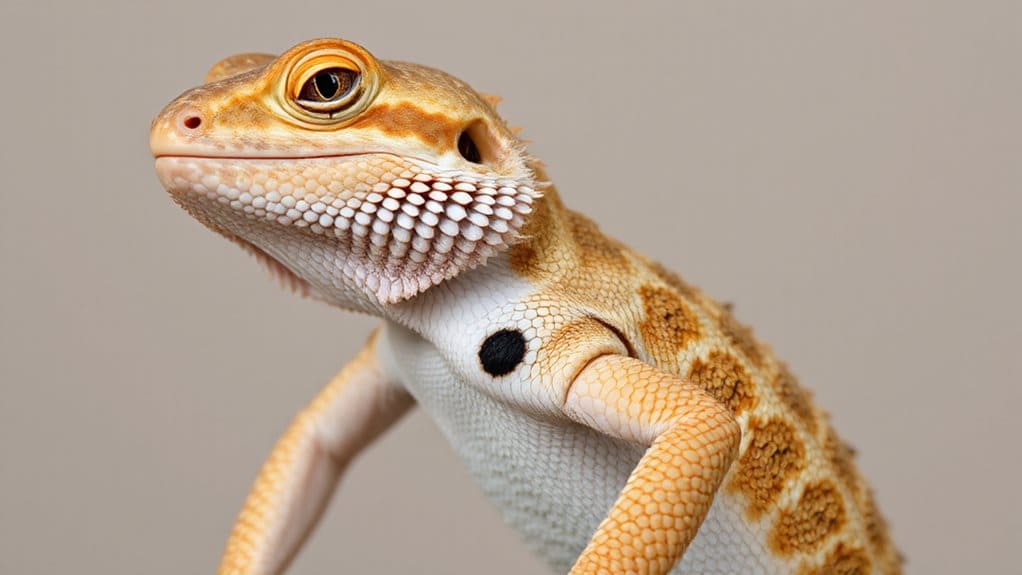
A black spot on your bearded dragon can mean a bunch of things—maybe a stress mark from a sudden temperature swing, a bruise from a bump, or the early stage of an infection or fungus, so check the size, texture, and any extra symptoms like loss of appetite or lethargy; if it’s a dark, uneven patch that stays after a shed, it’s probably stress, but a solid, spreading black area that crusts or oozes is a red flag; quick fixes like adjusting heat, UVB, or handling can help, yet a vet may be needed for persistent or worsening spots, and if you keep going you’ll find more about spotting and caring for these cool critters.
TLDR
- Black spots can signal infection, trauma, or parasites and may become serious if they grow, ooze, or crust.
- Stress‑related dark marks appear during shedding, temperature changes, or handling and usually fade after conditions improve.
- Inadequate heat gradients or overheating can cause dark patches on the belly, limbs, or beard, often accompanied by lethargy.
- Yellow fungal infections may mimic black spots; look for crusty, flaky texture that does not wash off and consider veterinary testing.
- Persistent, spreading black patches, especially with loss of appetite or open‑mouth breathing, require prompt veterinary evaluation.
What Is a Black Spot and Why It Matters
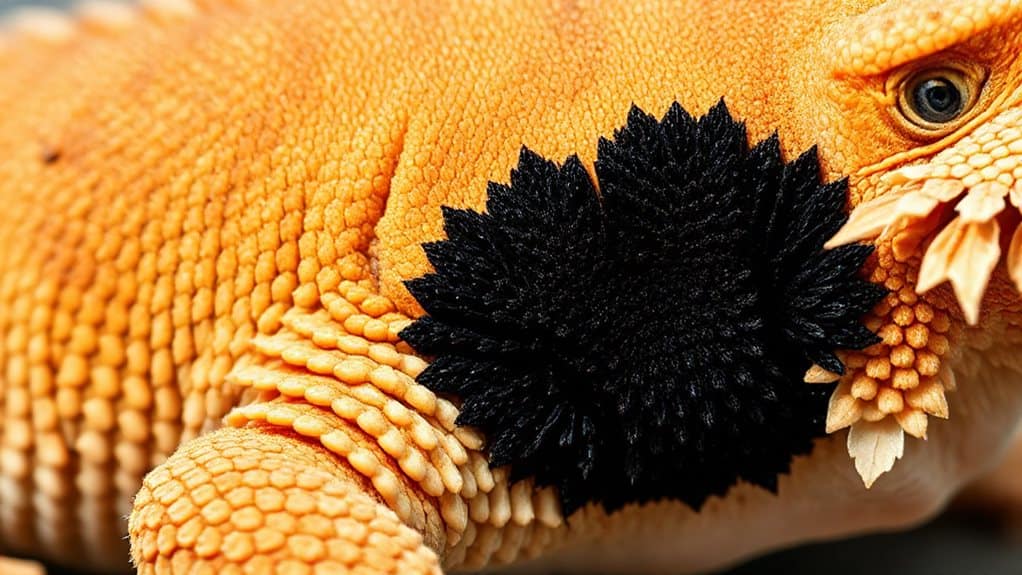
If you’ve ever spotted a tiny, dark patch on your bearded dragon’s belly or tail, you might wonder whether it’s just a quirky color splash or a warning sign—well, it can be both, and that’s why it matters.
Those black spots are usually focal, sometimes from infections, trauma, or parasites, and they can signal serious illness if they grow, ooze, or become crusty, so monitoring them helps you protect your dragon’s health. Stress marks often appear during shedding and may cover the chin, neck, or belly. Plants also show predictable recovery patterns after stressful events like repotting, with visible improvement by week three when leaves often green up and tiny buds may appear.
Stress Marks: Dark Spots From Stress
You’ve already seen how a mysterious black spot can be a warning sign, but did you know that a lot of those dark patches actually pop up when your bearded dragon is feeling stressed?
New tanks, temperature swings, weak UVB, or rough handling can trigger splotches on the belly and a darkened beard, especially in juveniles.
Watch for appetite loss, lethargy, and puffed‑up black beards—quickly adjusting heat, lighting, and handling will calm your dragon and fade those stress marks.
If signs persist despite environmental fixes, check for underlying issues like nutrient uptake problems that can worsen stress and skin changes.
How to Differentiate Stress Marks From Normal Coloration
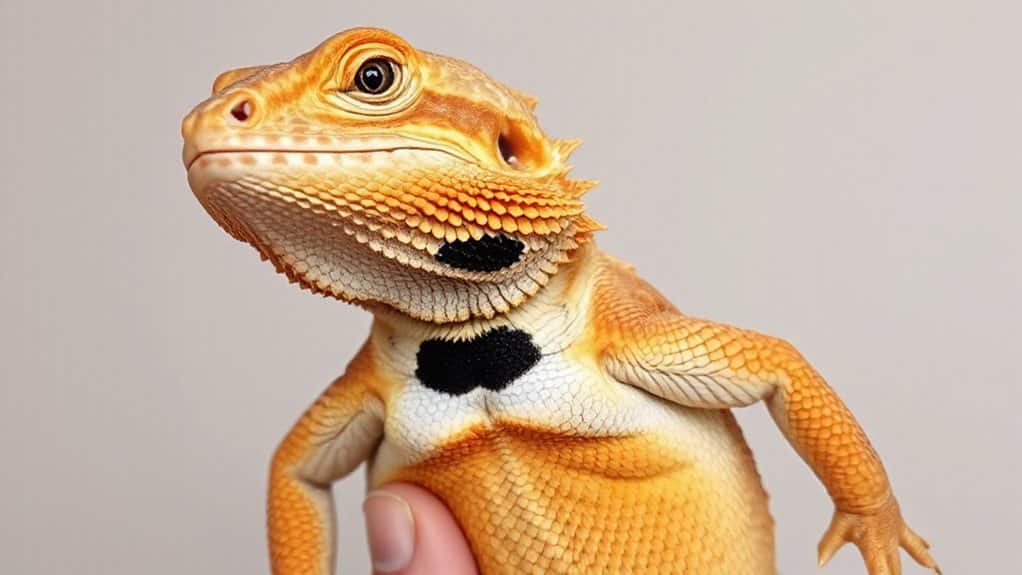
Usually, you’ll spot a dark patch on a baby beardie and wonder whether it’s a stress signal or just a normal part of growing up, and the good news is that, can tell the difference by looking at a few key clues.
Observe if the spot appears after a shed, during basking, or when your dragon’s mood is bright—these are normal.
Stress marks stay dark, uneven, and often accompany frantic behavior, whereas natural coloration shifts with temperature, age, or digestion, fading or brightening predictably.
Heat‑Related Stress Marks
You’ll notice a dark spot pop up when the basking temperature swings like a roller‑coaster, because your dragon’s beard can’t handle the sudden hot‑and‑cold dance; have you ever tried camping without a reliable fire pit and felt the same chill‑and‑burn?
Make sure the heat gradient stays steady—no “hot‑spot” surprises—so the reptile can chill on the cool side and bask safely without turning into a little charcoal log.
If you catch the overheating early, you’ll save the dragon from a permanent “campfire scar” and keep the journey fun, not frantic.
Monitor enclosure temperatures with a reliable thermometer to avoid overheating and uneven gradients, and remember that maintaining a consistent heat gradient helps prevent stress and burns.
Basking Temperature Fluctuations
Often you’ll notice your bearded dragon’s chin or belly turning a mysterious shade of midnight, and that isn’t just a fashion statement—it’s a stress signal caused by temperature roller‑coasters in the basking spot.
When the thermostat glitches or a heater flickers, the heat spikes then drops, making your dragon’s skin darken, its beard puff, and its appetite wobble, so you’ll need to check and log temps daily.
Inadequate Heat Gradient
When the heat gradient in a bearded dragon’s tank isn’t set up right, the poor guy ends up looking like a tiny, midnight‑colored wanderer who’s lost his way in a desert camp—those black stress marks popping up on his chin, neck, belly, or limbs are his way of shouting, “Hey, I’m freezing out here!”
You’ll notice him lounging sluggishly, maybe even refusing his favorite crickets, and you’ll see him darting to the far side of the enclosure like a kid hunting for a warm fire pit on a camping trip.
Fix it by adding a basking bulb and under‑tank heater, checking temps at three points, and keeping the tank large enough for a proper hot‑to‑cool shift.
Overheating During Daytime
Even if you think your bearded dragon’s “sun‑baked” look is just a cool camp‑fire vibe, overheating during the day can actually leave those pesky black stress marks that aren’t just a fashion statement—so, what’s happening?
When basking exceeds 110°F, you’ll see rapid darkening on belly and limbs, lingering longer than normal thermoregulation, plus lethargy, open‑mouth cooling, and occasional panting, all signaling heat‑stress that needs cooler zones and proper gradients.
When New Tank Décor Leads to Dark Spots
Imagine you’ve just decked out your dragon’s tank with a shiny new rock, a colorful plastic castle, and a few quirky resin figurines, and the next day you notice a mysterious dark spot spreading across his skin—what’s going on?
New décor can leach toxins, off‑gas chemicals, or block basking zones, spiking stress hormones that crank up melanin, irritate skin, or invite microbes, so those dark patches often signal a material‑related reaction rather than a disease. Cold frames create cozy microclimates that keep temperatures about 10–15°F warmer than outside, which is why monitoring ambient heat is important for sensitive reptiles and their habitats; see temperature management.
Poor Diet and Black Spot Development
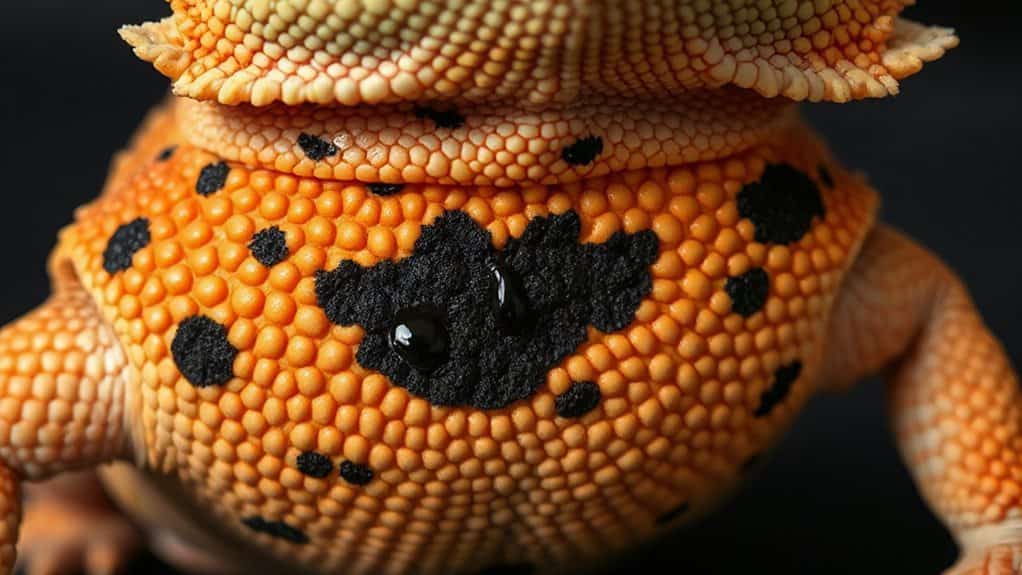
You might notice those pesky black spots popping up when your dragon’s diet skips out on calcium, because without enough of that mineral the skin can get stressed and darken—kind of like how you feel after a long hike without snacks.
Have you ever wondered if a Vitamin D3 imbalance could be the hidden culprit, since low D3 hampers bone health and triggers the same stress marks that make your pet look like it’s been camping in the desert?
Try bumping up the calcium‑to‑phosphorus ratio and adding a reliable D3 supplement every few feedings, and you’ll likely see those spots fade faster than a sunrise over a mountain trail.
Good husbandry, including attention to soil pH when using natural substrate amendments, can also support overall health and help prevent skin issues.
Calcium Deficiency Effects
Kick‑starting a healthier diet for your bearded dragon means swapping out those bland, calcium‑poor veggies for a balanced feast that actually supports bone growth, because when the food lacks enough calcium, the dragon’s body starts leaching the mineral straight from its skeleton—think of it as a tiny, scaly construction crew stealing bricks from a house to keep the roof from collapsing.
You’ll notice soft, bendable bones, wobbly limbs, and a hunchback posture, plus muscle tremors and jerky movements, all signs the skeleton’s “building material” is disappearing, so act fast and enhance calcium.
Vitamin D3 Imbalance Risks
After we’ve tackled how a calcium‑poor diet can turn a bearded dragon’s skeleton into a wobbly house of cards, let’s talk about the other side of the coin—vitamin D3.
Too much D3, especially from high‑dose pills, can calcify kidneys and heart, causing lethargy and organ damage; UVB lighting self‑limits production, so rely on sunlight, supplement sparingly, and keep phosphorus low to protect your dragon’s health.
Other Health Signs That Appear With Black Spots
Often, when a black spot shows up on your bearded dragon’s skin, you’ll notice a whole parade of other warning signs marching right alongside it, like a mischievous campfire crew that refuses to leave the campsite.
You might see appetite loss, lethargy, glass surfing, hissing, or a constantly open mouth; diarrhea, constipation, tremors, crooked tails, swollen gums, labored breathing, bulging eyes, or even sudden death, all demanding immediate care.
Shedding vs. Spotting: Spot the Difference
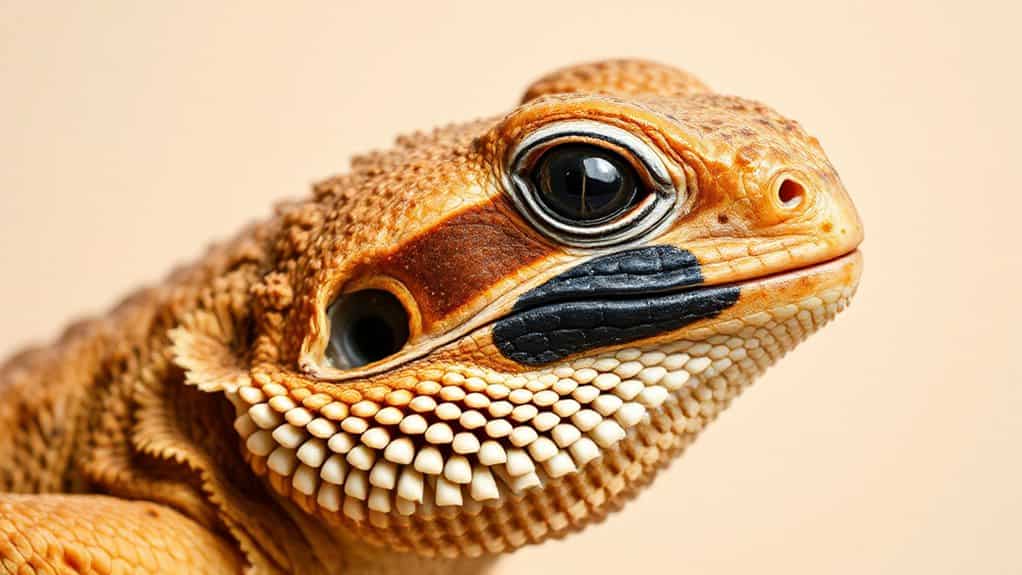
Spotting a black dot on your bearded dragon can feel as shocking as finding a pinecone on a campsite trail, but before you panic and call it a disaster, pause and compare it to the normal shedding process—because the two look alike but act like totally different campfire crews.
Shedding appears as dull patches, eye puffing, and a gradual reveal of bright skin, while spotting shows a single, isolated black mark that doesn’t follow the multi‑day, head‑first pattern.
Use warm baths, rough rocks, and patience for shedding; ignore isolated spots unless they spread.
Injuries and Abrasions: Dark Marks From Bumps or Scrapes
A bump or scrape on your bearded dragon can turn a bright, scaly quest into a little mystery‑boxed campsite, complete with a dark spot that looks like a burnt marshmallow left on a campfire—so what’s really happening underneath that bruise‑like mark?
Often it’s trauma from a cage door or fight, causing swelling, restricted blood flow, and tissue death.
If you notice the tip turning black, shriveled, or mushy, act fast: clean the wound, watch for infection, and call a reptile vet before necrosis spreads.
Yellow Fungus That Can Be Mistaken for Black Spots
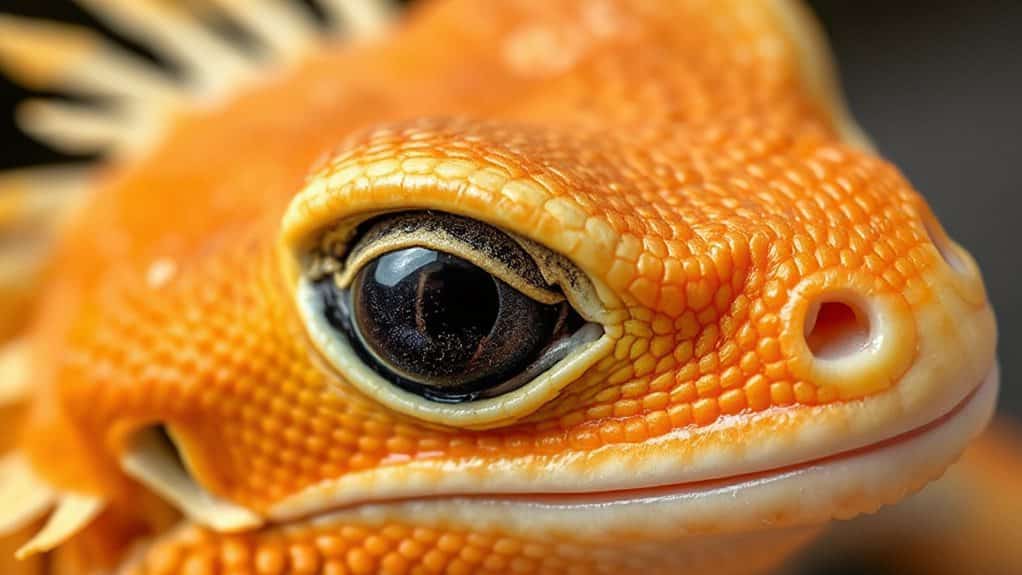
You’ll notice the yellow fungus often looks like tiny, buttery‑colored crusts that can easily be confused with a regular black spot, especially when it’s just starting out, so keep an eye on the hue and texture of any new markings.
Have you ever compared a spot’s color to a piece of popcorn butter or a burnt marshmallow while camping—if it’s more yellow‑brown and flaky than solid black, that’s a red flag you shouldn’t ignore.
Grab a magnifying glass, check the scales for that “dirty” feel, and if you spot the right shade, act fast with a vet visit before the infection spreads.
Yellow Fungus Appearance
You might think you’ve spotted a tiny campfire ember on your bearded dragon’s skin, but that dark, crusty speck could actually be the early sign of yellow fungus masquerading as a black spot—yeah, the same sneaky fungus that loves to eat flesh from the inside out.
It shows crusty, thickened patches, sometimes fuzzy like popcorn butter, often under the cloaca, and doesn’t wash off, so act fast, check texture, and get a vet biopsy before the infection spreads.
Differentiating Spot Color
After you’ve learned that a tiny ember‑like speck can actually be the first hint of yellow fungus, let’s talk about why those “black” spots show up and how they’re really just a sneaky stage of the same infection.
You’ll notice dark crusts that resist cleaning, often mistaken for dirt, but they’re necrotic lesions where magenta hyphae lurk beneath; early black spots usually precede the classic yellow‑brown crusting, so don’t ignore them.
Early Detection Tips
If you’ve ever been on a camping trip and spotted a tiny, mysterious dot on a rock that later turned out to be a firefly’s glow, you’ll get why those early black‑ish spots on a bearded dragon can be just as deceptive—what looks like a speck of dirt might actually be the first whisper of yellow fungus lurking beneath the scales.
Check for lethargy, loss of appetite, sunken eyes, and hidden crusty patches under the cloaca; act fast, get a skin scrape, and consult a vet before the fungus spreads.
Red‑Flag Spot Patterns That Require a Vet
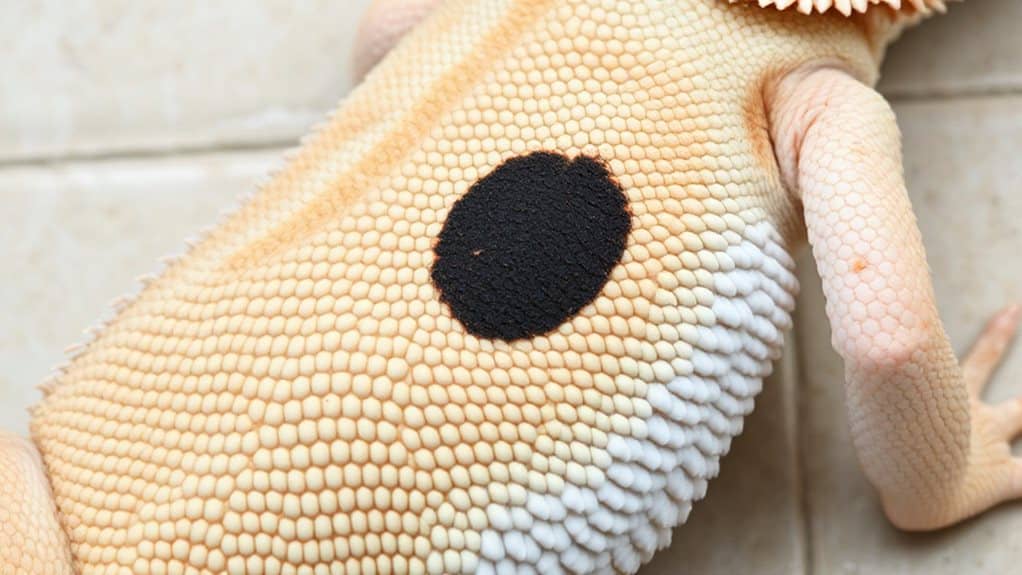
When you notice a dark, solid‑black patch suddenly spreading across your dragon’s beard or belly—especially if it sticks around long after the excitement of a new enclosure or a heated “battle” has cooled down—that’s a red‑flag spot pattern that screams “call the vet!”
Persistent solid black, rapid spreading, or accompanying lethargy, loss of appetite, and open‑mouth distress signal serious illness, not just stress, so act fast and get professional help.
Long‑Term Care Checklist for Spot‑Free Skin
Spot‑free skin isn’t just a lucky accident—it’s the result of a daily routine that feels a bit like planning a road‑trip for your dragon, and I’m here to give you the ultimate checklist so you can keep his scales as smooth as a freshly paved highway.
Keep humidity 30‑50%, mist twice daily, soak 5‑10 minutes weekly, replace UVB bulbs yearly, spot‑clean daily, disinfect weekly, feed gut‑loaded, calcium‑dusted insects, and never peel stuck shed—your dragon will thank you, and you’ll feel like a travel‑guide for flawless skin.
And Finally
So, keep an eye on those dark spots—if they’re stress marks, a quick temperature tweak or a calmer environment will usually sort them out, but if they stay or look weird, a vet visit is the smart move; think of it like checking your campsite for bears before you set up the tent, better safe than sorry, and you’ll keep your dragon happy, healthy, and ready for the next journey!