Neighbor Blocking Driveway Legal Options
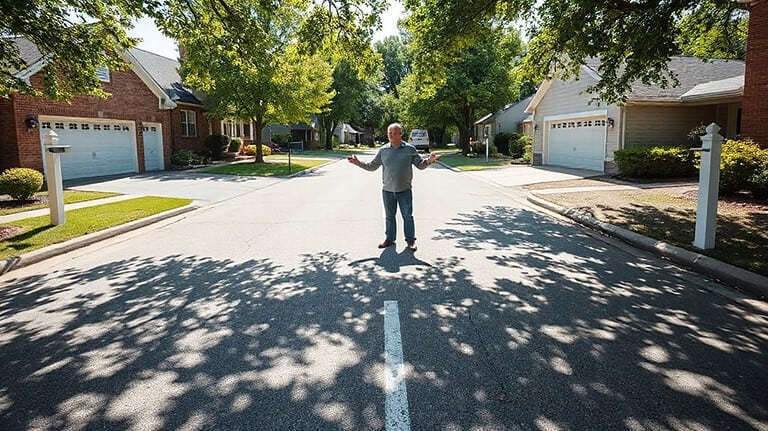
Uh oh, your neighbor’s car is playing driveway limbo—how low can it go? Good news: they’re not supposed to block your access, and yeah, it’s actually trespassing! You can totally call the cops or 311 for a tow, especially if it’s happened before. Snap photos, talk calmly first (maybe with cookies—seriously), and keep notes. If things get sticky, legal moves like a cease-and-desist or even a court order can save your next camping trip. Stick around, and you’ll see how to keep your exit wide open.
TLDR
- Blocking a private driveway is illegal and considered trespassing under local ordinances.
- Document each incident with photos, timestamps, and license plate numbers for evidence.
- Start with polite communication, written notices, or mediation to resolve the issue amicably.
- Report repeated blockings to authorities for tickets, towing, or enforcement action.
- Pursue legal remedies like cease-and-desist letters, restraining orders, or injunctions if needed.
Can a Neighbor Legally Block Your Driveway?
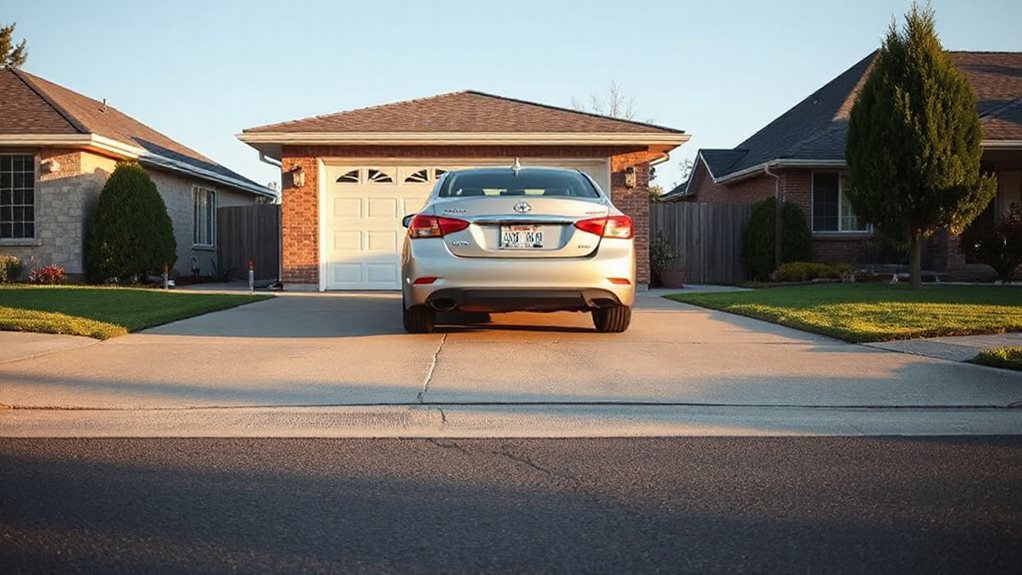
Ever had that heart-sinking moment when you’re all packed up for a weekend camping trip—tent loaded, snacks ready, playlist queued—only to find your neighbor’s car parked smack in the middle of your driveway like it’s claiming new real estate?
Nope, they can’t legally do that! Blocking your driveway is illegal, full stop—it’s trespassing, actually.
You’ve got rights, and yeah, even well-meaning neighbors need to move that car, pronto! You can document the incident and explore legal options if the problem continues.
This is because private driveways are considered private property under the law, giving homeowners exclusive control over access and use.
Is Blocking a Driveway Considered Trespassing?
So you’re all set for that epic road trip—sleeping bags stuffed in the back, cooler packed with snacks, and your favorite hiking tunes cued up—only to find your neighbor’s minivan parked right across your driveway like it’s guarding a treasure chest you can’t reach.
Yep, that’s trespassing! Blocking a driveway, even briefly, is illegal because driveways are private property—plain and simple.
You didn’t invite them, so their car doesn’t belong there. It’s not just rude; it’s a legal no-no, and you’ve got every right to say something—or take action.
Don’t let their bad parking ruin your getaway vibes! Contacting your local authorities or checking local ordinances can help you understand your legal options and next steps.
What to Do Immediately When Your Driveway Is Blocked
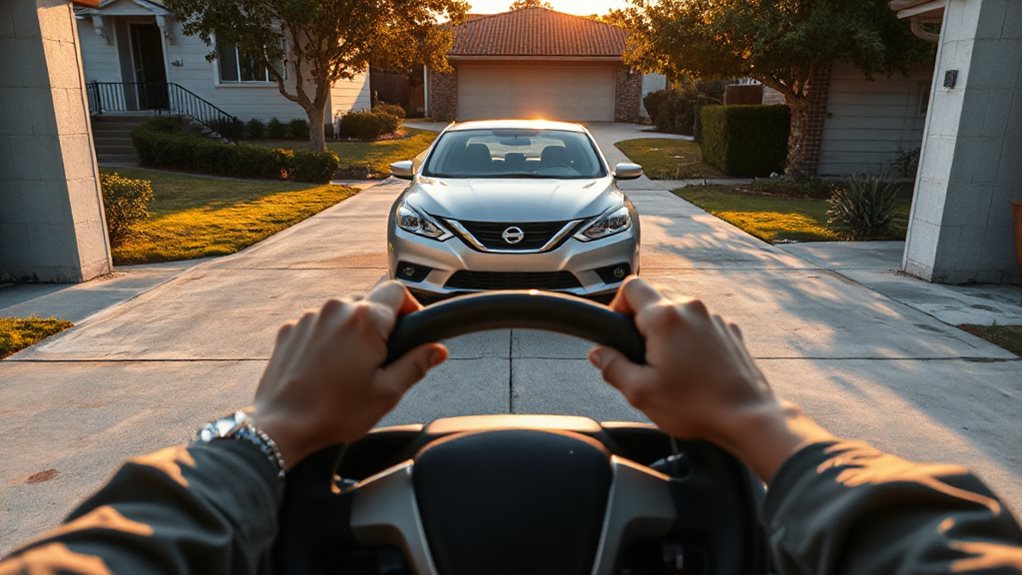
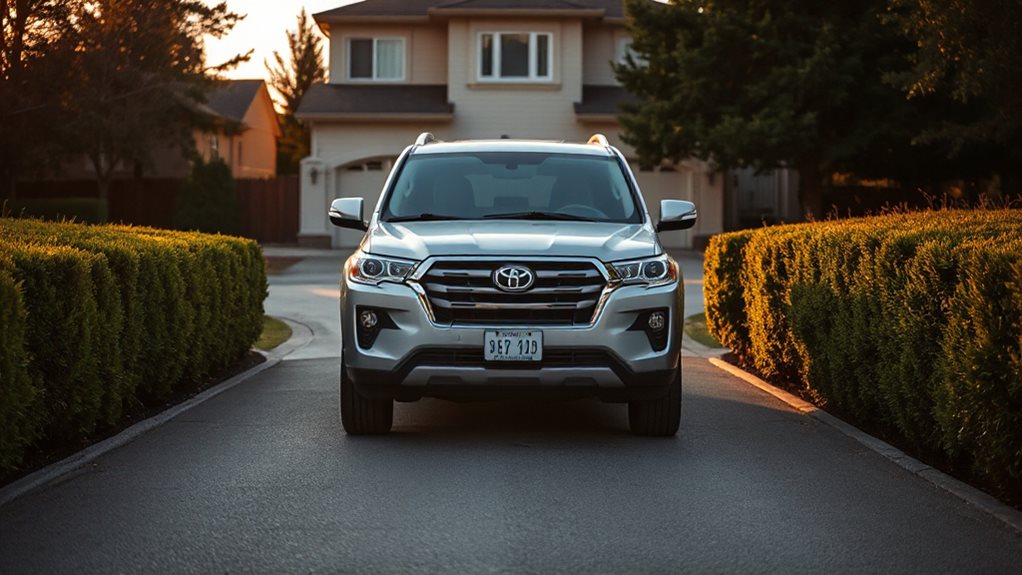
Okay, you’re all geared up for that weekend escape—tent strapped to the roof, snacks loaded, and your playlist blasting the soundtrack to expedition—when bam! Some rogue SUV’s parked smack in front of your driveway.
Don’t panic—snap photos, note the plate, and peek nearby for the owner. Stay cool, ask nicely, and if no luck, call non-emergency authorities. You’ve got this! Be sure to document the incident with photos and times to support a report to local authorities.
Should You Call the Police on a Blocking Vehicle?
When that rogue car plunks itself right in front of your driveway like it’s claiming a campsite at a national park, you might wonder if it’s time to bring in the big guns—yep, we’re talking about calling the police.
If the driver’s long gone or ignoring your texts, dial 311 in NYC or your local non-emergency line; cops can ticket and tow, especially if it’s a repeat offender.
While it’s not an emergency (save 911 for true driveway trespassing), reporting it keeps your street safe and fair for everyone—kind of like making sure everyone follows tent etiquette at a crowded campground!
Note that local ordinances often permit ticketing or towing for obstructing a driveway, so it helps to know your municipal rules before you call.
How to Talk to Your Neighbor About Driveway Access
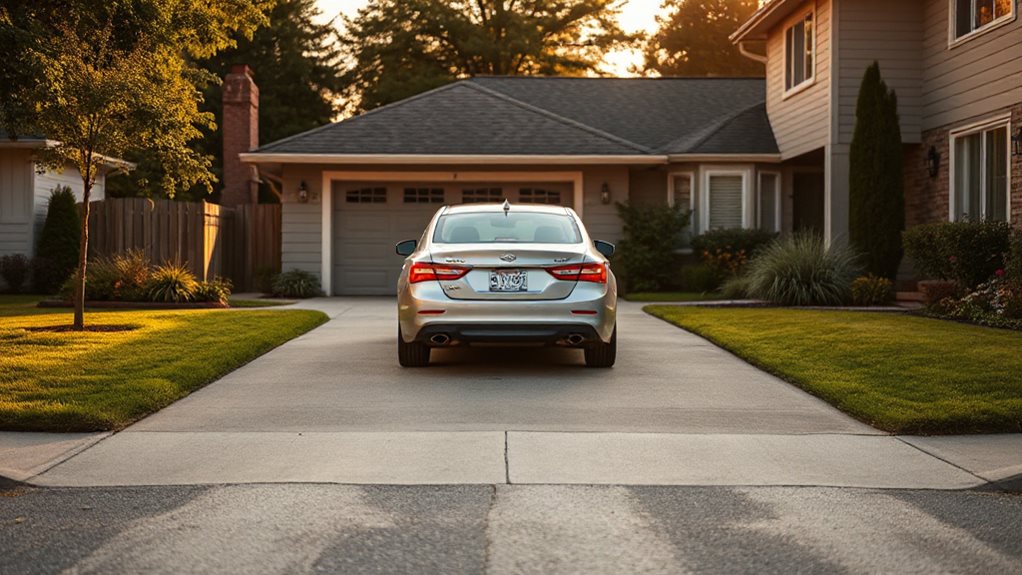
You’d be surprised how far a friendly chat can go—try knocking on your neighbor’s door with a smile, not a scowl, and say something like, “Hey, I noticed your car’s been blocking my driveway a few mornings, and it’s kinda cramping my style when I’m trying to back out for a weekend camping trip!”
Think of it like untangling a tent rope: calm, patient, and way easier when you both pull in the same direction. A little humor, like joking, “I promise I won’t bring marshmallows next time… unless you want some!” can ease the tension and open the door to real talk. Before involving authorities, document the issue and try to resolve it amicably, since police intervention is typically recommended after other options are exhausted.
Clear Communication Tips
Ever wonder how to bring up a sticky situation without turning your neighbor into a driveway-blocking nemesis? Pick a calm moment, use “I feel” instead of “You always,” and really listen—like you’re gearing up for a peaceful camping trip, not a showdown.
Start kindly, stay open, and brainstorm solutions together; it’s way more fun when you’re both in the same tent, right?
Respectful Conflict Resolution
Alright, let’s talk about turning that driveway drama into a peaceful powwow—because nobody wants their morning coffee run delayed by a parked pickup blocking the only way out.
You’ve got this: stay calm, speak kindly, and explain how it affects you. Ask, don’t accuse—like, “Hey, mind shifting your truck? It’s tough backing out!” Bring cookies, maybe. Seriously, a little empathy goes a long way.
Sending a Demand Letter to Remove a Driveway Block
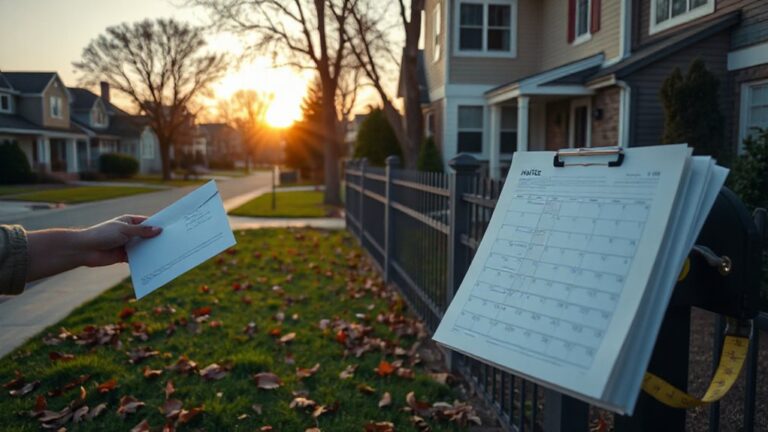
So you’re tired of your neighbor’s junk car camping in your driveway like it’s on some permanent road trip, right? Time to send a clear, polite-but-firm demand letter that spells out exactly what’s blocking access, when it needs to move (think: five days, not five months), and what happens if they ignore it—because nobody wants to end up in court over a parking feud.
Toss in photos, mark your property lines like a treasure map, and boom: you’ve just turned a messy standoff into a grown-up paper trail that even a judge would appreciate.
Demand Letter Essentials
Imagine this: you’re all packed up for a weekend camping trip—tent lashed tight, cooler full of snacks, even remembered the bug spray this time—and then, *bam*, your neighbor’s rogue wheelbarrow is squatting right in the middle of your driveway like it’s staked a claim.
You’ve tried chatting first, but now it’s time to act. A solid demand letter needs your info, theirs, the date, and a clear ask. Include photos, a map, and mention past talks. Set a firm deadline—five days, say—and stay polite but firm. You’re not just clearing a path, you’re standing up for fairness, and hey, that campfire won’t light itself!
Legal Consequences Of Noncompliance
If your neighbor still won’t budge after getting that polite-but-firm demand letter, don’t worry—you’re not stuck playing driveway detective forever, because the law’s actually got your back, and it’s way more powerful than a passive-aggressive note on a wheelbarrow.
They could face fines starting at $40, get towed (at their cost!), or even risk criminal charges if they keep it up—talk about turning a small snag into a legal campground disaster!
Use Mediation to Resolve Driveway Disputes
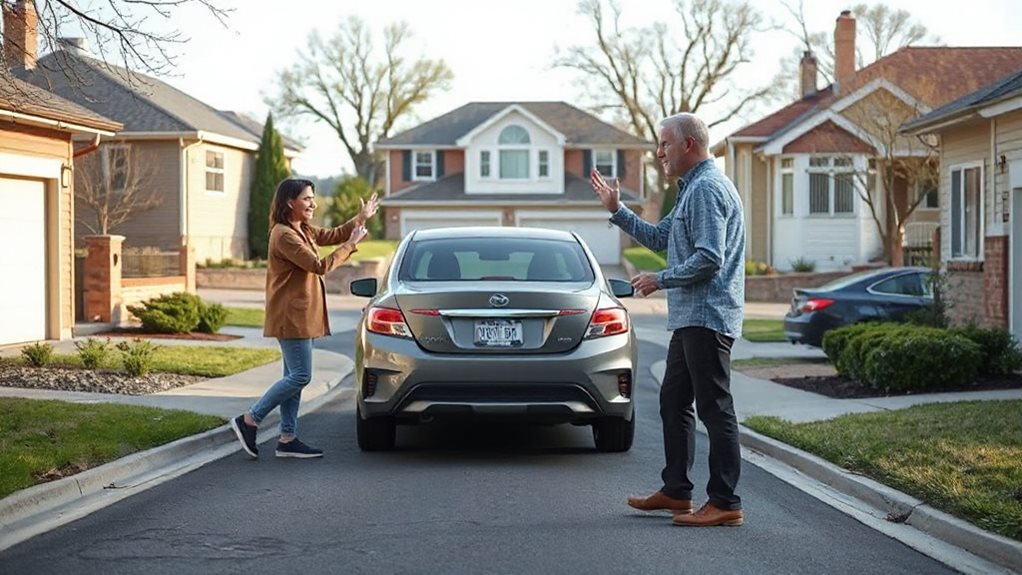
Trying to solve a driveway dispute on your own can feel like packing a tent in a thunderstorm—frustrating, messy, and way harder than it needs to be.
Why not try mediation? It’s calm, fair, and way cheaper than court. You and your neighbor chat with a neutral helper, clear up misunderstandings, and craft a solution together—no yelling, no drama, just teamwork that keeps peace like a perfect campfire roast.
When You Need a Restraining Order for Driveway Access
Okay, so you tried talking it out, maybe even shared a lemonade over the fence like two civilized campers trying to settle a tent-line dispute—kudos for that, seriously—but what happens when your neighbor keeps parking their rusty pickup right across your driveway like it’s their personal parking spot at a music festival?
If polite chats fail and threats or repeated blockings happen, you might need a civil harassment restraining order. These legally protect your access, especially when emotions flare like a campfire in a windstorm. File forms at court, get a temporary order fast, and let a judge decide. It’s not about being dramatic—it’s about peace, safety, and keeping your exit clear for that spontaneous road trip you’ve been dreaming of.
How to Get an Injunction for a Blocked Driveway
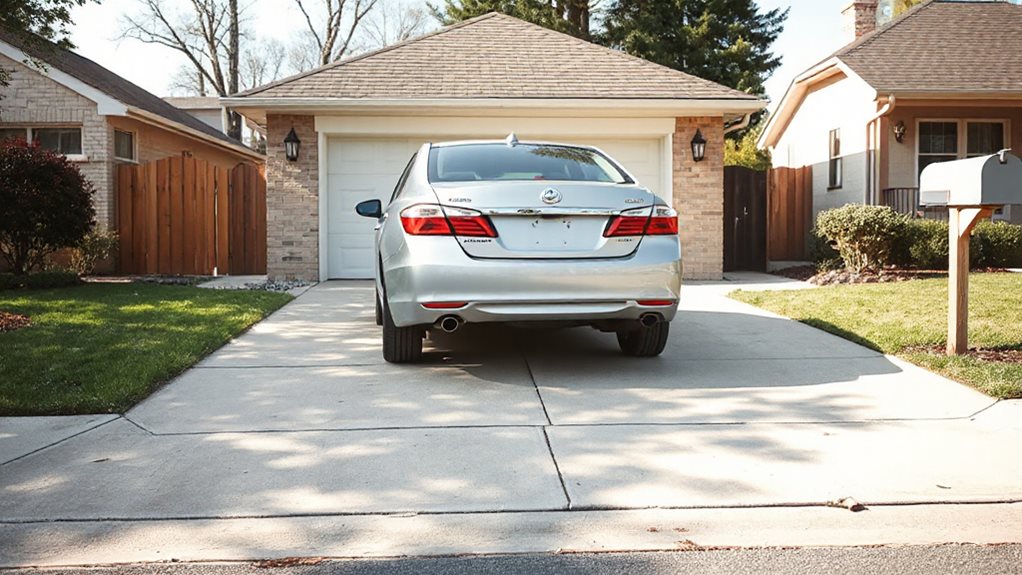
While you’re dreaming of weekend getaways and spontaneous camping trips—tent packed, cooler loaded, playlist on deck—nothing kills the vibe faster than your neighbor’s minivan planted squarely across your driveway like it’s staking claim to a prime festival front-row spot.
You’ve tried talking, sent notes, even waved politely—twice! But if blockages keep happening, you can file for an injunction.
First, document every incident with photos, dates, and times—yes, even that 3 a.m. “oops.” Then, send a formal cease-and-desist letter, because courts love paper trails.
If they still ignore you? Time to call a real estate attorney and investigate a temporary restraining order or preliminary injunction—especially if your easement rights are crystal clear.
It’s not just about access; it’s about protecting your peace, your plans, and your next escapade.
How to Prove Your Driveway Easement in Court
Imagine this: your dream road trip is all set—snacks packed, dog in the backseat wearing his escapade bandana, GPS humming the route to the redwoods—but you can’t even back out of your driveway because your neighbor’s parked like it’s their personal parking pod.
No worries! To prove your driveway easement in court, gather solid proof: show it’s been open, continuous, and without permission (hello, photo dates and neighbor chats!). Whether it’s implied, prescriptive, or by necessity, clear evidence wins the day—so grab those records, stay calm, and reclaim your path to journey!
Overall
So, what’s the move when your neighbor blocks your driveway? Don’t panic—know your rights, stay calm, and speak up! Whether it’s a quick chat or calling in help, you’ve got options, like mediation or even a court order if things get wild. I once had a buddy whose neighbor parked a camper right across their exit—talk about a road trip gone wrong! But hey, with the right steps, you’ll keep your driveway—and your freedom—wide open.