How to Ignore Bad Neighbors: Keep Your Peace
A difficult neighbor rarely gets easier to deal with just by waiting it out. Whether it is noise at odd hours, a property line disagreement, or something more personal, the situations that actually improve are the ones where you take a few deliberate steps rather than hoping it resolves itself.
Here is a practical order to work through, starting with what is in your control and moving up from there.
Start With What You Can Control at Home
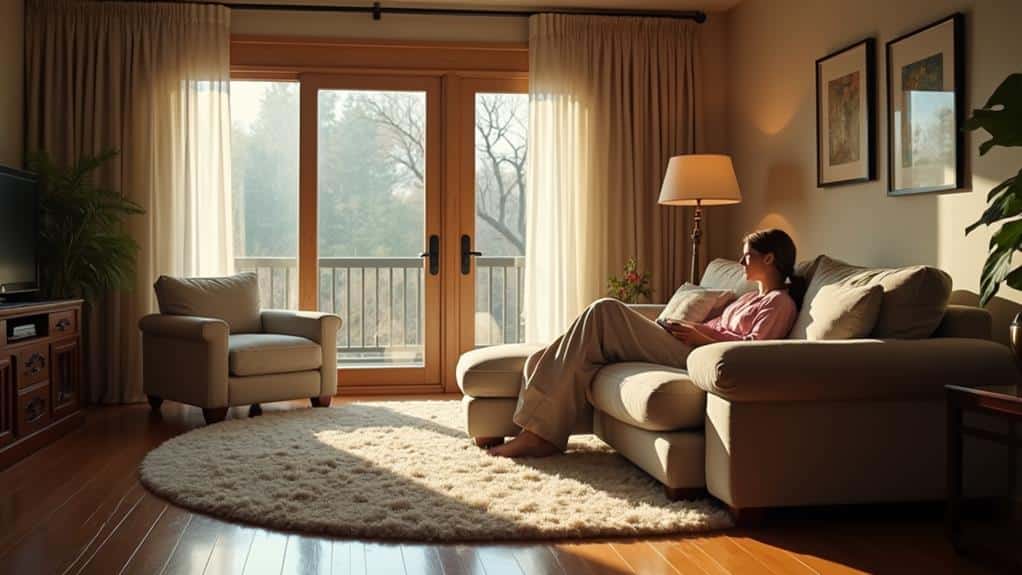
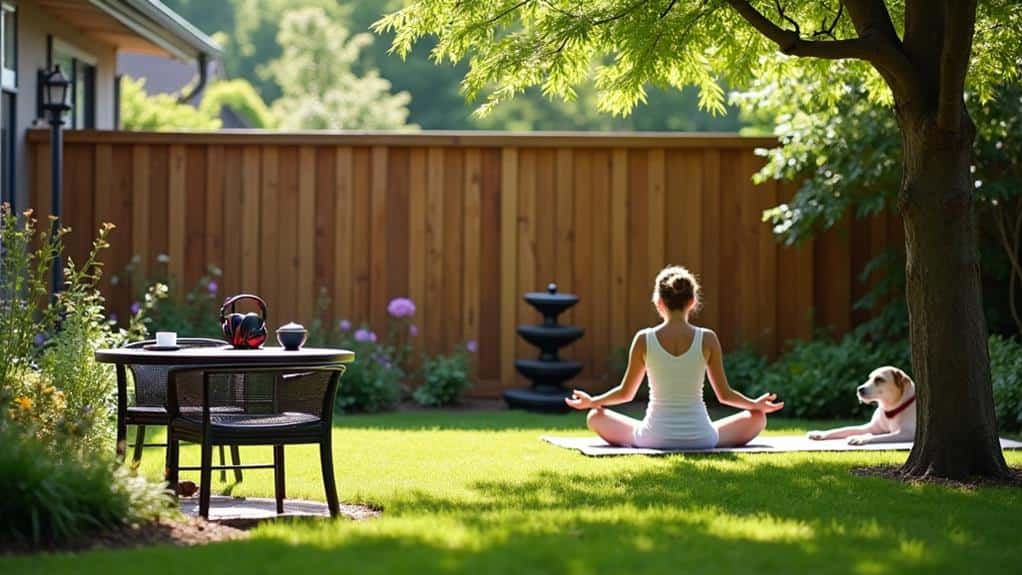
Before involving anyone else, it is worth checking whether a few changes on your own side of the fence take the edge off. A door sweep or fresh weatherstripping closes the gaps where outside noise leaks in fastest. A white noise machine or a box fan in the bedroom covers a surprising amount of low-level background sound. Thick curtains and an area rug absorb sound rather than letting it bounce around a room. None of this fixes the underlying problem, but it buys you breathing room while you work through the steps below, and it is the only step here that does not depend on your neighbor cooperating at all.
Document Before You Escalate
If there is any chance this goes further, start a simple log now rather than after things have already gotten heated. For each incident, note the date, the time, roughly how long it lasted, and exactly what happened. Photos of a mess, a fence, or a parked car are almost always fine to take from your own property. Audio or video recordings are more complicated: several states require consent from everyone being recorded, so check your state’s law before you record a conversation, even one happening in a shared or public space.
A dated log matters more than most people expect. If you end up filing a noise complaint, going to your HOA, or eventually to small claims court, “this has happened repeatedly since March” is a far stronger position than a vague sense that it has been going on for a while.
Try a Direct, Calm Conversation First
Most neighbor conflicts are not malicious, they are the result of someone not realizing their side of the situation is a problem for yours. A short, specific, non-accusatory conversation solves more of these than any other single step. Pick a reasonable time of day, name the specific issue rather than a pattern of complaints, and where possible suggest a fix rather than just a grievance: “Could you keep the dog in after 10pm?” lands very differently than “Your dog is always a problem.” If you would rather not do this in person, a brief, polite note left at the door works too, and it gives you a written record of having raised it.
Know Your Local Rules Before You Escalate Further
Most cities and counties set quiet hours, and many have specific ordinances covering the exact situations that come up most often between neighbors: parking, trash, fences, and drainage. It is worth checking your local ordinances directly rather than assuming, since the rules and the enforcement process both vary by city.
A few of these situations come up often enough that we have covered them in more detail elsewhere on the site: parking disputes in who is allowed to park in front of your house and what to do about a neighbor who keeps parking there, litter in dealing with a neighbor throwing trash in your yard, drainage in whether a neighbor can legally divert water onto your property, and utility markings in when it is actually safe to remove utility flags in your yard. If your issue matches one of these, that page will have the specifics; this one focuses on the general process.
For a non-urgent issue, your city’s non-emergency line or code enforcement department is the right first call, not 911. They can tell you whether what is happening actually violates an ordinance and what the complaint process looks like.
When to Bring in a Third Party

If a direct conversation does not work and the issue is ongoing, a few options sit between “handle it yourself” and “call the authorities.” If you are in an HOA, check whether the behavior violates a covenant you can file a complaint about. Many counties also offer free or low-cost community mediation services designed specifically for neighbor disputes, where a trained mediator helps both sides reach an agreement without going to court. This tends to work best while the relationship is still tense but not hostile, so it is worth looking into before things harden further.
When the Situation Feels Unsafe
Everything above assumes an ordinary, if frustrating, neighbor dispute. If a neighbor’s behavior has crossed into surveillance, threats, or anything that makes you feel genuinely unsafe, that is a different situation and calls for a different response, including contacting police directly rather than working through the steps above first. If that describes what you are dealing with, see what to do if your neighbor is stalking you for guidance specific to that situation.
Protecting Your Own Peace While You Wait

Some of these situations take weeks or months to fully resolve, especially if you end up going through an HOA or mediation process. Keeping the dated log described above helps here too: once an incident is written down, you do not have to keep replaying it to remember it, which makes it easier to actually let it go until the next one happens. Staying focused on the concrete next step, whether that is a follow-up call to code enforcement or a scheduled mediation session, tends to be more useful than trying to simply stop thinking about the situation altogether.
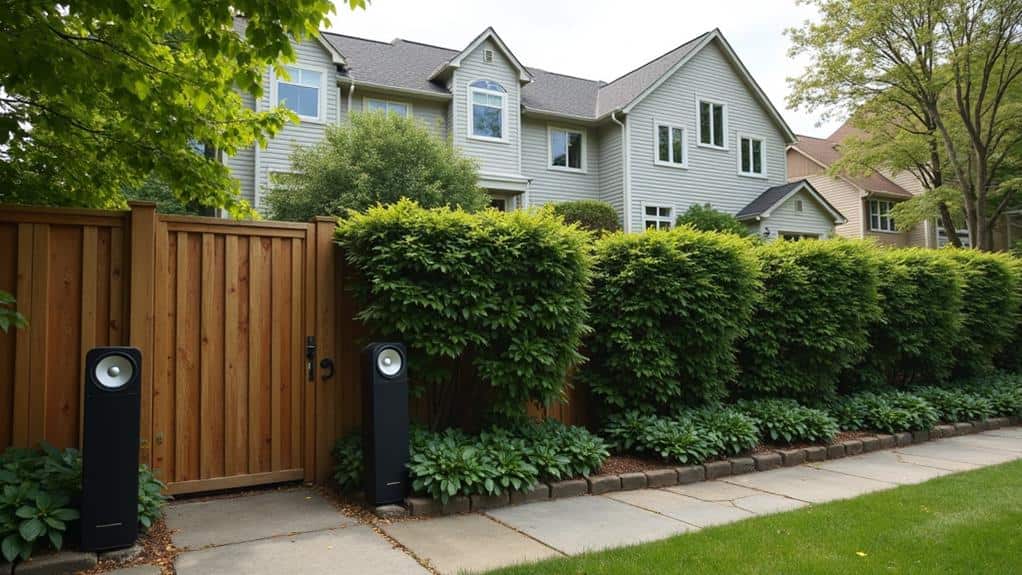
Most neighbor conflicts do resolve, usually well before it comes to a formal complaint or legal action. Working through these steps in order, starting with what is easiest and most in your control, gives you the best chance of getting there without more stress than the situation actually requires.