Why Bean Plants Don’t Produce Pods (Even With Lots of Flowers)
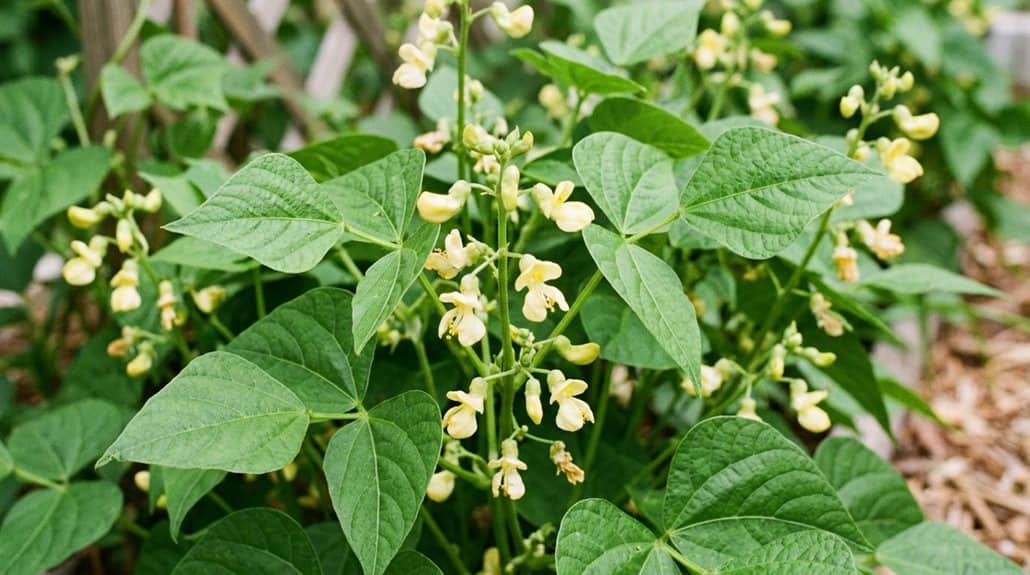
If your bean plants look like flower fireworks but don’t give you any pods, don’t panic—it happens! Usually, the real culprits are wild temperature swings (beans hate hot and cold drama), patchy watering, or the dreaded picky pollination, kind of like when marshmallows won’t toast over a cold campfire. Sometimes, too much nitrogen fertilizer grows lots of leaves, but forgets the beans! Even crowding or sneaky pests can mess things up. Stick with me and you’ll find out how to fix it all.
TLDR
- Temperature extremes or sudden weather changes can cause flowers to drop before pods form.
- Inadequate pollination means flowers never develop into pods, even if blooms are abundant.
- Excess nitrogen fertilizer encourages leaves instead of pods, while phosphorus or potassium deficiencies stunt pod development.
- Irregular watering, either too much or too little, stresses plants and leads to poor pod set.
- Pests, diseases, or overcrowding can damage flowers and prevent successful pod formation.
Why Are My Bean Plants Flowering but Not Producing Beans?
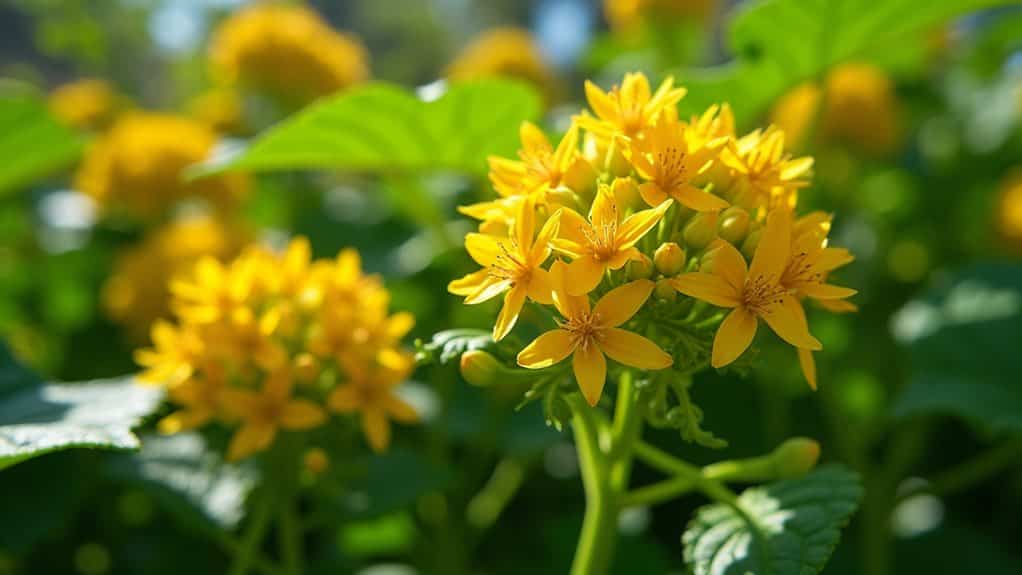
Even though it feels like your bean plants should be cranking out pods after all those lovely flowers, sometimes they just refuse to cooperate. Honestly, it can be as frustrating as setting up a tent in the wind!
Blossom drop can happen when pollination falters or soil moisture isn’t steady. Too much fertilizer can also block beans. So, help your plants thrive—think teamwork, not just pretty flowers!
How Does Temperature Affect Bean Pod Development?
If you’ve ever tried camping in a tent during a heatwave or a surprise cold snap, you’ll know how much the weather can mess with your plans—and it turns out, bean plants feel the same way!
When temperature swings above 85°F or dips below 70°F, you’ll see flower drop, stalled pod development, and stressed-out plants.
Aim for steady, comfy temperatures, and your beans will thank you! Proper temperature management is also crucial to avoid flower drop and ensure successful pod formation.
What’s the Role of Pollination in Bean Pod Set?
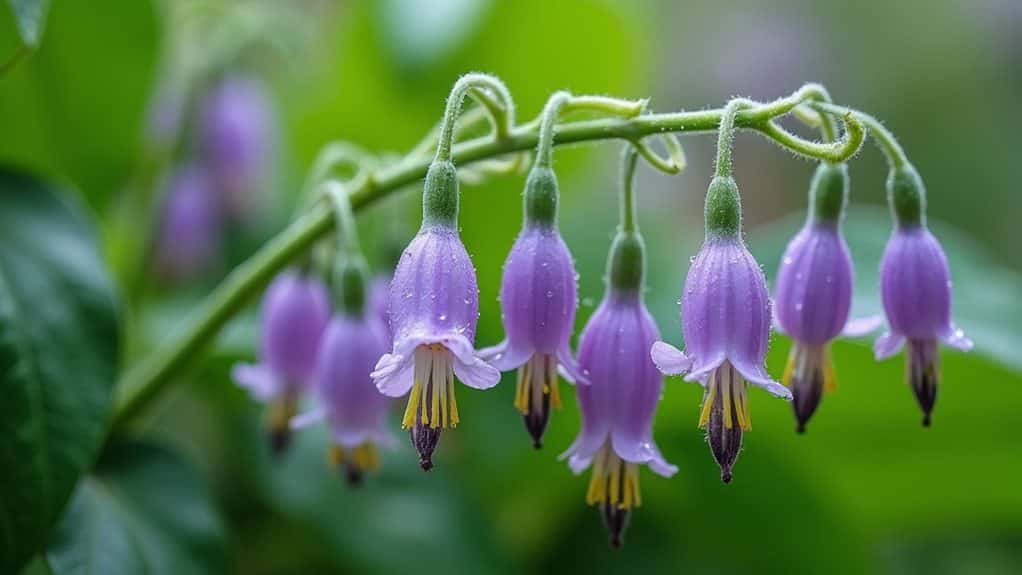
Whenever you’re packing for a big camping trip, you double-check your gear because you know every little detail matters—and bean plants are just as particular when it comes to making pods!
If pollination doesn’t happen right, those flowers stay just flowers, with no pod formation. Even though beans self-pollinate, they still need the right conditions and sometimes a little help, like blossom set spray, to serve you pods!
Proper timing and identifying female flowers with small fruits behind the petals are crucial for successful pod development, emphasizing the importance of flower timing in the pollination process.
Are Pests Preventing Your Beans From Forming Pods?
While you’re out on an epic camping expedition, dodging bugs might just be part of the fun, but when it comes to your bean plants, those little critters are more like unwanted stowaways sabotaging your trip!
Pests can chew leaves, munch on flowers, and even spread nasty diseases, zapping your plants’ energy for pod formation.
A soil imbalance can also weaken your plants’ defenses, making them more susceptible to pest attacks and hindering their ability to produce pods.
Keep a lookout and take action—your beans (and your neighbors) will thank you!
How Do Nutrient Imbalances Impact Bean Production?
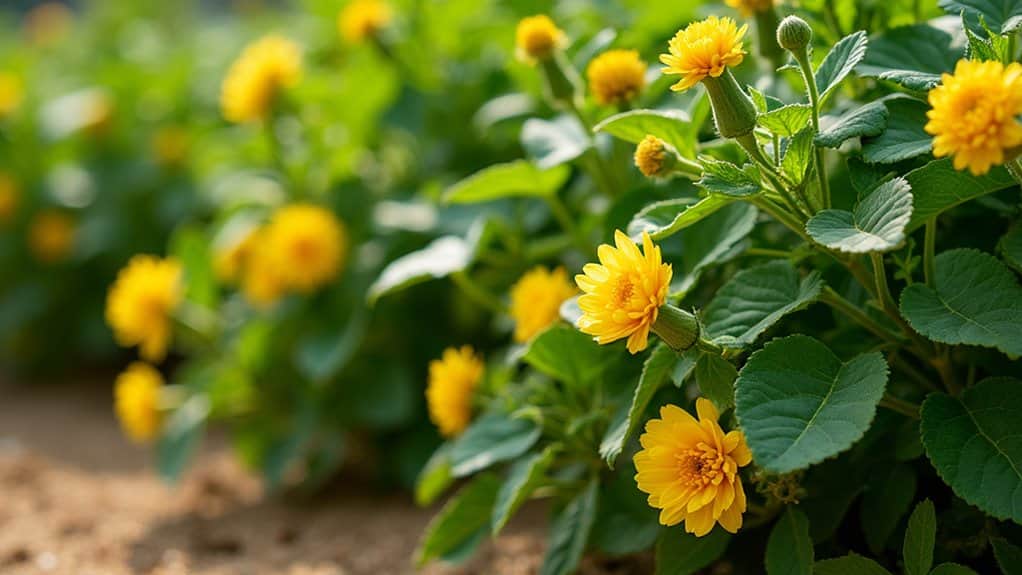
Let’s talk about something that can make or break your bean harvest—nutrient balance, because your beans aren’t just picky eaters, they’re basically gourmet chefs! If you load up the soil with too much nitrogen, you’ll end up with a jungle of leaves but not a single pod in sight. Running low on important nutrients like phosphorus or potassium can leave your plants stunted and looking like they desperately need a camping trip for some fresh air. Proper soil pH helps ensure these nutrients are available for plant uptake, so maintaining the right pH balance is key. Trust me, it’s way more fun to check your soil and give your beans a balanced meal, so you get tasty pods instead of just leafy drama!
Excess Nitrogen Inhibits Pods
Believe it or not, giving your bean plants too much nitrogen is a bit like packing your backpack with every camping gadget you own—sure, you’re prepared for anything, but you’re probably not going to have the expedition you hoped for!
Excess nitrogen pushes your plants to grow lush leaves instead of focusing on flowering and pod development. Test your soil, balance those nutrients, and watch those pods finally appear!
Soil Deficiency Reduces Growth
Ever wonder why your bean plants look like they’re ready to climb Mount Everest, but when you peek under the leaves, there’s not a single pod in sight? It’s usually because soil deficiencies and nutrient imbalances are holding them back!
Even if your beans look strong, nutrient deficiencies—like missing phosphorus or potassium—can stop pods from forming.
Don’t forget, regular soil testing is your best camping buddy here!
Nutrient Balance Supports Yield
You know, checking your soil for missing nutrients is just the start—making sure those nutrients play nicely together is where the real magic happens!
If you overload your beans with nitrogen, you’ll get a jungle of leaves but hardly any flowering or pods.
Aim for nutrient balance, because beans love teamwork—too much nitrogen ruins the party, and trust me, no one wants a beanless camping chili!
How Does Watering Influence Bean Flowers and Pods?
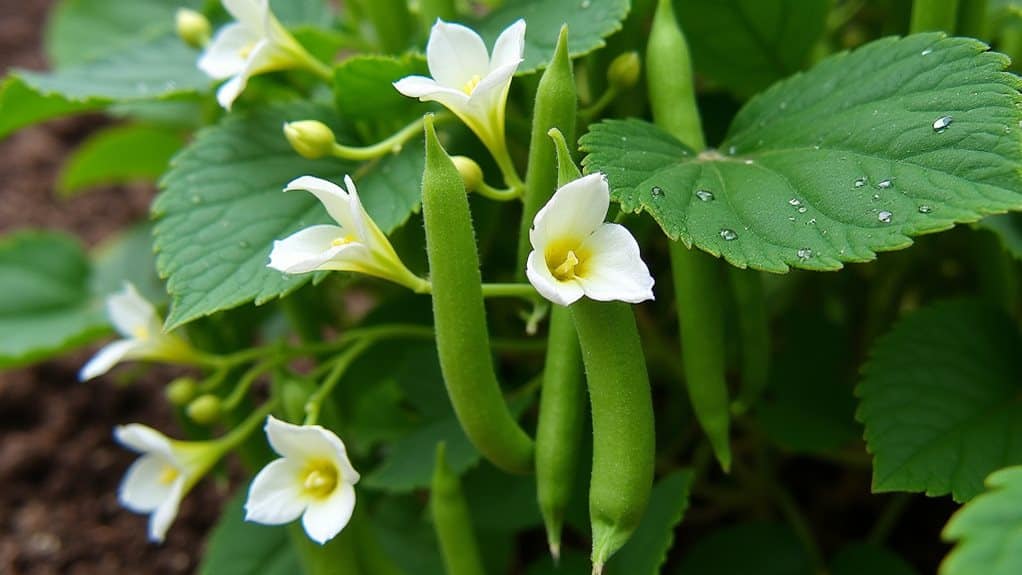
Although it might sound surprising, the way you water your bean plants can totally make or break your dream of seeing those plants loaded with tasty pods—kind of like how forgetting your tent stakes can turn a camping trip into a soggy disaster!
If you let watering get inconsistent, you’ll see flower drop and weak pod development.
Keep soil evenly moist—about an inch a week—and mulch to lock in moisture.
Additionally, overwatering or underwatering can lead to issues like gas leaks or damage to plant roots, which can hinder healthy growth and pod production.
Can Spacing and Supports Boost Bean Pod Yield?
If you’ve ever packed your car for a camping trip, you know how important it’s to give everything its own space—well, bean plants feel the same way! When you space your beans just right and set up some cool supports like trellises or towers (think of them as bean jungle gyms), you’ll help them grow strong, stay healthy, and make way more pods.
It’s kind of like having plenty of room to stretch out in your tent. Trust me, don’t let your beans get crowded and tangled, or you’ll end up with a garden mess instead of a tasty harvest!
Paying attention to plant spacing and support structures can also prevent issues like stunted growth caused by overcrowding and improve airflow, reducing disease risk.
Proper Plant Spacing Benefits
Even though it might sound a bit dramatic, giving your bean plants plenty of elbow room is actually a breakthrough when it comes to getting those plump, crunchy pods you’ve been waiting for!
Trust me, proper spacing isn’t just about being neat—it lets air circulation do its thing, keeps diseases away, and helps every plant focus on serious pod development.
Visualize your beans thriving, like campers with the perfect campsite!
Support Structures Enhance Growth
Visualize your bean plants as adventurous hikers—they don’t just need space to set up their tents, they’re craving a little help to reach new heights! By giving them support structures like trellises or bean towers, you’re basically handing out hiking poles.
This helps create healthy plants, enhances air circulation, and can seriously increase your pod production. Trust me, your beans will thank you for the lift!
Troubleshooting Bean Plants: Steps to Get More Pods
When your bean plants look healthy but just won’t give you those satisfying pods, it can feel about as frustrating as showing up to a campground only to find out you forgot the tent poles!
First, check for blossom drop—if flowers fall off, it might be poor pollination or inconsistent soil moisture. Invite bees with flowers, water evenly, and watch your plants reward you, just like a successful camping trip! Additionally, ensure your plants are receiving adequate nutrients, especially nitrogen, as deficiencies can cause growth to stall and prevent pod development.
Overall
So, if your bean plants are all show and no pods, don’t panic—think of it like camping in the rain: you just need the right gear and know-how! Check your watering, make sure your beans aren’t crowded like sardines, watch out for sneaky bugs, and don’t let them starve for nutrients. Trust me, once you get the hang of it, growing beans can be as satisfying as roasting marshmallows over a campfire—just a whole lot greener!