Why Do Plants Wilt After Transplanting?
When you dig up a plant, you tear its roots, expose them to air, and suddenly change its water, light, and temperature, so the plant can’t pull up enough water, its hormones go into panic mode, and the leaves droop like a tired camper after a long hike—think of it as a sudden “no‑water” alarm that makes the plant shut down its turgor, and the damaged root hairs plus extra hydraulic resistance act like a clogged hose, while the shock hormones (ABA) tell the leaves, “stop expanding, conserve energy.” If you keep going, you’ll uncover how to fix it.
TLDR
- Root disturbance damages hairs and creates hydraulic resistance, reducing water uptake.
- Exposed roots lose moisture to air, stopping bulk water flow and causing rapid wilting.
- Air pockets and suberized barriers increase resistance to water movement, limiting transport to shoots.
- ABA‑driven stress signals trigger stomatal closure and loss of leaf turgor.
- Sudden environmental changes (light, temperature, humidity, wind) exacerbate water loss and stress after transplant.
How to Stop Transplant‑Shock Wilting in a Newly Moved Plant
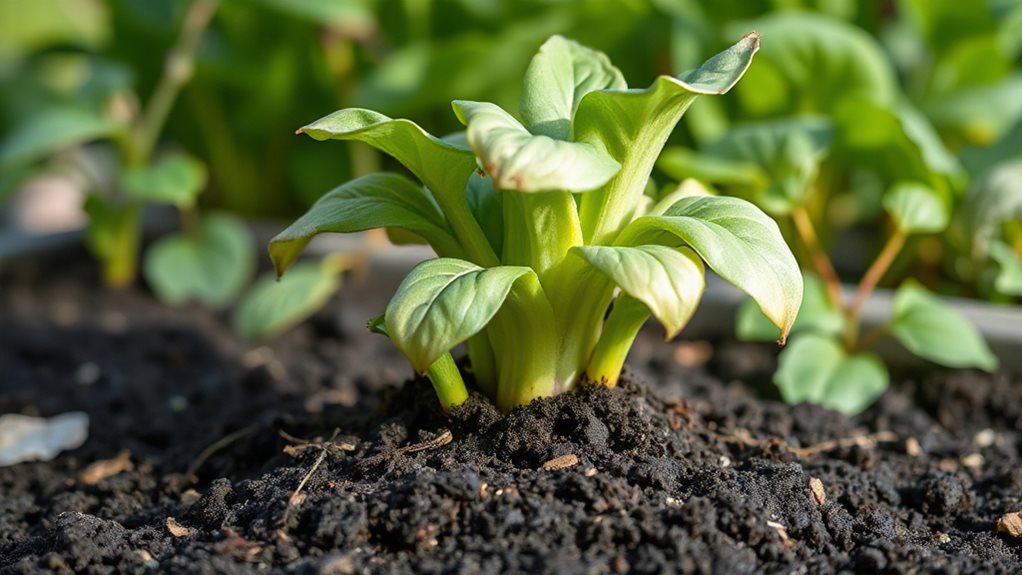
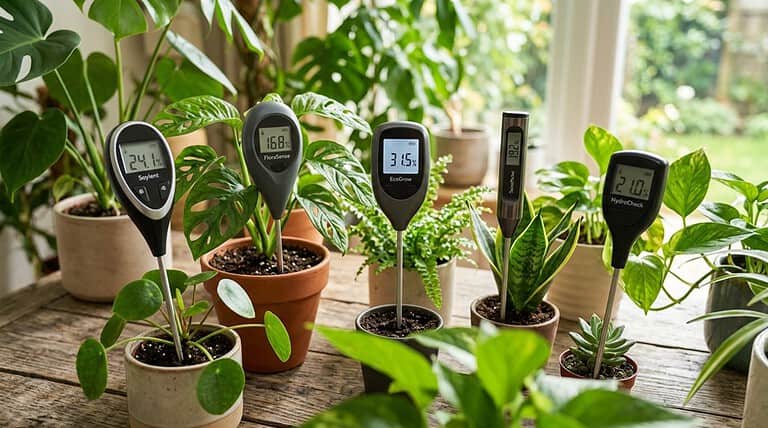
Ever wondered why a plant looks like it’s just survived a desert trek right after you move it? You can stop that wilt by watering thoroughly before and after transplant, keeping soil evenly moist, and using a mulch blanket that’s a few inches away from the trunk. Add compost weeks early, protect from wind and sun, and check moisture with a meter—your plant will thank you. Root damage is the leading cause of transplant shock.
Why Root Disturbance Cuts Water Uptake and Triggers Wilting
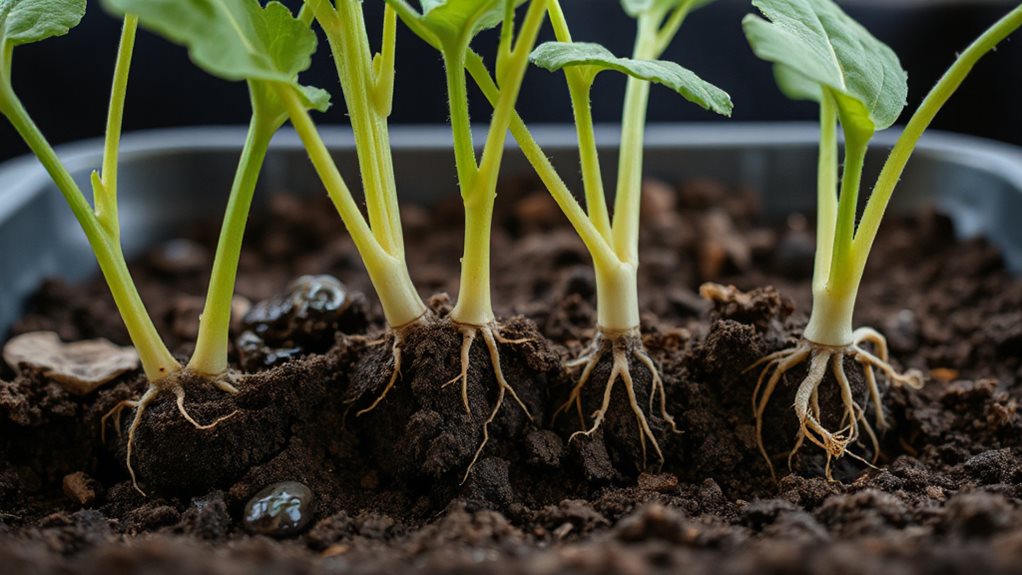
You’ve probably noticed that when you yank a plant out of its pot, the roots look like a tangled mess of broken fibers, and that damage instantly slashes the plant’s ability to soak up water, just like a leaky backpack loses its supplies on a hike. Have you ever watched a campfire die out because the wood is dry? That’s what happens when exposed root tips meet air— they dry out, the plant’s internal water highway gets clogged, and the leaves start to droop like a tired camper after a long trek.
Root Damage Reduces Absorption
Why does a plant wilt right after you move it? You’ve ripped off countless root hairs, those tiny water‑suckers, so the plant can’t drink fast enough; suberized apoplastic barriers crank up resistance, and aquaporins shut down like a camp‑site faucet. The result? Lower hydraulic conductivity, ABA‑driven stress signals, and a thirsty, droopy leaf—just like a hiker who forgot his water bottle.
Root Air Exposure Causes Desiccation
So, what actually happens when you yank a plant out of its cozy soil home and expose its roots to the open air?
Air rushes into the pores, creating a vacuum that sucks water out, so bulk flow stops, turgor drops, and the plant wilts within minutes, especially in dry, low‑humidity conditions where air‑filled pores block the usual water pathways.
Root System Shrinkage Limits Uptake
Ever wonder why a plant looks like it’s taken a sudden hike after you pull it out of its pot? When you disturb its roots, you tear the tiny hairs and create air pockets, so water can’t travel up the highway.
The compacted soil around shredded roots blocks oxygen, the rhizosphere dries, and the plant wilts, just like a camper who forgot to pack enough water.
How Planting Depth and Pot Size Affect Root Health After Transplant
You’ll notice that planting a seedling at the right depth—neither too deep where the stem drowns nor too shallow where the roots dry out—keeps the root flare happy and the plant sturdy, just like setting up a tent on level ground before a night hike; have you tried matching the pot’s diameter and depth to the species’ natural root spread, so the roots can stretch without getting cramped, kind of like choosing a backpack that fits your gear without turning you into a walking sack?
Remember to dig a hole about one‑and‑a‑half times the width of the root ball and place the plant a couple of inches above grade, then give the soil a firm pat, because a little extra space and proper depth are the secret sauce that makes your transplants thrive like campers who’ve found the perfect campsite.
For longer-term success, consider improving surrounding soil with organic matter like topsoil and compost to support moisture retention and nutrient uptake.
Optimal Planting Depth
Ever wondered why a plant that looked perfect in its pot suddenly droops after you dig a hole and drop it in? You should set the root collar level or a bit above ground, expose the first major roots, and match the hole depth to the root ball height; avoid burying the stem, keep the top 5‑10 % above grade, and use a hole two‑to‑three times wider than the pot for easy root spread.
Pot Size Matching
When you set the root collar just above the soil line, you’ve already nailed the depth part, so the next thing to watch is how big the pot was before you dug that hole.
Choose a pot that lets roots spread—doubling size can enhance biomass by 43%, and you’ll avoid cramped, circling roots that stress seedlings; just remember to water less often in those bigger containers.
Root Space Management
So, ever wondered why a plant that looks perfect in its pot suddenly droops after you plant it in the garden?
You need to match the original tray depth, keep the root flare at soil level, and dig a hole a bit bigger than the pot, loosen the soil, add compost, and tamp gently—no tight packing.
Fill the space, water generously, and watch those roots thrive.
How Rapid Light, Temperature, and Humidity Shifts Cause Transplant Shock
Why do plants freak out when you yank them from a shady spot and drop them into bright sun, scorching heat, or dry air? You’ll see leaf scorch, wilting, and guard‑cell panic because sudden light, temperature, and humidity spikes overwhelm their tiny water‑regulating systems, especially when roots are bruised; give them shade, wind blocks, and gradual acclimation to keep them thriving.
How Watering Mistakes Worsen Transplant‑Shock Wilting
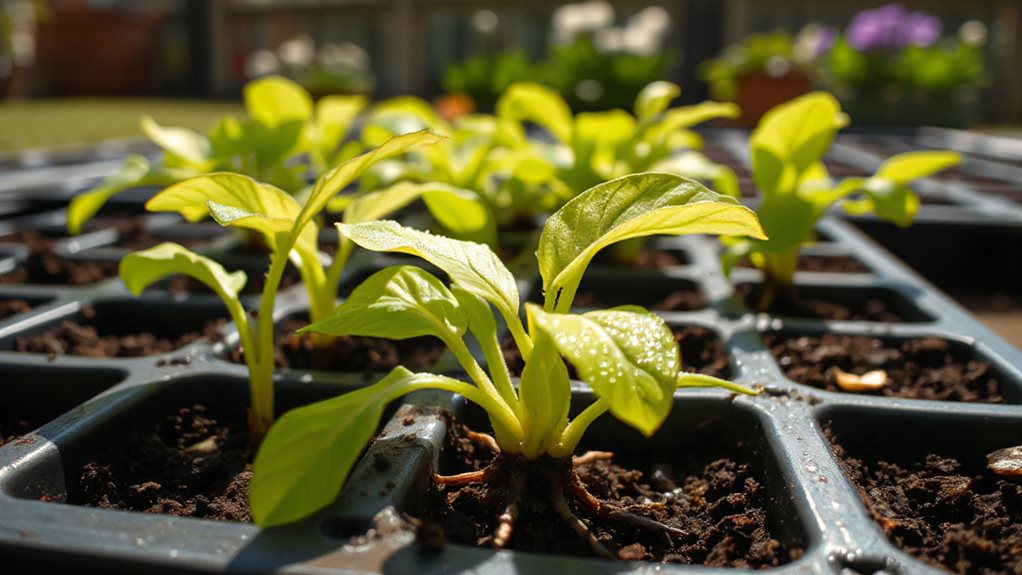
Ever wonder why a newly planted seedling can look like it’s just survived a desert trek? If you overwater, the roots drown, oxygen vanishes, and leaves curl like tired hikers; underwatering leaves them parched, confused by dry tops over moist depths. Inconsistent schedules act like sudden weather flips, shocking the plant. Ensure proper drainage, water immediately, then keep moisture steady—your seedlings will thank you. Rain can also force ants and other pests onto patios and closer to your plants, so check for post-rain swarms that can damage tender transplants.
Signs That Wilting Comes From Root Damage Versus Other Problems
You’ve probably noticed that a seedling can look droopy even when the soil feels soggy, and that’s a big hint that the roots are the culprits, not just a watering slip‑up. If leaves curl, brown, or drop quickly after transplant, think root hairs and mycorrhizae are bruised; if wilting spikes under scorching sun, sudden shade, or windy gusts, blame environmental stress instead. Spotting these patterns helps you diagnose correctly. Repotting into a slightly larger pot with fresh soil can relieve root-bound stress and aid recovery.
Immediate Steps to Revive a Wilted Transplanted Plant
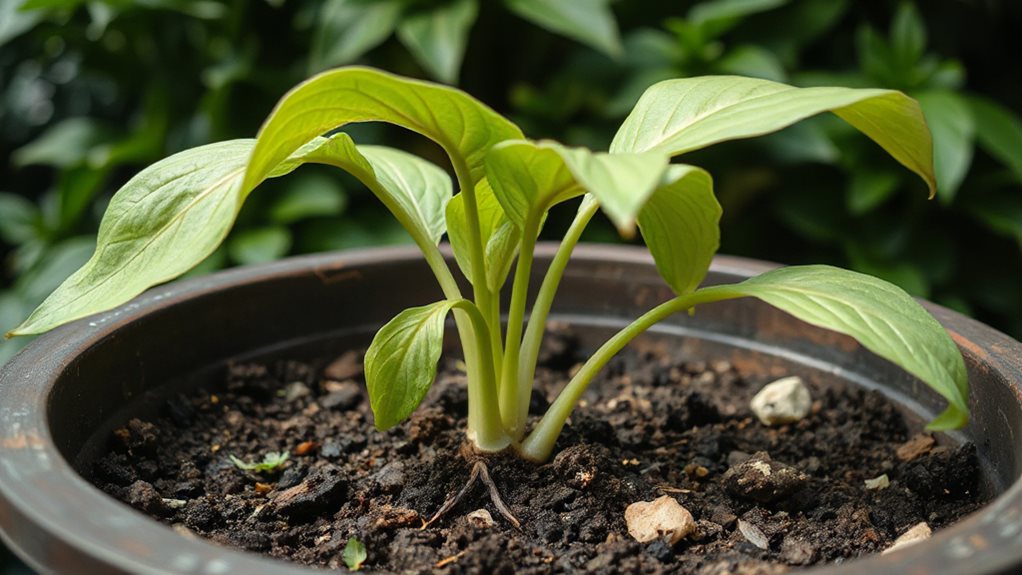
A quick rescue plan starts the moment you notice the droop, and the good news is you can turn that wilted mess into a thriving green buddy faster than a campsite fire catches a spark.
First, water thoroughly but check the finger test to avoid soggy roots, then shade it from direct sun, prune a third of drooping leaves, mulch for moisture, and sprinkle mycorrhizal inoculant for a speedy comeback. Select disease-resistant varieties like Liberty to reduce disease pressure and improve long-term transplant success.
Long‑Term Care Routine to Prevent Future Transplant‑Shock Wilting
After you’ve rescued that droopy newcomer, the real journey begins: keeping it happy for the long haul so it never throws another transplant‑shock tantrum. Water deeply each week, mulch two inches, and protect from harsh sun and wind; then feed with phosphorus‑rich solutions and seaweed fertilizer, re‑apply mulch as needed, and gradually harden off, ensuring roots stay moist, not soggy, for years. Provide consistent moisture and proper light to help seedlings thrive and develop strong roots.
When to Seek Professional Help for Persistent Transplant‑Shock Wilting?
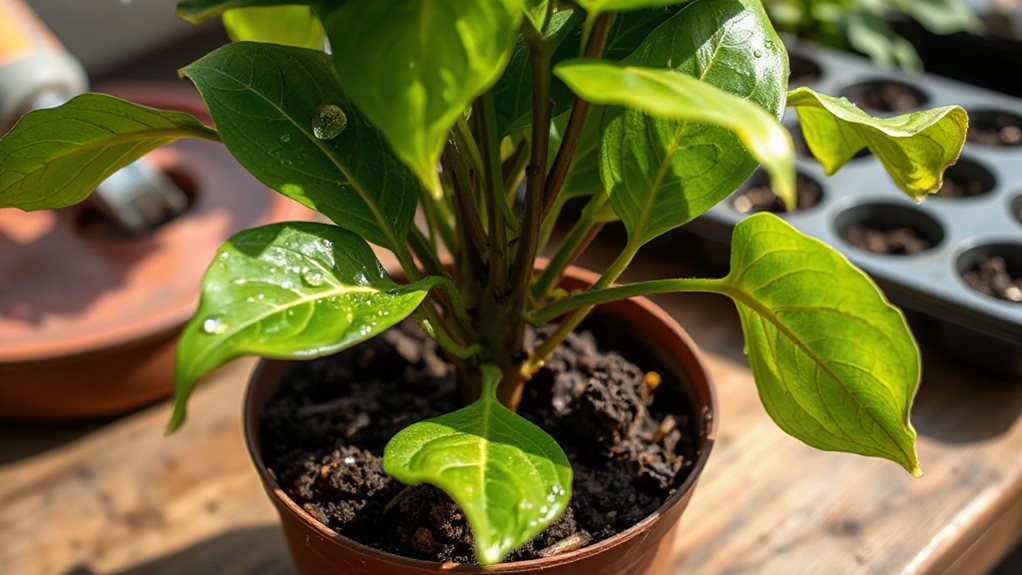
Ever wonder when a droopy newcomer has crossed the line from “just a little thirsty” to “call the plant‑rescue squad”? If wilting lasts beyond 2‑4 weeks for houseplants, or trees show no sign after three years, it’s time to call an arborist or horticulturist; especially when pruning, mulching, and deep watering haven’t helped, or when you notice grey‑green needles, branch dieback, and pest infestations spreading like campfire stories.
Overall
So, after you’ve given your plant a fresh start, remember that a little patience, proper watering, and steady light are the secret sauce to banish wilting—think of it like setting up camp: you need a solid tent, a reliable fire, and the right gear. Keep an eye on root health, avoid sudden temperature swings, and don’t over‑water; if the leaves perk up, you’ve nailed it. And if they stay droopy, it’s time to call in the pros—just like a ranger when you’re lost in the woods. Happy gardening!