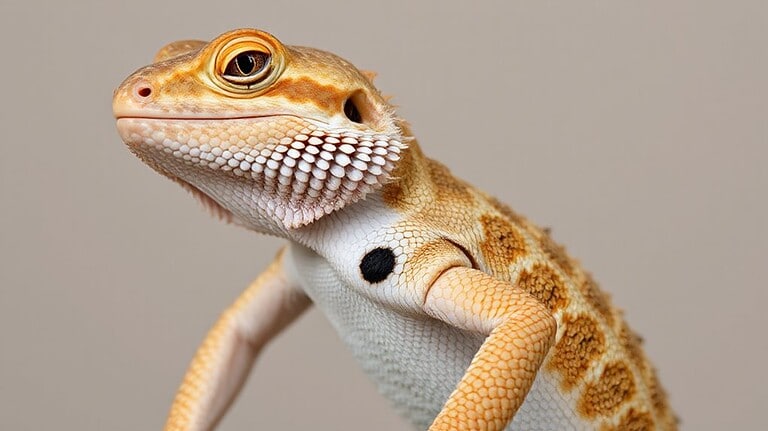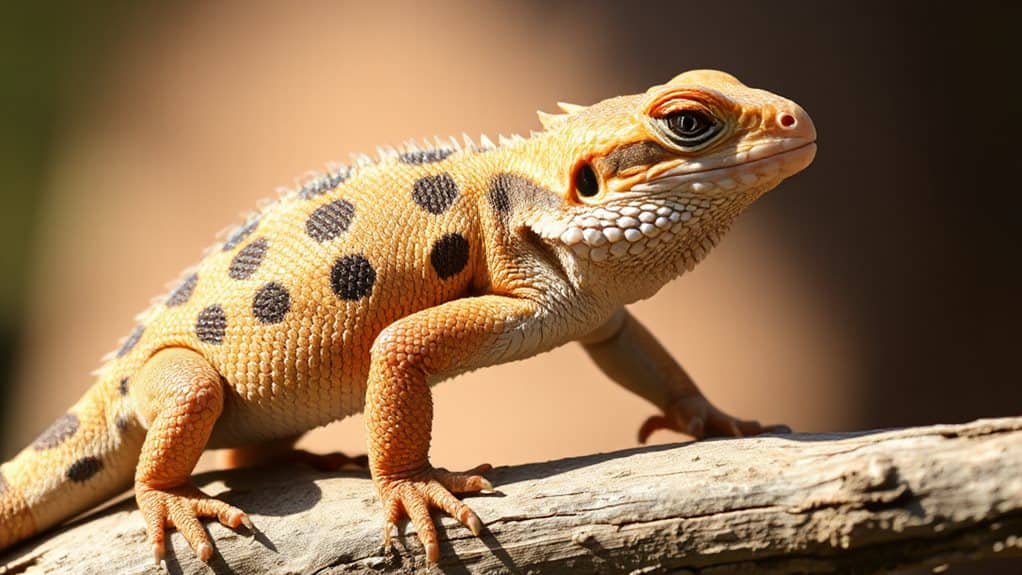
What Do Black Spots on a Bearded Dragon Mean?
You’ll spot black specks on the chin, belly or back when your dragon’s stressed, too hot, shedding, or just moved into a new hide, because melanin floods the skin like a campfire glow; a quick warm bath, stable temps (around 40–42 °C basking, 22–25 °C cool side), and less handling usually make them fade, but if they linger past a week, darken, or come with lethargy or loss of appetite, it could be illness, so keep an eye on those clues and you’ll uncover the next steps.
TLDR
- Black spots often signal stress, temperature imbalance, or shedding, especially on the chin, neck, and belly.
- Inadequate basking temperature or placement can cause rapid darkening; maintain 40–42 °C basking and 22–25 °C cool zones.
- During shedding, new skin may appear darker; spots typically fade after the shed completes.
- Persistent or worsening spots (over a week) with lethargy, appetite loss, or abnormal color indicate possible illness; seek veterinary care.
- Changes in habitat, handling, or dehydration can trigger temporary marks; ensure proper humidity, hydration, and stable enclosure conditions.
What Black Spots Usually Mean: Quick Overview
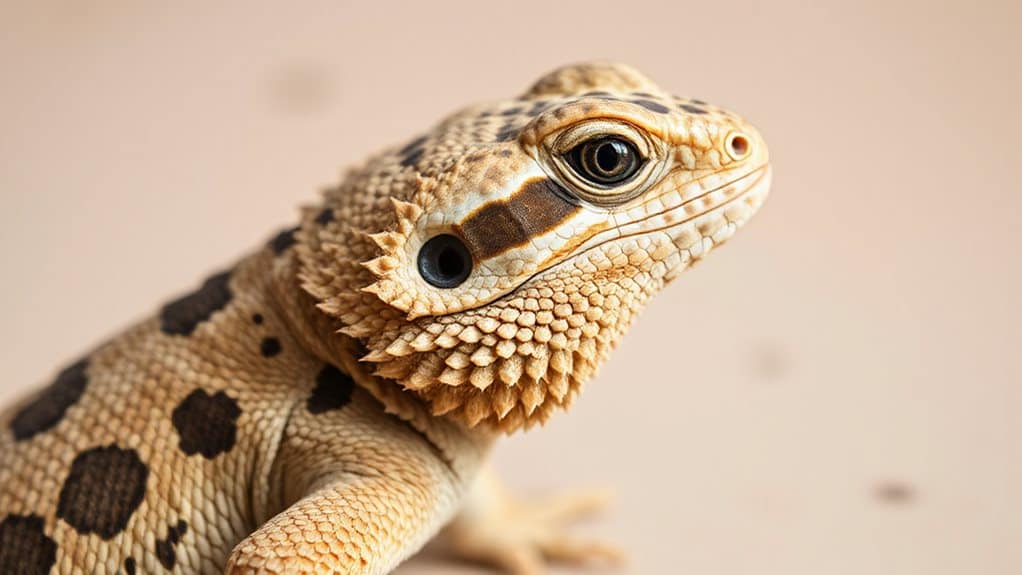
If you’ve ever spotted those mysterious dark specks on your bearded dragon’s back, you’re probably wondering what they’re trying to tell you—well, they’re basically the reptile’s version of a mood ring, flashing signals about stress, temperature, and shedding. Local climate and enclosure conditions can also influence these markings, so consider your region’s microclimate when adjusting habitat settings.
Those spots usually mean your dragon’s feeling uneasy, maybe the tank’s too hot or cold, or it’s struggling with a shed; calming the environment or adjusting humidity often clears them up. During shedding, a warm bath can help reduce stress marks.
How Stress Triggers Dark Marks on Chin, Neck, and Belly
When a bearded dragon feels stressed, those dark marks pop up on its chin, neck, and belly like a tiny, reptilian mood ring, and it’s not just a random pigment—melanophores expand, flooding those areas with melanin so the dragon can “talk” to you about its discomfort.
You’ll notice it after a move, rough handling, or shedding; younger dragons show brighter lines, while adults learn to hide them.
Reduce handling, give a stable habitat, and watch the marks fade as your scaly friend relaxes. Plants respond to environmental stress too, so maintaining stable temperatures and consistent conditions can help reduce stress-related markings.
How Temperature and Basking Spots Can Trigger Black Spots
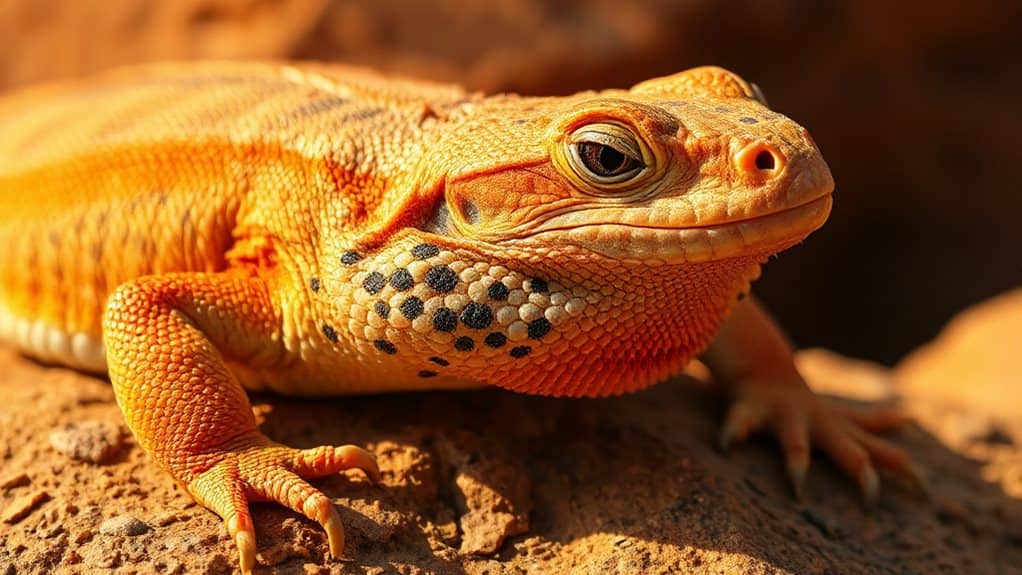
You’ll notice that when your dragon’s basking light is too low or placed in a shady corner, the reptile can turn a deep black, almost like a night‑time campfire glow, because it’s trying to soak up every bit of heat it can find.
Have you ever set up a “camping” spot for your pet with a bright lamp and a rock perch, only to see those tiny overheating spots appear when the temperature spikes a few degrees too high?
Try moving the lamp to an lifted, unobstructed spot and keep the gradient between 95‑110°F, then watch the dark patches fade as quickly as a sunrise over the desert.
Heat-related color changes are a natural defense as reptiles adjust behavior and posture to reduce heat stress, similar to how plants curl leaves to conserve water and limit sun exposure heat stress.
Spotting Overheating Spots
A scorching basking spot can turn a happy bearded dragon’s belly into a map of tiny, mysterious black dots, and you’ll quickly learn that those marks are less about trip and more about a heat‑induced stress response.
You’ll notice rapid darkening on the chin or belly when the basking area tops 115°F, so check thermometers, add fans, and give your dragon cool zones to prevent stress‑spot camping.
Inadequate Basking Light Placement
Scorching heat isn’t the only culprit behind those mysterious black dots—where you put the basking light can be just as sneaky, and it’s a lot like setting up a campsite: if the fire’s too far, you’re shivering; if it’s too close, you’re singed.
Keep the bulb 6‑24″ above the spot, measure 105‑115°F, and adjust the platform or dimmer until your beardie enjoys 30‑minute morning basking without lingering all day, preventing stress‑induced dark spots.
Adjusting Tank Temperature to Prevent Black Spots
When you set up a bearded dragon’s tank, think of it like planning a perfect campsite: you need a sunny spot for roasting marshmallows and a cool shade for a breezy nap, and if you get the temperature wrong, those mysterious black spots can show up faster than a campfire smoke alarm.
Keep basking at 40‑42 °C, cool side at 22‑25 °C, night drop to 15 °C, use an overhead lamp with a thermostat, adjust lamp height or wattage, and check both ends daily with probes.
Planting bulbs with aromatic compounds can also help deter pests in garden spaces near outdoor enclosures, reducing stressors that might affect your pet.
Shedding & Habitat Changes That Cause Temporary Black Spots
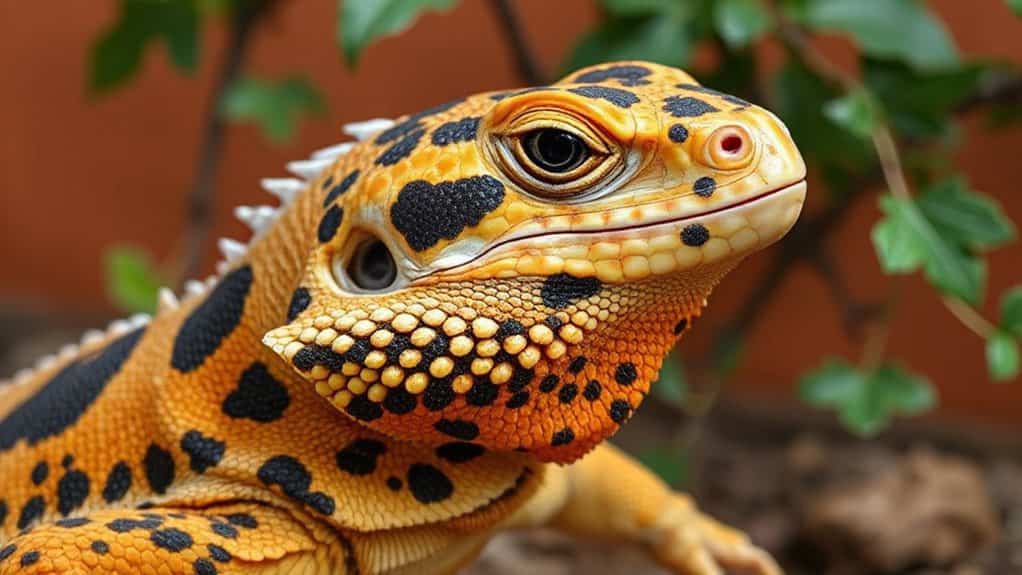
You’ll notice your dragon’s chin and belly turning almost midnight‑black just as it’s shedding, because the new skin underneath shows up like a secret map of stress marks, and you can almost hear it whisper, “I’m getting a fresh look!”
When you swap out tank décor or add a new hide, the sudden change can trigger a flash of dark spots—think of it as your pet’s version of packing for a camping trip, complete with a little panic‑induced camouflage.
Keep an eye on the timing, because once the shedding finishes or the habitat settles, those spots usually fade away, so you can relax and enjoy the journey without worrying about permanent markings.
Shedding Cycle Color Shifts
Even if you’ve never watched a bearded dragon go through a shed, you’ll notice it’s kind of like a mini‑adventure: the reptile’s skin starts to look milky and dull, then—boom—those hidden colors pop back out like a surprise reveal after a camping trip.
As the old layer lifts, you’ll see translucent patches, tail whitening first, then vivid post‑shed hues burst forth, making each molt feel like a fresh expedition.
New Habitat Introduction Stress
If you’ve just moved your bearded dragon into a brand‑new tank, you might notice a few mysterious black specks showing up on its skin, kind of like the surprise “campfire embers” you see after a night trek in the woods. Those spots often signal stress from unfamiliar lighting, temperature gradients, or missing hideouts, so give your dragon weeks to settle, check gradients, add shelters, and limit handling until the specks fade.
Temperature Fluctuation Effects
When the heat in your dragon’s tank swings like a mountain trail sunrise‑to‑sunset, those tiny black specks can pop up just like campfire embers after a night hike, and they’re actually a clue that the reptile’s shedding cycle is getting a jolt.
You’ll notice them when you let the basking spot dip below 100°F or when the cool side stays too chilly, because temperature spikes stress the skin and dry out the humidity, making shedding faster and those spots appear.
Keep the gradient steady, add a mist, and the specks will fade.
How to Distinguish Illness‑Related Marks From Stress Marks?
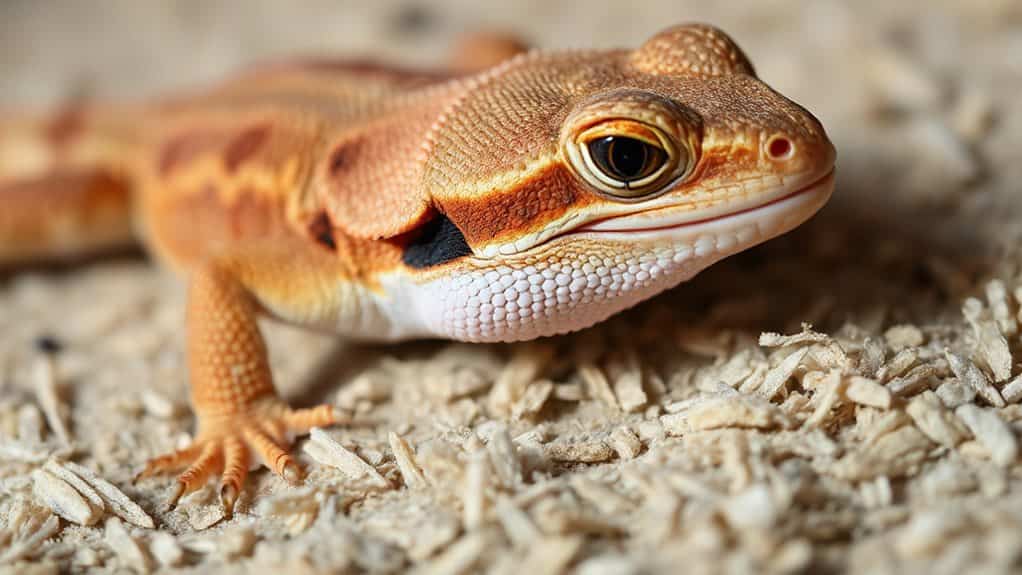
Capture your bearded dragon chilling on a rock, and suddenly you notice a dark line creeping across its chin—does that mean it’s feeling stressed, or is something more serious brewing?
Look for timing: stress marks fade in hours or days after a trigger like a new tank, while illness spots linger despite perfect heat and UVB.
Pair the pattern with behavior—lethargy, swollen eyes, or trouble walking signals disease, so a vet visit’s wise.
Also consider environmental clues like humidity and substrate—humidity levels can influence whether marks are stress‑related or disease‑related.
Key Behaviors That Signal Black‑Related Black Spots
After you’ve learned how to tell stress marks from disease spots, let’s jump into the actual behaviors that scream “something’s up” on your dragon’s skin.
You’ll notice frantic glass‑scrabbling, endless back‑and‑forth runs, head‑bobbing without a dominance vibe, and a darkened beard even when it’s not puffed; plus appetite loss, sluggishness, and refusing bask spots—clear stress flags.
Digestive Problems That Often Appear as Black Spots
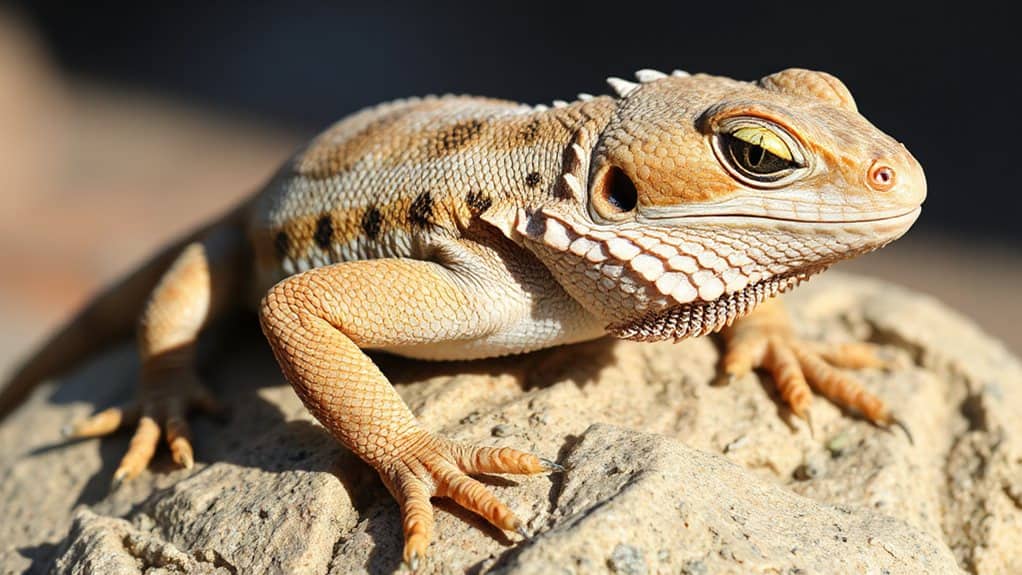
Even though a bearded dragon’s skin can look like a tiny map of exploration scars, many of those dark spots actually whisper a story about what’s going on inside their bellies—think of it as a “travel diary” for their digestive system.
You’ll see parasites turning stool black, blockages staining it, stress‑induced constipation, or bacterial rot darkening the belly, each clue pointing to gut trouble you can catch with a fecal test, substrate swap, or proper hydration.
When to Seek Veterinary Care for Persistent or Worsening Spots?
Ever wonder when those mysterious dark patches on your bearded dragon’s chin or belly stop being just “cute campfire scars” and start screaming for help?
If spots linger past a week, darken, or come with lethargy, appetite loss, or abnormal color, call an exotic vet now; don’t gamble on lighting tweaks.
Even a baby’s stubborn marks deserve professional eyes, especially when bone disease or impaction looms.
And Finally
So, keep an eye on those dark dots—most are just stress signals, not a death sentence, and a quick temp check or a chill‑free basking spot usually fixes them. If the spots linger, fade, or come with lethargy, loss of appetite, or weird shedding, it’s time to call the vet. Remember, a happy, well‑regulated dragon stays bright‑colored, so tweak the habitat, stay observant, and enjoy watching your scaly friend thrive!