The Best Vegetables to Plant After Tomatoes
Once your tomato plants have finished their season, don’t just plant anything—your soil needs a breather and some backup! Toss in leafy greens like lettuce and spinach for a quick, easy harvest, or go for root veggies such as carrots and radishes that loosen up your soil and add a sweet crunch to your campfire salads. Want to energize your soil even more? Beans are like the RVs of plants: they travel with bacteria buddies and pump nitrogen right back in. Want to know what NOT to plant next? Stick around!
TLDR
- Legumes like beans and peas are ideal after tomatoes because they naturally add nitrogen to the soil and improve soil health.
- Leafy greens such as spinach and lettuce grow quickly, use fewer nutrients, and help fill garden space after tomato harvest.
- Root vegetables like carrots, radishes, and onions loosen soil structure and are less susceptible to tomato-related pests and diseases.
- Avoid replanting potatoes, brassicas, fennel, or corn after tomatoes to reduce disease and pest risks and prevent soil nutrient depletion.
- Rotating diverse crops after tomatoes helps maintain soil fertility, prevents disease buildup, and supports sustainable gardening practices.
What to Plant After Tomatoes in Raised Beds
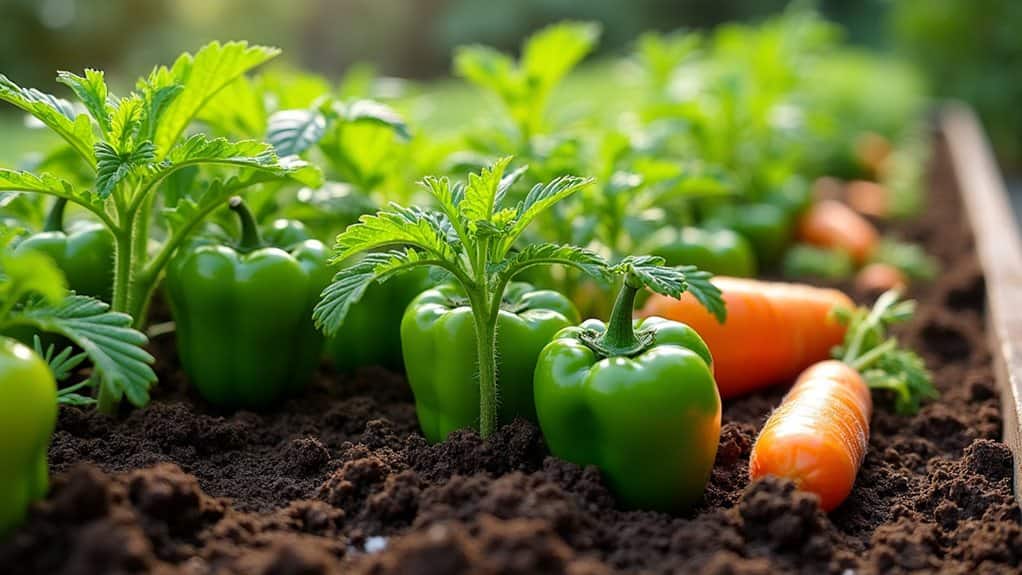
Even though it might feel a little sad to say goodbye to your tomato plants after they’ve given you baskets of juicy summer snacks, you’ve actually got a golden opportunity to turn your raised bed into the ultimate travel destination for new veggies!
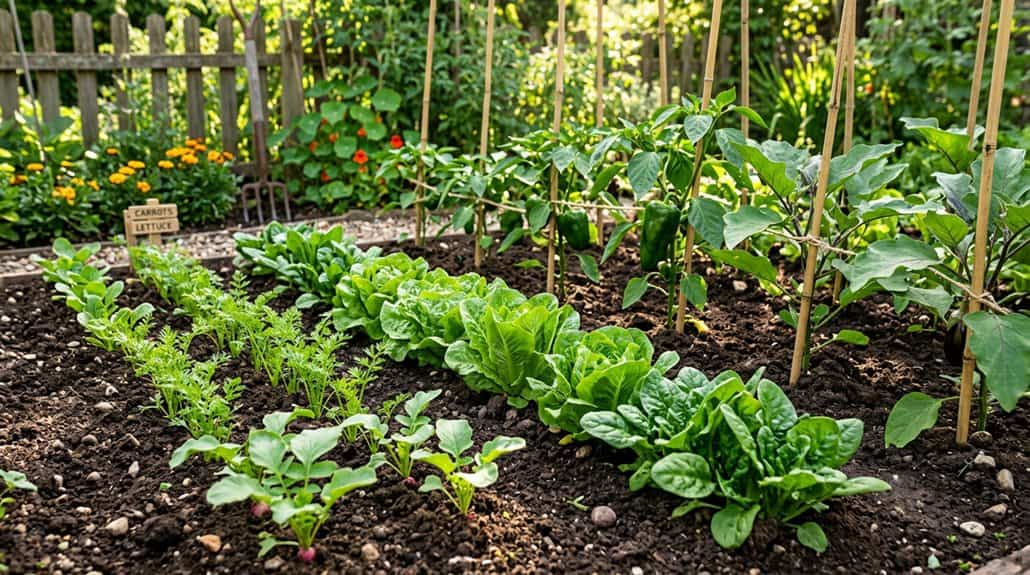
Try crop rotation by planting beans or peas for a nitrogen enhancement, leafy greens for shade-lovers, or root veggies like carrots—trust me, your soil will thank you!
Incorporating soil testing kits can help you determine the precise nutrient needs of your soil, ensuring your new plantings get the best start.
Why Rotate Crops After Tomatoes?
Imagine this: you’ve just finished harvesting the last sun-warmed tomato from your raised bed, and now your soil is like a campground after a wild summer expedition—ready for a fresh group of campers!
Crop rotation is your soil’s vacation reset. By rotating crops after tomatoes, you enhance soil health, kick pests packing, and prevent nasty diseases like blight from crashing the party next season.
Additionally, planting different vegetables can help break the cycle of mineral buildup, which can interfere with plant health and yield.
What Not to Plant After Tomatoes
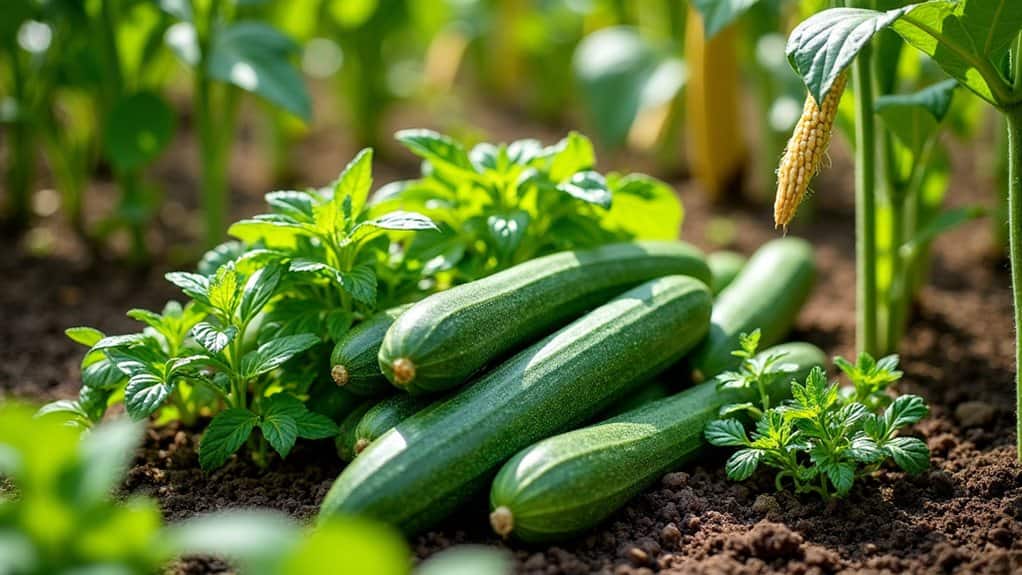
While you might feel tempted to toss any old seeds into the spot where your tomatoes once thrived, hold up—because not every vegetable is ready to be the next happy camper on this patch of soil!
Skip potatoes, since they can get hit by the same soil-borne diseases as tomatoes.
Brassicas like broccoli or cabbage? Nope, they’re greedy for nutrients.
Fennel and corn? They’ll just cause trouble—trust me!
Be cautious of planting too early, as frost damage can severely harm vulnerable seedlings and delay your harvest.
Leafy Greens for Crop Rotation After Tomatoes
After you’ve harvested your last juicy tomato and cleared out those tangled vines, you might be wondering what’s next for your garden adventure. Well, let me tell you, leafy greens like spinach and lettuce are absolute superstars for crop rotation after tomatoes!
These greens love leftover nutrients, grow fast, and don’t hog resources. Plus, you’ll fill empty space, keep soil healthy, and have fresh salads for your next campsite picnic!
Top Root Vegetables to Grow After Tomatoes
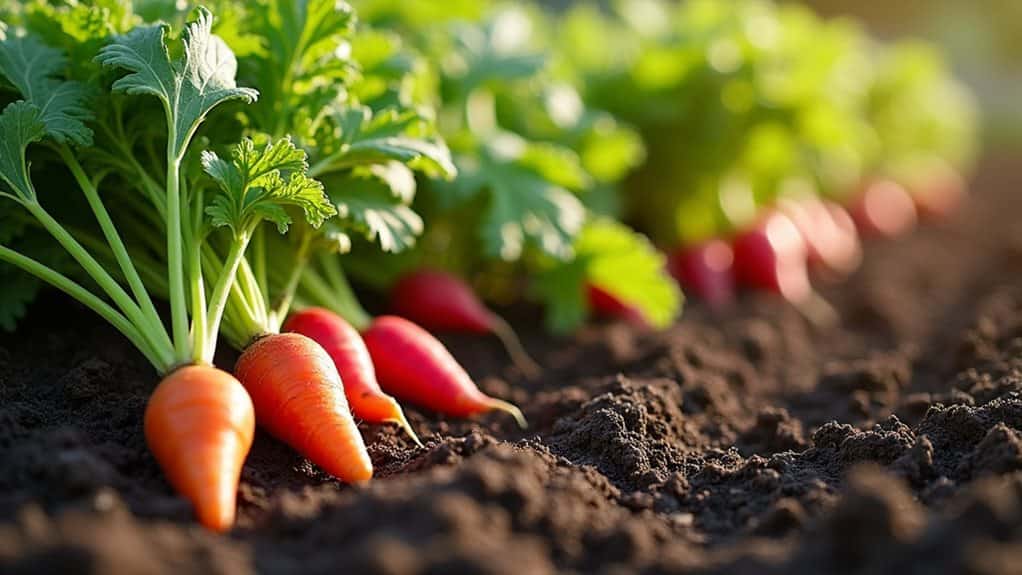
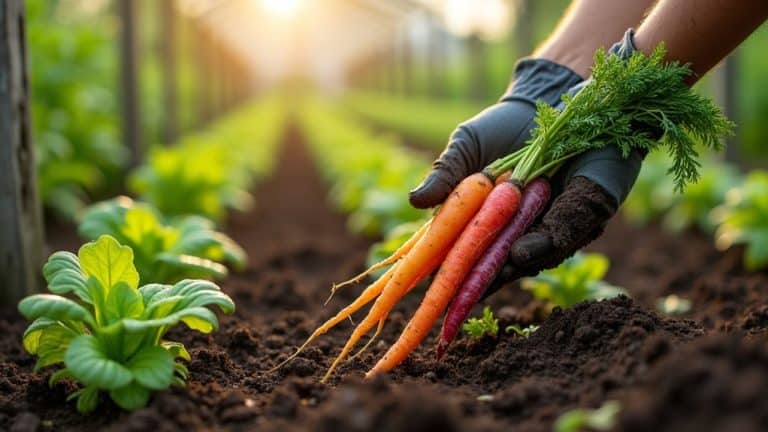
Greens are great, but let’s get our hands dirty with some root vegetables—seriously, you won’t believe how much fun you can have growing carrots, radishes, and even onions right where your tomato jungle used to be.
Root vegetables are awesome for soil improvement, loosening up the earth, and giving it a nutrient enhancement. Plus, they grow fast, so you can serve fresh harvests in no time!
Legumes to Restore Soil Health and Nitrogen
Honestly, if you want your garden soil to bounce back after a tomato takeover, legumes are your new best friends—think beans, peas, and lentils, all working behind the scenes like tiny soil magicians! These little guys partner up with bacteria to pull nitrogen from the air, pumping it back into your soil. Plant legumes, enhance soil health naturally, and you’ll help future veggies thrive—no magic wand required! Upcycling and creative gardening can also play a role in maintaining a healthy and sustainable garden environment.
Best Herbs to Plant After Tomatoes
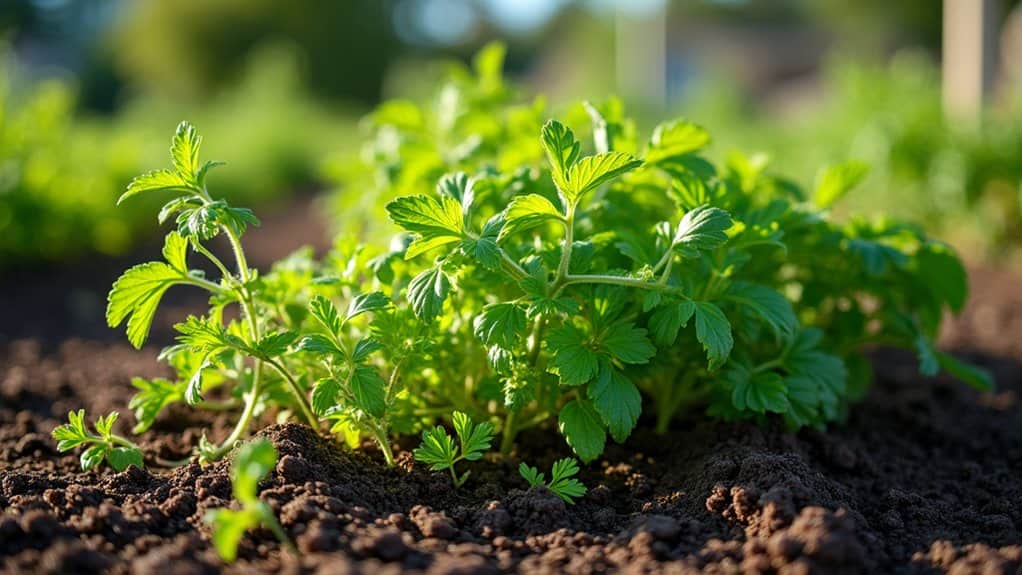
Now that your tomatoes have wrapped up their summer escapade, let’s talk about which herbs make perfect neighbors for your next planting.
Some, like basil and chives, not only repel pesky bugs but also enhance your garden’s flavor game, kind of like bringing s’mores on a camping trip.
Have you ever wondered which herbs actually help your soil or keep pests from crashing your vegetable party?
Trust me, you’ll want to know which ones are garden heroes (and which are party poopers) before you start planting! Natural pest control methods can make a significant difference in maintaining a healthy garden.
Nitrogen-Fixing Herb Options
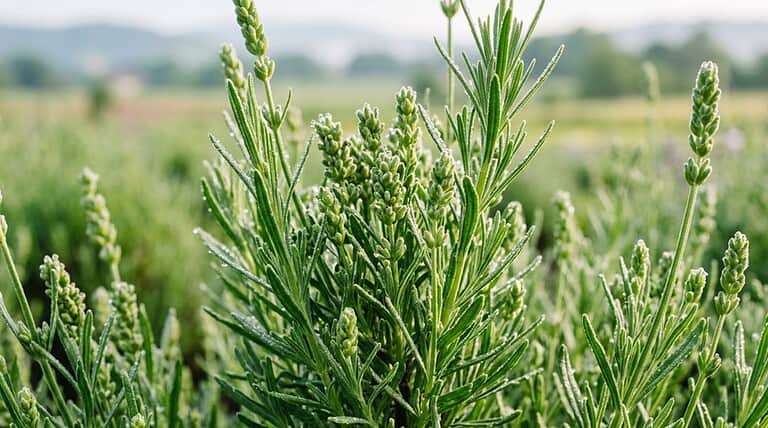
Ever wondered what to plant after your tomato jungle has finally cleared out for the season? If you want your soil to bounce back, try some nitrogen-fixing herbs like chives, garlic, or even leguminous heroes like clover and vetch.
These plants act like little soil doctors, restoring nutrients tomatoes gobbled up. Trust me, your next veggie crop will seriously thank you for giving back to the earth!
Pest-Repellent Herb Choices
Once your garden has enjoyed its little spa day with nitrogen-fixing herbs, it’s time to talk about another team of garden superheroes: pest-repellent herbs!
Trust me, adding basil, chives, thyme, oregano, rosemary, and sage after tomatoes is like bringing your own bug-fighting squad to the campsite. These herbs help repel pests, enhance flavor, and keep your garden thriving, so you can keep serving up the freshest produce around!
Planning Crop Rotation in Raised Beds
Although it might sound a little like planning a secret mission, figuring out crop rotation in your raised beds is actually pretty fun—and totally worth it if you want awesome veggies year after year! Incorporating different plant families and understanding plant care tips can help keep your soil healthy and prevent pests and diseases from taking hold.
Tips for Healthier Soil and Bigger Harvests Next Season
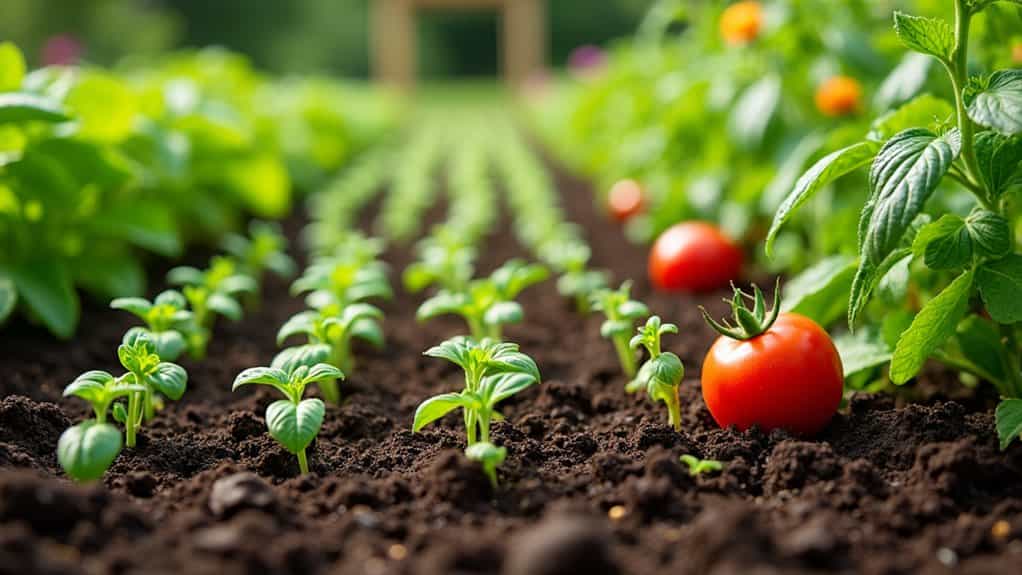
If you want your garden beds to perform like champs next season, let’s get serious about giving that soil some TLC—think of it as prepping your campsite so you’re not sleeping on rocks!
Rotate crops—try beans or peas for soil enhancement, then follow up with root veggies like carrots.
Toss in compost or manure, and you’ll increase nutrients, disrupt pests, and serve up bigger, healthier harvests!
Common Mistakes to Avoid After Harvesting Tomatoes
Alright, before you start dreaming about your next garden escapade or planning a camping trip in your backyard, let’s make sure you don’t fall into some classic tomato-aftercare traps—like forgetting to give your soil a snack, sticking with the same plant family, or tossing in veggies that attract every bug in the zip code.
Trust me, I’ve learned the hard way that skipping crop rotation or ignoring soil health is like packing for a road trip and leaving all your snacks at home—nobody’s happy, especially your plants!
And don’t forget to properly store your equipment to prevent hazards and ensure safety for your next use.
Skipping Soil Nutrient Replenishment
Imagine this: you’ve just finished harvesting a mountain of juicy tomatoes, and you’re feeling like a gardening superstar—so what’s next? Don’t just pitch a tent and celebrate!
If you skip replenishing soil nutrients, your next veggies might be sadder than soggy camping socks. Tomatoes gobble up nutrients like potassium and phosphorus, so be generous with compost or fertilizer. Your future crops—and your campers—will thank you!
Ignoring Crop Family Rotation
Once you’ve beefed up your soil with a fresh batch of nutrients, it’s time to think about your next gardening move—kind of like planning your next big camping trip!
Don’t ignore crop family rotation, or you’ll invite soil pests and tomato diseases to stick around like uninvited guests. Rotating crop families safeguards soil nutrients, keeps your garden healthy, and makes certain you’re serving up great veggies to everyone!
Replanting Disease-Prone Vegetables
Even though it’s tempting to fill that empty tomato bed right away with another round of veggies, you’ve got to be careful about what you plant next—think of it like picking a campsite after a big storm. You wouldn’t want to pitch your tent in the same muddy spot!
Replanting potatoes or brassicas can invite blight and pests, so practice crop rotation to keep your garden—and your service—healthy.
Overall
So, now you know exactly what to plant after tomatoes—don’t just leave your beds empty! Trust me, rotating your crops is like giving your soil a vacation after a long, tomato-filled camping trip. Try leafy greens, root veggies, or even some zesty herbs, and you’ll see your garden bounce back with even more energy next season. Mix it up, experiment, and watch your veggies thrive—it’s honestly more fun than a s’mores cook-off!