Why Pear Tree Fruit Drops Early (And How to Stop It)
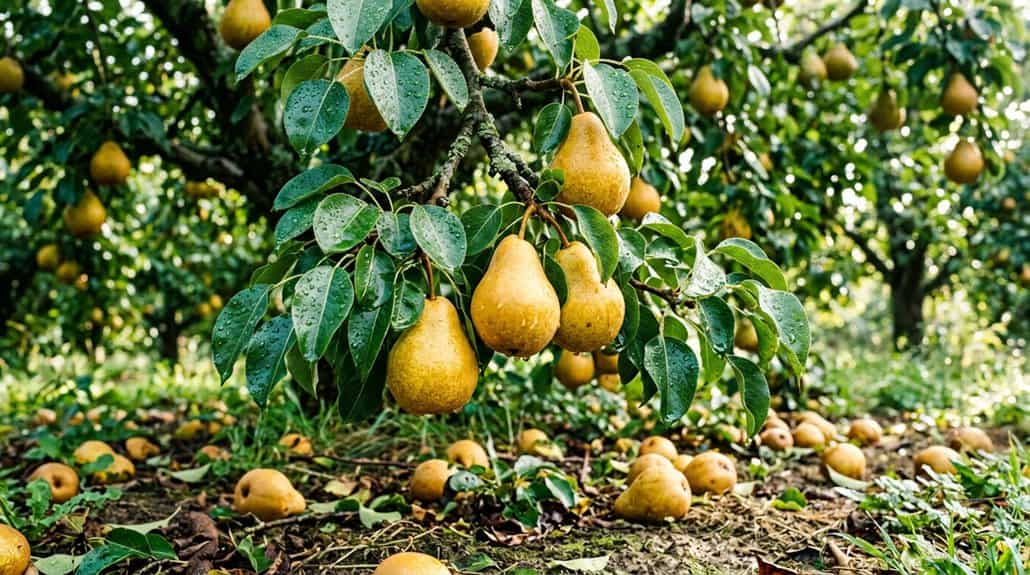
If your pear tree is tossing fruit before it’s ripe, it’s probably stressed—think crazy weather, forgetful watering, overloaded branches, or not enough food (yes, trees get hangry too!). Maybe you skipped pruning, or pollinators took a vacation, or a particularly cold night spooked your pears into dropping. Don’t panic! If you thin out fruit, water evenly, fertilize right, and keep your tree healthy, you’ll save your harvest and have snack-ready pears—stick around to uncover more handy tricks!
TLDR
- Pear fruit drops early due to stress from overbearing branches, poor pollination, pests, diseases, or adverse weather conditions.
- Uneven watering, skipped fertilization, and improper cultural practices can trigger early fruit shedding in pear trees.
- Frost, strong winds, and temperature extremes damage developing fruit and increase the risk of premature drop.
- Thinning fruit and pruning branches reduce tree stress and help retain more pears until harvest.
- Maintain tree health with regular watering, proper fertilization, pest control, and frost protection to prevent early fruit drop.
Top Reasons Pear Tree Fruit Drops Early
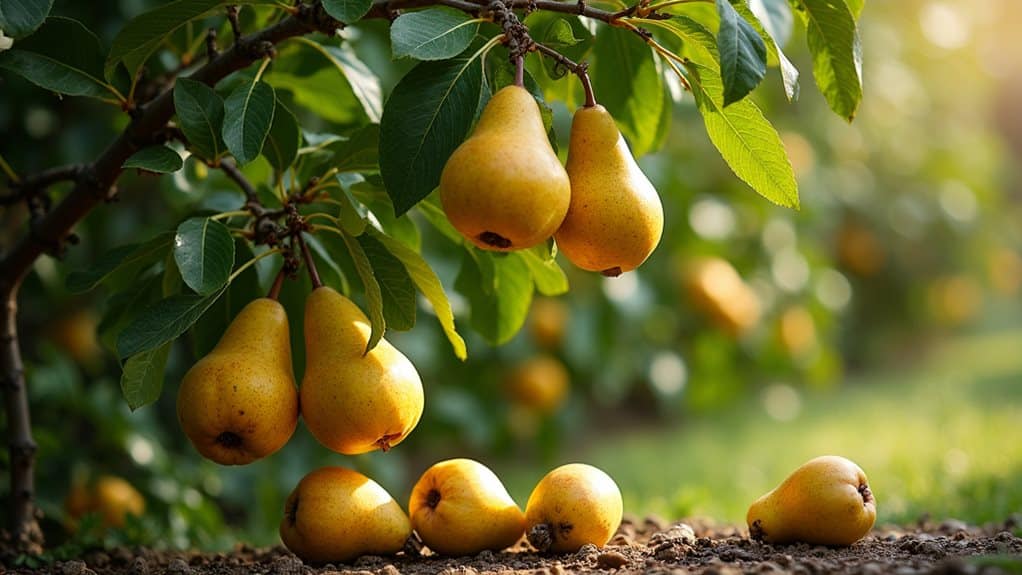
Even if you’re the world’s most dedicated backyard gardener, pear trees can be a bit dramatic when it comes to holding onto their fruit, can’t they? Fruit drop often happens thanks to overbearing branches, wild weather conditions, or poor pollination.
Sometimes, environmental stress, pests and disease, or bad cultural practices like skipping fertilizer or water lead to early shedding—think natural fruit thinning or serious nutrient deficiencies. Additionally, insufficient hot water recovery** can stress the tree’s overall health, potentially contributing to premature fruit drop.
How to Diagnose the Cause of Early Fruit Drop
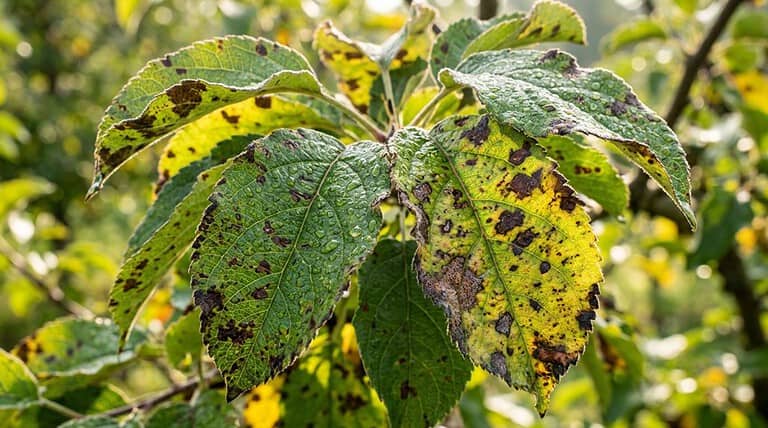
When your pear tree starts dropping fruit like it’s flinging them out of a slingshot, don’t panic—figuring out the root cause is basically an adventurous detective mission. Honestly, I think it’s as fun as setting up camp in a new spot. To diagnose early fruit drop, examine weather conditions, look for signs of damage from pests or disease, check pollination, assess tree health, and watch for nutrient deficiency clues. Additionally, inspecting the tree for gas leaks or damage can help identify underlying issues that may stress the tree and cause premature fruit drop.
How Weather, Watering, and Pollination Affect Fruit Retention
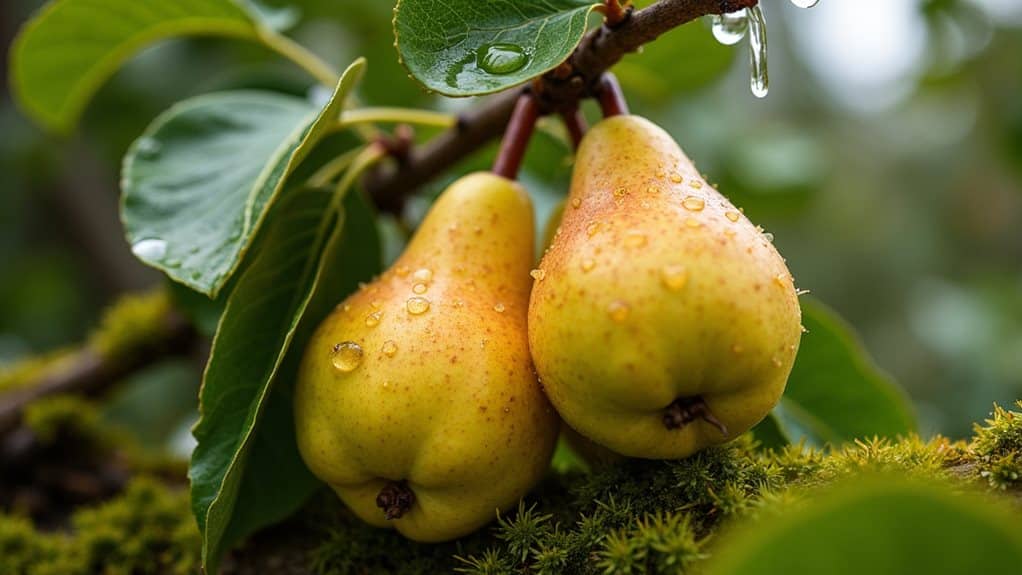
Although it might sound wild, the weather, your watering habits, and even those tiny buzzing pollinators all team up to decide whether your pear tree hangs onto its fruit or drops it early, like a camper ditching their backpack halfway up the trail.
If frost, wind, or uneven watering bring stress or damage, fruit drop can follow. Prioritize pollination, steady watering, and frost protection for healthy retention and development. Additionally, maintaining proper temperature and humidity levels can significantly influence fruit retention and prevent premature drop.
Thinning and Pruning Techniques to Prevent Fruit Drop
Let’s talk about a pear tree’s version of packing light for a hike—thinning and pruning! If you thin fruit early in the season, leaving about 4-6 inches between pears, you’re helping your tree avoid overbearing and branch stress. Incorporate proper site selection and ensure the tree is planted in well-draining soil with optimal temperatures to support healthy growth. Combine that with smart branch pruning, and you’ll enhance fruit retention, improve tree health, and keep the crop load balanced—no fruit drop backpack needed!
Actionable Steps to Ensure a Healthy Pear Harvest

So, you’ve thinned out your pears and trimmed back those crowded branches—nice work!
Now, keep your trees stress-free by checking fertilization, especially with magnesium and potassium, and invite friendly pollinators to enhance pollination.
Watch for cold snaps—throw on some frost protection like you’d pack extra socks for camping.
With smart thinning, pruning, and care, you’ll dodge early fruit shedding and enjoy a healthy harvest!
Overall
So, if you’re dreaming of juicy pears for your next camping trip or backyard snack, don’t let early fruit drop ruin your plans! Pay close attention to watering, weather, and pollination, and don’t be afraid to thin out the fruit or give your tree a good prune—think of it as a pear tree haircut. Trust me, your tree will thank you, and you’ll be the hero of your next outdoor escapade, armed with the tastiest, homegrown pears ever!