How to Soften Hard Garden Soil Naturally
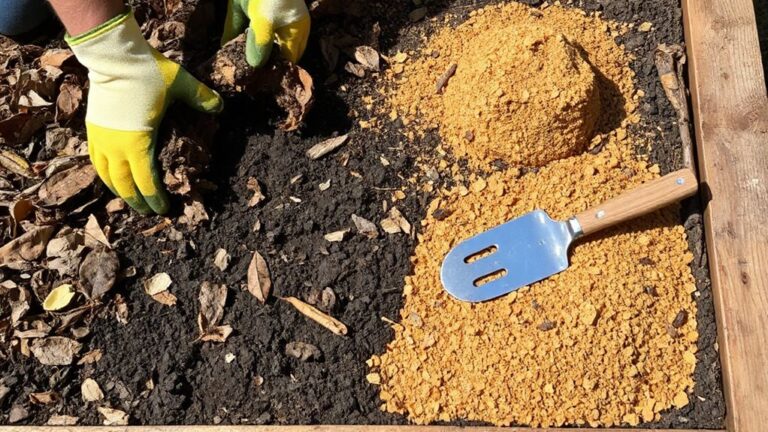
First, test the soil by feeling a handful—if it crumbles it’s sandy, if it balls up it’s clay, and a silky texture means it’s hard; then grab a broadfork or sturdy spade, clear the weeds, and rock the spikes 8‑16 inches deep, lifting and rocking every few centimeters to create airy beds. Next, mix in shredded straw, a few inches of well‑rotted compost, and a splash of compost tea to feed microbes that puff up the soil. Plant cover crops like clover or rye; their deep roots break up compaction while adding nitrogen. Sprinkle a modest dose of microbial enhancers and mulch with leaves or wood chips, and if you’ve got heavy clay, a light gypsum application can work wonders. Keep an eye on moisture and earthworms, and you’ll see the soil soften season after season—more tips await if you keep going.
TLDR
- Test soil texture and compaction by moistening a handful; sandy soil crumbles, clay forms a solid ball, indicating the need for aeration.
- Loosen compacted layers with a broadfork or hand spade, working 8–16 inches deep and rocking soil every 6–30 cm to create airy beds.
- Incorporate generous organic matter—shredded straw, 6–8 inches of well‑rotted compost, and compost tea—to improve structure, water retention, and microbial activity.
- Plant deep‑rooted cover crops such as clover, rye, or legumes; their roots break up compaction, add nitrogen, and increase organic matter.
- Mulch regularly with leaves or wood chips (2–4 inches) and apply microbial enhancers or gypsum as needed to maintain softness and promote soil life.
Quickly Test Soil Hardness – What to Look For Before Working
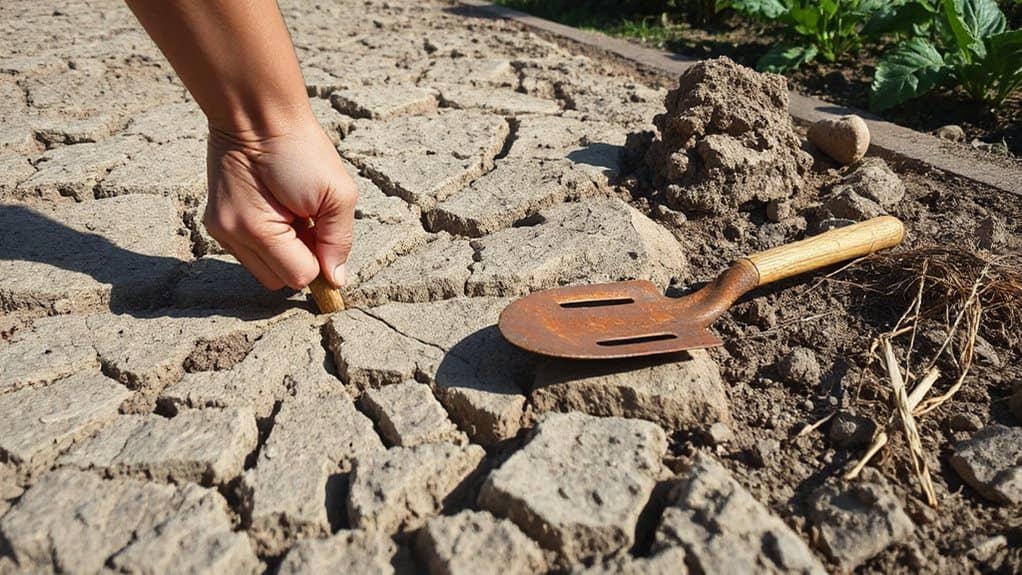
Ever wondered how to tell if your garden soil is as hard as a rock before you even pick up a shovel? You can spot cracked surfaces, white crusts, or sparse plant growth, then grab a moist handful—if it crumbles, it’s sandy; if it forms a solid ball, it’s clay‑heavy. Rub it between fingers; a silky feel means hard clay, a gritty texture signals sand. These quick checks help you decide before you dig. Soil pH also influences hardness, as more acidic soils tend to be softer. Consider testing for soil compaction to pinpoint whether poor root growth or drainage issues are causing the hardness.
Mechanically Loosen Compacted Ground With a Broad Fork or Hand Spade
When you’re standing over a patch of stubborn, compacted earth and think “this feels like a rock the a campsite,” grab a broadfork or a sturdy hand spade and let’s get to work—because loosening that ground is a lot like setting up a tent: you need the right tools, a little muscle, and a good plan, and the results are worth the effort.
Clear weeds, step on the crossbar, drive the spikes eight to sixteen inches deep, rock back and forth, lift gently, and repeat every six to thirty centimeters, creating airy, healthy beds for everyone you help grow. Cold can reduce the effectiveness of some soil treatments, so keep in mind that very low temperatures can slow biological activity and soil recovery.
Add Organic Matter to Soften Hard Soil (Straw, Compost, Compost Tea)
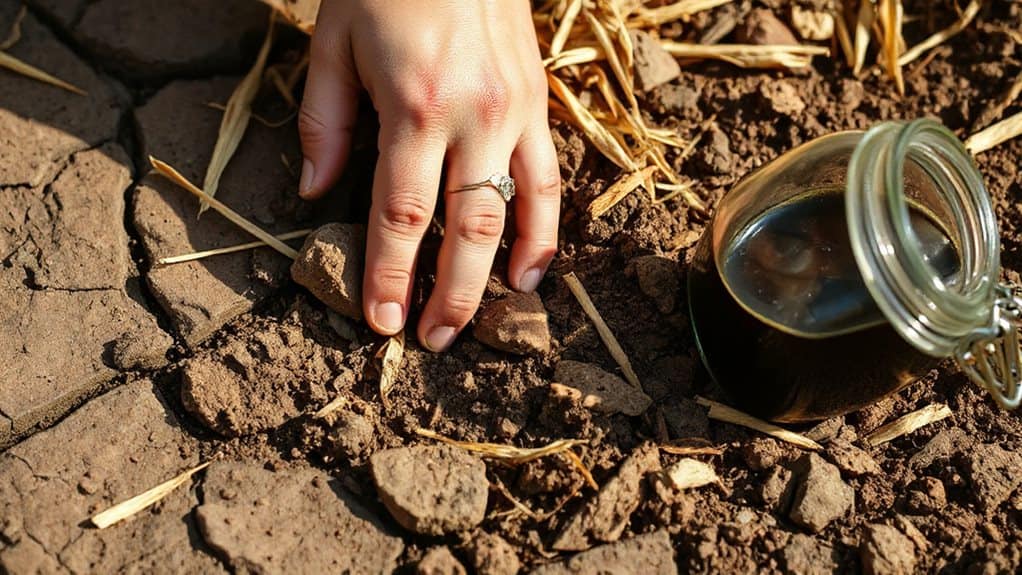
If you’ve ever felt like your garden soil is as stubborn as a packed‑in campsite tent, adding organic matter is the secret “camp‑fire” hack that turns that hard earth into a comfy sleeping pad for roots.
Toss shredded straw, mix 6‑8 inches of well‑rotted compost, and splash compost tea; they aerate, feed microbes, enhance water holding, and keep the soil fluffy, just like a good campsite mattress. Add a low‑wattage USB grow light to support microbial activity and seedling growth in shaded or low‑light spots with full‑spectrum illumination.
Grow Cover Crops That Loosen Soil and Add Nutrients
Pick a nutrient‑rich cover crop like clover or rye, then plant it at the right time so its roots can break up that stubborn compaction while loading the soil with nitrogen and organic matter, and you’ll see the soil loosen up faster than a camping trip on a windy ridge; have you ever watched earthworms dancing through a fresh root network, creating pores that let water and air flow like a well‑planned trail?
Plant now, let the deep roots do the heavy lifting, and when they decompose you’ll harvest a pantry of nutrients—think of it as a nature‑powered snack bar for your garden.
Many gardeners also pair cover crops with well‑draining soil practices to ensure roots and beneficial organisms thrive.
Choose Nutrient‑Rich Cover Crops
Even before you plant your first seed, think of cover crops as the ultimate “camp‑ground” crew that loosens compacted soil while tossing in a buffet of nutrients—kind of like setting up a tent on a rocky ridge and then uncovering a hidden stash of snacks. Choose legumes like clover to fix nitrogen, mix in rye or triticale to scavenge nitrates, add rapeseed for deep roots and phosphorus, and blend a few brassicas for organic matter; this diverse squad elevates soil structure and feeds microbes, making your garden a thriving campsite for plants.
Time Planting for Soil Loosening
Ever wonder why planting cover crops at just the right moment feels like setting up a campsite right before a summer thunderstorm—perfect timing can turn a soggy mess into a cozy, safe haven for your garden?
Plant ryegrass or radish right after harvest, late summer, so deep roots break compacted layers, capture nitrate, and shield soil from rain.
Mow early spring, release nutrients, and let your garden thank you.
Apply Microbial Enhancers Properly for Maximum Soil Softening
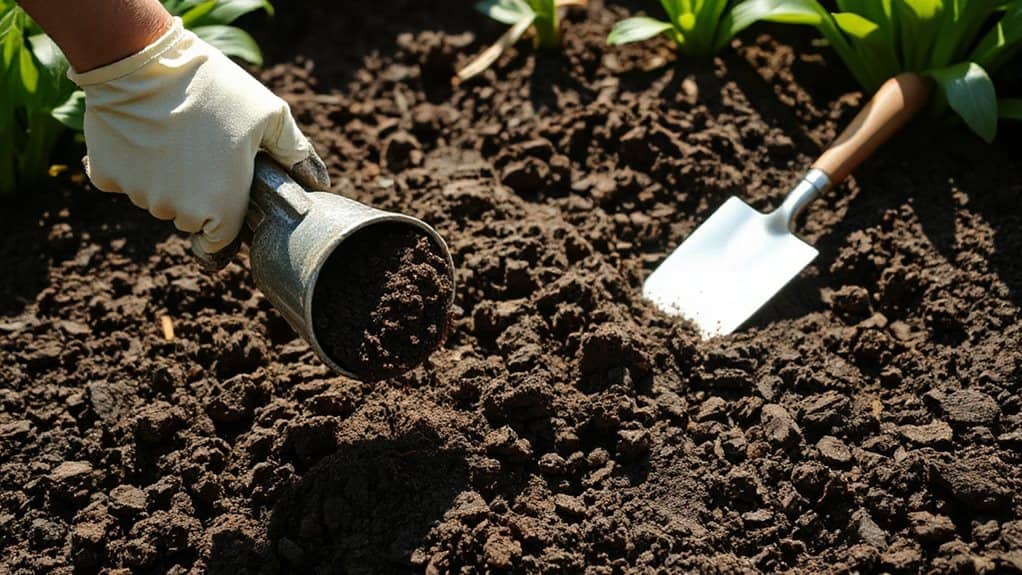
When you’re gearing up to turn that stubborn, compact garden soil into a fluffy, loamy playground, the trick is to treat microbial enhancers like the secret sauce you’d add to a campfire stew—just the right amount, at the right time, and with a splash of excitement. Apply them at half the recommended fertilizer rate, use 10 g per plant, and blend with organic manure; this fuels exopolysaccharide glue, fungal hyphae, and nitrogen‑fixing microbes, turning hard soil into a breathable, nutrient‑rich bed for happy plants. Preserve soil structure to maintain healthy earthworm activity and turf health.
Mulch to Soften Hard Soil Over Time (Leaves, Wood Chips)
Your garden is a campsite where the ground’s too hard for a comfy tent, and the mulch you spread—whether crunchy leaves or chunky wood chips—becomes the soft, insulating sleeping pad that gradually turns that compacted earth into a fluffy, breathable floor.
Spread a 2‑4‑inch layer, let microbes feast, watch weeds vanish, and enjoy softer soil that nurtures every plant you tend.
Gypsum as a Chemical Aid for Softening Clay‑Heavy Soil
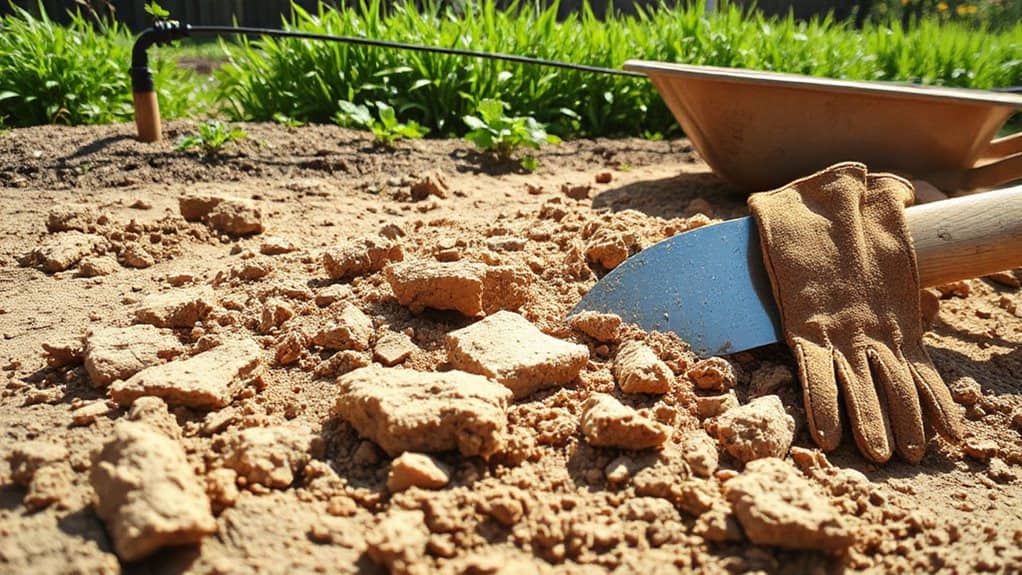
Gypsum, the “soil‑softening superhero,” can turn stubborn, clay‑heavy ground into a more workable, airy mix—if the clay’s got a sodium problem.
You’ll swap sodium for calcium, making particles clump into fluffy granules, so water drains better and roots breathe.
Test for high sodium first, then spread 2–5 t/ha, water it in, and watch the soil loosen like a camp‑fire story told around the fire.
Year‑Round Soil Softening: Seasonal Tips & Monitoring
Ever wondered how to keep your garden soil as relaxed as a camper on a sunny trail, no matter the season?
You can layer two inches of compost each month, swap wood‑chip mulch for straw in summer, plant ryegrass or clover in fall, and keep a foot‑deep mulch blanket year‑round; check moisture, watch earthworms, and adjust tilling so soil stays fluffy, friendly, and ready to serve your garden’s needs.
Overall
Now you’ve got the tools and tricks, so go ahead and give that stubborn dirt a makeover—think of it as a spa day for your garden, complete with compost masks, mulch blankets, and a sprinkle of gypsum magic. Remember, a little patience and regular check‑ins keep the soil soft and happy, just like a well‑packed campsite stays comfy after a night under the stars. Ready to dig in and watch those seedlings thrive? Let’s get soil‑softening!