Why Won’t Grass Grow in Certain Spots in My Lawn?
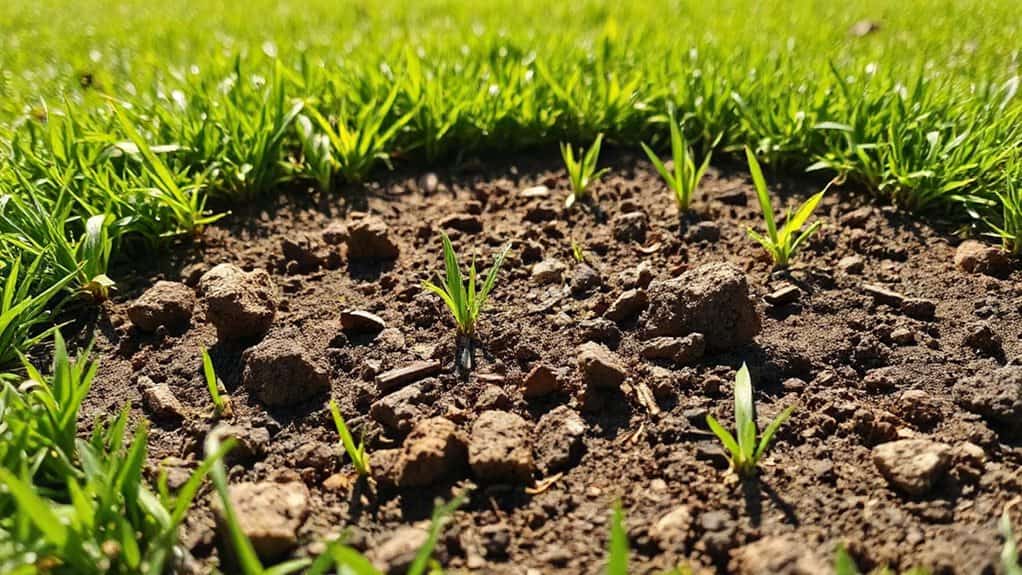
Your grass isn’t growing there because the soil’s probably compacted, too acidic or alkaline, missing key nutrients, or drenched in water that chokes the roots—think of it as a campsite with a busted tent, a flat mattress, and no firewood. Check the moisture with a probe, feel the texture, and test pH; if it’s hard, aerate with a hollow‑tine fork, add compost or lime, and water deeply in the morning. Spot‑treat any pet urine burns, fungi, or grubs, and you’ll see the green bounce back—keep reading for the step‑by‑step revival plan.
TLDR
- Compacted soil from foot traffic or rain makes it hard for roots to penetrate, preventing grass growth.
- Poor drainage causes waterlogging or dry spots, starving roots of oxygen and nutrients.
- Incorrect pH or nutrient deficiencies (nitrogen, iron, potassium) limit turf development.
- Pet urine burns grass and creates localized dead zones.
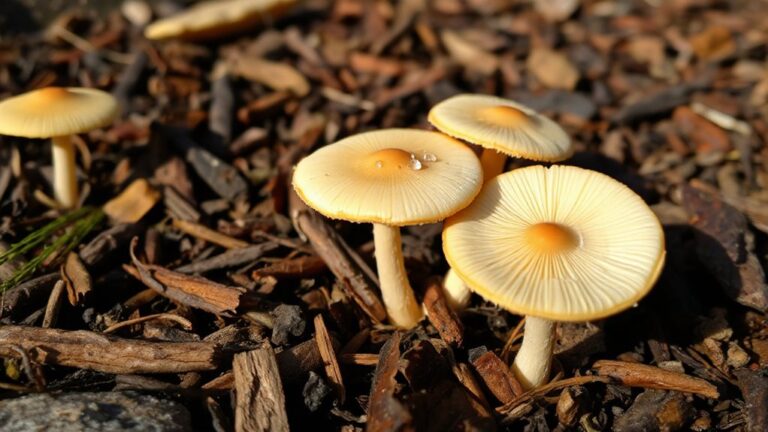
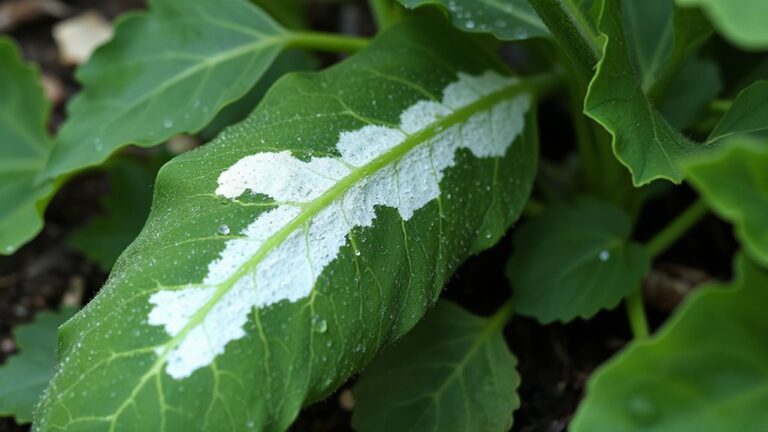
- Pests such as grubs or fungal diseases in damp, shaded areas damage roots and inhibit growth.
Spot and Fix Soil Compaction
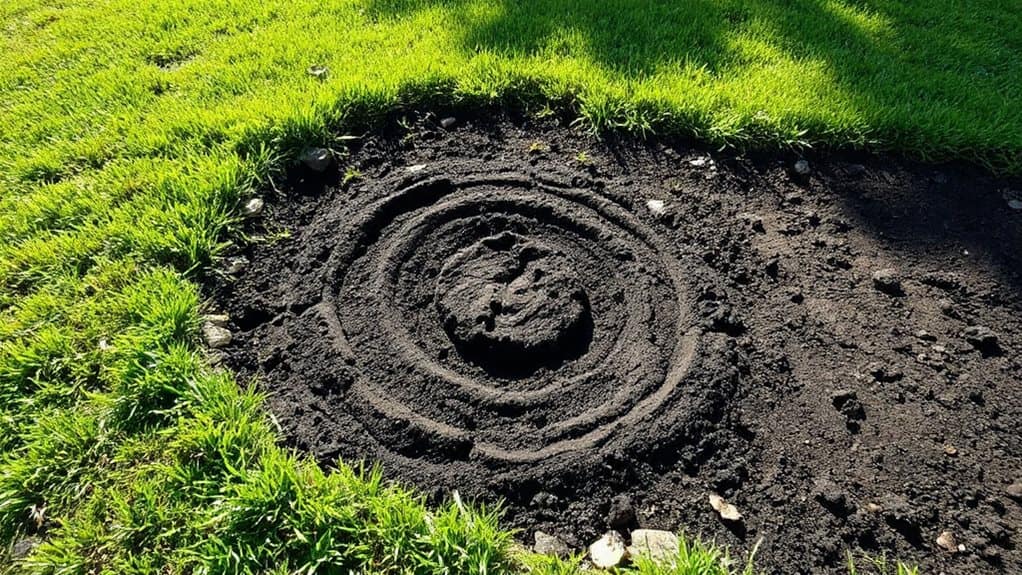
A compacted patch in your lawn feels like a hard, stubborn rock under your feet, and that’s usually because tons of foot traffic or a wet, heavy rain has squished the soil particles together, killing the little air pockets roots love. You can spot it when digging feels impossible, water pools, and grass looks thin. Aerate with hollow‑tine tools in spring or fall, then topdress with compost, limit traffic on wet ground, and enjoy healthier turf that thrives like a well‑packed campsite. Compaction also increases canopy temperature by about 10°F due to reduced soil aeration. Improving drainage and adding organic matter helps roots recover from compaction and avoids persistent sogginess.
Identify and Correct Lawn Nutrient & pH Imbalances
You’ll want to grab a soil‑test kit and check the pH first, because a too‑acidic or too‑alkaline patch can hide the real culprit behind those yellowing blades, and I’ve learned the hard way that guessing never works.
Once you spot the tell‑tale signs—like yellow tips for potassium or intervebral chlorosis for iron—match them to the right nutrient deficiency and pick a targeted fertilizer that delivers exactly what your grass is craving.
Consider rotating in green beans to help boost soil nitrogen and improve overall turf health.
Test Soil pH
Ever wonder why some patches of your lawn look like a desert while the rest is a lush carpet? You’ll need to test pH, so grab a few soil cores 3‑5 inches deep from four spots, strip off grass, mix, dry 24 h, then use a kit, pH strip, or digital meter with distilled water. The result tells you if lime or sulfur is required.
Nutrient Deficiency Symptoms
So, why does your lawn sometimes look like it’s auditioning for a desert‑scene movie? You’ll spot yellowing lower leaves if nitrogen’s low, purplish edges for phosphorus, browning margins for potassium, and interveinal yellow streaks when iron’s missing.
Magnesium shows curling tips and red blotches.
Notice stunted growth, weak roots, or dry blades—those clues tell you which nutrient to fix, so you can revive those patches and keep the whole lawn thriving.
Targeted Fertilizer Application
Ever wondered why some patches of your lawn look like a barren campsite while the rest thrives like a well‑stocked trail? You can fix that by banding fertilizer right next to the roots, spraying foliar feeds when the soil’s pH is off, or broadcasting a half‑rate pass in two directions for even coverage, all while keeping the process fun, efficient, and camping‑ready.
Find the Lawn Watering Sweet Spot
You can start by checking the soil moisture with a simple probe or even a feel‑test, then tweak your watering schedule until the grass feels just right—no soggy puddles, no bone‑dry patches.
Have you tried cutting back to two or three deep waterings a week, timing them for early morning when the sun’s still shy, and watching how the roots grow deeper and stronger?
Give it a go, keep an eye on the gauge, and you’ll avoid waterlogging while keeping your lawn happy and thriving.
Consider also improving soil structure by adding organic matter to encourage deeper roots and better moisture retention.
Measure Soil Moisture
Ever wondered why some patches of your lawn stay stubbornly dry while the rest thrives? You can grab a soil probe, push it 6‑8 inches deep, and feel the resistance—if it slides easily, moisture’s good; if it sticks, it’s dry. Try a screwdriver test, or a quick gravimetric weigh‑dry method, and even a capacitance sensor for instant readings, ensuring every spot gets the right water.
Adjust Irrigation Frequency
So, how do you nail that perfect watering rhythm without turning your lawn into a soggy swamp or a desert? Aim for two‑to‑three sessions weekly, delivering half‑inch each time, but tweak for soil: sandy spots need three quick bursts, clay gets one deep soak, loam thrives on twice‑a‑week, one‑inch totals. Measure with a container, adjust for rain, and watch roots plunge deeper.
Prevent Waterlogging Risks
Ever wondered why some patches of your lawn turn into mini swamps after a rainstorm while the rest stays crisp?
You can aerate compacted soil with a fork or powered aerator, sprinkle sand and compost into the holes, and top‑dress low spots to enhance drainage.
Add a French drain or rain garden, slope the grass away from the house, and keep gutters clean—then your lawn stays dry and happy.
Choose Shade‑Tolerant Grass and Trim for More Light
Looking for a grass that can actually survive the dark corners of your lawn? Choose fine fescues like creeping red or tall fescue, and plant St. Augustine if you’re warm‑season, then prune tree branches, thin the canopy, and lift mower height to let at least four hours of dappled sun reach the soil, because more light means happier, healthier turf. Edge zones often stay lusher because runoff concentrates water and nutrients along pavement, so check moisture and nutrient patterns when diagnosing bare spots.
Detect Lawn Pests and Fungi Early
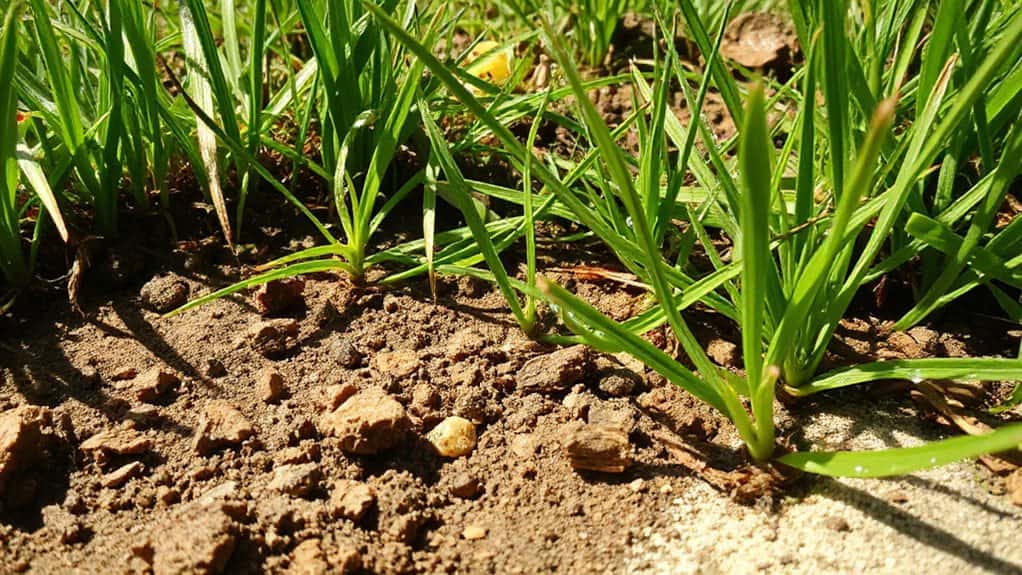
You’ve just trimmed those overhanging branches and let a sliver of sunshine hit the shady spots, but the real venture begins when you start hunting for the tiny invaders that love to hide in the cool, damp corners of your lawn. Grab a soapy spray, dig a few squares, count white grubs, watch for orange chinch bug nymphs, and flip through thatch for sod webworm frass—early detection saves your grass and lets you share a thriving yard with neighbors. Check paver edges and seams for ants nesting underneath to prevent soil shifts and tunneling that can damage turf and paving stones, especially near garages and patios where they often nest under pavers.
Avoid Common Lawn Mowing Mistakes
So, why do some lawns look like a patchy, over‑cooked pancake after a mow? You’re scalping by cutting more than a third of the blade, tearing grass with dull blades, and mowing wet turf that clumps and spreads fungus. Rotate your mowing pattern, sharpen or replace blades, and wait for dry grass—these simple tweaks keep the lawn healthy and your neighbors jealous.
Remove Thatch and Aerate Compacted Lawn Areas
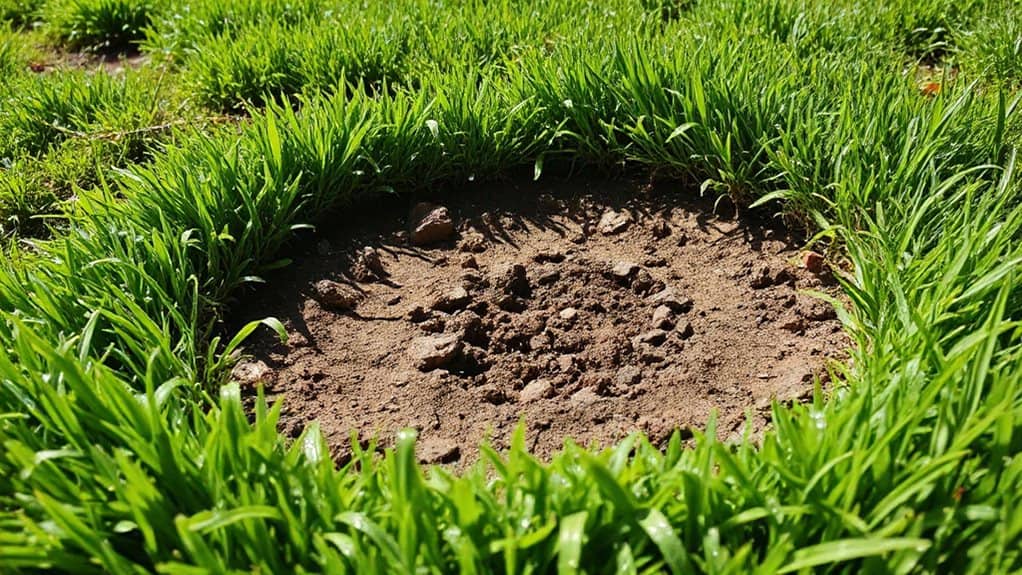
You’ll spot those compacted zones when the grass feels like a hard‑packed carpet, so grab a core aerator and punch holes right through the soggy soil while you scrape away the thatch layer; have you ever watched a lawn metamorphose after a good aeration session, feeling like you’re clearing a campsite for a fresh excursion?
Go ahead and core the thatch with the aeration—those tiny tunnels let water, oxygen, and nutrients rush in, and the whole process is as satisfying as setting up a tent on a perfect spot. Trust me, once you see the soil breathing again, you’ll be as excited as a camper finding a hidden trail.
Identify Comped Zones
Ever wonder why some spots on your lawn look like a desert while the rest thrives like a rainforest? You’ll spot compacted zones by thin, bare patches that water runs off instead of soaking in, and soil that feels rock‑hard when you poke it.
Look for yellowing grass, puddles, and weeds thriving where roots can’t spread—those are the trouble spots begging for aeration.
Core Thatch With Aeration
Ever wondered why a single plug of soil can feel like a tiny camping expedition for your lawn? You pull out those finger‑sized cores, and suddenly microbes set up camp in the thatch, breaking down dead grass, while oxygen, water, and nutrients rush through fresh tunnels; the compacted ground sighs in relief, roots delve deeper, and your lawn cheers, thriving like a well‑prepared campsite.
Build a DIY Lawn Soil Amendment Plan
If you’ve ever wondered why some spots in your yard stay stubbornly brown while the rest looks like a fresh‑cut carpet, the answer usually starts with the soil beneath your feet, and that’s where a DIY amendment plan can turn things around faster than a weekend camping trip.
Test pH, add compost or lime based on results, spread a 2‑inch layer, till six inches deep with a rototiller, then water like you’re refilling a camp kettle—your lawn will thank you.
Follow a Seasonal Lawn‑Care Checklist
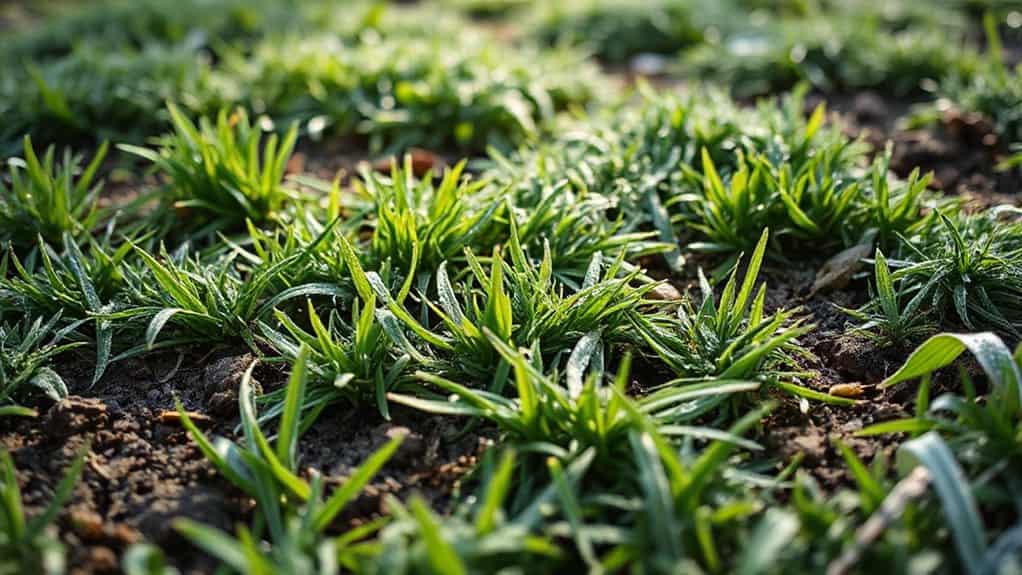
So, you’re ready to treat your lawn like a year‑round excursion camp, and the seasonal checklist is your roadmap to keeping the grass greener than a mountain meadow. In spring, rake, aerate, fertilize with 10‑10‑10, prune, and pre‑empt weeds;
summer, water early, mow tall, mulch, scout pests, add fertilizer;
fall, rake, aerate, boost phosphorus, weed, plan;
winter, potassium feed, clean leaves, limit traffic, cover frost, store tools.
Why Won’t Grass Grow in Certain Spots in My Lawn?
Why do some patches in your lawn look like a desert while the rest is a lush meadow? You might blame heavy foot traffic compacting soil, pet urine burning grass, fungi thriving in damp shade, grubs gnawing roots, or poor drainage starving nutrients. Aerate, water after pets, apply fungicide early, check for grubs, improve drainage, and test soil—then watch those barren spots revive like a campsite sunrise.
Overall
Now you’ve got the tools to turn those dead patches into thriving green spots—think of it like fixing a leaky tent before a camping trip, you prep, you succeed. Check the soil, balance nutrients, water just right, and pick shade‑tolerant grass if the sun’s playing hide‑and‑seek. Spot pests early, aerate, and add amendments, then follow the seasonal checklist. Trust the process, stay patient, and watch your lawn bounce back like a campfire after a rainstorm.