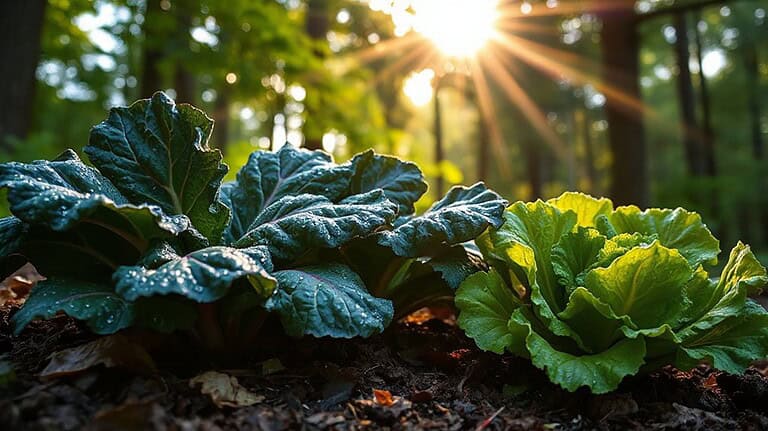
Vegetables That Keep Growing After You Harvest Them
You can totally keep harvesting veggies like kale, lettuce, and Swiss chard—just snip the outer leaves and leave the center intact, and boom, they’ll keep growing back! Ever tried regrowing celery or green onions in water on your windowsill? It’s like magic, and it works! With a little light and care, you’ll have fresh greens all winter. Want to know the coolest tricks for endless harvests and kitchen-scraps that come back to life? You’re gonna love what comes next.
TLDR
- Harvest outer leaves of kale, Swiss chard, and lettuce to allow continuous regrowth from the center.
- Regrow green onions, celery, and basil from kitchen scraps in water or soil for fresh greens.
- Asparagus crowns produce spears annually for 15+ years when properly maintained after initial establishment.
- Cut-and-come-again harvesting promotes repeated yields from the same plant over many weeks.
- Succession planting and indoor regrowth extend harvests year-round with minimal space or effort.
Regrow Celery From Kitchen Scraps
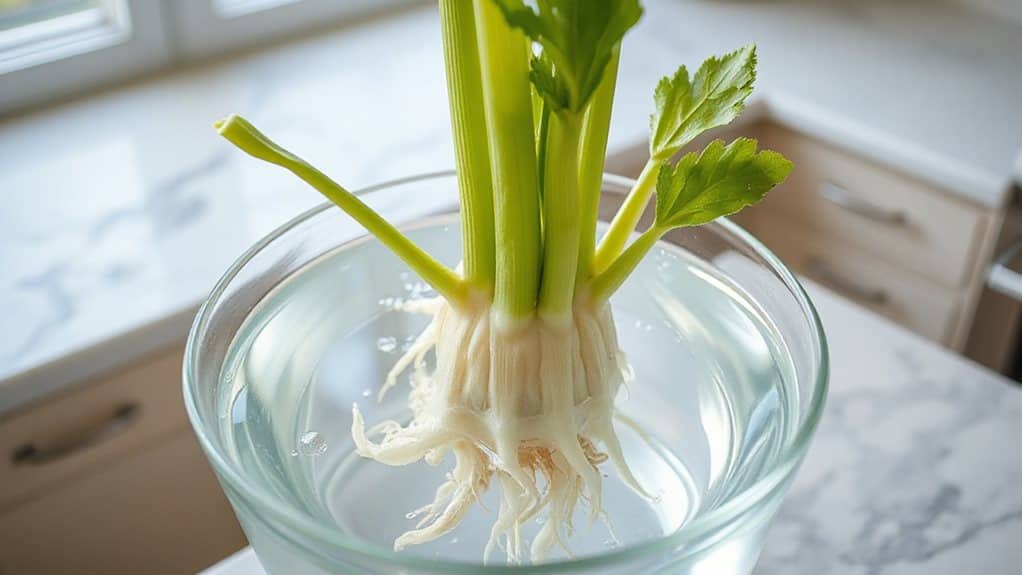
Ready to turn your kitchen scraps into a mini celery farm? Grab that leftover bunch, chop 3 inches up, peel old stalks, and plop the base in a jar of lukewarm water.
Place it on a sunny windowsill—roots sprout in a week, and fresh green shoots follow fast! Change the water often, keep it happy, and within two weeks, transplant it into soil. Boom—homegrown celery, perfect for soups or sharing with neighbors! This method works best with organic celery, as it has a higher chance of regrowing due to the presence of viable growing tissue, often indicated by healthy leaves and stems organic celery with good leaves. Make sure the spot gets at least six hours of sunlight daily to encourage strong root and shoot development full sun.
Harvest Lettuce Again and Again
Snip, regrow, repeat—your romaine stump isn’t trash, it’s a lettuce time machine! Place it in water, change it every two days, and watch new leaves pop in just two weeks—crisp, fresh, and ready to share.
Prefer soil? Bury the roots, keep them moist, and boom: full heads in four weeks!
Harvest outer leaves first, leave the base, and you’ll keep cutting for weeks—perfect for camp salads!
Keep the soil consistently damp and avoid waterlogging to prevent disease and promote strong regrowth (consistent moisture).
Continuous Swiss Chard Production
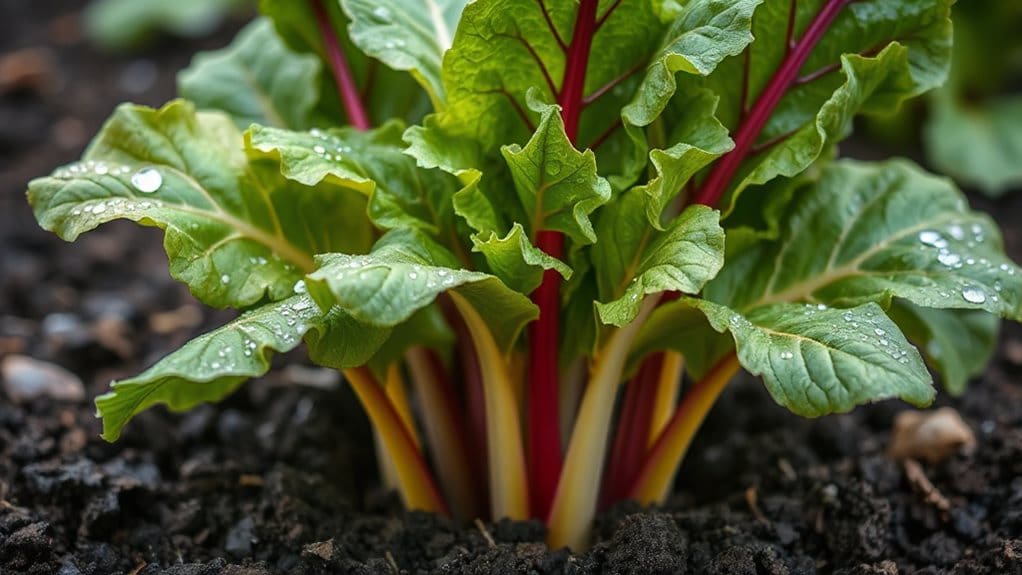
You can keep harvesting Swiss chard for months just by snipping the outer leaves at the base, leaving the inner ones and crown to keep growing—kind of like a leafy green that just won’t quit!
Think of it as your garden’s personal salad bar, where you get fresh picks week after week without starting over.
Just don’t go crazy and strip the plant bare, unless you want it throwing a veggie tantrum and refusing to regrow!
For best results in containers, make sure your chard is in high-quality potting mix with good drainage and receives at least 8 hours of sunlight daily, since these growing conditions help it produce continuously.
Cut Outer Leaves
Honestly, you’ll feel like a Swiss chard magician once you get the hang of harvesting the outer leaves—snip one here, trim one there, and *poof*, your plant keeps pumping out fresh greens all season long!
Just grab a pair of scissors and cut those big, leafy greens at the base, leaving the center alone—think of it like giving your plant a haircut, not a buzz cut!
Regrow for Months
While you’re out there snipping leaves like a kitchen garden pro, here’s the real magic: Swiss chard just keeps on giving—like a veggie vending machine that never runs out of stock—as long as you treat it right.
Keep soil rich, water regularly, and feed it like you’re prepping for a camping trip feast. Snip outer leaves, spare the center, and boom—months of fresh greens!
Prolonged Kale Harvests All Season
You can keep snipping kale all season long and it’ll just keep bouncing back, like that one indestructible houseplant your mom somehow kept alive for ten years.
Just grab the big outer leaves, cut ‘em close to the base, and boom—new tender greens pop up from the center, especially if you leave the tiny heart leaves untouched (think of them as the plant’s secret regrowth engine).
And guess what? Even after a frost, your kale’s still chill and growing, making it the ultimate campfire-side salad bar if you’re into crunchy greens with a side of s’mores.
Kale also benefits from regular feeding and organic matter to keep producing tender leaves all season long.
Cut-and-Come-Again Harvesting
Envision this: you’re out in your garden with a pair of snips in hand, the morning sun warming your back, and instead of yanking up the whole kale plant, you just *snip, snip, snip*—plucking only the big, leafy outer ones like you’re giving your greens a tidy haircut.
You leave the center alone—no drama, no damage—so new leaves keep coming. In about a week? Boom, more greens! This cut-and-come-again method works like magic on kale, lettuce, chard, and more.
You harvest, they regrow—like nature’s endless salad bar. Just water and feed them, and you’ll keep sharing fresh picks all season. Who knew gardening could be this generous—and delicious?
Cold-Hardy Leaf Regrowth
Honestly, you’d be amazed at how tough some kale varieties really are—like nature gave them little winter parkas and told them to go full-on survival mode.
You can keep harvesting Red Russian or Winterbor, and they just bounce back, even after frost tries to crash the party. Seriously, those leaves taste *better* when it’s chilly!
Just snip what you need, leave the center, and boom—more greens for soups, smoothies, or feeding a hungry camping crew.
Asparagus: A Long-Term Perennial Crop
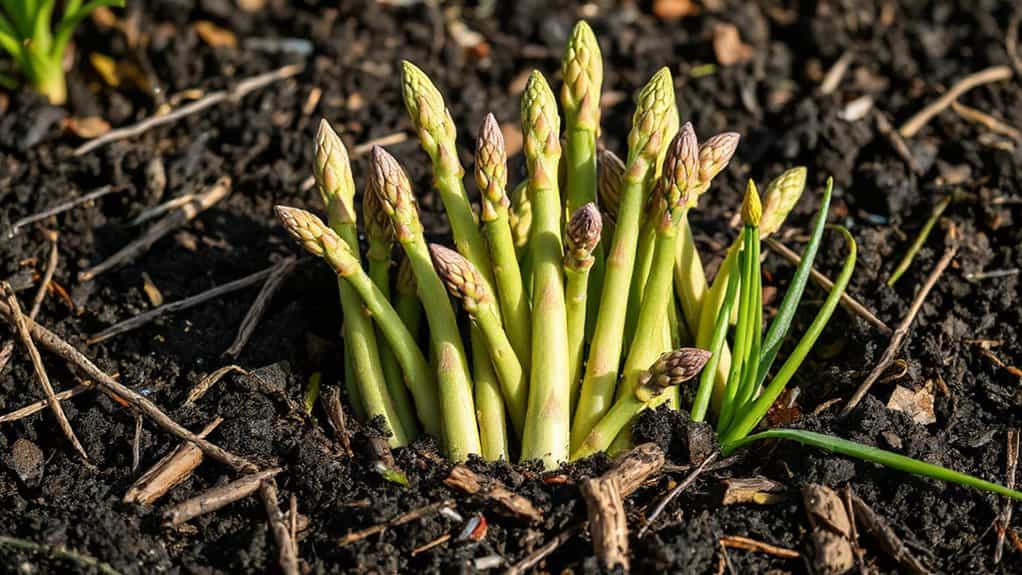
While most veggies in your garden come and go like weekend campers, asparagus is the loyal cabin guest that sticks around for *years*—like, 15 or more if you treat it right!
You’ll plant crowns deep, give them sun, and wait patiently—no harvest for 2 years, I know, it’s hard!
But then? Spears pop every May, tall and proud, feeding your family for over a decade.
Let the ferns grow after harvesting, water early on, and keep weeds out; it’s like camping prep—do it once, enjoy forever!
Install supports early when shoots reach about six inches tall to prevent collapse during the peak display and ensure long-term plant health, especially for vigorous varieties with heavy growth early installation.
Propagate Basil From Stem Cuttings
Snip a few stems, dunk ’em in water, and boom—you’ve got a whole new basil plant for free!
Just cut above a leaf node, strip the lower leaves, and plop it in a jar with the nodes submerged—roots pop up in a week!
Use clean scissors, change the water often, and soon you’ll be gifting basil babies to friends, tacos everywhere will rejoice!
Revive Vegetable Bases in Water
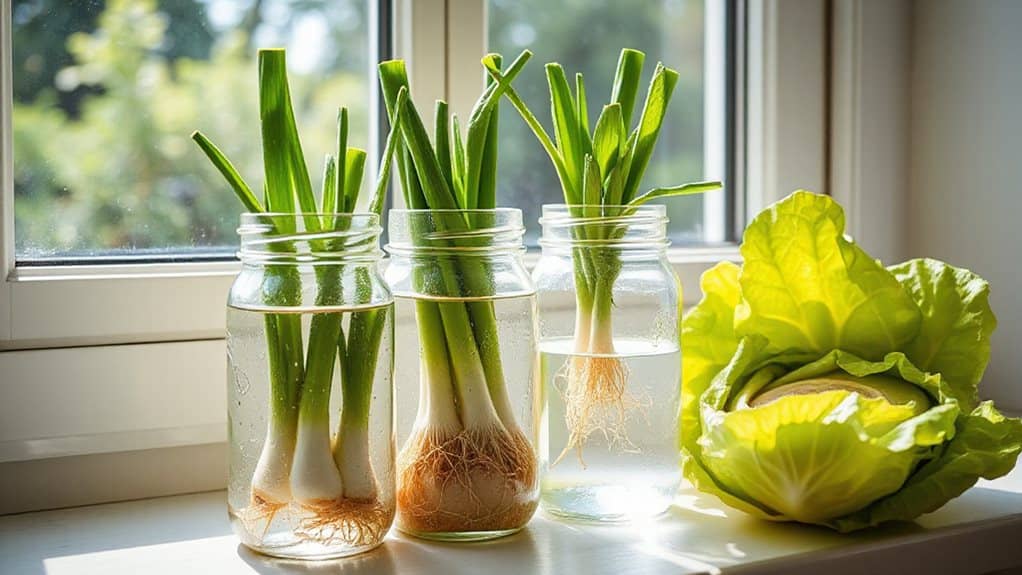
You just clipped your basil stems and watched them sprout roots like little underwater magic tricks—now, what if you could do the same thing with the leftover bits of veggies you’d normally toss in the compost?
Grab those stubs of green onions, lettuce, or celery, plop them in a shallow cup of water, and boom—new growth starts in days!
It’s like kitchen alchemy, turning scraps into fresh greens you can share with friends, neighbors, or your camping crew.
Win-win!
Cut-and-Come-Again Harvesting Tips
Honestly, you’re gonna love this—cut-and-come-again harvesting is like having a never-ending salad bar growing right in your garden or windowsill!
Just snip outer leaves early in the morning with clean scissors, leave the center intact, and boom—more greens grow back, ready for your next meal.
It’s easy, sustainable, and seriously satisfying, like nature’s refillable snack jar—perfect for feeding friends, family, or your own crunchy cravings!
Overwintering for Extended Yields
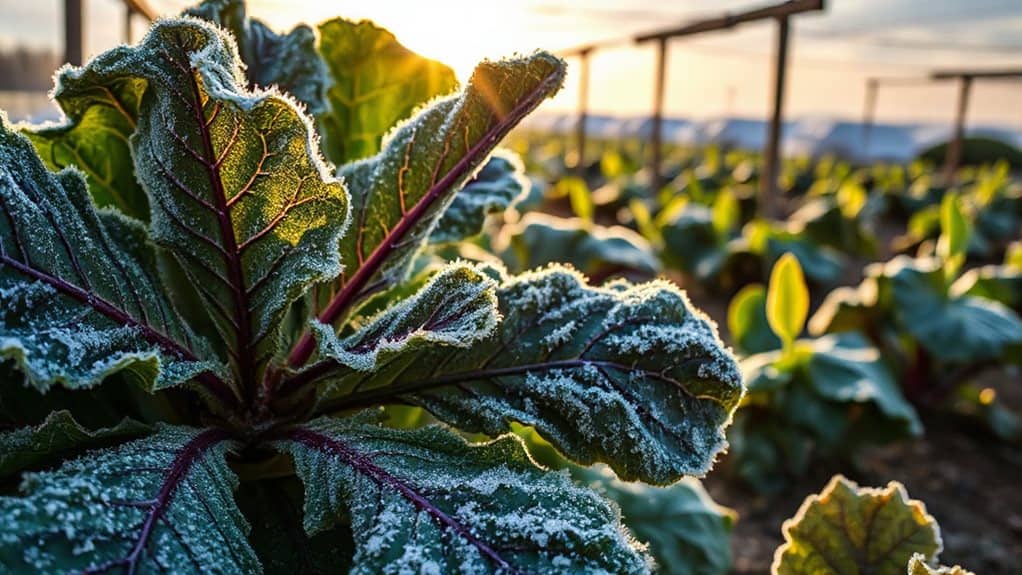
You know how some veggies just give up when winter hits? Not yours, if you tuck them in right—think of it like packing a cozy survival kit for your garden, complete with straw blankets and mini-greenhouse tunnels.
Protect those roots with thick mulch or low hoops, and boom, come spring, they’ll pop back up like they’ve been camping and are ready for round two!
Protect Roots in Cold
When winter starts creeping in and the garden starts looking a little sleepy, don’t pack it in just yet—your carrots, parsnips, and beets are still hanging out underground, ready to surprise you with fresh harvests months later, if you give them a little VIP treatment before the big freeze hits.
Pile on six inches of straw like a cozy blanket, secure frost cloth if it’s windy, or build a mini greenhouse with hoop tunnels—your roots will thank you when you’re harvesting crisp veggies while your friends are stuck with sad supermarket carrots.
Spring Regrowth Preparation
While the garden might still be wearing its winter coat of snow and frost, don’t think for a second it’s not already plotting a comeback—because with a little smart prep now, your beds can burst back to life like a surprise pop concert in spring, giving you fresh harvests long before your neighbors even dig out their trowels.
Pick cold-hardy lettuces like oakleaf, sow every 2–3 weeks, and trust me, your salads will thank you while others are still waiting on seeds to sprout—talk about a head start!
Indoor Regrowth for Year-Round Greens
Honestly, it’s kind of magical how a few kitchen scraps and a sunny windowsill can turn into your own mini indoor garden that keeps on giving—no camping trip or backyard required!
You can grow basil, scallions, and even garlic greens right in your kitchen. Just give them light, water, and a little love—snip what you need, and they’ll keep coming back. It’s like having a tiny, tasty jungle that feeds your family all winter!
Overall
So, you’ve chopped lettuce, snipped kale, and even regrown celery from scraps—awesome, right? Imagine having fresh greens all season, like a garden that just keeps on giving! Think of it like camping: you pack light, but somehow, there’s always one more s’more. Keep cutting, keep growing, and yeah, maybe bribe your plants with a little extra water (I do). Happy harvesting, green thumb—you’ve got this!