Why Grass Grows Faster Along Sidewalks and Driveways
You’ve seen it—your lawn’s edge along the sidewalk turns lush and green first, like it’s racing the rest of the grass. That’s because pavement soaks up heat, warming the soil and giving roots a head start in spring, plus it reflects extra light for more photosynthesis. Runoff water, fertilizer spills, and your mower clippings pile on nutrients, while loose, uncompacted soil lets roots spread easily—talk about a grass paradise! And hey, if you stick around, you’ll uncover even more backyard secrets hiding in plain sight.
TLDR
- Dark pavement absorbs heat, warming nearby soil and promoting earlier spring growth and faster root activity.
- Runoff from rain and sprinklers concentrates water and nutrients along pavement edges, creating fertile growing zones.
- Reflected sunlight from concrete or brick increases light exposure, boosting photosynthesis in edge grass.
- Soil near pavement is less compacted due to reduced foot traffic, allowing deeper, healthier root development.
- Fertilizer spills, clippings, and organic debris accumulate at edges, providing extra nutrients that enhance growth.
Why Does Grass Grow Faster Along Sidewalk Edges?

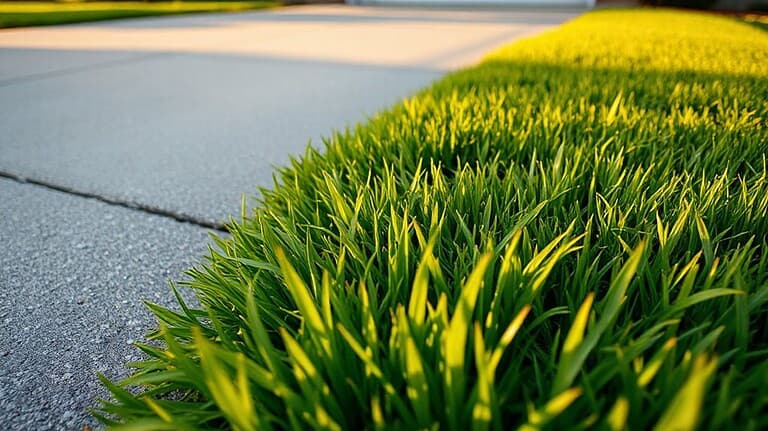
You’ve probably noticed it without even thinking about it—right along the edge of the sidewalk, that strip of grass is always a little greener, a little taller, like it’s showing off after a good haircut.
Runoff dumps nutrients there, debris piles up like free fertilizer, and cracks give roots room to stretch—basically, it’s the VIP section for grass, and honestly, who wouldn’t thrive with front-row access to water, food, and sunshine? Powdery mildew can sometimes appear on shaded, high-humidity turf if conditions favor fungal growth.
Shallow soils create a poor growing environment for turfgrass but favor the rapid growth of resilient weeds and grasses along pavement edges.
How Pavement Heat Speeds Up Spring Green-Up?
You know how the grass right next to your driveway pops green way before the rest of the lawn? That’s no accident—those dark pavement surfaces soak up sunshine like a sponge, then radiate heat like a cozy campfire, warming the nearby soil and giving your grass a head start on spring.
Think of it as nature’s built-in heating pad, turning the edge of your yard into a VIP lounge for early root parties and photosynthesis hangouts!
This warming effect can be amplified by factors like soil type and drainage, which influence how long nearby ground stays warm and moist, especially on clay soils that retain heat and moisture longer.
Thermal Radiation From Pavement
Soaking up the sun like a giant dark sponge, pavement doesn’t just sit there looking hot—it *becomes* hot, really hot, and then spends the rest of the day and night sharing (or, let’s be honest, dumping) that heat on everything nearby.
You’ve seen it: grass along sidewalks greening up faster, like it’s got a secret heater. Well—it does! That warm pavement radiates heat day and night, giving nearby grass a cozy lift, kind of like leaving a blanket over your camp plants.
Soil Warming At Edges
While the rest of your lawn’s still yawning and stretching after winter, the grass right next to the sidewalk’s already throwing a spring party—and it’s all thanks to the warm little world created at the edge.
Pavement soaks up sun, heats the nearby soil, and gives your turf a head start on growth, like a cozy campfire for roots.
Warmer soil means earlier green-up, faster nutrient access, and less winter gloom—talk about a springtime upgrade!
Extended Growing Periods
Envision this: the sun’s been baking that sidewalk all day, turning it into a giant outdoor griddle, and by evening, it’s still radiating warmth like a campfire long after the flames die down—only instead of roasting marshmallows, it’s gently toasting the soil right next to your lawn’s edge.
That cozy heat keeps turf from shivering at night, lets it wake up earlier, grow faster, and kickstart photosynthesis like it’s got a head start on spring break—talk about a green advantage!
Why Runoff Water Feeds Lawn Edges More?
Ever notice how the grass right next to your driveway or sidewalk looks like it’s on a growth spurt compared to the rest of the lawn? That’s because rain and sprinklers wash tons of water off hard surfaces, dumping it right at the edge—like a built-in watering system!
The soil there soaks it up fast, thanks to healthy roots and organic goop from old clippings, storing moisture longer and feeding greedy roots. It’s like nature’s VIP lounge for grass! Rain runoff can also carry nutrients and organic matter that enrich the soil, sometimes creating persistent moisture zones that favor lusher growth.
Do Fertilizer Spills Create Darker Edge Bands?

You’ve probably seen it before—those lush, almost glow-in-the-green grass stripes hugging your driveway or sidewalk, like nature decided to outline your yard with highlighter ink.
Yep, those vivid bands? Often your own doing! Spills when filling spreaders, granules bouncing off pavement, or overzealous turns leave nitrogen-rich zones where grass goes into turbo mode—darker, faster, and thirstier.
Think of it as lawn junk food: tasty at first, but too much causes problems.
Water it down, sweep smartly, and your edges (and neighbors) will thank you! A follow-up application of a nitrogen-focused fertilizer like Scotts Green Max can intensify that greening effect in those bands due to its high nitrogen and iron content, so use it carefully to avoid over-fertilizing rapid greening.
How Loose Soil Helps Roots at Pavement Borders?
Tending to your lawn’s edges mightn’t sound as exciting as packing up the tent for a weekend in the woods, but trust me—what’s happening underground along those sidewalks and driveways is pretty wild.
You’ve got looser soil there, thanks to edging and frost heave, so roots plunge deeper, spread wider, and grab water and nutrients like they’re stocking up for a camping trip—no traffic jam in sight! Soil near pavement often stays looser because it experiences less foot traffic and compaction, allowing better root access and improved drainage.
Does Reflected Light Boost Edge Grass Growth?

While you’re busy setting up your tent or flipping burgers on the grill, the grass along your driveway is soaking up extra sunshine—thanks to a little light bounce from the pavement.
Concrete and bricks reflect 30–50% of light, enhancing daily light for edge grass, which means more energy, faster growth, and denser blades.
Think of it as a VIP sunlight lounge—your lawn’s got a front-row seat to a brightness enhancement!
Why Lawn Edges Suffer Less Compaction Damage?
Imagine this: while the middle of your lawn’s getting stomped flat by soccer games, dog chases, and that one neighbor who treats your yard like a shortcut to nowhere, the grass hugging your sidewalk’s kicking back in peace—no muddy footprints, no tire tracks, just quiet growth and room to breathe.
You see, edges dodge most foot traffic, thanks to sidewalks shielding them, so soil stays loose, roots dig deep, and water moves freely—nature’s dream team for happy, uncompacted turf.
How Mowing and Edging Feed the Perimeter Grass?

You’ve already seen how the grass by the sidewalk gets a break from all the trampling—no soccer cleats, no muddy paw prints, just some quiet time to stretch out its roots.
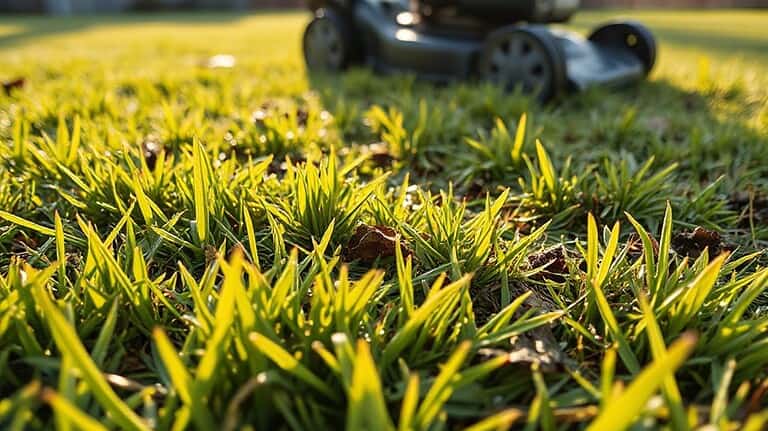
Well, guess what? Every time you mow or edge, you’re actually feeding that grass like a slow-release buffet—clippings drop nearby, packing nitrogen, potassium, and love right where it needs it.
Overall
So, now you see why grass loves hugging sidewalks and driveways, right? It’s like nature’s VIP lounge—warm pavement wakes it up first, extra water sneaks over from runoff, and hey, who knew spilled fertilizer was basically a grass buffet? Plus, less foot traffic means roots throw a party. Next time you’re mowing, give that lush edge a high-five—it’s thriving on sidewalk spa treatment! Pretty cool, huh?