How Long After Fertilizing Lawn Can It Rain?
You should wait at least 24 hours of dry weather after spreading granular fertilizer before any rain shows up, because that gives the nutrients time to soak into the soil and cling to the grass roots instead of washing away in a quick runoff. Light showers within that window are okay, but heavy downpours will scorch the lawn and create runoff that pollutes nearby streams. Check the forecast the night before, set a reminder, and aim for a 55–85°F temperature range for optimal absorption. If you follow these tips, you’ll avoid a soggy mess and keep your lawn thriving, and there’s plenty more to explore.
TLDR
- Wait at least 24 hours after applying granular fertilizer before any rain to let nutrients settle into the soil.
- If rain is forecast within 24–48 hours, apply a light irrigation (15–30 minutes) to mimic gentle rainfall and prevent runoff.
- Light drizzle or light rain is acceptable within 48 hours; heavy downpours will wash away fertilizer and cause burn patches.
- Check hourly forecasts and use multiple sources to distinguish light rain from storms before scheduling fertilization.
- For liquid fertilizers, aim for a dry window of 4–6 hours after application; otherwise, the product may be diluted or washed away.
Immediate Risks of Rain on Fresh Fertilizer

Ever wonder what happens when a sudden downpour hits your freshly fertilized lawn? You’ll see nutrients sprinting into storm drains instead of soaking roots, granular granules scattering like confetti, and liquid fertilizer disappearing faster than a campfire spark. Those concentrated patches can scorch grass, cause tip‑burn, and waste your effort, while runoff pollutes nearby streams—so pause, protect, and plan ahead. Enable Javascript to ensure all site features function correctly. Heavy rain can also wash fertilizer away before plants absorb it, increasing runoff risk and reducing effectiveness.
Optimal Waiting Time Before Rain After Fertilizing
So, how long should you wait before the rain shows up after you’ve just tossed fertilizer onto your lawn? You’ll want at least 24 hours of dry weather so the granules settle, then give them a quick sprinkle within the next 48 hours; after that, if a light shower hits, it’s fine—just keep an eye on the forecast and avoid heavy downpours until the soil dries. Improving drainage and avoiding runoff helps prevent nutrient loss and lawn damage, so consider aeration or soil amendments to reduce runoff.
How Light Showers Help vs. Heavy Downpours Harm
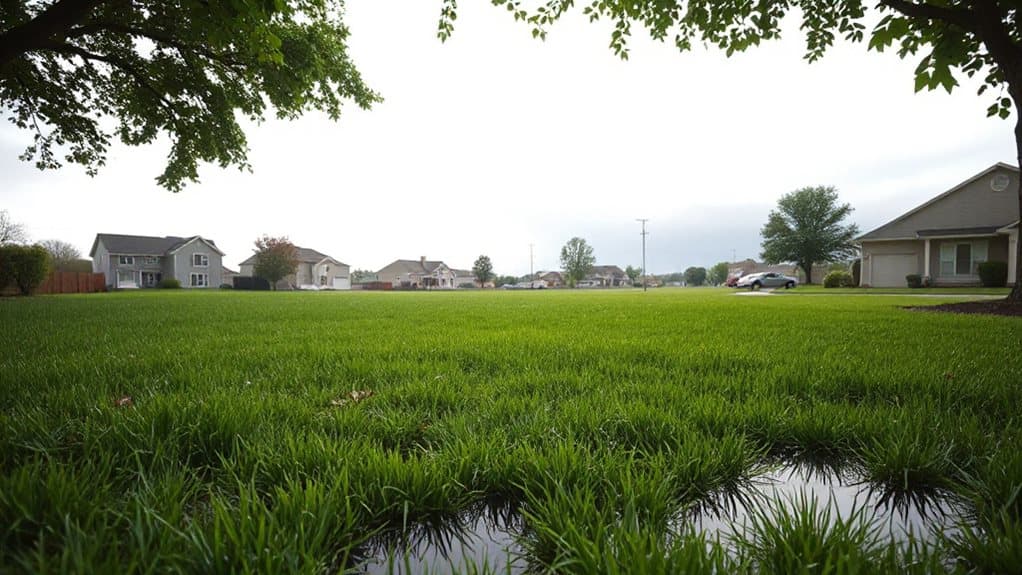
Why does a gentle drizzle feel like a superhero for your freshly fertilized lawn while a sudden downpour acts like a mischievous villain?
Light rain soaks the soil, dissolving granules, letting roots sip nutrients, and preventing leaf‑burn, while heavy rain washes fertilizer away, creates runoff, and leaves uneven patches.
Imagine your grass thriving, not soggy, as you protect the environment and your budget.
Fixing poor drainage and clearing debris also helps reduce standing water that can harm lawn and garden health by creating persistent puddles and runoff drainage and runoff.
Read Forecasts to Time Fertilizer Safely
You’ll want to check the rainstorm timing first, because spotting a light shower versus a thunderstorm can make or break your fertilizer plan, so glance at the hourly forecast and ask yourself, “Will the sky stay friendly for the next 24‑48 hours?”—then verify the forecast’s accuracy by comparing multiple sources, because a single app can be as unreliable as a compass in a magnetic storm, and you’ll feel more confident when the predictions line up.
Finally, adjust your application schedule accordingly, maybe even set a reminder on your phone, because shifting the job by a few hours can keep the nutrients where they belong—right in the soil, not splashing into the driveway like a rogue camp‑fire splash! Consider also the type of lawn material and drainage, since regular maintenance helps prevent nutrient runoff and keeps fertilizer effective.
Check Rainstorm Timing
Ever wondered how to turn a simple weather check into a secret weapon for a perfect lawn? You glance at the hourly forecast, spot a light‑rain window, then schedule your fertilizer just before it, because that gentle shower will soak the nutrients without washing them away. If a heavy storm looms, you push back the application, ensuring 24‑48 rainhours of calm after you spread the granules.
Verify Forecast Accuracy
After you’ve figured out the perfect light‑rain window, the next step is to make sure that window actually shows up—so you’ll want to double‑check the forecast’s accuracy before you dump the granules. Trust reliable apps, compare three sources, note any sudden updates, and remember that a slight shift can turn gentle rain into a wash‑out, ruining your effort and the community’s lawn‑care mission.
Adjust Application Schedule
Ever wondered how to turn a simple weather check into a secret weapon for a lush lawn? You can shift your fertilizing day by watching forecasts: if light rain’s promised within 48 hours, schedule the spread, then let nature water it; if heavy storms loom, postpone and avoid runoff. Check barometric pressure, avoid damp lawns, and time applications to match seasonal moisture for maximum nutrient uptake.
Soil Moisture Levels That Influence Rain‑Timing Decisions
So, have you ever wondered why a rainstorm can make or break your lawn‑care plans? When soil’s already damp, a light drizzle can push water to the quarter‑inch depth you need, but if it’s bone‑dry, even a heavy splash runs off, washing fertilizer away.
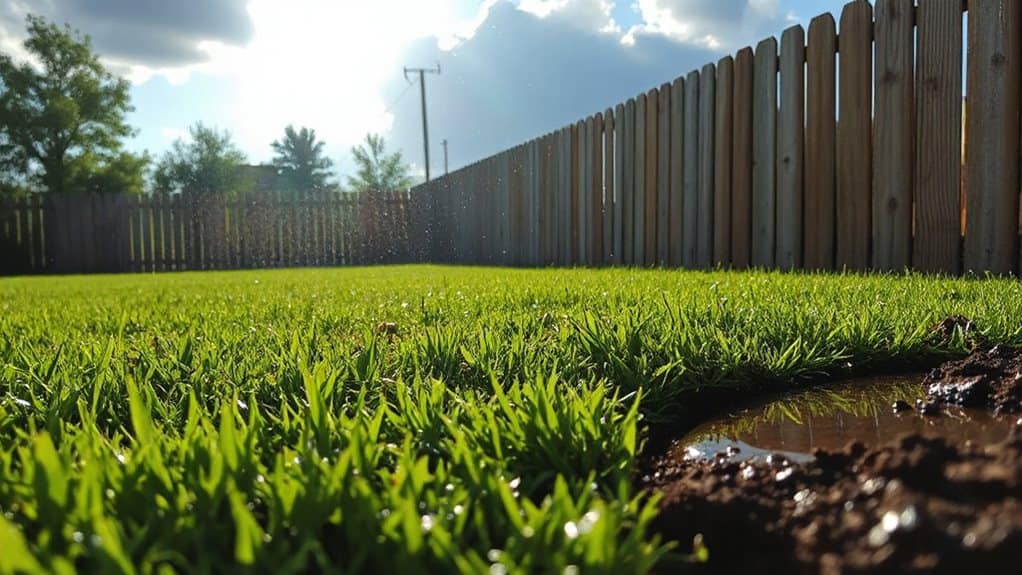
Check moisture with a simple finger test, aim for that sweet spot, and avoid over‑watering that dilutes nutrients and harms streams. Fences often create a cooler, moister microclimate that can change how much rain your lawn actually needs.
When to Apply Fertilizer After a Rainstorm?
You’ll want to check the soil’s moisture first—if it feels damp but not soggy, you’re in a good spot to sprinkle fertilizer, especially when the forecast promises a few hours of sunshine later, because the sun will help the nutrients soak in before any lingering clouds roll in. Have you ever noticed how a sunny afternoon after a rainstorm feels like the perfect camping day, and the same principle works for your lawn: the warm rays dry the surface just enough for the granules to settle without washing away? So, go ahead and apply the feed now, but keep an eye on the weather app and make sure the next sunny window is at least a couple of hours long, otherwise you might end up with a soggy mess that even a seasoned explorer would avoid.
Soil Moisture Analysis
When a rainstorm finally clears, you might wonder exactly how long you should wait before tossing fertilizer onto the lawn—well, the answer hinges on the soil’s moisture level and the drying state of the grass blades. Check if the ground feels damp but not soggy, then ensure the blades are fully dry; otherwise, you risk burn and runoff. Light rain can actually help, but heavy storms will wash nutrients away, so wait until moisture stabilizes and the grass feels crisp before you apply.
Forecasted Sunlight Timing
You’ve just checked that the soil’s damp but not soggy, and the grass blades are dry, so now let’s talk about catching the sunshine after the rain.
Aim for a forecast with at least two consecutive sunny days, because bright light fuels photosynthesis and pushes nutrients deeper.
If light showers linger, wait a day; heavy rain? Delay until the sun’s out and the puddles have vanished.
Wait 24 Hours Before Watering After Fertilizing
Ever wondered why you should hold off on watering for a full day after you’ve just fed your lawn? You let the grass dry completely, so fertilizer stays off wet blades and avoids burn, then sunlight breaks it down while you check the forecast.
After 24 hours, give a 15‑30‑minute sprinkler burst—just enough to activate nutrients, prevent runoff, and keep your turf happy.
Seasonal Rain Considerations for Fertilizer Timing
So, ever wonder why the calendar and the clouds seem to team up when you’re planning fertilizer for your lawn? In spring, aim for that light rain within four hours to soak granules into cool‑season roots, and in fall, schedule before heavy storms so nutrients stay put.
Warm‑season grasses love July thunders, but only a quarter‑inch rain, not a deluge, helps them thrive. Check forecasts, match growth windows, and let nature do the watering.
Prevent Runoff and Nutrient Loss in Rainy Weather
Ever wondered why a sudden downpour can turn your freshly fertilized lawn into a soggy mess? You can curb runoff by fertilizing only when two rain‑free days follow, using granular formulas that cling in light rain, and avoiding heavy storms right after application; spread on hard surfaces, store extras safely, and place rain gardens or pervious pavers nearby to trap nutrients and protect waterways.
Adjusting Your DIY Lawn Care Schedule for Rain
You’ll want to check the forecast the night before and plan to apply fertilizer when a light to moderate shower is expected within a few hours, because that rain helps the granules dissolve and soak into the soil without washing them away.
If the soil feels dry but the grass blades are still moist, you can safely spread the product and then wait a solid 24 hours before any heavy rain hits, which gives the nutrients time to sink to the roots.
And remember, after you’ve finished, give the lawn a gentle watering if the forecast calls for a dry spell—just enough to keep the soil happy, not enough to cause a runoff party!
Timing Based on Forecast
Ever wondered how a simple weather check can turn your lawn‑care routine into a smooth, rain‑tuned escapade? You’ll scan the forecast, pick a light‑rain window, and fertilize just before droplets arrive, letting nature water for free; if heavy rain’s coming, you hold off, waiting two dry days, then apply when the sun shines, keeping temperatures in the sweet 55‑85 °F range.
Soil Moisture Management
So, how do you keep your lawn happy when the clouds are playing hide‑and‑seek?
You balance moisture by watering deeply once a week, aiming for 1–1.5 inches, especially on sandy soil that dries fast, and you add mulch or compost to hold water; this encourages roots to grow deep, reduces thatch, and prevents surface pooling, keeping the grass resilient for everyone.
Post‑Application Watering Rules
Ever wondered how to sync your lawn‑care routine with the sky’s mood swings? You’ll want to wait at least 24 hours before you water, then give a 15‑30‑minute sprinkle within the next 48 hours so granules dissolve and roots soak up nutrients; if rain’s forecast, postpone—heavy showers wash away fertilizer, while light drizzle can act like free irrigation, but avoid re‑applying until the soil dries a bit.
Troubleshooting Common Rain‑Related Fertilizer Problems
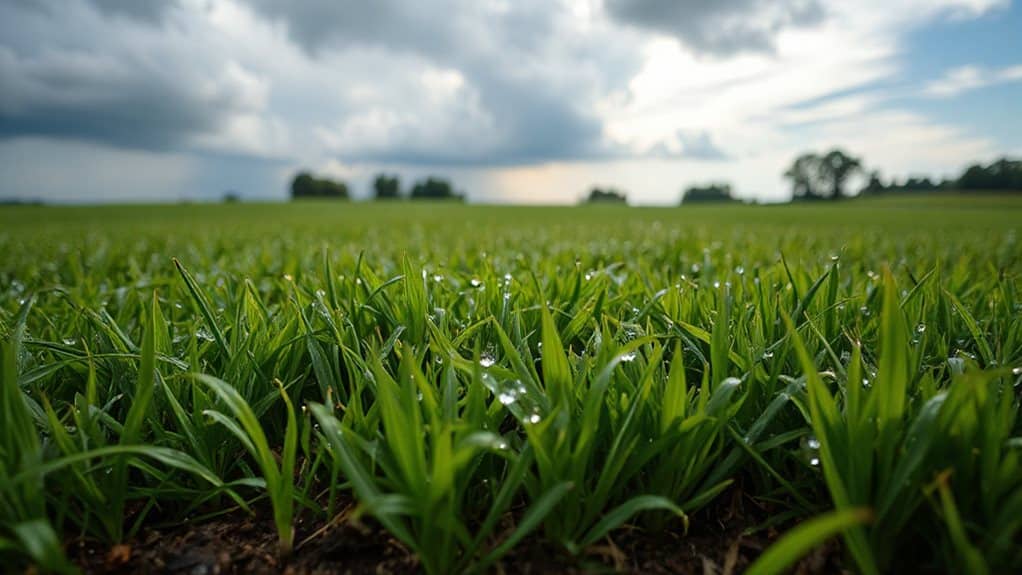
Why does a sudden downpour feel like a lawn‑killing nightmare?
When rain hits fresh fertilizer, it can wash it away, leaving nutrients stranded and waterways polluted, so you lose your hard work.
If grass is wet, the granules stick and burn, causing uneven growth.
Light rain helps, but heavy storms demand quick re‑watering, sunny days, and careful timing to protect the lawn and the environment.
Overall
So, after you’ve tossed that fresh fertilizer, give it at least a couple of hours to soak in before the first raindrops hit, otherwise you’ll waste nutrients and risk runoff. Keep an eye on the forecast—light showers are fine, but a heavy downpour can wash everything away. If you’re lucky and the rain’s delayed, you’ll see a greener, healthier lawn, and you’ll feel like a backyard‑camping pro, mastering nature’s timing. Happy growing!