Track Saw Vs Table Saw
When picking between a track saw and a table saw, think about what your project needs. Track saws are great for precise straight cuts and are good for cutting large materials. They are easy to move around, useful for different projects. Table saws are better for accurate crosscuts, bevel cuts at angles, and ripping through thick materials. They are big and need a specific space to work in. Consider what your project requires, think about your workspace, and make safety a priority. Which tool will you go for? As you go ahead, you will learn more about each saw, helping you make the perfect cut for your woodworking project.
TLDR
Track saws are great for cutting straight lines precisely, while table saws are better for more complex cuts like rip cuts and bevel cuts.
Think about what kind of cuts you need for your project and choose the saw that fits the job. Track saws are best for straight cuts, while table saws are good for complicated cuts.
Consider how easy it is to move the saw around. Track saws are easier to carry, while table saws need a dedicated space because they're big.
It's important to know how to use the saw safely. Both saws can kick back, but table saws are riskier because the blade is exposed.
Picking the right saw for the job will help you work more efficiently. Think about what you need for your project and where you'll be working before you decide.
Understanding Track Saw Capabilities

When you need to make really precise cuts, track saws are your go-to tool. They use a guide rail system to give you super accurate straight cuts, which is perfect for working with big sheets of material where being exact is super important. Track saws are great at cutting these large materials into smaller pieces, making it easy to cut straight lines and angled cuts. Whether you're doing a small project or working on a big construction site, track saws are handy because they're easy to move around and can do different types of cuts. Plus, they leave clean edges without any rough bits, so your final project will look really professional and neat.
Table Saw Advantages and Limitations
Your table saw is a powerful tool in the workshop. It can handle a variety of cuts, like precise crosscuts and angled bevel cuts. Table saws excel at rip cuts, especially with thicker materials. They are bulky and need a dedicated workspace, but their strong cutting abilities make them valuable. Safety training is crucial when using a table saw because its motor is powerful and can be dangerous if not handled correctly. While they are not as easy to move around as track saws, table saws provide versatility and accuracy, making them a common tool in woodworking shops. When deciding between a Table Saw and a track saw, understanding the pros and cons of each tool is important for choosing the right one for your project.
Project Requirements and Needs
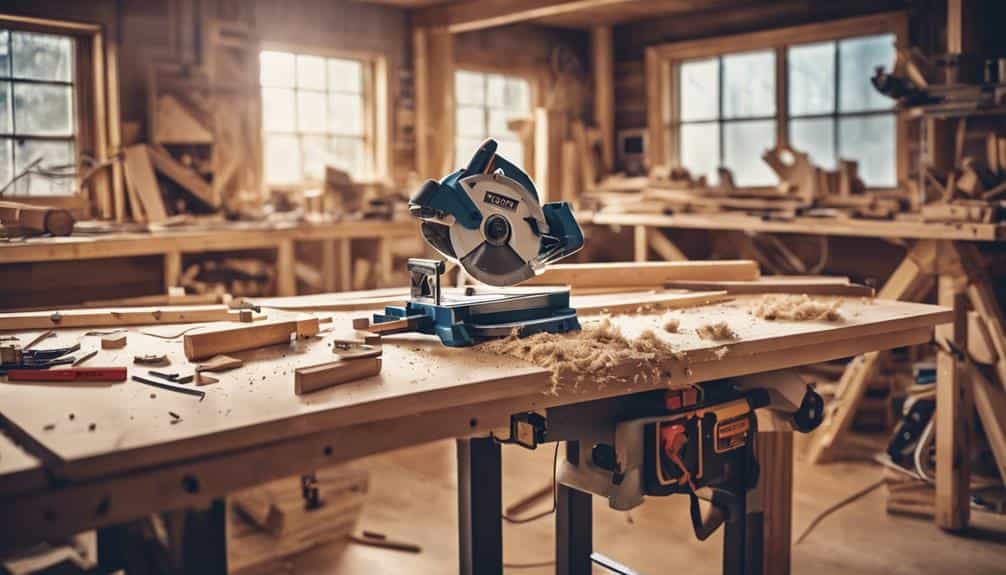
Before you start your project, figure out if you need a track saw or a table saw. Think about the cuts you'll make. If you need straight cuts, go for a track saw. For more complex cuts, a table saw is better. Consider what your project needs and the tasks you'll do. This will help you pick the right tool. Matching your tool to your project makes your woodworking easier and more efficient.
Workspace and Portability Considerations
As you decide between a track saw and a table saw, think about where you'll work and how easy it is to move your tool. Do you want a saw that stays in one spot or one you can carry around? Consider if you value portability or a stable work area more.
Stationary Vs Portable
Do you have a lot of space to work in, and do you need to move your saw around? When choosing between a track saw and a table saw, these are important things to think about. If you work on different sites or have limited space, a track saw is a good choice. It's easy to move around and great for smaller projects. But if you have a dedicated workspace and don't need to move your saw, a table saw is a solid option. Think about what your project needs and how much space you have before making your decision.
Space Constraints Matter
If you work in tight spaces or small workshops, track saws are a great choice because they save space compared to bulky table saws. They are compact and easy to store, perfect for occasional cuts on large sheets of material. Track saws are designed to take up less room, making them ideal for small workshops or job sites. They are a space-efficient alternative to table saws, allowing you to work effectively even in limited spaces. Track saws are a smart option for maximizing space in smaller workshops, helping you work efficiently in cramped areas.
Weight and Maneuverability
Your track saw is light and easy to move around, so you can cut materials wherever you need to. It's great for tight spaces and can be maneuvered easily around obstacles. Table saws, on the other hand, are heavier and bulkier, making them less convenient to transport and needing more space in your workshop. With a track saw, you have more flexibility to work in different areas. Its light weight and small size make it perfect for cutting on the go, which is why both pros and DIYers love using it.
Safety and Skill Level Factors

Consider your experience and how likely you are to get hurt. If you're new, the track saw is safer with features to help you. If you're used to table saws, be careful to avoid accidents.
Risk of Kickback Injury
When using powerful saws, it's important to know about kickback injuries that can happen with track saws and table saws. Table saws are more likely to cause kickback accidents because the blade is exposed. If the wood gets stuck or squeezed by the blade, it can kick the material back at you, leading to severe cuts, breaks, or even loss of body parts. In comparison, track saws have a lower risk of kickback injuries since the blade is enclosed and guided for cutting. To stay safe, always follow proper training, wear safety gear, and use the right techniques when using track saws and table saws.
Operator Experience Level
Using a track saw or table saw safely depends on your experience level. If you're new, track saws are easier to learn with their simple design. Table saws are more challenging and need more skill. Get safety training to use either tool correctly. Think about your experience before picking a saw, and ask for help if you're new to them.
Track Saw Versatility and Limitations
A track saw is great for making straight cuts with precision, perfect for cutting sheet goods and ripping efficiently. It's handy for bevel cuts and easy to move around, making it ideal for mobile job sites. In the Track Saw vs Table Saw discussion, track saws shine for straight cuts and reduce splintering for clean cuts on different materials. However, they may not be as versatile as table saws for all cutting tasks.
Table Saw Functionality and Uses

Table saws are great for many cutting jobs, like making straight cuts, angled cuts, and corner cuts. They are super handy in woodworking because they are accurate and stable. With a round blade on a sturdy table, table saws can handle all kinds of cutting jobs with precision. They are reliable machines that can do the same cuts over and over without a problem. Whether you're working on a small project or a big one, table saws have different cutting options to fit your needs perfectly.
Choosing the Right Tool for You
When you're deciding between a track saw and a table saw, think about what kind of woodworking you do and the space you have. If you need precise cuts, go for a track saw. If you want more options for cuts, a table saw might be better. Consider how much room you have and if you need to move the tool around. Also, think about your skill level and safety. By thinking about these things, you can pick the right tool for your woodworking, making sure it's accurate and easy to use.
Key Differences in Cutting Style
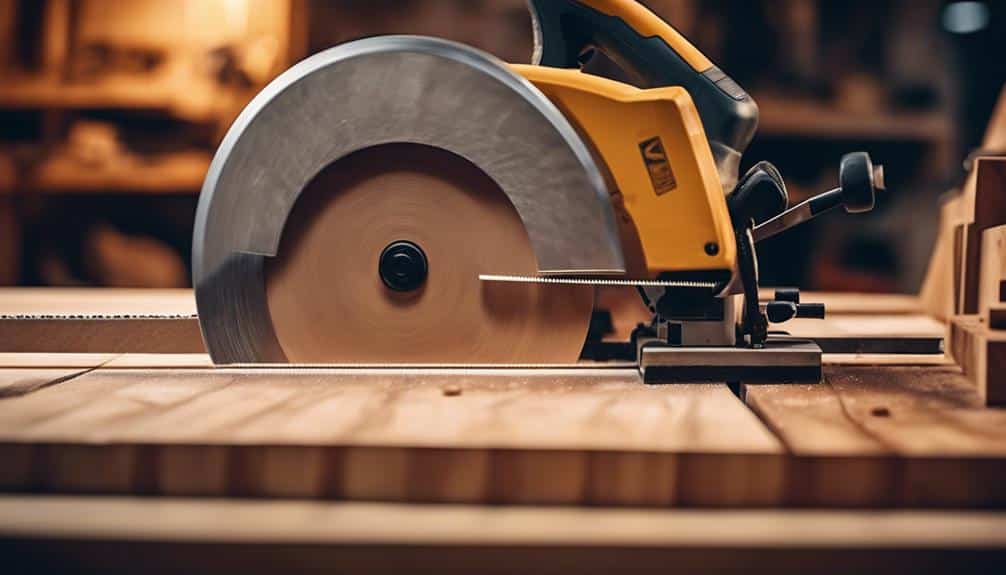
In woodworking, how you cut is important. Track saws and table saws do it differently. Track saws are great for making straight, precise cuts with a guide rail for accuracy. This gives you clean cuts without splinters, perfect for precise work. On the other hand, table saws can do more types of cuts like crosscuts, rip cuts, and bevel cuts. They might need extra care to avoid splintering, but they offer more cutting options. The main difference is track saws focus on straight cuts while table saws give you more choices.
Conclusion
You've reached the final decision! After comparing track saws and table saws, it's time to pick the best tool for your project. Keep in mind that track saws are great for precision, portability, and flexibility, while table saws offer strength and capacity. Think about what your project requires, your skill level, and your workspace. It's okay to use both tools – many woodworkers do. Choose the tool that suits you best and get ready to craft something wonderful!