How Long Do Plants Take to Recover After Transplanting?
You’ll see most plants bounce back from transplant shock in a few weeks for tiny shrubs, but big trees can need 3‑5 years, especially maples and oaks; a 1‑inch trunk typically needs about a year per inch, beautyberries recover in roughly ten days, evergreen shrubs may look needle-gray for weeks, and perennials usually need a full year to feel normal again. Water thoroughly right after planting, mulch a couple of inches, give gentle shade, trim excess foliage, and hold off on heavy fertilizer until roots are strong—then you’ll start spotting fresh buds, firm green leaves, and even soil moisture, and if you keep going you’ll discover even more tips.
TLDR
- Recovery time varies by species: maples/oaks need 3‑5 years, beautyberries ~10 days, evergreen shrubs weeks, perennials ~1 year.
- Larger trunks experience shock proportional to size—approximately one year per inch of trunk diameter.
- Immediate after‑care (thorough watering, mulching, gentle shade, foliage trimming, delayed fertilizer) speeds recovery.
- Consistently moist, well‑drained soil and proper hole size (2‑3 × root ball) prevent prolonged stress.
- Early recovery signs—fresh buds, firm green leaves, even soil moisture—indicate the plant is moving out of transplant shock.
How Long Does Transplant Shock Last for Different Plant Types?
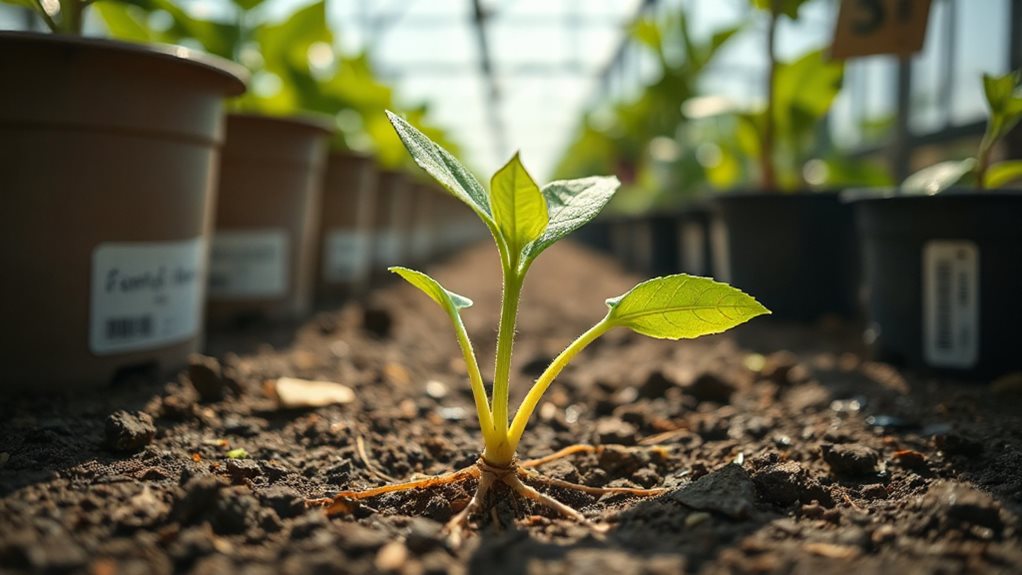
Ever wondered how long your new tree, shrub, or veggie will sulk after you plant it? You’ll see maples and oaks sigh for three‑to‑five years, while a one‑inch trunk takes a whole year of shock per inch. Beautyberries barely moan ten days, but evergreen shrubs can turn needle‑gray for weeks. Perennials bounce back in a year, and veggies usually perk up within weeks, though indoor seedlings need extra acclimation. Root disturbance is the primary cause of this stress. Overwatering during the recovery period can lengthen shock, so monitor for spongy soil and adjust irrigation accordingly.
What Immediate After‑Care Steps Reduce Transplant Shock?
So, what should you do the moment you set that tree, shrub, or veggie into its new home to keep transplant shock at bay? Water it thoroughly, then mulch a couple inches to lock in moisture, and give it gentle shade. Trim back excess foliage, avoid heavy fertilizer, and keep an eye on wilting—quick, caring actions help the roots settle and thrive. Bricks and other non-combustible materials used nearby can reduce fire risk around new plantings.
Which Factors Speed Up or Slow Down Transplant Shock Recovery?
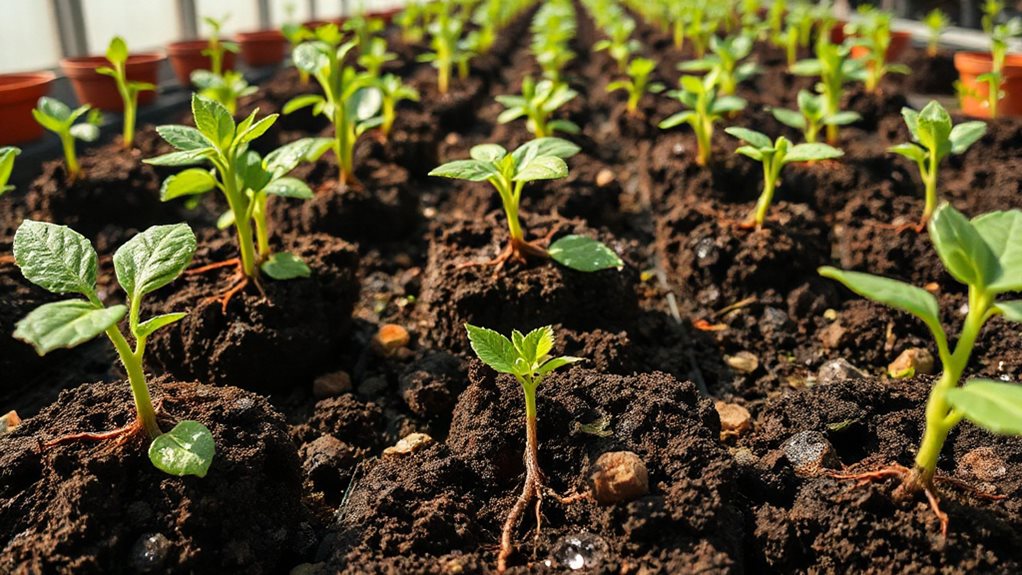
What actually speeds up—or slows down—your plant’s recovery after transplanting? Keep soil consistently moist but not soggy, use a mulch blanket to moisture and temperature, dig a hole two‑to‑three times the root ball, place the flare correctly, and delay fertilizer until roots are strong; avoid waterlogged soil, excessive heat, and early nutrient burns. Some species with thick, fleshy leaves and storage organs also recover more quickly from transplant stress when given bright, indirect light and good airflow, especially if roots are kept moist but not wet and repotted promptly to prevent further stress from being kept bare-root or in temporary mediums like sphagnum moss.
How Can You Spot Early Signs of Recovery?
Can you tell when your plant’s just started to bounce back after a transplant? Look for fresh buds popping, leaves staying green and firm, and soil staying evenly moist without soggy patches; notice the plant’s growth slowing back to normal, and the sudden stop of yellowing or curling. When those signs appear, you know its roots are settling, so keep watering steady and celebrate the little victory! Repotting in spring and using fresh potting mix can help support recovery by improving aeration and moisture.
Long‑Term Practices to Fully Recover From Transplant Shock
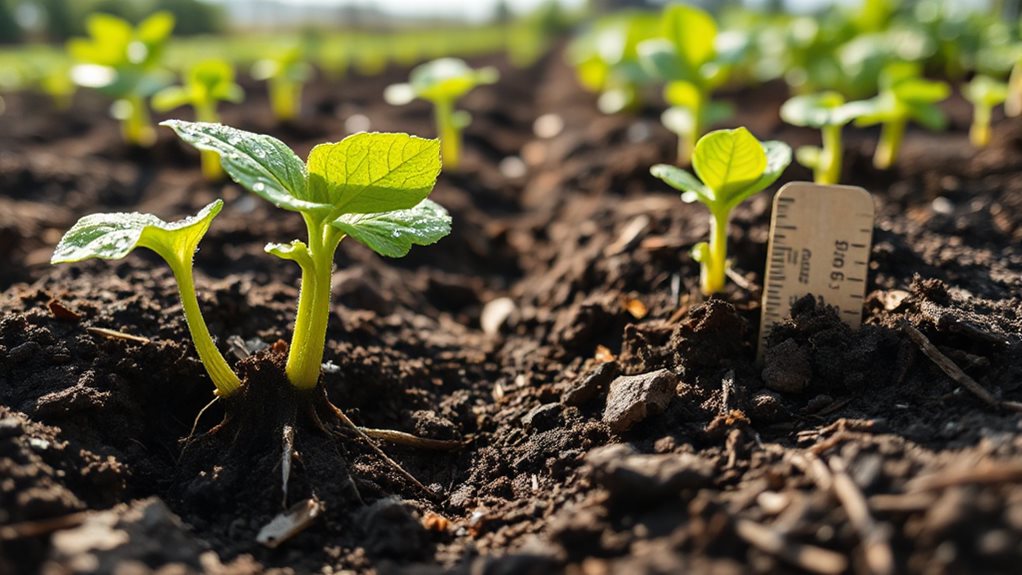
You’ll want to keep an eye on the soil’s nutrition, tweaking it with low‑dose fertilizer and mycorrhizal inoculants as the roots settle, because a well‑fed plant bounces back faster than a camper finding a fresh water source after a long hike.
How often do you check growth—maybe every two weeks, measuring new shoots and leaf color to catch any lag before it turns into a full‑blown crisis?
And remember, just like packing the right gear for a road trip, you should regularly prune dead branches, adjust mulch depth, and stay on top of moisture levels so the plant stays comfortable and you avoid the “oops‑I‑forgot‑to‑water” moments that can ruin the adventure.
Starting plants from seeds can also improve long‑term vigor and disease resistance, helping them recover more reliably after transplanting.
Optimize Soil Nutrition
Ever wondered how a plant’s diet can turn a shaky transplant into a thriving backyard excursion? You’ll blend dilute transplant solution with seaweed extract, humic acids, and B‑vitamins for early root comfort, then step up to 25‑30% Lotus Nutrients Grow, adding silicon and micronutrients.
Monitor Growth Progress Regularly
So, how do you know if your newly‑planted shrub is actually settling in or just pretending to be a cactus? You check daily for wilting, browning leaves, and rolling foliage, then measure new shoots every week, noting root thickening and canopy thinning. Keep a moisture meter handy, scan for pests, and adjust shade as it grows—your careful tracking turns shock into thriving exploration.
Common Mistakes That Extend Transplant Shock
You might think giving your plants a big drink after they’re in the ground will help them settle, but over‑watering actually drowns the roots and turns the soil into a soggy swamp where oxygen can’t get in, so the poor things stay in shock longer.
Have you ever noticed how a garden bed that drains poorly becomes a sticky mess, making the roots sit in water and rot before they even get a chance to explore the new soil?
Next time you’re out there, remember to check the drainage, water just enough to keep the soil moist, and you’ll save your greens from a soggy, miserable adventure.
Over‑Watering Roots
Why do you keep watering your newly planted tree like it’s a thirsty traveler on a desert trek?
Over‑watering drowns roots, choking oxygen, so they can’t breathe or absorb nutrients, which stalls new growth and invites rot.
Check the soil with a finger, aim for an inch weekly, and water deeply but let it dry between sessions; otherwise, your plant stays in shock.
Ignoring Soil Drainage
Ever wondered why a freshly planted tree feels like it’s stuck in a soggy swamp instead of thriving like a campsite near a crystal‑clear lake?
When you ignore drainage, heavy amendments act like a bathtub, trapping water and suffocating roots, especially in clay.
Use the same native soil for backfill, keep holes well‑drained, and watch the shock melt away faster than a campfire on a breezy night.
Overall
You’ve got this—just remember that every plant’s recovery clock ticks a bit differently, but with good water, shade, and a little patience, most will bounce back in a few weeks. Keep an eye on new shoots, adjust watering if the soil feels soggy or dry, and give them space to spread. Celebrate each little leaf unfurling like a campfire spark, and soon your garden will feel like a thriving campsite, full of life and adventure.