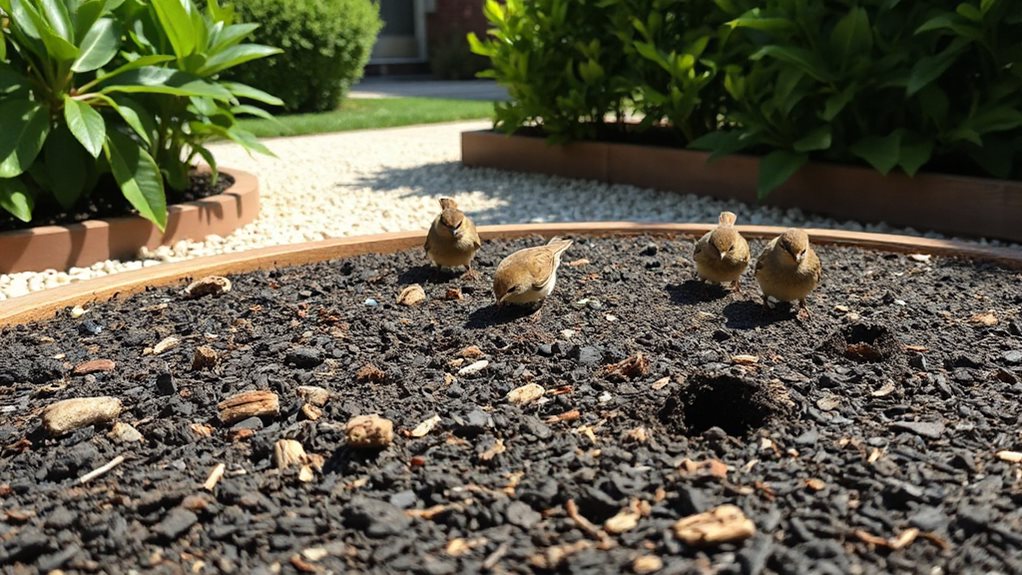
Why Are Birds Digging in My Mulch Beds?
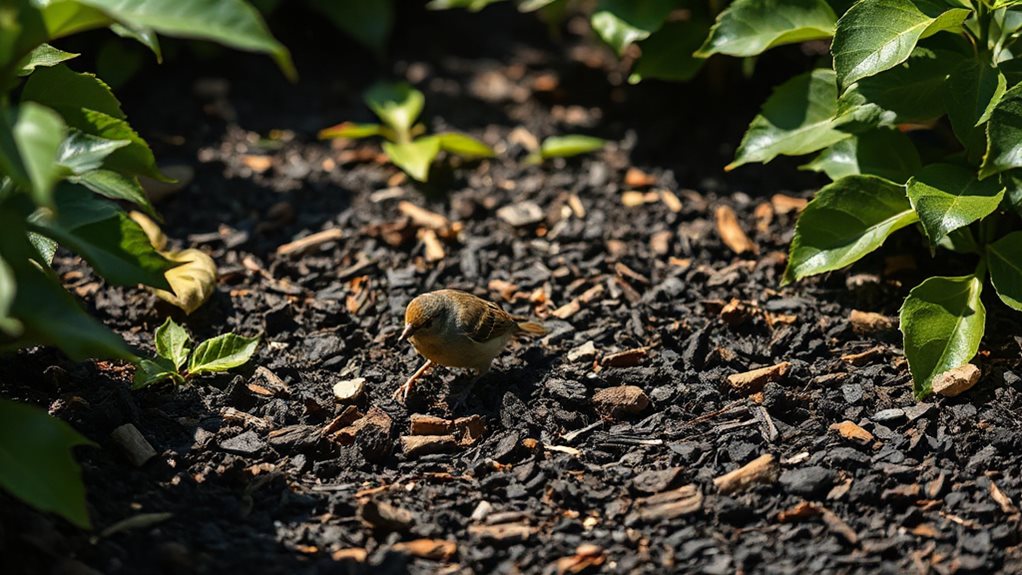
You’re seeing birds digging in your mulch because the damp, organic material turns into a buzzing buffet of insects—worms, beetles, ants, and even gnats—that sprout after rain or watering, and species like robins, blackbirds, and flickers can’t resist a snack hunt, just like they would in leaf litter during a camping trek; the moisture makes the mulch a perfect bug‑hotel, so the birds scratch and probe, creating little holes that look like tiny treasure maps, and if you keep going you’ll discover the tricks to stop them.
TLDR
- Mulch retains moisture, creating a humid environment that attracts insects, which birds hunt for food.
- Rain or over‑watering increases mulch dampness, boosting populations of beetles, ants, earthworms, and flies.
- Birds such as robins, blackbirds, flickers, starlings, crows, and jays dig to locate these seasonal insect booms.
- The digging mimics natural leaf‑litter foraging; birds probe the mulch for hidden prey and sheltered nesting spots.
- Switching to coarse, dry mulches (gravel, synthetic rubber) or reducing moisture can deter birds from digging.
How to Stop Birds Digging in Mulch
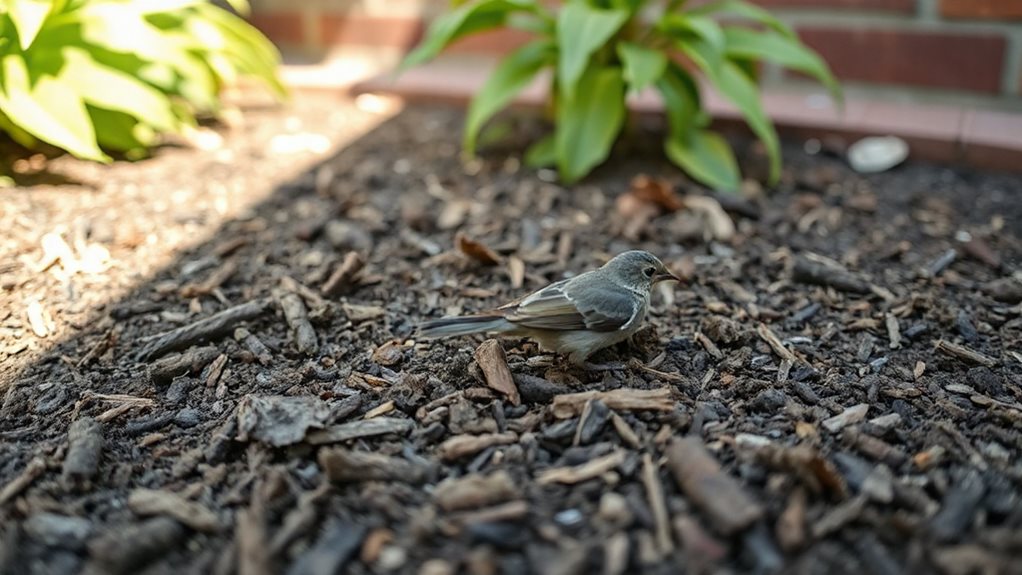
Ever wonder why those feathered friends keep turning your mulching into a mini construction site? You can stop them by swapping to rock mulch, installing bird netting, edging with three‑inch stones, and adding reflective tape or bobble‑headed owls. Move feeders away, keep mulch 2‑4 inches thick, and use a row of rocks to anchor everything—your garden stays tidy, and birds stay busy elsewhere. Mulch beds provide a rich source of insects that attract birds. Many birds are drawn to mulch because it offers sheltered nesting spots and easy access to prey.
Why Birds Dig Mulch: The Science
So, why do birds treat your mulched garden like a treasure‑hunt playground? You see, organic mulch holds moisture, which insects love, and birds sniff out those beetles, ants, and earthworms, especially after rain or watering.
Their instinct to scratch mimics digging through leaf litter for protein, so they flip, sift, and feast, turning your garden into a lively, feasting campsite. Overwatering can increase mulch moisture and attract more insects and birds, so check for signs of excess moisture.
Which Birds Are Most Likely to Dig Your Mulch?
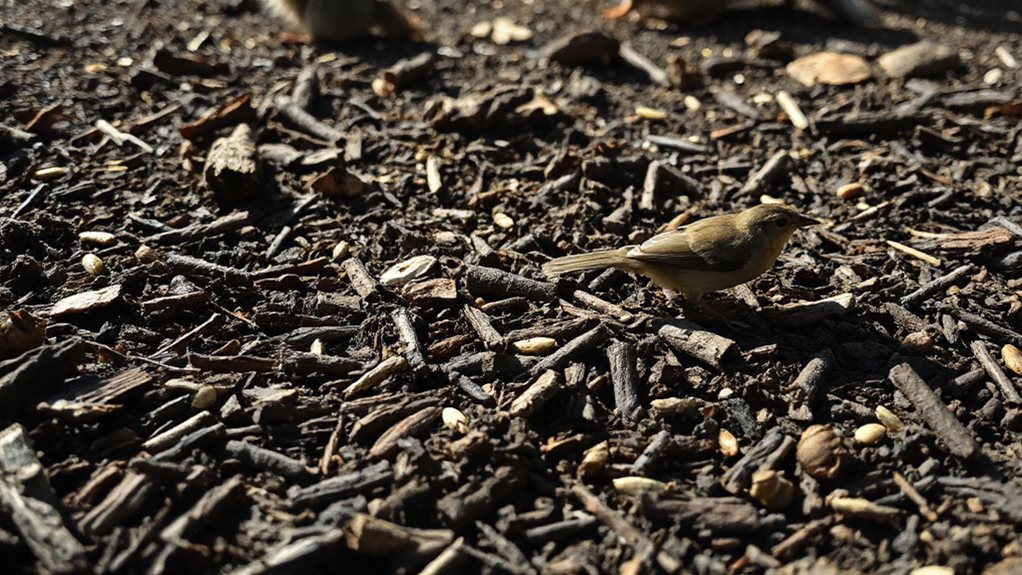
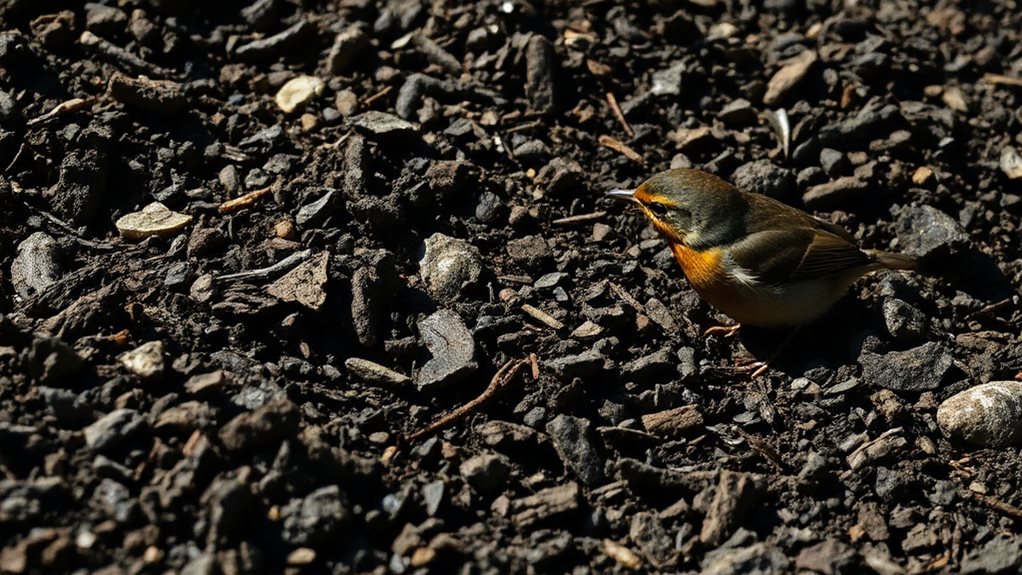
What makes a garden’s mulch feel like a five‑star campsite for birds? You’ll spot European Blackbirds and American Robins scratching for worms, Northern Flickers probing with curved bills for ants, and European Starlings opening‑bill‑probing for invertebrates, while clever crows and jays also rummage. These foragers love soft mulch, turning it into a bustling buffet—so expect lively, noisy “campers” every time you walk through. Many heat-loving garden plants, like oklahoma spinach and amaranth, also attract insects that keep birds returning.
Seasonal Insect Booms That Trigger Digging
Why do your mulch beds suddenly feel like a lively campsite for insects, and why does that turn your garden into a digging playground for birds?
When rain fills your mulch, fungus gnats, flies, slugs, and ants explode in numbers, creating a buffet; the warm, damp layers become a bug‑hotel, and birds swoop in, digging eagerly to feast on the seasonal insect boom.
Spotting Bird Holes vs. Squirrel Damage
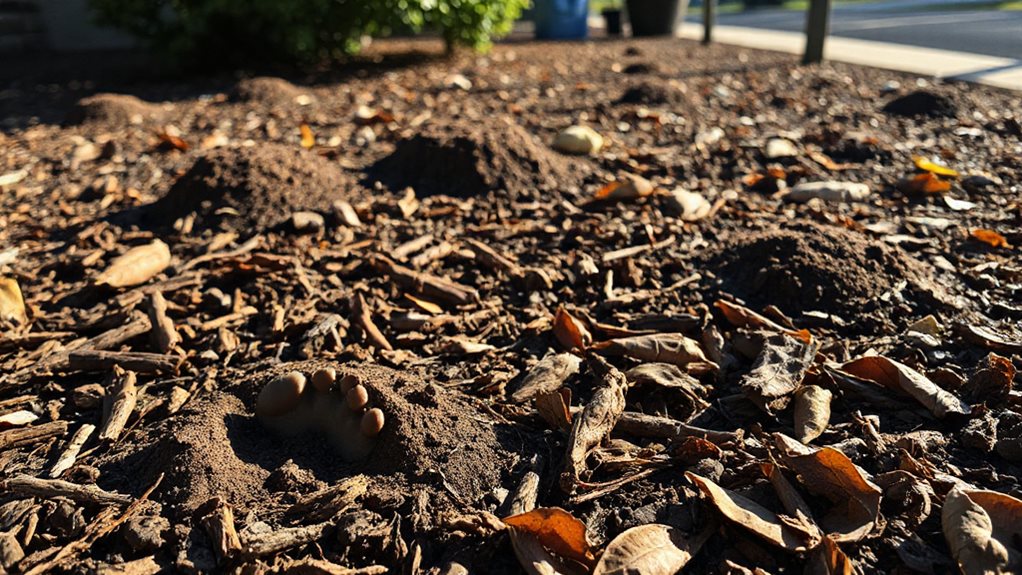
but when you see a few larger, evenly spaced hollows that line up like a squirrel’s pantry, you’ve got the rodent crew—remember, the excitement of spotting these differences is almost as fun as finding a hidden trail on a hike! Diatomaceous earth can be used carefully in mulch beds to deter digging pests by creating a dry abrasive barrier against insects and small pests.
Hole Shape Comparison
Ever wondered why some mulched spots look like tiny, perfectly‑shaped dents while others resemble a squirrel’s construction site?
You’ll spot bird holes as narrow, tapered cones under an inch wide, smooth edges, no mulch piles, and no claw marks.
Squirrel holes are broader—two inches or more—irregular, ragged borders, displaced mulch, and sometimes a fan‑shaped scatter of debris.
Identifying Damage Patterns
Ever stared at a mulchy terrain and wondered if those tiny, neat dents belong to a curious bird or a mischievous squirrel?
You’ll spot bird holes by their tight, minimal mulch scatter, fine soil sifting, and lack of claw marks, while squirrels leave wider, irregular piles, visible tracks, and nut shells; remember, birds probe for insects in daylight, squirrels cache food, so compare scatter patterns and accompanying signs to tell them apart.
Which Organic Mulch Ingredients Attract Insects and Birds?
So, which organic mulch ingredients are actually pulling in insects and—by extension—birds? You’ll find wood chips and bark buzzing with termites, carpenter ants, beetles, and spiders, while shredded leaves invite millipedes, sowbugs, and earwigs.
Straw, grass clippings, and pine straw harbor slugs, snails, ants, and even cockroaches, creating warm, nutrient‑rich havens that birds love to investigate. Regularly monitoring soil conditions can help you spot issues that attract pests and adjust mulch choices accordingly.
Low‑Attractiveness Mulch Options to Deter Birds
You’ll find that swapping to gravel or stone mulch makes the bed feel more like a rugged campsite trail than a bird buffet, so the feathered friends lose interest fast. Have you ever tried synthetic rubber mulch? It stays firm, doesn’t break down into tasty bugs, and even lets water seep through—perfect for keeping plants happy while keeping the birds at bay. Give it a go, and you’ll see the difference, just like swapping a soft pillow for a sturdy sleeping pad on a hike.
Gravel or Stone Mulch
Ever wondered why a patch of gravel or stone mulch can turn a busy bird‑foraging zone into a quiet, bird‑free zone? You’ll love that it’s inorganic, so bugs can’t thrive, and birds get zero food value, plus it drains fast, resists rain, and stays put without annual replacement; it even looks cool in rock‑garden settings, keeping weeds suppressed while you enjoy a low‑maintenance, bird‑deterring landscape.
Synthetic Rubber Mulch
Ever wondered why synthetic rubber mulch can turn your garden into a bird‑free zone while still feeling as cozy as a campsite hammock? You’ll love how its hard, inorganic texture scares birds, ants and snails, while excellent drainage keeps moisture‑loving pests away. It lasts over ten years, blocks weeds, and needs no replacement—so you can focus on helping neighbors enjoy pest‑free, low‑maintenance yards.
Easy Physical Barriers You Can Set Up Today
Ever wondered how you can turn your mulch beds into a bird‑free zone without spending a fortune or calling a professional? You can drape bird netting over hoops, staple edges every foot, and watch birds stay out;
pop blunt polycarbonate spikes on borders for invisible deterrence;
attach slippery PVC slopes to 90‑degree edges; or line beds with galvanized mesh for a permanent, humane shield.
When to Apply Repellents for Best Effect?
So, when should you actually slather those bird‑repellents on your garden? In early spring, apply before planting or as seedlings emerge, because hungry birds love fresh sprouts. In summer, spray or net as fruits blush, then harvest quickly. In fall, treat when natural food wanes, using gels or pouches. Rotate visuals every few days, reapply sprays as needed, and keep protection fresh.
Use eBird to Track Bird Activity and Adjust Strategies
You can pull up eBird’s bird‑activity heatmaps for your neighborhood and instantly see which species are flocking around your garden, which is perfect when you’re planning a backyard camping‑style adventure with your feathered friends.
Have you tried the seasonal‑trend analysis feature? It lets you compare month‑by‑month sightings, so you’ll know exactly when the pesky diggers are likely to show up and can adjust your mulch‑protective tactics accordingly.
Give it a go, and you’ll feel like a wildlife‑detective on a treasure hunt, all while laughing at the idea of birds stealing your “campfire” snacks.
Bird Activity Heatmaps
Ever wondered how you can turn a simple hike through your backyard into a high‑tech bird‑watching escapade? By uploading your eBird GPS tracks, you generate heatmaps that spotlight where species congregate, how long you spent, and how far you trekked, letting you spot patterns, tweak habitats, and share precise data with fellow volunteers, making every backyard adventure count.
Seasonal Trend Analysis
How cool is it that you can turn a simple backyard bird‑watching session into a data‑driven quest? By logging eBird checklists, you spot early‑morning Wood Thrush peaks, compare 0.5 km versus 2.5 km habitats, and blend BBS data to sharpen trend precision for marsh species.
Use weekly abundance models, cubic‑spline interpolations, and 100‑m buffers to predict migration waves, then adjust mulch timing, protect nests, and share insights with fellow bird‑lovers.
Overall
Now you’ve got the tools, you can keep birds from turning your mulch into a construction site, so why not try a low‑attractiveness bark, lay a simple mesh fence, and sprinkle a natural repellent just before the spring insect boom? Remember to check eBird for local species and adjust your tactics—if a robin’s digging, a squirrel’s not, and you’ll be camping in a tidy garden without any feathered “excavators” ruining your vibe. Happy gardening!