Can You Overseed a Lawn Without Aerating?
You absolutely can overseed without aerating—just mow the grass down to about two inches, rake away any thatch or leaves, toss a thin layer of enriched topsoil, then spread the seed and water it consistently, and you’ll still get lush results even if the soil’s a bit compacted, Think of it like setting up a campsite: you clear the ground, lay a comfy blanket, and then pitch your tent; here the blanket is the topsoil and the tent is the seed. Keep the soil moist, use a starter fertilizer, and you’ll see seedlings pop up faster than a campfire spark. If you keep going, you’ll discover the best timing tricks and extra tips for even better success.
TLDR
- Yes, you can overseed without aerating by mowing low, raking the surface, and removing thick thatch first.
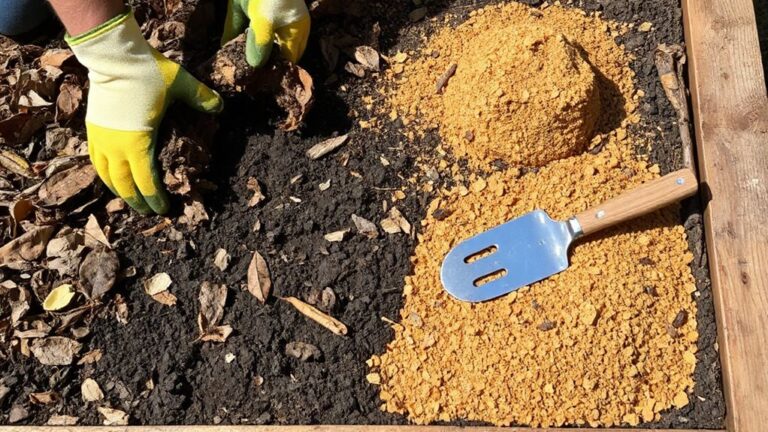
- Apply a thin (≈¼‑inch) layer of enriched topsoil or compost to improve seed‑to‑soil contact.
- Use a drop or broadcast spreader, then lightly rake to settle seeds into the soil.
- Water consistently with light, frequent sprays, followed by a deep soak once seedlings emerge.
- Fertilize with a starter fertilizer at planting and again when shoots appear for optimal growth.
Can You Overseed Without Aerating? The Short Answer

Ever wondered if you can skip the big‑machinery aerator and still give your lawn a fresh coat of green? You can, as long as you prep right: mow low, rake deep, dethatch if thatch’s thick, then spread a quarter‑inch of enriched topsoil. Use slit‑seeding or aggressive raking, water consistently, and fertilize early—perfect for lightly compacted lawns or quick touch‑ups. Core aeration pulls 2–4″ plugs, reducing compaction and creating seed-filled holes. Choose coarser, heavier materials for nearby beds to prevent mulch from washing into your seeded areas during heavy rain mulch displacement.
How Soil Compaction Affects Seed‑to‑Soil Contact for Overseeding Without Aeration
You’ll notice that compacted soil acts like a brick wall, keeping the seed particles from hugging the earth and making germination a sluggish crawl—so the first step is to loosen that tough layer with a rake, a thin‑spike roller, or even a quick sand‑mix hack, because better seed‑to‑soil contact means stronger roots later; have you ever tried spreading seed on a packed driveway and watched it bounce off?
Give it a try, and you’ll see how a little extra wiggle room for the seed can turn a stubborn lawn into a thriving campsite for grass.
Core aeration improves seed‑to‑soil contact and should be considered when compaction is severe.
Limits Compaction Impact
Why does a compacted lawn feel like a concrete jungle when you try to overseed it? You’ll notice roots stuck in a tight jam, barely breathing, while water pools like a mini‑lake, nutrients get lost, and oxygen can’t get through—so the new seeds barely touch the soil. Imagine trying to camp on packed sand; you’re stuck, and the grass suffers, too.
Seed‑Soil Contact Strategies
So, what happens when you try to overseed a lawn that’s as packed as a backpack after a week‑long camping trip? Compaction blocks water, air, and nutrients, so seeds sit on a hard crust, barely touching soil.
To fix it, lightly rake, add a thin sand‑topdressing, or spread a seed‑mix with peat. These tricks create pockets for moisture, oxygen, and nutrients, letting seedlings thrive without full aeration.
Preparing the Lawn for Overseeding Without Aeration

You’ll start by mowing your grass down to about two inches, bagging the clippings so the soil shows, which is kind of like clearing a campsite before you set up a tent; then you grab a rake or dethatcher to whisk away thatch and any leaves or twigs—think of it as shaking out your backpack before a hike; finally, you sprinkle a thin layer of enriched topsoil or compost, spread the seed, and give it a gentle rake so the tiny grains settle snugly against the earth, because good seed‑soil contact is the secret sauce that makes your lawn thrive without any aeration. Mail-in lab tests offer lab-grade accuracy for comprehensive nutrient analysis and can be useful when you want precise soil information before overseeding.
Ow to Proper Height
Ever wondered how a simple trim can turn a tired lawn into a seed‑ready runway without breaking a sweat on aeration? You’ll mow to about two inches, then lower the height by a third over a week, never scalping—think of it as easing into a campsite.
Keep cool‑season grass at 2.5‑3 inches, then drop another third three days before seeding, exposing soil for seedlings to settle.
Remove Surface Debris
Ready to turn your lawn into a pristine campsite before overseeding? First, mow low—about an inch—then grab a garden rake and sweep away dead grass, leaves, twigs, and any thatch thicker than half an inch; bag those clippings so they don’t block seed. Use a power rake on stubborn spots, and you’ll expose a clean, even surface that lets every seed settle happily.
Ensure Seed‑Soil Contact
So, how do you make sure every tiny seed actually hugs the soil when you skip the aerator?
First, mow low—2 inches or less—bag the clippings so sunshine reaches the ground.
Then grab a stiff rake, make a vertical then horizontal pass to loosen dead matter, or use a dethatching rake if thatch piles up.
Finally, lightly top‑dress with screened compost for moisture and nutrients.
Choosing a Seed‑Drop Method That Maximizes Contact

How do you pick the perfect seed‑drop method to make sure every grain hugs the soil like a well‑packed campsite tent?
If your lawn’s under 5,000 sq ft, grab a drop spreader, aim straight, then rake lightly so seeds settle snugly; for larger yards, switch to broadcast spreader, follow the mowing path, and still rake for that extra “tuck‑in” feeling. Cold soil can slow germination and weaken roots, so avoid early planting when soil temperatures are too low.
Improving Seed Contact Without Aeration
After you’ve nailed the seed‑drop technique, the next step is making sure those tiny grains actually hug the soil instead of bouncing around like a restless campsite. Dethatch or power‑rake to strip thatch, then gently rake the area to expose clean soil.
Spread a thin topdressing of compost, and if you’ve got a slit seeder, cut shallow grooves for direct seed placement—this enhances contact without aeration. Using native, drought‑tolerant plants can improve long‑term success and support local ecosystems by providing resources for pollinators like bees and butterflies native bee plants.
Best Time of Year & Day to Overseed Without Aeration

When’s the perfect moment to toss seed on a lawn that you’re not aerating? Aim for late summer to early fall, when soil’s 50‑65°F, especially mid‑August through mid‑September in the Midwest, Northeast, or South.
Pick a cool, overcast morning with light rain on the way, avoiding scorching heat or drought.
Early spring works too if soil’s warm enough.
Watering & Fertilizing After Overseeding Without Aeration
Ever wonder why your lawn feels like a thirsty desert right after you toss seed on it, even though you didn’t bother aerating?
Water lightly but often, misting daily, and give a deep soak right after seeding; then keep soil moist for weeks.
Sprinkle starter fertilizer—like 365 SS—immediately, then fertilize again once shoots appear, always following label rates to avoid burn.
When Aeration Is Still Worth Doing After Overseeding Without Aeration

So, why bother with aeration after you’ve already overseeded without it? You’ll still want to break up compacted soil, because roots need oxygen and water to thrive, and aeration opens pathways for nutrients, reduces thatch, and thwarts weeds that love thin spots.
Do it every other year, especially in fall, to let seeds settle into fresh holes, enhance root depth, and keep the lawn resilient and lively.
Overall
You’ve got this—just spread the seed, keep the soil moist, and watch those green sprouts pop up like campers setting up tents under a starry sky, even if you skipped aeration. Remember, a little extra watering and a pinch of fertilizer are your best friends, and if the soil feels like a packed backpack, a quick core‑aerator later can elevate the adventure. So grab your rake, get out there, and enjoy the lawn‑camping fun!