Why Grass Roots Grow Through Landscape Fabric
You’ve seen it—grass poking through terrain fabric like it’s pitching a tent where it shouldn’t! Roots are sneaky explorers, hunting moisture and nutrients, and they’ll wiggle through tiny pores, seams, or tears like you’d sneak snacks into a sleeping bag. Over time, mulch breaks down, feeds the soil, and turns into a cozy bed for weeds. Pulling them just tears the fabric and makes things worse—trust me, it’s like fixing a ripped tent by poking more holes. Stick around, and you’ll uncover smarter, easier ways to win the garden game.
TLDR
- Grass roots exploit tiny pores and tears in landscape fabric, using moisture and nutrients as cues to penetrate and establish growth.
- Seeds land on mulch and germinate, with roots growing downward through fabric gaps, seams, or uncovered edges.
- Fabric degrades over time due to UV exposure and wear, creating holes that allow grass roots to invade.
- Poorly sealed seams, overlaps, and edges trap soil and organic matter, creating ideal conditions for root penetration.
- Mulch breakdown atop fabric forms a soil-like layer, enabling grass to root above and grow through weak points.
Why Does Grass Grow Through Landscape Fabric?

So, you’ve laid down that nice black groundcover fabric, added a tidy layer of mulch, and stepped back proudly—only to find, weeks later, stubborn blades of grass poking through like uninvited campers at your backyard s’mores party.
How’d they crash the fun? Wind, animals, or sneaky rhizomes bring seeds and roots right to the top, where mulch breaks down, creating cozy soil-like conditions—perfect for grass to settle in, send roots through tiny tears or pores, and say, “We’re staying!” Over time, the fabric’s pores can become clogged with sediment, further reducing its effectiveness and allowing weeds to establish more easily due to reduced permeability. Adding organic matter like compost or decomposing mulch on top can actually encourage grass and weed growth by supplying food sources that fungi and plants thrive on.
How Do Grass Roots Get Through Tiny Fabric Holes?
Envision this: you’re hiking through a meadow, boots crunching on dry grass, when you spot a tiny green shoot snaking up through a crack in the rocks—nature’s version of a ninja slipping through a security fence.
You’d laugh if it weren’t so clever, right? Well, grass roots do this *all the time* with ground-cover fabric.
They’ve got slippery, slimy tips that probe tiny holes like curious fingers, using water and nutrients as breadcrumbs.
When they find a pore? Boom—entry granted.
Then, they grow thicker, branch out, and turn that little hole into a full-blown root highway.
Nature’s persistence at its finest!
Mowing and other yard activities can spread seeds and introduce more weeds and plants that exploit those fabric gaps.
Can Landscape Fabric Really Block Grass Roots?

While you might think that slapping down a layer of groundcover fabric is like rolling out a no-entry mat for grass roots, the truth is way more surprising—roots aren’t exactly the rule-following type. They’ll hunt for air and water like campers chasing a sunset, then punch right through fabric.
Over time, soil gets hard, worms pack up and leave, and roots just laugh and plunge through. So no, that fabric won’t block them for long—it’s more “welcome mat” than “keep out.” A 2–3 inch layer of breathable mulch or fabric is generally recommended to get the best balance of weed suppression and soil health.
Does Sunlight Ruin Landscape Fabric Over Time?
You know how your favorite camping tent starts looking a little rough after a summer of blazing sun and wild outings?
Well, groundcover fabric goes through the same thing—UV rays break down polypropylene and polyester, especially if it’s cheap or not UV-stabilized. Without proper staples or a mulch cover, it sags, stretches, and turns brittle, letting weeds waltz right through. Yikes!
Proper maintenance like adding a mulch cover can extend its life by reducing UV exposure and physical wear.
Why Gaps and Seams Become Grass Highways?

You know how a tiny gap in your tent zipper lets in bugs during a camping trip? Well, grass roots are like sneaky little adventurers that find every unsealed seam, loose edge, or pinhole in your grounds fabric and turn them into full-on highways.
When mulch breaks down over those seams or water washes in dirt, it’s basically rolling out a welcome mat for weeds and turfgrass—talk about an uninvited family reunion in your garden!
Over time, poor drainage and trapped moisture can make those seams irresistible to roots, so addressing poor drainage helps prevent the problem.
Edge Gaps Invite Invasion
Envision this: you’ve laid down groundcover fabric like a pro, smoothed out the wrinkles, tucked it in nice and neat—feeling pretty proud, right?
But if the edges are shallow, uncovered, or lack rigid barriers, grass sneaks in like an uninvited camper at your site. Sunlight, runners, and mulch gaps? Hello, invasion highway! Seal those edges—your plants will thank you.
Seams Trap Moisture And Seeds
While you’re out there patting yourself on the back for laying that ground cover fabric smoother than a freshly made bunk at summer camp, there’s a sneaky little party happening right under your nose—along the seams.
Those overlaps? They’re moisture magnets, trapping water, dust, and seeds like a welcome mat for uninvited grass guests.
Roots Exploit Fabric Weak Points
That sneaky party at the seams? Yep, roots throw one every time!
Those tiny gaps in fabric? They’re like welcome mats for grass roots, especially where you cut or tear the material.
Roots feel the air, moisture, and light sneaking through and think, “Perfect highway!”
They wiggle in, settle down, and boom—full root block party.
Seal those seams tight, or you’re basically inviting weeds to camp out in your garden!
When Mulch Turns Into Soil: How Grass Takes Over

Envision this: you spread down that neat layer of mulch a few years ago, patted yourself on the back for beating the weeds, and called it a day—only to come back and find a full-blown grass party happening right on top of your garden fabric.
Surprise! That mulch broke down into rich, soil-like fluff perfect for seeds to crash the scene. Wind, birds, and furry friends dropped them off, and now they’re thriving—thanks to moisture, warmth, and a comfy organic bed. Who knew your mulch would throw its own garden rave?
How Long Does Landscape Fabric Really Last?
So, you’ve got your landscape fabric down, looking all neat and tidy under a fresh layer of mulch—mission accomplished, right? Well, not quite!
Depending on the type, that fabric might last you 5 years or even 25—but only if it’s high-quality, well-covered, and not left baking in the sun like a forgotten s’more. Thick, woven polypropylene? Great choice. Thin, flimsy stuff? Yeah, that’ll quit on you fast, especially if roots, rocks, or foot traffic poke holes in it.
And once it starts crumbling, weeds waltz right through—game over.
Why Pulling Grass Makes the Problem Worse (And What to Do Instead)?

You ever try yanking grass out of garden fabric, only to have it snap off and come back thicker than a campsite full of hungry scouts? That’s because pulling doesn’t remove the roots—it breaks them, and those sneaky leftovers actually send out *more* shoots, like nature’s version of a booby trap.
Instead of wrestling weeds like it’s a backyard tug-of-war, cut out the fabric for good and pile on thick organic mulch—it’ll smother weeds, feed the soil, and keep your garden as happy as a tent on dry, level ground.
Root Damage And Fabric Tears
While it might seem like a quick fix to yank out that stubborn grass poking through your terrain fabric, doing so is kind of like trying to pull a tent stake out of tangled guy lines—you end up ripping more than you planned and make the whole setup wobblier.
You’re not just removing weeds; you’re tearing the fabric, damaging nearby roots, and creating perfect spots for more weeds to move in.
Think of it like popping a blister—sure, it’s gone, but now there’s an open wound inviting trouble.
Every tug stretches fibers, widens holes, and turns your tidy garden into a patchwork quilt of problems.
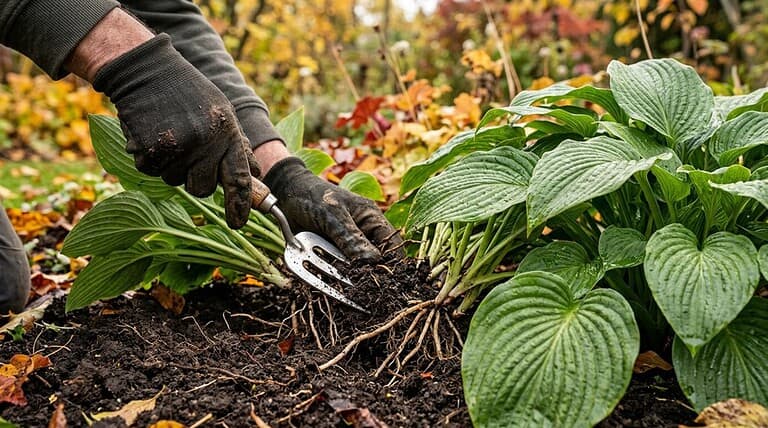
Instead of pulling, try cutting weeds at the surface or gently lifting them with a fork to avoid shredding the fabric.
Effective Alternatives To Pulling
Think of your groundcover fabric like a well-worn tent floor—sure, it’s doing its job keeping the rough stuff out, but yanking weeds every time they pop through is like poking holes in the bottom just to fix a loose thread.
You’re not helping; you’re accidentally farming more grass! Instead, smother invaders with cardboard and mulch, solarize with clear plastic in summer, or use targeted herbicides—no more playing whack-a-mole with your garden!
How to Stop Grass Without Fabric: Mulch, Edging & Prep
Let’s plunge right into how you can kick grass to the curb—no terrain fabric required—by utilizing the superpower of mulch, a little prep, and some smart edging.
Drench the area, then lay down 3–4 inches of mulch, edge like a pro, and block light like you’re hiding snacks from campers.
Grass fades, soil thrives, and voilà—easy, lush beds ready for happy plants and zero mowing marathons!
Overall
So, you thought terrain fabric was a magic grass shield, huh? Turns out, roots are sneaky little explorers, slipping through tiny holes like campers sneaking snacks past their parents. Sunlight weakens the fabric over time, gaps turn into root highways, and boom—grass throws a full-blown garden party. Yanking it only makes things worse (ask my back). Skip the fabric! Try thick mulch, sharp edging, and good prep—your yard (and sanity) will thank you. Happy gardening, explorer!