Why Leaves Turn Pale Green Instead of Yellow
So, your plant’s leaves are turning pale green instead of yellow? That’s usually a heads-up—it’s not starving, just mildly hungry, kind of like when you forget snacks on a camping trip and start eyeing your friend’s trail mix. It’s often a light nitrogen shortage, off-balance soil pH, or roots getting too much or too little water. Iron or magnesium might be playing hard to get, especially if the veins stay green. And trust me, I’ve been there—overwatered my fern into a pale panic more than once. Fix the soil, tweak your watering, and boom—your plant’s back to lush, jungle-ready glory, just wait till you see how easy the fix really is.
TLDR
- Pale green leaves often signal early chlorophyll deficiency before full yellowing occurs.
- Inadequate nitrogen uptake can cause pale green coloring, especially in older leaves.
- Interveinal chlorosis with green veins and pale tissue suggests iron or magnesium deficiency.
- Soil pH imbalances reduce nutrient availability, leading to pale rather than yellow leaves.
- Improper watering or compacted soil limits root function, resulting in pale green foliage.
Why Are My Leaves Pale Green and Not Yellow?

Spotting your plant’s leaves turning a washed-out, pale green instead of their usual rich hue? It’s like they’re craving a proper meal under the sun!
Maybe they’re not getting enough light, or you’ve been a little too generous with watering.
Could be pests sneaking around, or the soil’s throwing a pH tantrum.
Let’s play detective—your green buddies are counting on you!
This pale green coloration can signal early chlorophyll deficiency, often tied to reduced photosynthetic activity due to inadequate nutrient uptake. A simple home test for pH and nutrients can help pinpoint if the soil is the problem.
Nutrients Your Plant Lacks When Leaves Fade
If your plant’s leaves are losing their spark and fading into a sad, washed-out green, it mightn’t just be a cry for water—it could be screaming for specific nutrients instead!
Nitrogen’s probably playing hooky, since it’s in charge of that lush green color; without it, leaves turn pale and growth slows.
You’ll spot older leaves turning yellowish first—kind of like how my basil looked last summer when I forgot to feed it!
Check your soil, because nitrogen loves moving around and can vanish fast, especially in acidic conditions.
Soil pH affects nutrient availability, so always test and aim for the ideal range of 4.5–6.0 to keep nutrients accessible.
Soil and Water Issues That Fade Leaf Color

When your plant’s leaves start looking like they’ve been bleached by a rogue pool cleaner instead of glowing with that juicy green vibrancy you love, it’s time to play detective—and chances are, the real culprits aren’t lurking in the leaves at all, but hiding right under your nose in the soil and water routine.
Are you overwatering? Soggy soil cuts off oxygen, suffocating roots and fading color fast—think of it like leaving your plant’s toes in a kiddie pool all summer. Or maybe you’re underwatering, letting things dry out so long your plant’s practically camping in the desert with no water filter.
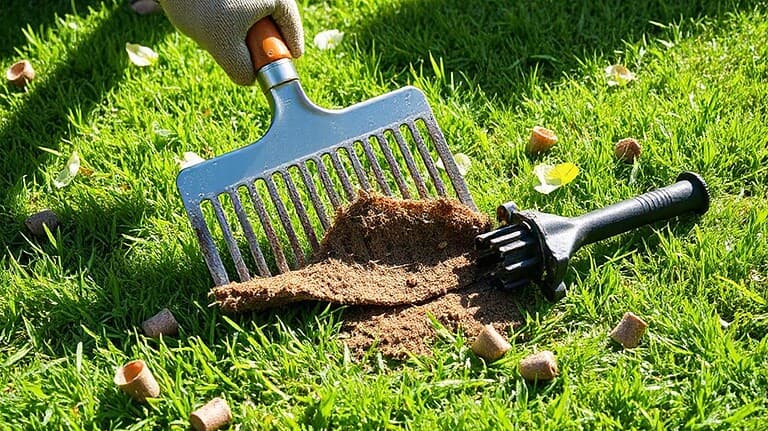
Compacted soil or hard tap water can also sneak in and dull that lush green you’re after. Let’s fix the foundation, so your green friends can thrive, not just survive! Improved soil structure through core aeration helps roots access air and water so leaves regain their color.
Is It Normal or a Sign of Trouble?
Okay, so you’ve been checking the soil, tweaking your watering, making sure your plant’s not sitting in a swamp or gasping for a drink—and hey, that’s awesome detective work!
But if the leaves are pale green without yellowing, it might be totally normal, like new growth or a chill seasonal shift. Or, if older leaves are fading evenly, maybe it’s a mild nitrogen shortage—nothing a little balanced fertilizer can’t fix. Spot green veins with pale tissue? That’s interveinal chlorosis, likely an iron or magnesium issue, especially in alkaline soil.
Don’t panic—just test pH and adjust nutrients. Your plant’s not giving up; it’s just asking for a little more care! Regular soil testing helps you monitor pH and nutrient levels so you can make the right adjustments.
How to Fix Pale Leaves for Good

Let’s roll up our sleeves and plunge into fixing those pale leaves for good—because nobody wants their plant looking like it’s been left out in the sun too long without a hat!
Water evenly, enhance compost, tweak nutrients like nitrogen or iron, check pH, and match light needs.
Think of it like packing the perfect camping meal—balance is key, and everyone leaves happy (and green)!
Also be sure to avoid overwatering and ensure good drainage to prevent root rot and further yellowing.
Overall
So, your plant’s leaves are turning pale green instead of yellow—kind of like grass after a long winter, huh? It’s usually a cry for help, not a fashion statement! More often than not, your plant’s missing key nutrients, especially nitrogen, or it’s drowning in soggy soil. But hey, no panic! Fix the soil, tweak your watering, and boom—your green buddy’ll bounce back, lively and strong, ready to thrive like it’s prepping for a camping trip in the great outdoors!