Why Lawn Soil Dries Out Too Fast and What You Can Do About It
Your lawn’s drying out fast because compacted soil, shallow roots, and thirsty tree roots are hogging all the water—kind of like that one cousin who drinks all the soda at a party. Sandy soil drains too quick, clay gets hard as a rock, and watering every day just makes grass lazy. Try deep, weekly soaks, aerate like it’s a spa day, add compost, and skip night watering to dodge fungus. You’ll be amazed what a little soil love can do—stick around, and I’ll show you the game-changing tricks most folks miss.
TLDR
- Shallow turf roots from compaction and tree competition reduce drought resilience and increase drying.
- Sandy or compacted clay soils limit water retention and root access, causing rapid moisture loss.
- Frequent shallow watering encourages weak, surface roots instead of deep, drought-tolerant growth.
- Tree canopies block rain and absorb moisture, leaving turf under them dry and stressed.
- Core aeration, organic matter, proper watering, and soil testing improve moisture retention and lawn health.
Shallow Roots Make Lawn Soil Dry Out Fast

Ever tried giving your lawn a nice drink only to see it brown out two days later, like it completely forgot how to hold onto water?
Yeah, your turf’s roots are barely dipping their toes into the soil—just a few inches deep!
Compacted dirt, tree roots, and shade keep them stuck near the surface, where moisture vanishes fast.
No wonder your lawn’s always thirsty!
This shallow root issue is often caused by soil compaction, which blocks water from penetrating deeper into the ground.
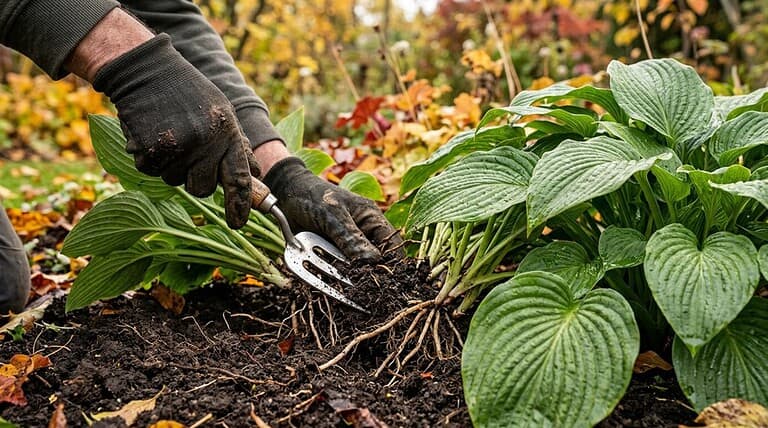
Improving soil with regular core aeration and organic matter helps roots grow deeper so the lawn can hold moisture longer.
Sandy Or Clay? How Soil Type Holds (Or Loses) Water
You know how your water bottle empties way too fast on a hot camping trip? That’s kind of what happens with sandy soil—it drains quickly, leaving roots high and dry, while clay soil can get so squished and compacted it’s like trying to drink through a clogged straw.
Think of sandy soils as the backpackers who pack light but run out of supplies fast, and clay soils as the overpackers who bring too much and can’t move—both have issues! So, which one’s hogging the water or letting it slip away in your lawn? Let’s figure out how to give your grass the Goldilocks zone—not too fast, not too slow. Sandy soils often need added organic matter to hold moisture and nutrients better.
Sandy Soils Drain Quickly
While it might seem like your lawn is just being dramatic by drying out the second the sprinkler turns off, the real culprit could actually be hiding right beneath your feet—sandy soil.
Those big, gritty particles drain water faster than a leaky camping mug, leaving roots thirsty. You’ll need to water more often, sure—but enhancing organic matter can help, like giving your soil a hydration upgrade.
Clay Compaction Reduces Porosity
Envision this: you’re out camping, happily pouring water into a cracked, sun-baked riverbed, only to watch it vanish in seconds—no puddle, no soak, just *poof*, gone.
That’s what happens when clay soil gets compacted: pores collapse, water can’t enter, roots struggle, and your lawn suffers.
You’ve seen it—hard, cracked dirt after heavy foot traffic.
But guess what? Aeration and organic matter can rescue it, helping your soil breathe, drink, and thrive again—just like magic!
LLWR Limits Root Access
When the soil under your feet feels more like a desert dust bowl or a chunk of concrete, you’re probably dealing with a sneaky culprit called the Least Limiting Water Range—aka LLWR—that invisible sweet spot where roots can actually do their thing without throwing up their tiny root hands in surrender.
Sandy or clay, your soil might be holding—or losing—water in ways that leave roots parched or panicked.
You want that Goldilocks zone: not too wet, not too dry, just right for happy, deep-growing roots.
And guess what? You can fix it—your lawn doesn’t have to suffer anymore.
Compacted Soil Can’t Hold Water: Here’s Why
You know how your tent floor gets all squished when you forget to put a tarp down at a campsite? Well, when your lawn soil gets compacted, it’s kind of like a thousand boots stomped on it after a rainy weekend—those fluffy air pockets get smashed flat, leaving nowhere for water to hide or roots to stretch. Soil compaction also reduces pore space and hinders microbial activity, which can further limit water retention and nutrient availability for plants soil microorganisms.
Soil Compaction Reduces Porosity
Envision this: you’re out in your yard, hose in hand, trying to water your lawn like it’s a parched camper at a music festival—except the water just sits there, mocking you, like it’s not even soaking in.
That’s because compacted soil crushes tiny air pockets, especially the big, stretchy ones roots and water need.
Think of it like stomping on a sponge—it can’t soak up much when it’s all squished!
Roots Struggle In Dense Layers
That squished-down soil isn’t just giving water the cold shoulder—it’s also turning your lawn into a root obstacle course, where every inch forward feels like hiking through wet concrete with a backpack full of rocks.
You want your grass to thrive, but compacted layers block roots from reaching water and nutrients deep down, leaving them stuck near the surface, thirsty and stressed—kind of like forgetting your water bottle on a long campfire hike!
Water Too Often? You’re Causing Shallow Roots?

Think your lawn’s getting the royal treatment with a daily drink? Sorry, but you’re coddling it too much!
Watering every day keeps roots lazy, hanging out near the surface like they’re sunbathing. They won’t grow deep if they don’t have to!
Go long and infrequent—soak it deeply 2–3 times a week. Trust me, your grass will brave droughts like a seasoned camper surviving off-grid! Adding a smart irrigation system can also help deliver deeper, less frequent waterings while saving you time and water.
Stop Nighttime Watering: It Hurts Your Soil
Okay, so maybe you’ve been sneaking out to water your lawn at night, thinking you’re being all stealthy and efficient—like a ninja with a hose—but honestly, you’re not helping your grass; you’re basically throwing a 24/7 wet party that fungi, pests, and rot just *love* to crash.
You’re drowning roots, inviting mold, and turning your yard into a bug motel—yikes! Switch to morning watering, and let the sun help dry things out.
Your lawn will breathe easier, stay healthier, and honestly, thank you. Proper watering timing also helps prevent fungal diseases that thrive in prolonged moisture.
Mow Too Short? You’re Speeding Up Drying?

Chopping your grass down too short? You’re basically throwing a pool party for the sun—inviting it to zap moisture fast!
Short mows mean shallow roots, hotter soil, and more evaporation, which stresses your lawn, kind of like forgetting sunscreen on a camping trip.
Keep it taller, shade the soil, and let roots grow deep—your grass will thank you, and your yard will stay cooler than a shaded picnic table!
Leave Clippings To Mulch And Retain Moisture
Leaving those grass clippings right where they fall? You’re basically giving your lawn a cool drink and a nutrient snack!
They act like tiny umbrellas, shielding soil from the sun and locking in moisture—no more daily watering marathons.
Plus, they break down fast, feed your grass, and skip the thatch drama.
It’s like composting while mowing—easy, kind to the earth, and honestly, kinda genius.
Shade Keeps Soil Wet: Then Dries It Out Fast

While you might think shady spots in your yard are the chill, low-maintenance buddies of the lawn world—cool, calm, and always moist—there’s a sneaky twist they’re not telling you: that same shade that hugs moisture in like a campfire on a misty morning can actually set the stage for a sudden, dramatic dry-out the second the sun pokes through.
Yep, it’s true! Shady areas trap moisture, thanks to less evaporation and slower air movement, making the soil stay wet longer after rain or watering.
But here’s the plot twist—when sunlight finally sneaks in, that soaked soil heats up fast and dries out quicker than socks on a campfire. It’s like nature’s own surprise party, and your grass is the uninvited guest left high and dry.
Big Trees Steal Water From Your Lawn
You know how you feel super thirsty after a long hike or a day of setting up camp in the sun?
Well, imagine your lawn’s trying to survive while that big, shady tree in your yard guzzles over 11,000 gallons of water a year—yep, it’s basically hogging the whole canteen!
Between its roots spreading as far as the tree is tall and its leafy canopy catching thousands of gallons of rain before it even hits the grass, your turf’s left high and dry, like forgotten s’mores in a hot tent.
Tree Root Competition
Ever feel like your lawn’s throwing in the towel every time summer rolls around, especially near those big, shady trees? That’s tree root competition in action—those sneaky roots stretch out way beyond the canopy, slurping up water and nutrients like they’re at an all-you-can-drink buffet.
Grass gets left thirsty, turning brown even if you water daily. Sound familiar? Time to fight back with mulch, deep watering, and maybe giving turf a break under trees.
Shade And Soil Moisture
Imagine this: you’re out in the yard, hose in hand, watching water soak into the soil—only to blink and find it bone dry again under that giant oak.
Trees block rain, shade slows water absorption, and thick canopies steal sunlight and airflow, leaving your grass gasping.
But hey, pruning branches high and thinning leaves can let in light and help moisture stay put—your lawn will thank you!
Water Theft Mechanism
That shady spot under the oak might look like the perfect place to chill with a book or host a backyard campout, but your grass probably disagrees—big time.
Those sneaky tree roots? They’re slurping up water meant for your lawn, especially near the drip line, leaving turf high and dry. Think of it as nature’s water heist! You’re not imagining things—your grass is getting stiffed. Help your lawn fight back with deep, smart watering.
Beat Drought: Water Deeply Once A Week
Most of the time, you’re probably watering your lawn way more than you actually need to—and honestly, your grass would be way better off if you just slowed down and let it drink deep once in a while.
Soak the soil 6–8 inches deep, 1–2 times a week, and boom—roots grow strong, resist drought, and skip the daily sip habit.
Think of it like camping: you wouldn’t sip water all day; you’d chug at the lake and thrive!
Test Soil And Adjust pH To Hold More Water

While you’re out there trying to keep your lawn from turning into a dust bowl, here’s a little secret: the real MVP mightn’t be your sprinkler—it’s your soil’s pH.
Test it first—because if it’s too acidic or alkaline, your grass can’t drink up nutrients or hold water well. Adjust with lime or sulfur, add compost, and boom: happier soil, greener lawn, and more high-fives from neighbors.
Overall
So, your lawn’s thirsty all the time? Yeah, we’ve all been there—like showing up to a camping trip with a leaky water bottle. But now you know: deep watering, happy soil, and chill roots make all the difference. Don’t sweat it if your grass throws a tiny tantrum—just fix the soil, skip the nightly sprinkle, and boom, you’re golden. Your yard’s gonna be the cool kid on the block, lush and low-maintenance, just like a perfect campsite—minus the raccoons.