Why Do Pipes Make Noise in the Morning? Plumbing Explained
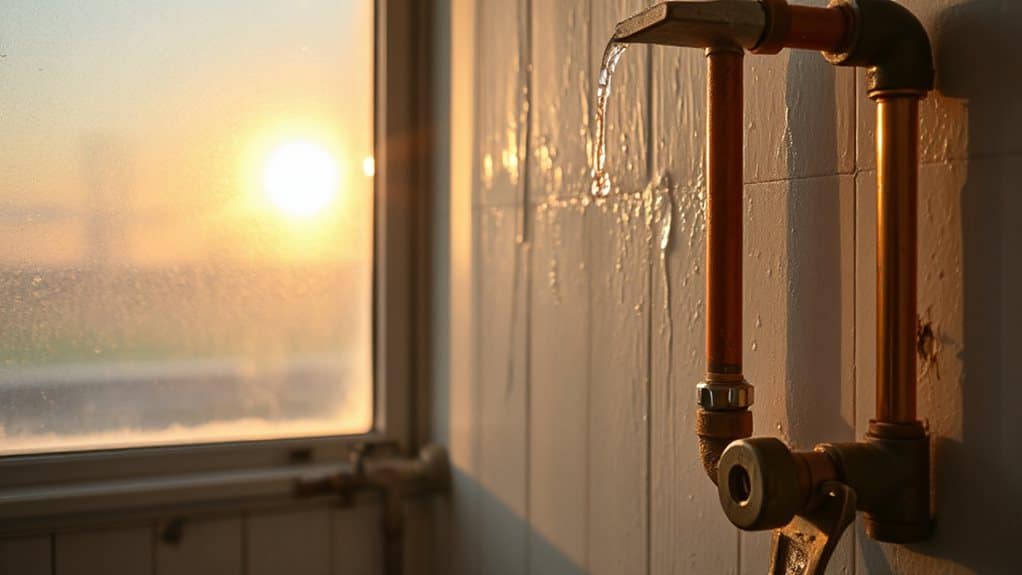
You hear your pipes rattling at sunrise because the water pressure spikes to 80‑100 PSI, air pockets that settled overnight get jostled when you turn the faucet on, and loose straps let the metal bounce like a camp‑fire drum circle; the sudden surge—called water hammer—creates sharp bangs, while mineral buildup can add a whistling chorus, and thermal expansion makes PVC tick when hot water heats up, so tightening the pressure‑reducing valve, tightening anchors, and bleeding the system usually quiets the chaos, and if you keep going you’ll uncover even more fixes.
TLDR
- High water pressure (80‑100 PSI) causes pipes to vibrate and produce humming or “rock‑concert” noises; reducing pressure to ~50 PSI often quiets them.
- Trapped air pockets form overnight; the first water surge dislodges the air, creating sputtering and banging that fades as the air escapes.
- Loose pipe fasteners, cracked straps, or missing wall anchors let pipes move and rattle, producing ticking or thumping sounds.
- Water hammer—sharp pressure surges when a valve closes quickly—creates loud bangs, especially with high PSI or faulty pressure‑reducing valves.
- Mineral buildup and thermal expansion can cause whistling or squeaking; cleaning with vinegar or adding expansion measures reduces these noises.
High Water Pressure – Humming Morning Pipe Noises & Easy Fix
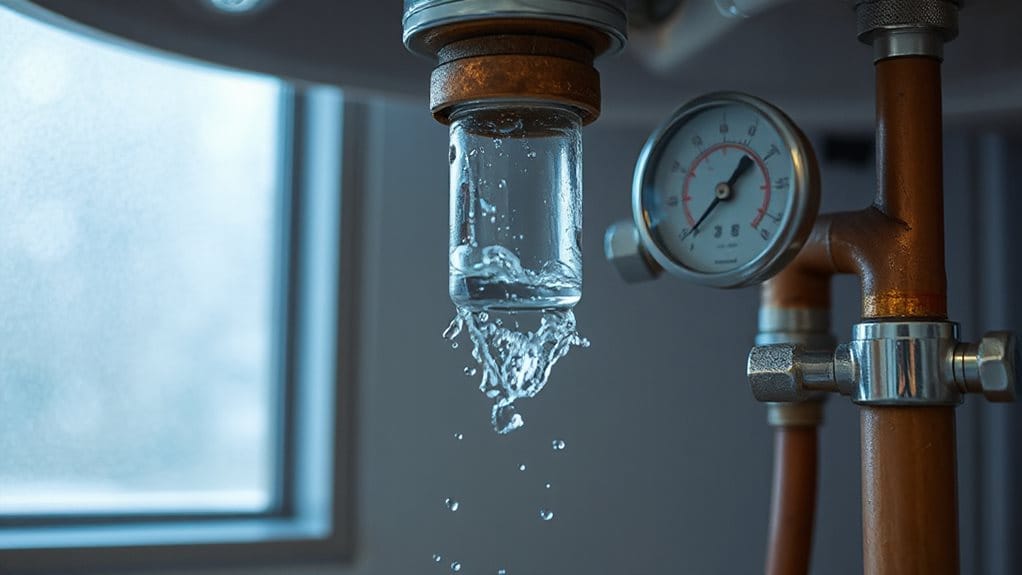
Ever wonder why your kitchen pipe sounds like a tiny rock‑concert when you first turn on the cold tap in the morning? You’re probably dealing with high water pressure—often 80‑100 PSI—causing humming and vibrations. Check the pressure‑reducing valve, tighten loose pipes, and aim for 50 PSI. Replace a faulty PRV, and the concert quiets, letting you serve guests peacefully. If the pressure is too high, a water‑hammer can also occur, adding a sharp banging sound. Outdoor electrical buzzing can signal dangerous electrical arcing risks that, like plumbing faults, should prompt prompt inspection and repair.
Trapped Air – Banging Morning Pipe Noises on First Turn‑On
When you flip the faucet on first thing in the morning, those tiny air pockets that settled overnight slam into the water like a sudden camp‑fire pop, creating a bang that feels like a mini‑explosion in your pipes.
Have you ever wondered why the noise fades after a few seconds? That’s the pressure surge releasing the trapped air, and if you bleed the system or install an air‑relief valve, you’ll chase those pesky bangs away for good.
Regular inspection and addressing trapped pockets can prevent damage similar to how moisture-related indicators warn of worsening conditions in home structures.
Air Pocket Formation
Why do those sudden “bangs” echo through your kitchen when you flip on the faucet first thing in the morning? Overnight water sits still, pressure drops, and air sneaks into empty spots, forming tiny pockets that cling to pipe bends. When you turn the tap on, water rushes, pushes those bubbles, and the sudden jolts make the pipes bang—like a campfire pop‑off during a sunrise hike.
Pressure Surge Release
So, what’s really happening when that first‑thing‑in‑the‑morning faucet roar turns into a mini‑explosion of bang‑bang‑bang? You feel a pressure surge as water’s momentum hits closed valves, creating a shockwave that rattles pipes; trapped air pockets explode, and high psi amplifies the bang.
Install water‑hammer arrestors, lower pressure a few psi, and open the highest faucet first to vent air gently.
Air‑Trap Elimination
Ever wondered why your kitchen faucet sounds like a drum solo the moment you flip it on in the morning? You’ve got trapped air bubbles that formed overnight when water stopped, and the sudden rush dislodges them, causing sputtering and bangs.
To eliminate them, shut the main valve, open the highest faucet first, then work down, flush toilets, run appliances for ten minutes, and finally restore supply slowly, watching for steady, quiet flow.
Loose Pipes – Rattles, Ticks, and Bangs in Your Walls
You’ll notice that loose pipe fasteners and missing wall anchors turn your walls into a percussion band, especially when water rushes through, so ask yourself if any straps look cracked or bolts are wobbling.
Imagine you’re camping and a sudden “clack‑clack” echoes from the cabin’s floor— that’s exactly the kind of rattling you get when the pipes aren’t secured, and it’s both annoying and oddly entertaining.
Grab a flashlight, check the hidden sections under the floorboards, and tighten those fasteners now before the next morning harmony starts its encore.
Also inspect for loose straps and worn anchors, as these commonly cause rattles and can be tightened or replaced to stop the noise.
Unsecured Pipe Fasteners
Ever wonder why your walls sound like a campsite full of rustling leaves and sudden bangs first you turn on the faucet?
When mounting straps loosen from constant vibrations or high‑pressure water hammer, pipes swing and slam into studs, creating rattles, ticks, and bangs. You can tighten or replace those fasteners, wedge wood, add cushioned clamps, or wrap foam, keeping the plumbing quiet and your home safe.
Missing Wall Anchors
Why do you sometimes hear a sudden “pop‑pop‑pop” behind the walls when you shut off the faucet?
Missing wall anchors let pipes bounce like a camping tent in wind, so every rush of water makes them smack drywall, creating ticks, bangs, and rattles that echo through your home.
You can fix it by spraying foam, wrapping damping material, or adding proper straps, preventing wear, bursts, and keeping the plumbing adventure safe for everyone.
Water Hammer – Sudden Pressure Surges That Cause Morning Pipe Noises
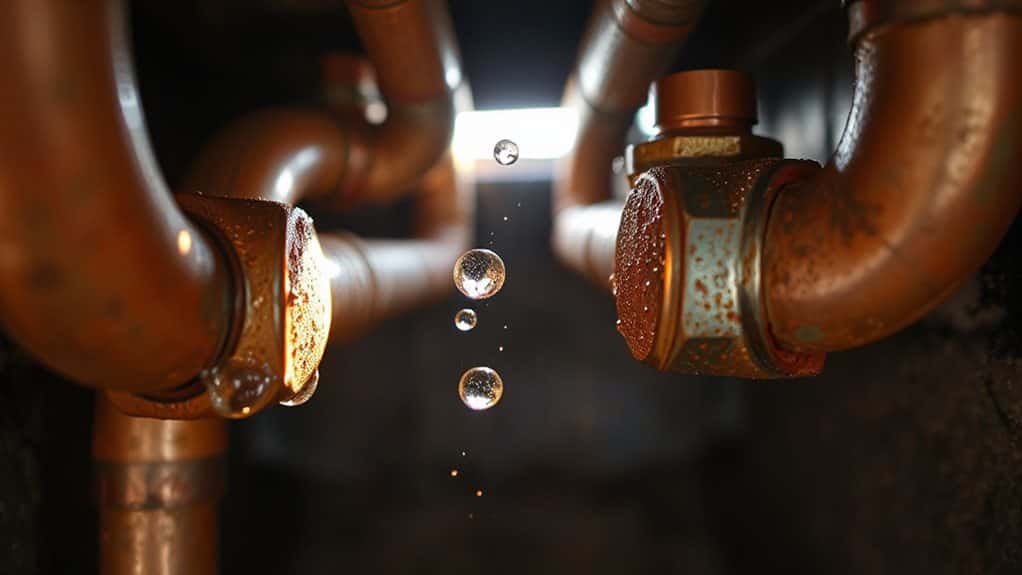
Ever wonder why your house sounds like a drumline when you turn on the shower at sunrise? That’s water hammer—sudden hydraulic shock when fast‑closing valves slam water to a halt, sending a pressure surge racing like a sound wave through pipes.
In the morning, high demand, high PSI, and empty air chambers amplify the bang, shaking joints, loosening fittings, and risking leaks if you don’t tame the surge. Many homes also experience similar brief disturbances when nearby appliances cycle on and momentarily affect system pressure, such as high-demand appliances starting up.
Mineral Buildup – Whistling and Squeaking Taps
What’s the deal with those squeaky, whistling taps that jump to life every sunrise?
You notice hard‑water minerals coating aerators and washers, narrowing flow and cranking pressure, so the first morning rush makes them shriek.
A quick vinegar soak clears calcium, a softener tames future deposits, and regular aerator cleaning keeps the sound down, preventing leaks and keeping your plumbing happy.
Homeowners should also be aware that many maintenance responsibilities and remedies for issues like this are governed by HOA rules and recorded community covenants.
Thermal Expansion – Ticking When Hot Water Heats Up
After you’ve tackled the whistling tap with a vinegar soak, you’ll notice another morning mystery: the soft ticking that starts the moment you turn on the hot shower. That’s metal expanding, sliding against joists or hangers, and sometimes PVC rattling if it’s not snug. Lower the heater a bit, add cushioned hangers, or install an expansion loop—quick fixes that keep the pipes quiet and your home comfy.
DIY Quick‑Fix Checklist & When to Call a Professional
Wondering how to silence those early‑morning pipe raps before they ruin your coffee‑and‑camping‑trip vibe? Start by tightening loose straps, adding foam insulation, and checking toilet fill valves; then install water‑hammer arrestors and replenish air chambers.
Adjust pressure to 50‑80 PSI with a gauge and a reducing valve if needed. If rattles persist after 24 hours, or if sediment, clogs, or sewer blockages resist DIY fixes, call a professional.
Overall
Now you’ve got the scoop on why those pipes sing, rattle, or bang each morning—high pressure, trapped air, loose fittings, water hammer, mineral buildup, and thermal expansion all play their part, so you can spot the culprit, try a quick fix, and keep your home humming smoothly. If you’re still hearing chaos after tightening, draining, or insulating, it’s time to call a pro before the next sunrise turns your walls into a concert hall. Happy (and quiet) mornings!