Why Sage Stems Turn Woody Over Time (And What to Do)
So, you’ve noticed your sage looking like a pile of crunchy twigs instead of a lush, leafy herb—don’t freak out, it’s totally normal! Sage turns woody as it gets older, especially if you skip seasonal trims, because those stiff stems help support its growth (kind of like camping poles for your tent). Luckily, a good pruning in early spring wakes it up, triggers fresh shoots, and keeps things bushy. Stick around, and I’ll share exactly how to keep your sage thriving!
TLDR
- Sage stems naturally turn woody with age as part of their perennial growth cycle.
- Woody stems provide structural support but can reduce new leaf and shoot production.
- Lack of regular pruning accelerates the buildup of hard, brittle stems.
- Pruning old woody stems in early spring encourages fresh, healthy growth.
- Maintaining a consistent pruning schedule keeps sage bushy and prevents excessive woodiness.
How to Prune Woody Sage for Healthier Growth
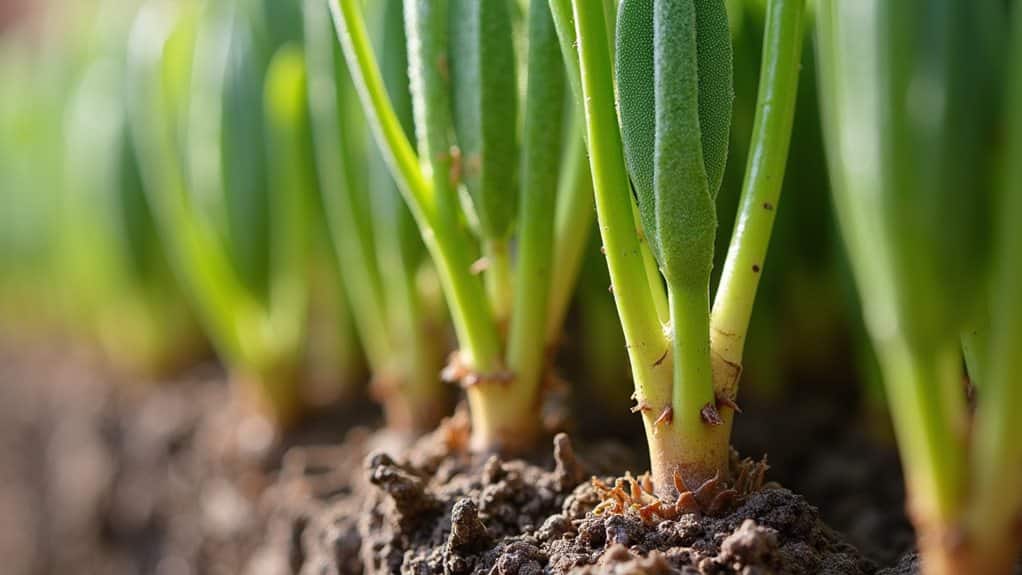
Even though sage might look tough with those thick, woody stems, it actually loves a good haircut—kind of like how you feel after getting rid of split ends before a camping trip! When you’re pruning sage in early spring, focus on old woody stems and remove no more than a third, always cutting above green nodes. This enhances plant vigor, encourages new shoots, and helps maintain a compact shape. Regular inspection and proper maintenance can prevent issues like disease and pests, ensuring your sage remains healthy and productive.
Signs Your Sage Has Become Too Woody
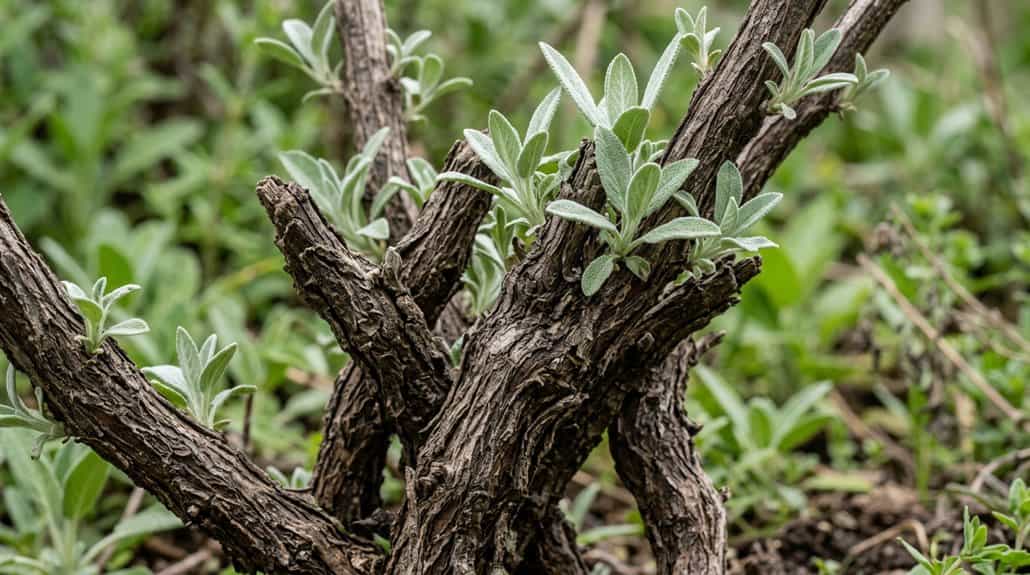
If you’ve ever come back from a long camping trip and noticed your sage plant looking more like a bundle of brittle twigs than a lush, leafy herb, you’re not alone—it happens to the best of us! When sage gets mature, its woody stems sport hard bark, a brittle texture, and leggy stems. You’ll spot less new growth and sad-looking foliage, signaling it’s time for some pruning and rejuvenation! Size comparisons show that mature plants often develop these woody characteristics as part of their natural growth cycle.
Why Sage Stems Get Woody Over Time
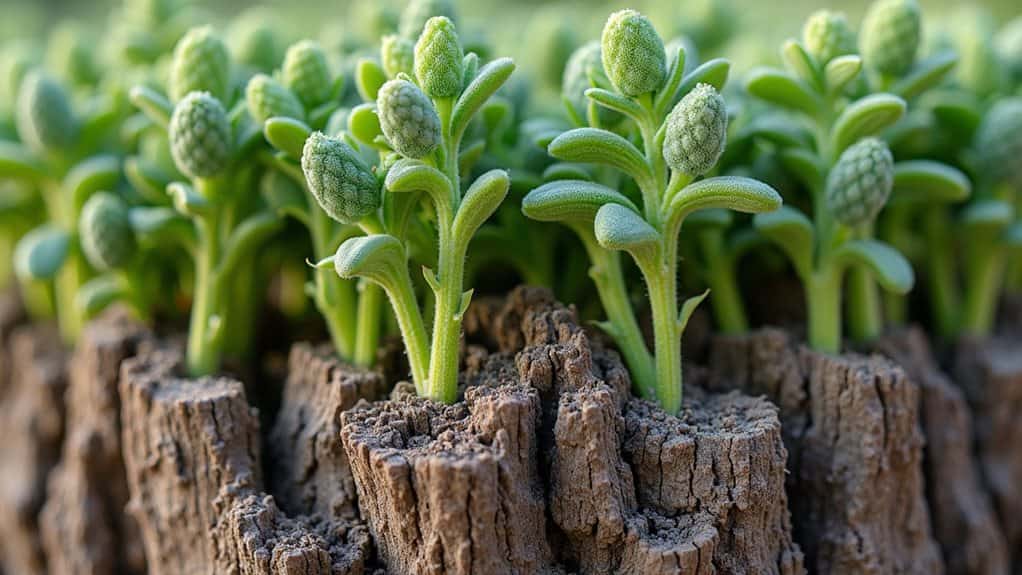
Although it might seem a little disappointing to come back from your awesome camping trip and find your sage plant looking more like a bundle of tiny wizard staffs than the lush herb you left behind, there’s actually a good reason for it!
As a perennial herb, sage naturally develops woody stems over time for structural support, especially without regular pruning techniques in early spring. This helps maintain plant vigor and leaf production throughout its growth cycle. Understanding woody growth can help you better manage and care for your sage to keep it healthy and productive.
How Pruning Encourages New Sage Growth
Coming home from an epic camping trip to find your sage plant’s stems have turned into a miniature forest of twigs might feel like you’ve missed some wild woodland party, but there’s actually a way to help your sage bounce back stronger than ever!
Pruning those woody stems isn’t just a haircut—it’s a rejuvenation ritual. Cut back above leaf nodes to enhance airflow, spark new growth, and keep your sage healthy and bushy.
Ongoing Care to Prevent Woody Sage in the Future
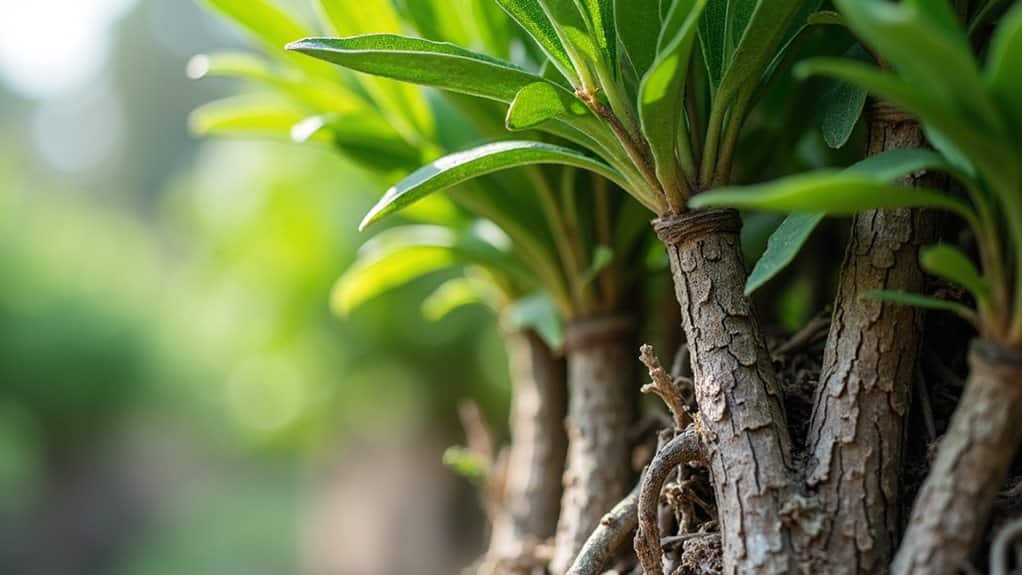
After you’ve survived the great outdoors and returned to find your sage looking more like a bundle of sticks than a glorious herb, it’s time to put on your gardening gloves and play plant doctor—because keeping those stems soft and leafy really comes down to a little regular TLC.
Stick to a pruning schedule, trim back woody stems, remove old woody branches, and enhance airflow for healthy green growth and plant vigor!
Additionally, understanding the importance of proper subfloor support can help prevent structural issues that may affect your plant’s environment and overall health.
Overall
So, next time you spot your sage looking more like a scraggly tree than a tasty herb, don’t panic—grab those pruners! Trust me, with just a little trimming, you’ll keep your sage bushy and happy, ready for all your campsite recipes or backyard expeditions. Who knew plants could get a “haircut” too? Keep watching for woody stems, snip them back, and soon you’ll have the healthiest, most flavorful sage in your garden.