Why Outdoor Faucets Leak Only in Summer
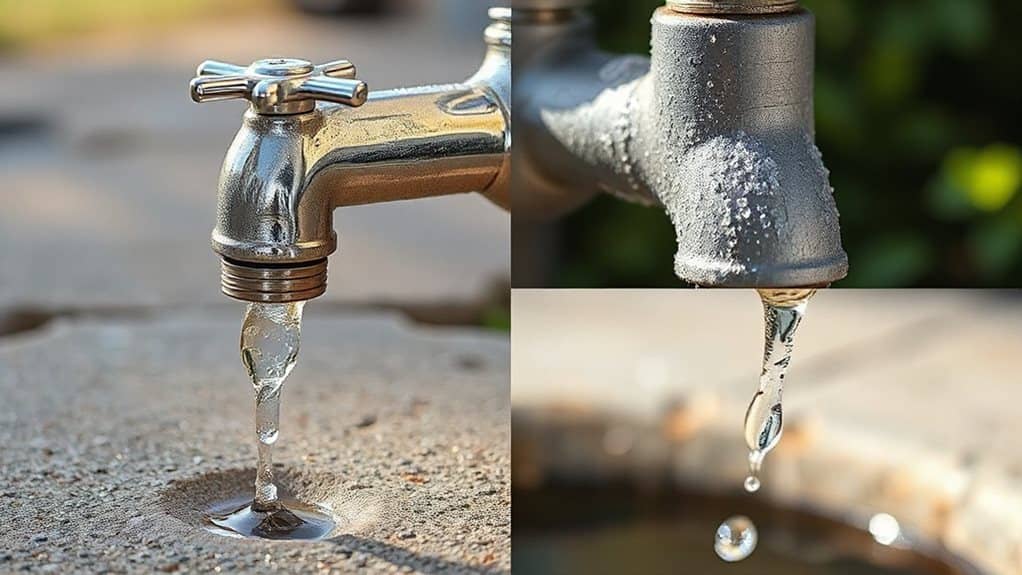
Ever wonder why your outdoor faucet starts dripping like a broken campsite spigot just when you need it most? Blame summer’s heat—it softens and expands seals, while UV rays bake rubber washers into crispy failures. Add constant on-off cycles from watering and hoses left attached, and tiny winter cracks finally burst open. High pressure and frequent use turn small flaws into big leaks. Think of it like a tent zipper failing mid-storm—annoying, but totally fixable. You’ll be surprised what a simple washer swap can do.
TLDR
- Increased summer use from watering and irrigation accelerates wear on washers and seals, exposing hidden damage.
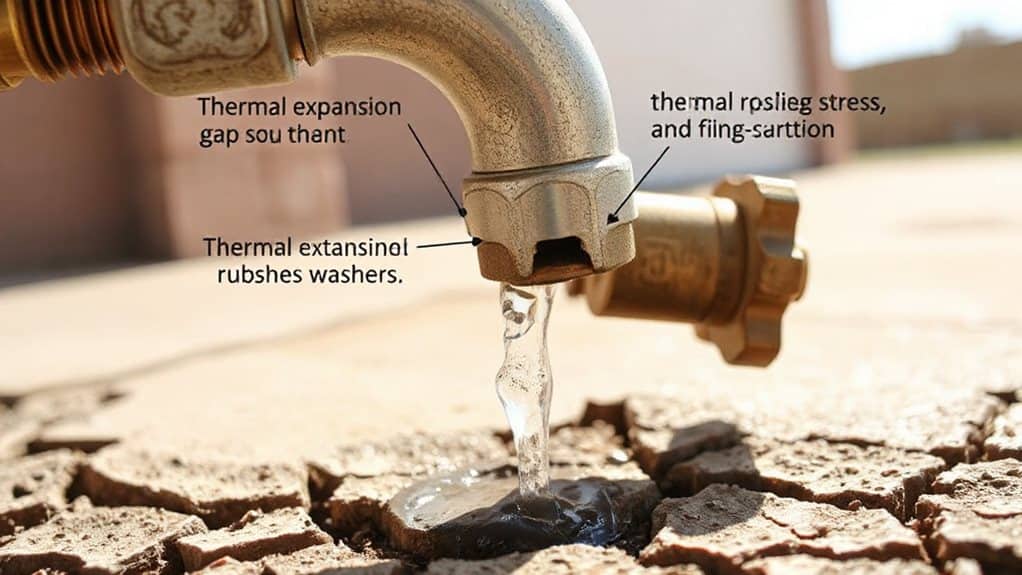
- Thermal expansion from heat loosens fittings and deforms seals, creating gaps that cause leaks only when temperatures rise.
- UV exposure degrades rubber washers and seals over time, leading to summer-visible cracks and drips.
- Thawing of winter freeze damage allows pressurized water to escape through cracks once ice melts in warmer months.
- Continuous hose attachment traps moisture and pressure, stressing components and worsening leaks during summer use.
Why Outdoor Faucets Leak More in Summer
You mightn’t think your backyard spigot has a summer drama all its own, but trust me—it’s working overtime when the sun’s blazing, and that’s exactly when things start going *drip, drip, wrong*.
You’re watering gardens, filling pools, and spraying down muddy bikes, right? All that extra use wears out washers, fries rubber seals in the sun, and exposes hidden winter cracks—suddenly, your faucet’s throwing a leaky tantrum just when you need it most! And if those worn-out components have been weakened by worn-out washers or O-rings, even minor pressure changes can turn a slow drip into a steady stream. Water systems should also be flushed and run for several minutes after inactivity to clear debris and air from the lines, especially following repairs or seasonal use system flush.
How Heat Expands Parts and Causes Leaks
When the summer sun turns your backyard into a sizzling skillet, your outdoor faucet’s not just sweating—it’s literally spreading out like it’s trying to catch some rays, and that thermal stretching can spell trouble.
Metals and plastics swell at different rates, pulling joints apart, loosening threads, and squishing seals unevenly—hello, drips!
Ever seen a faucet weep only on hot days? That’s heat exploiting tiny gaps, turning your trusty spigot into a sneaky sprinkler.
Check those connections, friend—happy camping starts with a dry hose!
Propane tanks can lose vapor pressure in extreme cold, so keeping them at least 30% full helps maintain proper pressure.
How UV Light Ruins Faucet Washers
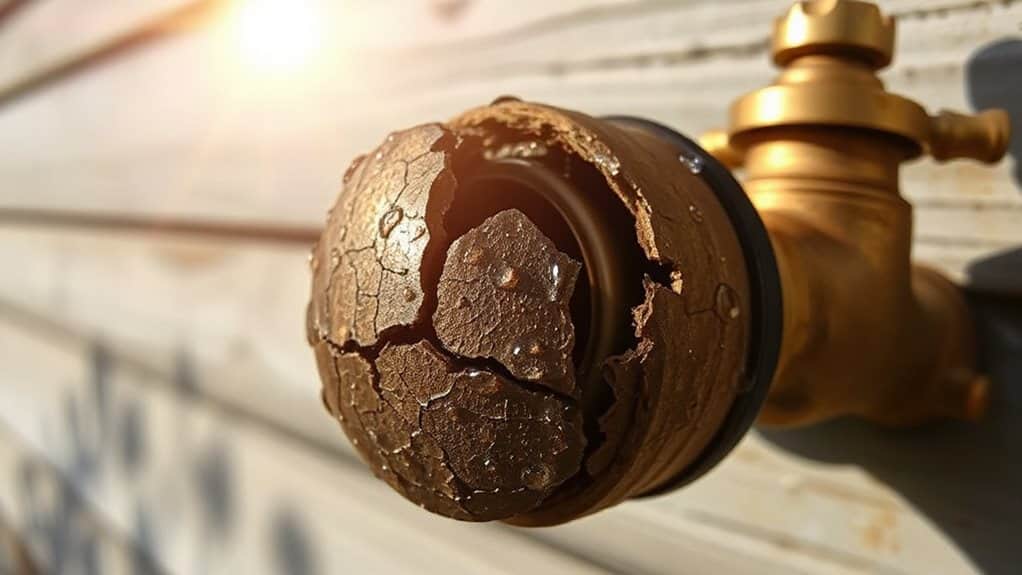
Sunshine’s not just for suntans and snow cones—it’s also secretly plotting against your outdoor faucet. UV rays zap rubber washers, making them brittle and cracked, like old camping tent seams.
You see discoloration? That’s a red flag! Even silicone isn’t immune. Those tiny UV damages add up, letting water sneak through—hello, leaky mess!
Check seals yearly, okay? Your garden—and future camping trips—depend on it! Regular inspection and gentle maintenance can prevent failure by keeping rubber components from deteriorating.
Freeze Damage That Shows Up in Summer
You might think your outdoor faucet froze last winter and that’s that, but here’s the sneaky part: ice can crack the pipe from the inside, hide the damage all spring, then surprise you with a drip-drip-drip right when you’re hooking up the hose for summer camping prep or filling the kiddie pool.
That tiny crack probably started when trapped water expanded by nearly 10%, silently stressing the metal until it gave—kind of like how a soda can bursts in the freezer, but way less dramatic (and way more annoying).
Now that warm weather’s here, pressurized water’s seeping through those hidden splits, especially where the pipe meets the wall or at old fittings, so don’t ignore that wet spot—it’s not just spring fever, it’s freeze damage finally fessing up!
Check the area and consider a regular inspection to catch corrosion or damage early.
Cracks From Winter Freezing
Though winter might seem like a distant memory when you’re soaking up the summer sun and hooking up the hose for a revitalizing backyard splash fest, that chilly season could’ve left a sneaky surprise behind—tiny cracks in your outdoor faucet lines just waiting to turn your dreamy garden watering or pool-filling afternoon into a soggy disaster.
Water expands when frozen, remember? That 9% growth pries open weak spots like joints or thin walls, especially near uninsulated exterior sections. And guess what? The ice seals the crack—temporarily. Once things warm up, that hidden fissure bursts into action, leaking gallons you never saw coming. Yikes!
Hidden Damage, Summer Leaks
When that first warm breeze rolls in and you’re finally dragging out the garden hose for some serious summer fun—maybe a backyard slip-and-slide setup or filling up the kiddie pool for the ultimate heatwave escape—you mightn’t expect your outdoor faucet to start throwing a tantrum.
But surprise! That sneaky drip? Likely winter’s icy prank: frozen pipes cracked quietly, hiding damage until now. Water’s been creeping behind walls, maybe feeding mold or softening wood—kinda like a tent pole weakening before camp, but at home.
You didn’t see it, but it’s been there, quietly soaking things. Now, with summer’s thaw and higher water use, pressure builds, forcing leaks to finally reveal themselves.
Check that faucet base—puddling means trouble’s been camping out all along!
Trapped Water, Spring Drips
Just because winter packed up and left doesn’t mean it didn’t leave a soggy little surprise behind—picture this: while you were cozy inside sipping cocoa, water trapped in your outdoor faucet’s pipes froze solid, expanded like it was trying to win a sumo match, and cracked the pipes from the inside out.
Now that things are warming up, that ice is melting and sneaking out through tiny splits—hello, spring drips! You mightn’t see the crack, but trust me, it’s there, quietly leaking like a forgotten campsite hose.
Time to check those faucets before your yard turns into a swamp!
Why Frequent Use Wears Out Faucet Washers
Honestly, if you’ve ever turned a garden faucet on and off a dozen times in a single summer afternoon—maybe to fill a kiddie pool, rinse off muddy bikes, or give the dog a quick shower—you’re basically sending that little rubber washer inside on a nonstop workout tour it didn’t sign up for.
Every twist of the handle presses, rubs, and squishes the washer, wearing it down like worn-out sneakers. Over time, all that friction flattens it, frays the edges, and makes it less springy—kind of like how your favorite flip-flops lose their bounce after a summer of poolside sprints and backyard campouts. And once it’s too thin or cracked? Hello, drip, drip, drip! Watering frequency is also affected by factors like temperature and usage, so summer wear can be worse when higher temperatures speed material degradation.
How Leaving Hoses Attached Causes Leaks
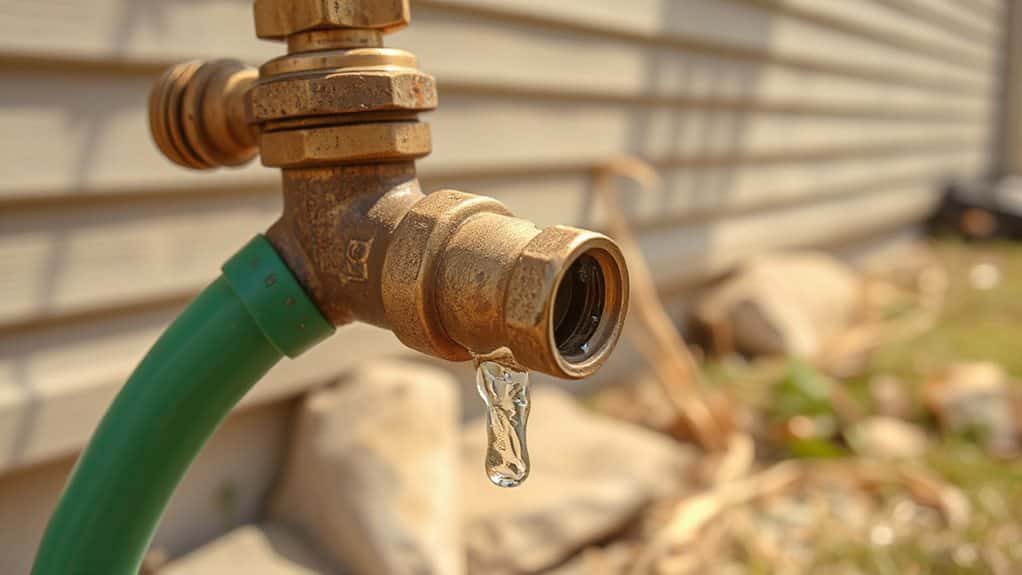
Leaving your hose hooked up all summer might seem like a time-saver, but envision this: that innocent-looking garden hose is actually staging a slow-motion sneak attack on your outdoor faucet.
It traps water in the sillcock, risking freeze damage even in spring or fall—yikes!
Plus, constant pressure wears out anti-siphon parts, deforms washers, and can crack fittings, turning your summer oasis into a leaky mess.
Just unhook it—your faucet (and water bill) will thank you!
Why High Water Pressure Worsens Summer Leaks
You know how summer’s the best time for backyard splash fights and pre-camping hose-offs, but suddenly your outdoor faucet starts spraying like a surprise water ride?
Well, when everyone’s watering lawns and filling pools, city pressure can spike—turning tiny worn-out washers or slightly loose stems into full-on leak factories.
Think of it like over-inflating a bike tire: that extra oomph might hold for a while, but under summer’s heat and demand, even small weak spots can’t keep up!
Increased Summer Water Demand
When summer hits and everyone’s suddenly washing cars, filling pools, and trying to keep their lawns greener than their neighbor’s (looking at you, Mr. Sprinkler-Addict), your outdoor faucet feels the stress—water demand skyrockets, pressure drops, and tiny leaks flare up.
Between backyard barbecues and camping trips, don’t ignore that drip; it’s your home’s way of crying for help when the system’s stretched thinner than your last roll of duct tape.
Pressure Spikes Stress Seals
So your faucet’s been dripping more since summer kicked in, huh? Yeah, pressure spikes are sneaky villains!
When you blast the hose on and off fast, those water hammer jolts stress seals like a tent pole bending in a storm. High pressure exploits tiny flaws, especially in softened, sun-warmed washers—kind of like how a worn sleeping pad leaks when you’re camping.
Irrigation Loads Expose Weaknesses
While your sprinklers are busy turning the backyard into a lush oasis, they’re also cranking up the pressure behind the scenes—kind of like how pumping up a bike tire too hard makes every weak spot in the rubber scream for mercy.
That surge? It races through pipes and finds tired seals on outdoor faucets, especially ones you barely use. Suddenly, drip, drip, drip!
Summer’s heavy demands expose what winter kept quiet—small flaws now shouting for attention. Time to fix them before your next camping trip’s water supply gets sketchy!
How to Fix Summer-Only Faucet Leaks for Good
Let’s face it—nothing kills the summer vibe faster than turning on your outdoor faucet and getting more drip than flow, especially when you’re trying to fill a kiddie pool, hose down the grill, or prep the camper for a weekend excursion.
Swap out old washers, tighten the packing nut, and check the vacuum breaker—you’ll save water, avoid soggy shoes, and keep your summer outings leak-free and fully flowing!
Overall
So, now you know why your outdoor faucet acts up every summer—heat, sun, and hose drama all team up like campfire troublemakers! Ever leave a hose hooked up? Yeah, that’s basically a slow-motion faucet attack. But hey, fix the washer, adjust the pressure, and boom—you’re golden for sprinklers, dog baths, or epic water balloon wars. Imagine sipping lemonade while your faucet *doesn’t* leak—success! Who knew plumbing could feel this adventurous?