Why Beetles Gather on Siding
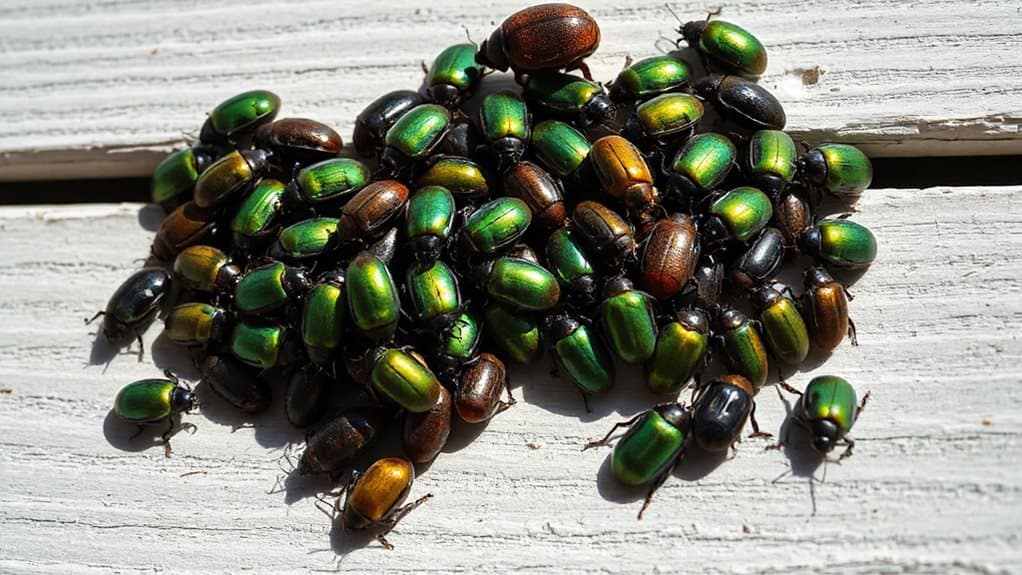
Beetles swarm your siding because they love the warmth, contrast, and cozy cracks—kind of like how you’d pick a sunny campsite with great views and a dry tent spot. Sun-warmed walls, porch lights, and damp spots practically send them an invitation. Add nearby mulch or shrubs, and boom—it’s beetle happy hour! They’re not throwing a rave, but it sure looks like it. Want to know how to gently show them the exit? There’s a super easy way to make your siding way less appealing—without the bug spray drama.
TLDR
- Beetles are attracted to temperature contrasts, clustering on sun-warmed siding, especially on south-facing walls above 55°F.
- Nearby woods and landscaping provide habitats, increasing beetle movement toward homes with favorable conditions.
- Moisture from leaks, damp siding, or thick mulch creates ideal environments that draw beetles close to the foundation.
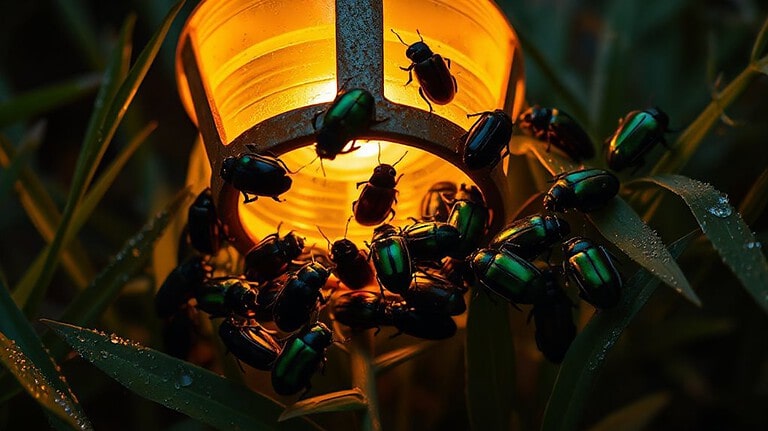
- Porch lights, particularly blue or UV-rich bulbs, lure beetles at night, causing them to crawl and gather on walls.
- Beetles enter through tiny cracks or gaps near windows, doors, and vents, seeking shelter as temperatures drop in fall.
What Attracts Beetles to Your Siding?
While you might think your house is just minding its own business, it could actually be throwing the ultimate beetle block party without even realizing it—especially if it’s got that eye-catching contrast between dark shutters and light siding or vice versa.
Add nearby woods, some moisture, cracks, or porch lights, and boom: you’ve rolled out the welcome mat.
Who knew your home was such a hotspot? Time to bug-proof like a pro!
Many beetles are attracted to moisture and shelter, so reducing dampness around your siding can help deter them (moisture control).
Do Sun and Heat Draw Beetles to Your Walls?
Ever wonder why beetles seem to throw sunbathing parties on your south-facing wall like it’s the hottest beach in town? Well, they’re chasing warmth—those sun-soaked walls heat up above 55°F, perfect for revving their tiny metabolisms.
They cluster for cozy group naps, stay active, and prep for winter, all while dodging winds. Think of it as bug camping, no tent required! A nearby patch of native plants can provide alternative sunlit shelter and food sources for many insects.
Does Night Light Pull Beetles to Siding?
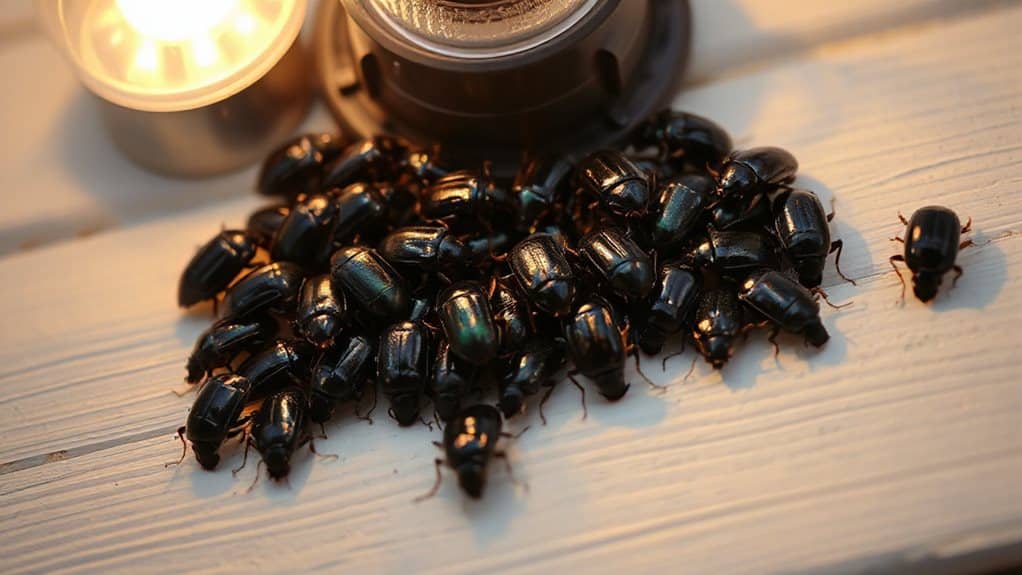
So your siding’s getting swarmed at night, and you’re wondering if that fancy porch light you installed is secretly throwing a beetle rave? Yep—bright lights, especially blue or UV-heavy ones like blacklights, totally lure beetles in, making your walls their late-night hangout.
They’re drawn to the glow, get confused, and start crawling everywhere. Try switching to warm yellow lights or using motion sensors to keep them out, because nobody wants uninvited guests crashing their home’s exterior party! Also, reduce nearby attractants like standing water and decaying plant matter to lower beetle numbers, since they’re often drawn to those moist environments.
Is Damp Siding Inviting Beetles Near Your Foundation?
Imagine this: you’re outside flipping burgers on the grill, the sun’s dipping low, and you glance at your siding only to spot a mini beetle parade marching toward your foundation—kind of like they’re following a treasure map to damp, dark real estate.
Yep, damp siding? It’s basically a 5-star hotel for beetles! Moisture from clogged gutters or leaky pipes softens wood, inviting uninvited guests like powderpost and fungus beetles.
They *love* soggy spots, moldy wood, and cozy cracks—so keep things dry, seal gaps, and give those little campers a “no vacancy” sign! Freezing conditions are rare causes of issues, but monitoring and keeping siding dry helps prevent problems and reduces the risk of moisture-related damage to materials like wood and insulation, especially when using protective measures.
Where Do Beetles Sneak Into Your Home?
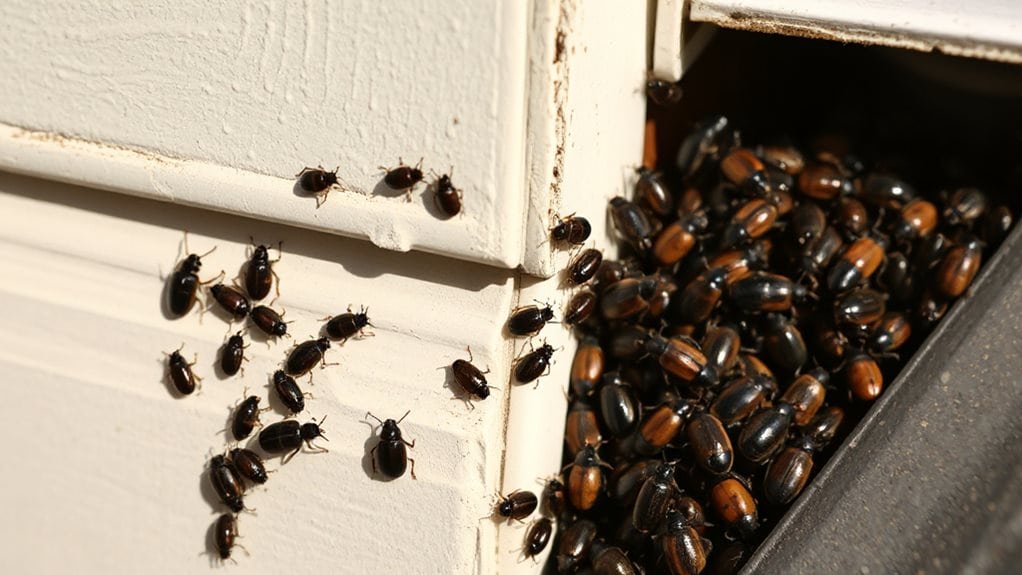
Think of your home like a cozy campsite—only instead of you roasting marshmallows inside, beetles are eyeing those same warm, snug corners as their next five-star hideout.
They sneak through hairline cracks, gap under doors, or slip in around windows and vents—seriously, ⅛-inch is all they need! Seal gaps, caulk seams, and screen vents; your home’s hospitality ends at the doorstep, right? Contacting local utility providers before digging or sealing major gaps can prevent accidental damage to buried lines.
Do Your Plants and Mulch Invite Beetles to Siding?
You know how you love setting up camp with everything just right? Well, if your plants are hugging your siding like they’re sharing a secret, or your mulch is piled up like a cozy bug motel, you’re basically rolling out the welcome mat for beetles.
Thick, damp mulch traps moisture and bugs, while overgrown greenery creates a shady highway straight to your walls—so back those plants up and keep mulch shallow, unless you’re *trying* to host an insect slumber party!
Plant Proximity To Siding
Right up against your walls, those lush shrubs and flower beds might look like a dreamy garden escape—but guess what? They’re basically beetle highways to your siding!
If plants are hugging your house, bugs from aphid-filled shrubs or grubs in the soil can easily crawl inside. Trim greenery back, add gravel buffers, and pick beetle-resistant plants—your home (and your garden guests) will thank you!
Mulch Traps Moisture And Beetles
Piling on the mulch like it’s winter insulation might seem like a great idea for your garden, but hold up—those cozy layers are basically rolling out the welcome mat for beetles!
Thick mulch traps moisture, feeds decomposing fungi, and creates beetle hotels—yep, your flowerbed could be a five-star resort for powderpost and fungus beetles.
Keep it 2–3 inches deep, pull it back from siding, and opt for cedar; your home (and helpful garden helpers) will thank you!
Landscaping Creates Insect Pathways
Think of your yard as a nature trail where every plant, vine, and ground cover is a cozy rest stop for tiny travelers—and beetles are definitely packing their bags!
Love camping? So do they! Dense thyme, mint, and sweet alyssum offer shade and shelter, while flowering dill, fennel, and yarrow serve up snacks. Trim back overgrown greenery, though—those leafy highways might be leading beetles straight to your siding!
When Do Beetles Invade for Winter?
You know those sunny October afternoons when the air’s crisp but the walls of your house still soak up the warmth like a cozy campsite?
That’s beetle migration season—right when the first frosts hit and they start scrambling for snug spots in your siding, attic, or window frames like tiny, six-legged campers looking for a winter cabin.
If you see them clustering on your southwest walls, don’t panic—they’re just trying to beat the cold, kind of like how we rush to pack our sleeping bags before the temperature drops on a fall camping trip!
Peak Season Timing
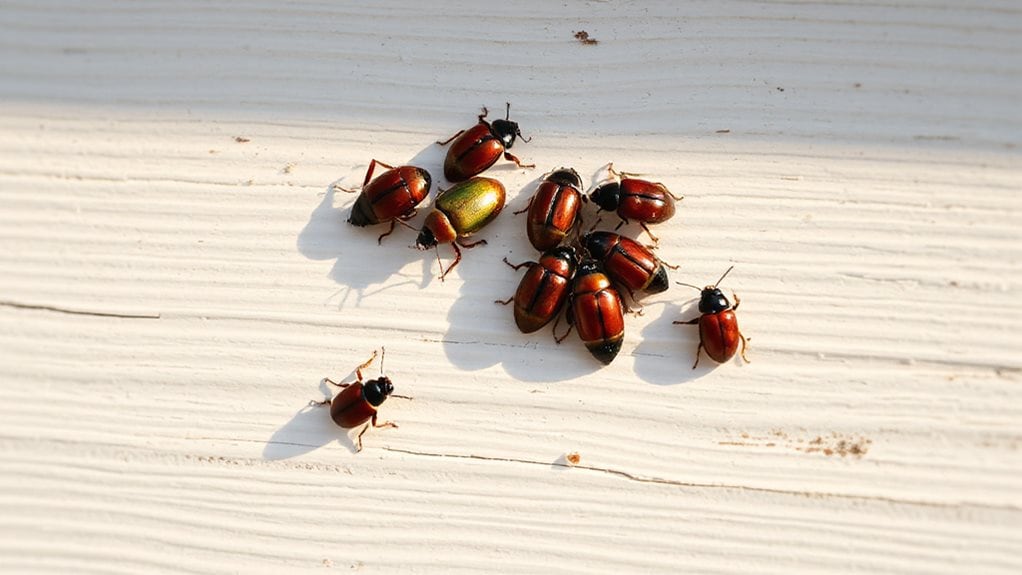
Okay, so imagine this: one sunny afternoon in late September, you’re sipping lemonade on the porch, minding your own business, when suddenly—*bam!*—you notice a slow-moving wave of tiny orange dots creeping up the side of your house.
Yep, that’s peak beetle season! They’re drawn to warm, sunny walls, especially after a cool spell, and they’re *determined* to crash your attic for winter. Think of them like uninvited campers—only instead of tents, they bring sheer numbers and a knack for squeezing into cracks you didn’t even know existed.
Temperature Trigger Events
So there you are, enjoying that last golden stretch of fall when the air turns crisp and the trees start painting themselves in reds and yellows—kind of like nature’s way of throwing a farewell party before winter crashes it.
Suddenly, you spot beetles crawling up your siding, and you’re like, “Hey, this isn’t part of the decor!” Well, surprise—they’re not throwing a party; they’re fleeing the cold.
When nighttime temps dip, these little hitchhikers feel it fast—being cold-blooded and all—and they start hunting for cozy, warm cracks in your home, especially on sunny walls or light-colored siding.
They’re not pests on purpose, but boy, do they pick dramatic timing!
How to Keep Beetles Off Siding for Good
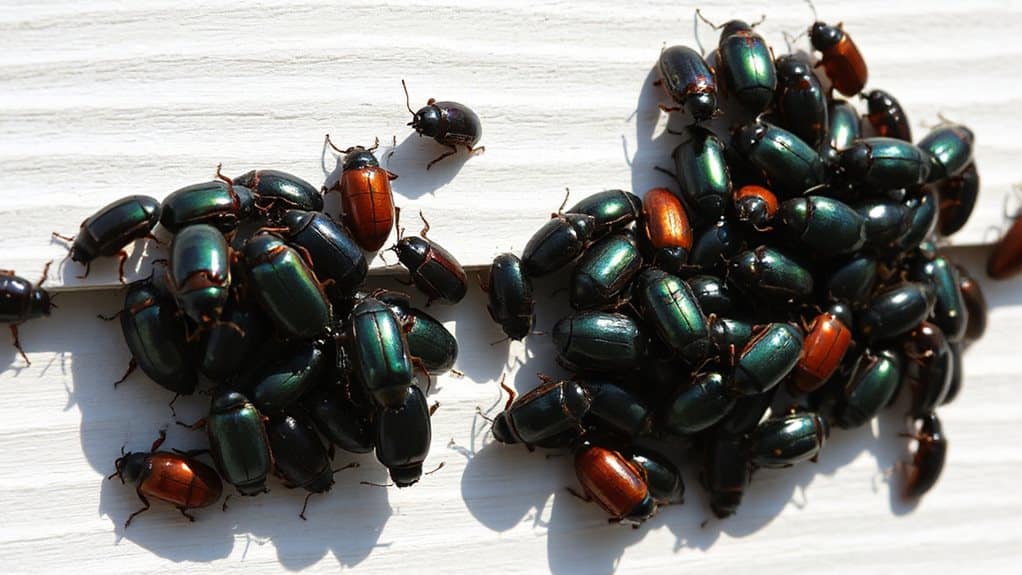
Stop inviting uninvited guests to move into your home—because trust me, beetles aren’t exactly the kind of roommates you want crashing on your walls. Seal gaps, keep siding clean, and use vinyl or treated materials they can’t munch on.
Fix leaks, trim bushes, and don’t let firewood pile up nearby—beetles hate a tidy yard!
Overall
So, you’ve seen those beetles chilling on your siding—annoying, right? But now you know they’re just chasing warmth, light, or a cozy spot to crash for winter, kind of like how we pick the sunniest campsite. Keep things dry, trim the mulch, and swap out white lights—boom, way less bug real estate! Honestly, it’s like bug-proofing your tent before a trip. Simple fixes keep your home (and your nerves) way happier, and hey, fewer surprises when you’re grabbing the hose!