Why Do Plant Leaves Get Brown Edges?
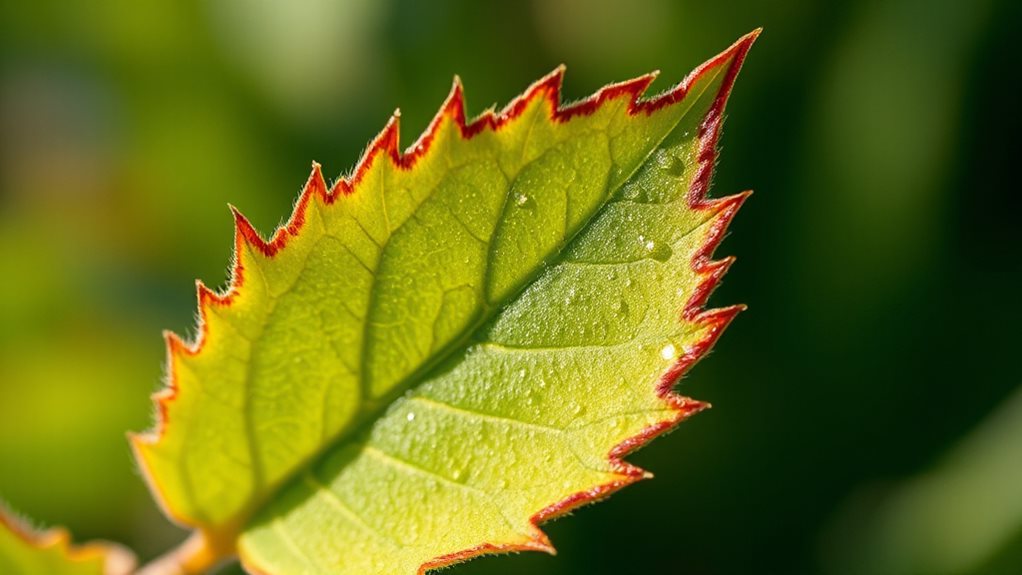
You’re probably seeing those campfire‑like scorch marks because the plant’s getting hit with a mix of water stress, nutrient gaps, and salty or chemical‑rich tap water, plus maybe some tiny root pests lurking underground. Over‑watering can rot roots, while underwatering dries tips out, and low indoor humidity makes the air so dry the leaf edges literally bake. Too much fertilizer or hard water deposits sodium and chloride, which crowd out potassium and calcium, causing marginal burn that looks like a campsite map. Check soil moisture, sniff for rot, and make sure you’re not over‑feeding, then you’ll spot the culprit fast—keep going and you’ll discover exactly how to fix each problem.
TLDR
- Overwatering or poor drainage rots roots, reducing water uptake and causing marginal leaf scorch.
- Low indoor humidity creates high vapor‑pressure deficit, leading to tip curl, drying, and brown edges.
- Nutrient deficiencies—especially potassium, magnesium, calcium, or iron—produce marginal scorch or brown spots.
- Salt buildup from tap water, fertilizers, or herbicides accumulates on leaf margins, burning them.
- Root pests such as fungus‑gnat larvae or nematodes damage roots, impairing nutrient transport and resulting in brown leaf edges.
What Causes Brown Edges on Plant Leaves?
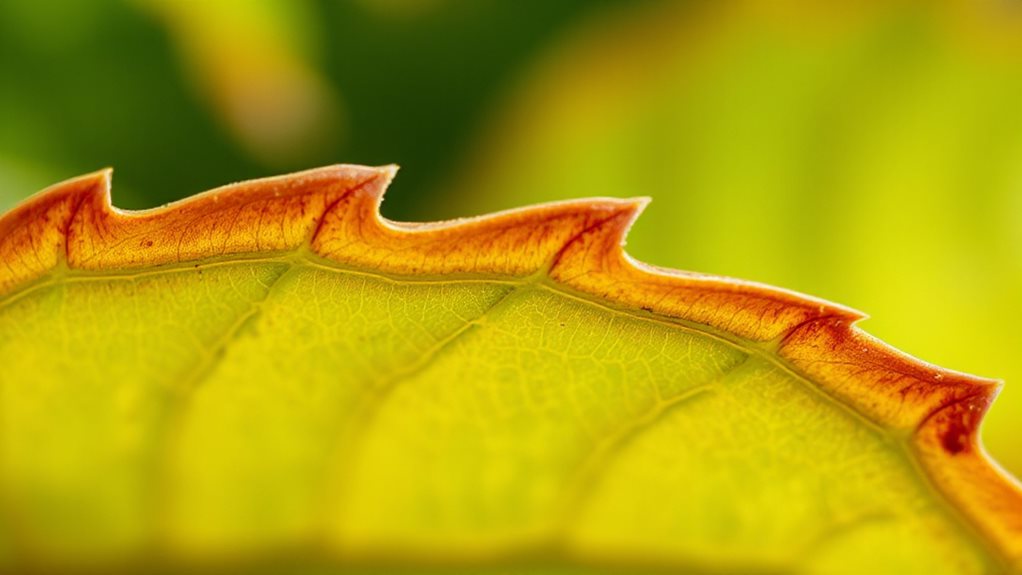
Ever wonder why the once‑vibrant edges of your plant’s leaves suddenly look like they’ve been sun‑scorched on a desert hike?
Overwatering, especially with bad drainage, rots roots and browns tips; nutrient gaps—potassium, nitrogen, phosphorus, iron, calcium—leave burns and spots; salts from fertilizer or tap water pile up, scorching margins; pests and heat stress also nibble at edges, while chemicals in water or herbicides can silently sabotage your green friends. Low humidity can also cause brown leaf edges even when the plant is adequately watered. Poor air circulation and excessive moisture can also encourage fungal infections that worsen edge browning.
How Does Low Indoor Humidity Burn Leaf Tips and Cause Brown Edges?
When you’ve already tackled overwatering and nutrient gaps, the next surprise is how dry indoor air can literally scorch the tips of your leaves, turning them brown and papery as if they’d spent a night camping in a desert.
Low humidity spikes vapor‑pressure deficit, so stomata close, transpiration outpaces root uptake, and tips dry out, curl, and brown—think of them as tiny, sun‑baked campfires.
Use a humidifier or pebble tray to rescue them.
Deep, infrequent watering and choosing low‑thatch grasses can help maintain soil moisture dynamics that support healthier plants indoors and out.
Why Do Tap Water Chemicals Lead to Browning of Leaf Margins?
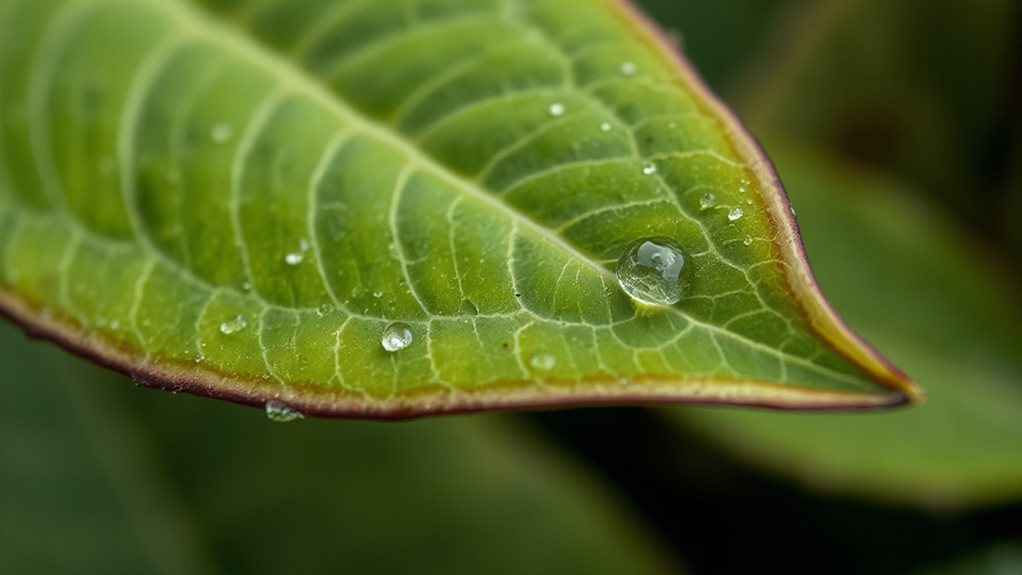
You’ll notice that when you water your spider plant with regular tap water, the chlorine can act like a tiny, invisible campfire on the leaf margins, scorching them into brown edges, so why not think of it as a “chemical campsite” that your plant didn’t sign up for?
And if you’re using city water, the fluoride builds up in those same margins, essentially “burning” the edges just like a sun‑burned trail after a long hike—have you ever seen that crisp, crispy look on a leaf tip?
Try swapping to filtered or rainwater and watch the margins stay green, because ditching the harsh chemicals is like giving your plant a fresh, chemical‑free campsite to explore.
Proper ventilation under and around planters also helps prevent moisture buildup and related mold growth that can stress plants and worsen leaf edge browning.
Chlorine Toxicity on Leaf Margins
Ever wondered why the edges of your favorite backyard maple turn crispy brown after a summer rainstorm? It’s chlorine from tap water, which dissolves into chloride, hitching a ride up the roots and straight into the leaf tips, where it overloads the plant’s tolerance, causing yellowing, then browning, and finally necrosis. Let the water sit, use rain barrels, and keep soil dry to protect those leafy borders.
Fluoride Accumulation Causing Edge Burn
Why does your favorite houseplant suddenly look like it’s been sun‑burned at the edges after you water it with tap water?
Fluoride from fluoridated water, fertilizers, and perlite builds up in roots, rides the transpiration stream, and concentrates at leaf margins, causing brown, necrotic tips.
Sensitive species—Dracaena, spider plant, Yucca—show spotty, scorched edges, so switch to filtered water or rain‑water to protect them.
What Happens When Watering Is Inconsistent?
You’ll notice that when you water on an unpredictable schedule, the soil’s moisture timing gets all out of sync, and the roots start sending you warning signs like yellow tips or mushy stems, which makes you wonder if you’ve turned your garden into a desert‑to‑swamp roller coaster; try checking the root health indicators regularly—if they look pale, soft, or are shedding leaves, it’s a clear cue that your watering frequency needs a makeover, so adjust it to a steadier rhythm, like setting a reminder on your phone or using a drip system, and you’ll keep those leaves happy and avoid the dreaded brown edges. Warm, stable soil also helps roots uptake nutrients and reduces stress, so aim to maintain consistent soil temperatures to support healthy growth.
Soil Moisture Timing
So, what actually happens when you water your plants on a hit‑or‑miss schedule? Inconsistent moisture makes roots gasp, so leaves brown at the edges like tired hikers on a rough trail; you’ll see tips curling, tips turning brown, and overall vigor dropping, because the plant can’t keep a steady hydration rhythm.
Check soil before watering, match species needs, and keep the “campfire” of care steady.
Root Health Indicators
When you skip a watering day or drown the soil one day, the roots start sending out distress signals that show up all over the plant, kind of like a campfire that flickers when the wind changes. You’ll notice brown, mushy roots, a sour smell, wilting despite wet soil, and weak, shallow growth—signs that inconsistent watering is choking the plant’s lifeline.
Adjusting Water Frequency
Ever wonder why a plant’s mood swings so wildly when you forget to water it one day and drown it the next?
Inconsistent watering makes roots dry out, then swell, causing leaf edges to crisp or turn brown, buds to drop, and fungi to thrive.
Stick to a steady schedule, use a drip timer, and mulch—your plants will thank you, just like campers love reliable campfire timing.
Which Nutrient Imbalances Produce Brown Leaf Edges?
Ever wondered why the edges of your plant’s leaves turn brown, almost like they’ve been sun‑burned on a summer hike? When potassium drops, older leaf margins scorch while veins stay green, and weak stems follow; magnesium makes interveinal yellowing turn brown spots, curling edges; calcium hits new growth tips with scorched brown tips; iron shows yellowing on young leaves before brown tips appear; phosphorus adds purplish undersides and brown tips on older foliage. Check each nutrient to keep your garden thriving. Compost and mulching, as well as planting nitrogen-fixing beans, can help improve soil fertility over time.
How Does Excess Light or Heat Scorch Leaf Margins?
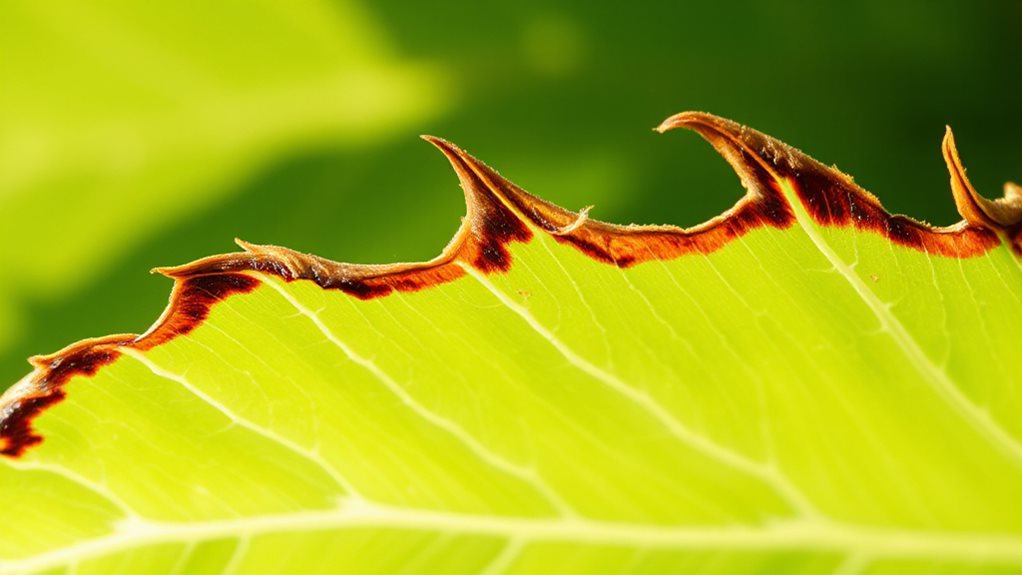
Why does the edge of a leaf sometimes look like it’s been toasted on a campfire?
When blazing sun hits a plant that’s thirsty, the outer cells dry faster than roots can replace water, so the margins turn crisp, brown, and even white‑capped, like a marshmallow over a fire.
Hot winds and reflective pavement amplify the scorch, especially on sunny sides, so keep soil moist, mulch, and give shade.
Which Pests and Root Issues Trigger Brown Tips?
You’ll notice that when nematode roots get gnawed, the plant’s nutrient highways stall, and the leaf tips turn brown like a campfire marshmallow that’s been left too long, have you ever seen those tiny fungus gnat larvae munching on roots in soggy soil, turning the whole system into a soggy, brown‑tipped mess?
Imagine the roots looking like a muddy trail after a rainy hike—blackened, mushy, and barely holding onto water—while the leaves scream for help with crispy, discolored edges.
Nematode Root Damage
So, what’s actually causing those pesky brown edges on your plant’s leaves?
Nematodes pierce roots with their tiny stylets, starving the plant of water and nutrients, so you see yellow‑to‑brown leaf margins, wilting, and stunted growth.
Those root‑knot galls swell like camping‑trip souvenirs, while egg masses litter the roots, and the plant’s vigor drops faster than a tent in a storm.
Fungus Gnat Larvae
Ever wonder why the tips of your plant’s leaves turn a sad, crispy brown, almost like the edge of a well‑worn campsite map? Those tiny fungus‑gnat larvae love moist, organic soil, tunneling roots and leaving slime trails; they stunt growth, yellow foliage, and spread rot. Overwater, poor drainage, and humid pots invite them, so trim, dry out, and treat promptly.
How Does Salt Buildup From Tap Water Damage Leaf Margins?
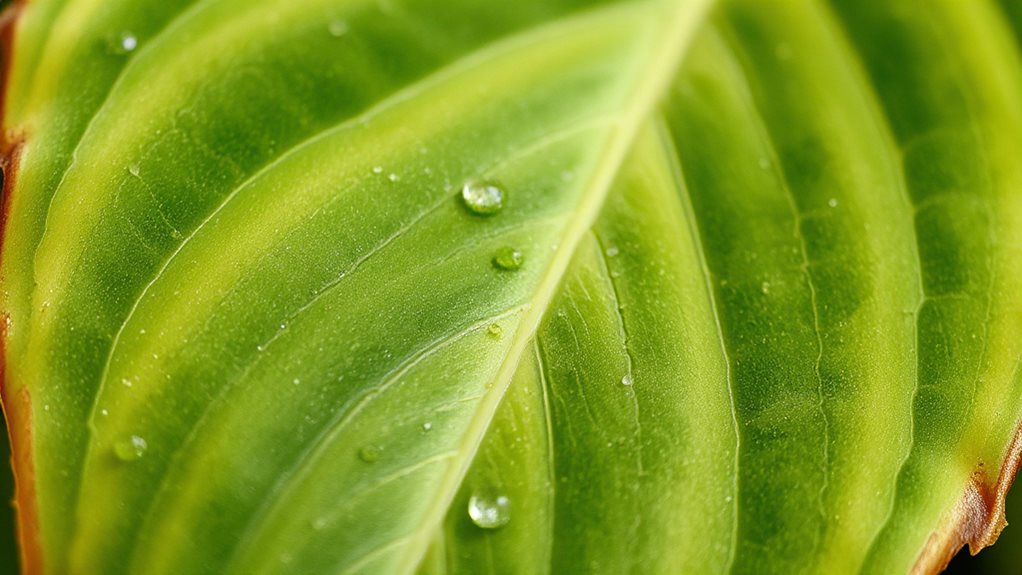
Ever wondered why the edges of your houseplant’s leaves turn brown after a few weeks of watering with tap water? You’re seeing salt buildup: sodium and chloride cling to soil, forming a crust that blocks water uptake, so roots gasp for moisture. The ions out‑compete potassium and calcium, causing marginal burn and leaf scorch, especially on older leaves, just like a campsite trail left salty by sea spray.
What Quick Tests Identify the Source of Brown Leaf Edges?
What if you could play detective on your windowsill and pinpoint why those leaf edges are turning brown in just a few quick checks?
First, feel the soil—dry means thirsty, soggy means rot.
Then, lift the plant gently, inspect roots for mushy spots.
Next, gauge room humidity with a cheap hygrometer or a simple pebble tray test.
Finally, glance at leaf tips for yellow halos, hinting at low moisture air.
What Immediate Remedies Fix Each Common Cause of Brown Edges?
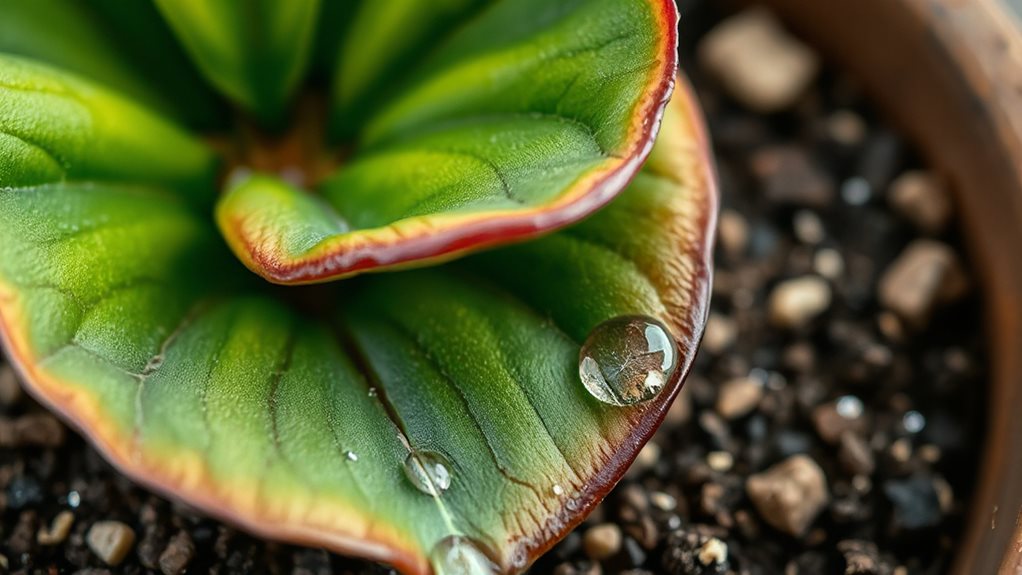
Got a brown‑edged leaf and want a quick fix? If humidity’s low, pop a humidifier on, set a pebble tray, or cluster plants like a campsite tent; for underwatering, water lightly and often, especially when it’s hot; if tap water hurts, switch to filtered or rainwater and flush the soil monthly; when fertilizer burns, halve the dose and add a potassium‑rich tea; and if over‑watering, let the soil dry out, repot if roots look soggy, and trim any mushy roots.
What Long‑Term Care Practices Prevent Recurrence of Brown Edges?
So, why not treat your plant’s home like a permanent campsite where the “fire‑pit” is always just right and the “tent” never leaks? Keep watering on a steady schedule, test moisture, and use filtered water; maintain 40‑60 % humidity with misting, pebble trays, or a humidifier; feed lightly during growth, flush salts, and give bright indirect light plus good drainage, so brown edges stay camp‑free.
When Should You Seek Professional Help for Persistent Browning?
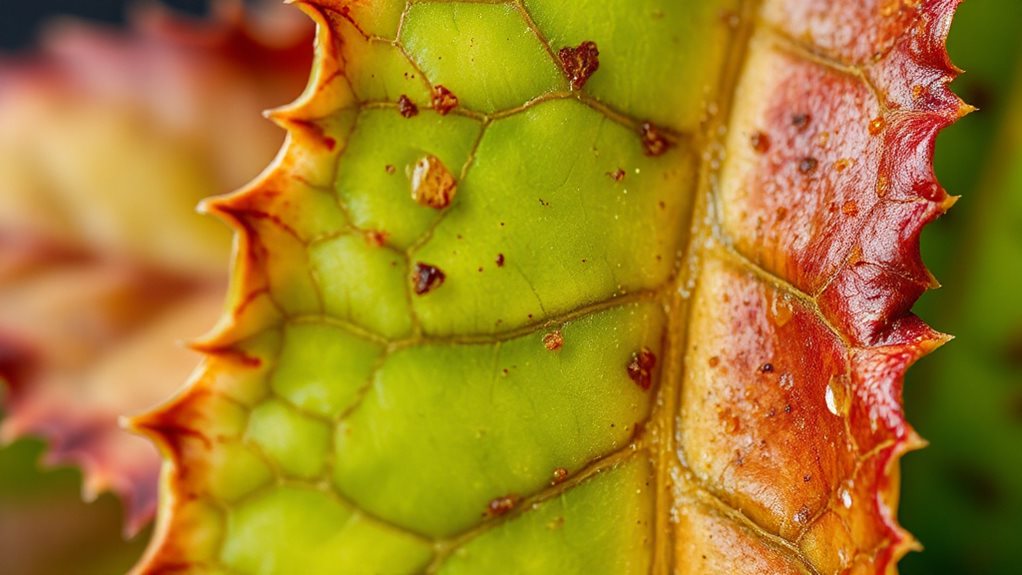
Even if you’ve got your plant’s “campsite” set up just right—steady watering, humid air, and bright indirect light—there comes a point when the brown edges just won’t quit, and that’s your cue to call in the pros. Notice chewed leaves, sticky bugs, dead branches, or scorch that DIY can’t fix? Then book a certified arborist or pest specialist—don’t wait, or the whole garden could suffer!
Overall
Now that you’ve got the low‑down on why those leaf edges are turning brown, you can tackle the problem head‑on—whether it’s tweaking humidity, swapping water, or balancing nutrients, just remember to test, adjust, and watch the green bounce back. Keep an eye on watering schedules, give your plants a little TLC, and you’ll soon be bragging about thriving foliage on your next camping trip, all while laughing at the “brown‑edge” mishap you conquered.