Deck Ventilation Importance for Long-Term Durability
You’re not just building a deck—you’re creating memories, right? But trapped moisture underneath can sneakily rot wood, rust fasteners, and grow mold like a science fair project gone wild. Good airflow stops that mess before it starts, keeping things dry and strong. Vented skirting, smart gaps, and proper drainage are your deck’s best friends—think of them as an invisible shield! And hey, whether you’ve got wood or composite, breathing room matters. Want to know how to set it up the easy way? There’s a super simple trick most people miss.
TLDR
- Proper ventilation prevents moisture buildup that leads to wood rot, mold, and structural damage over time.
- Consistent airflow under the deck reduces fastener corrosion, maintaining structural integrity and connection strength.
- Ventilated skirting and board gaps promote balanced moisture levels, minimizing decay and prolonging material life.
- Enhanced air circulation prevents condensation, protecting both wood and composite decking from long-term deterioration.
- Following ventilation best practices reduces costly repairs and extends the deck’s safe, functional lifespan.
How Trapped Moisture Damages Your Deck

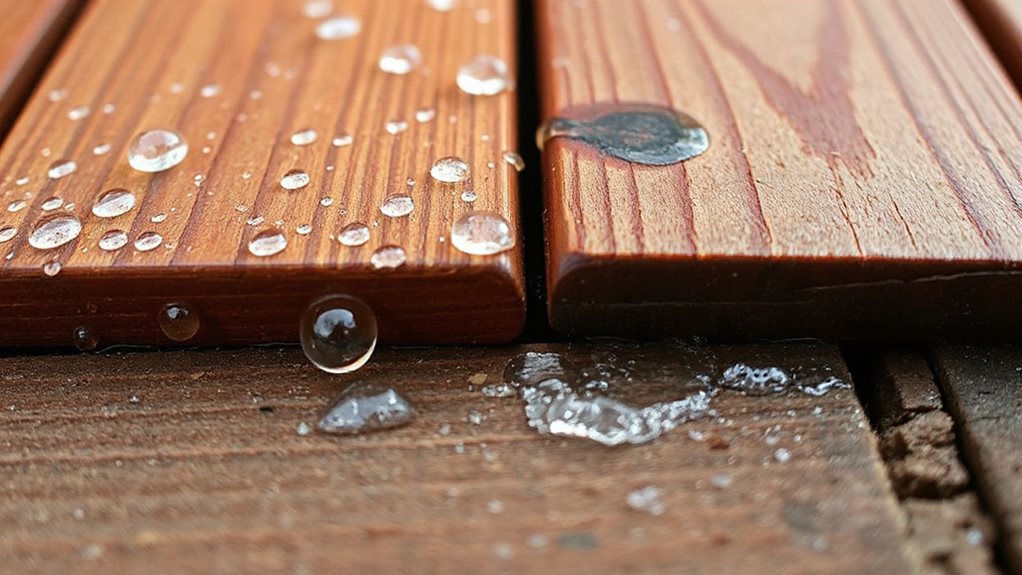
Ever had that sinking feeling when you step on a deck and it *squeaks* like a haunted house floor? That’s trapped moisture wreaking havoc! It sneaks in through gaps, pools under planters, and loves soggy coastal air. Improper installation and inadequate drainage can make standing water worse and accelerate damage. Before you know it, wood rots, metal rusts, and mold throws a party—yikes! Protect your deck, your home, and your next backyard campout by keeping things dry and breezy. And remember, moisture is a leading cause of deck failures—it’s not just about comfort, it’s about safety and structural integrity.
Prevent Rot and Mold With Deck Ventilation
That squeaky, spongy deck you’ve been tiptoeing across? Yeah, it’s begging for help!
Proper ventilation keeps moisture moving, so mold and rot don’t throw a party on your rafters. Think of it like sunscreen for your deck—blocking damage before it starts.
Let fresh air flow, stop condensation, and dodge costly repairs. Your future camping trips will thank you—no soggy sleeping bags from a leaky deck roof!
Sealing nearby crawl space vents and adding a moisture barrier can further protect structural wood and reduce rot.
Wood vs. Composite: Deck Ventilation Needs Compared
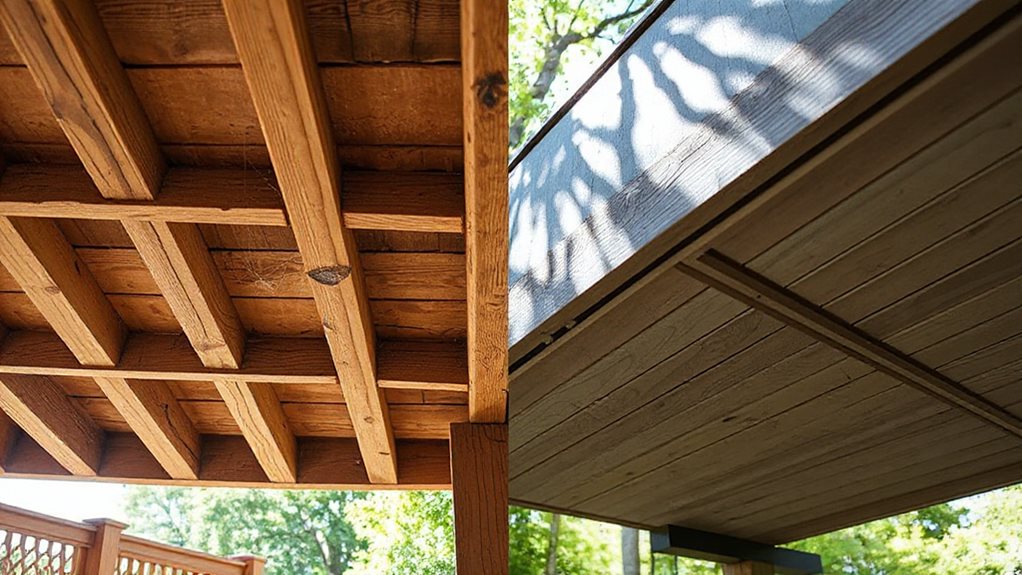
While you’re picturing your dream deck—maybe with a hammock strung up and a cooler nearby—let’s talk about what’s really going on underneath: the airflow game.
You’ll love that composites handle moisture like a champ, needing less ventilation, while wood begs for airflow to avoid rot.
Pro tip: enhance under-deck circulation—your deck (and future bare feet) will thank you!
Mulching blades can provide finer clippings and help return nutrients to the soil when maintained properly, but be mindful they may require more power and proper deck setup for best results with mulching blades.
Use Vented Skirting and Gaps for Better Airflow
You know how gross it feels when your camping tent gets all sweaty and damp inside? Well, your deck doesn’t want to feel that way either—so slap on some vented skirting with louvered panels or cool lattice to let that air move freely.
Don’t forget to leave little gaps between boards and a solid inch at the bottom of the skirting, because nobody wants a mushy, moldy mess under their deck—trust me, it’s way less fun than a s’more disaster!
Also consider following local building codes to ensure proper clearance and safe construction.
Vented Skirting Enhances Circulation
When you’re kicking back on your deck after a long day, the last thing you want is a musty smell creeping up from underneath—or worse, a wobbly board that’s rotting thanks to trapped moisture. You’ve got better things to do, like prepping for your next camping trip!
Swap solid skirting for louvered panels or lattice, so air can swoop under your deck like a cool breeze through a tent flap—keeping things dry, fresh, and ready for escapade.
Strategic Gaps Prevent Moisture Buildup
Let’s face it—nobody wants their deck turning into a swampy jungle by next camping season, so here’s the real breakthrough: building in smart gaps that let air *flow* like a cool breeze through your tent on a perfect summer night.
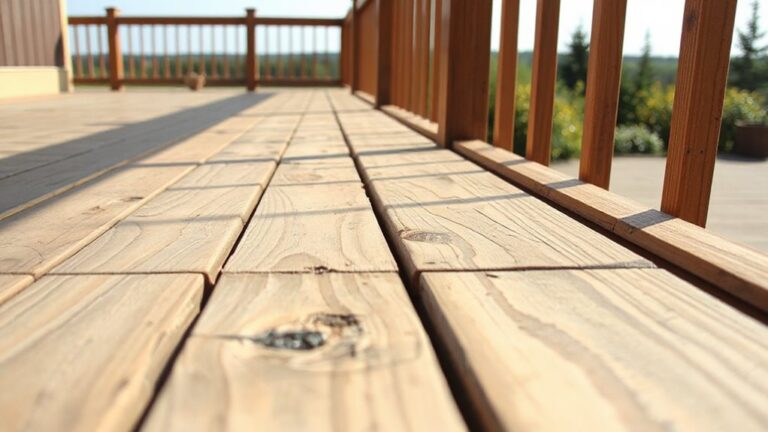
Leave ¼-inch side gaps, 3.5mm at joints, and never let debris pile up—your deck breathes easier, stays dry, and lasts way longer, just like a well-ventilated campsite after a rainy night.
How Deck Ventilation Prevents Rusty Fasteners
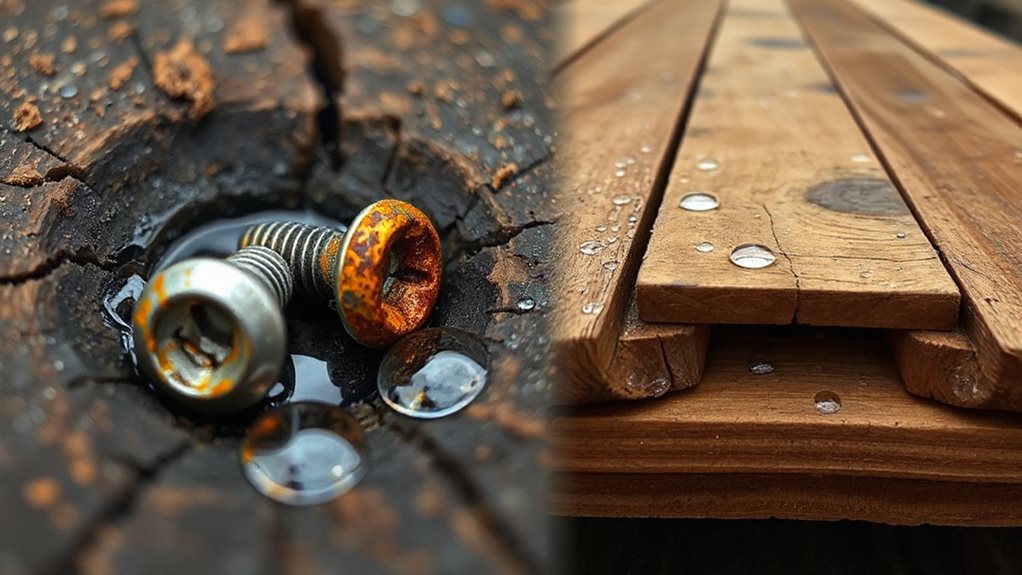
You know how gross it feels when your socks stay wet after a hike? Well, your deck’s screws feel the same way when moisture gets trapped underneath—yuck!
Without airflow, that dampness sticks around, turning rust-resistant fasteners into flaky, sad metal snacks for mold and corrosion. But hey, with smart ventilation, you’re basically giving your deck a cool breeze breath mint that keeps hardware happy, dry, and ready for way more camping seasons to come! Proper ventilation also helps maintain a balanced moisture level in the decking, reducing the risk of cracking and rot.
Moisture Traps Cause Rust
Honestly, you’d be amazed at how sneaky moisture can be—like that one camper who always hides the last s’more—because it loves to sneak under your deck and set up camp right where you can’t see it.
Trapped water, condensation, and poor airflow team up to rust fasteners fast, especially in shady spots, so check those nooks—your deck’s skeleton depends on it!
Ventilation Reduces Corrosion Risk
Imagine this: a cool breeze sneaking under your deck like a clever scout, chasing away dampness before it can start a rust rally on your fasteners—yeah, ventilation’s that unsung hero working overtime while you’re busy grilling burgers or stargazing from your lawn chair.
You let air flow, and boom: less moisture, fewer rusty screws, longer-lasting hardware. Need durable fasteners? Just add airflow—it’s like sunscreen for metal, honestly.
Proper Airflow Extends Hardware Life
Most of the time, you’re probably not thinking about what’s happening under your deck—kind of like how you don’t worry about the tent stakes when you’re cozy in your sleeping bag, but just like that, those little metal heroes are holding everything together.
You want them strong, right? Well, airflow keeps fasteners dry, cool, and happy—no rust, no wobbling, no surprise squeaks during movie night.
Think of it as a gust of fresh air for your deck’s bones. Let it breathe, and your hardware will last decades, not years—now that’s a win worth sharing!
Fix Poor Airflow Before It Weakens Your Deck
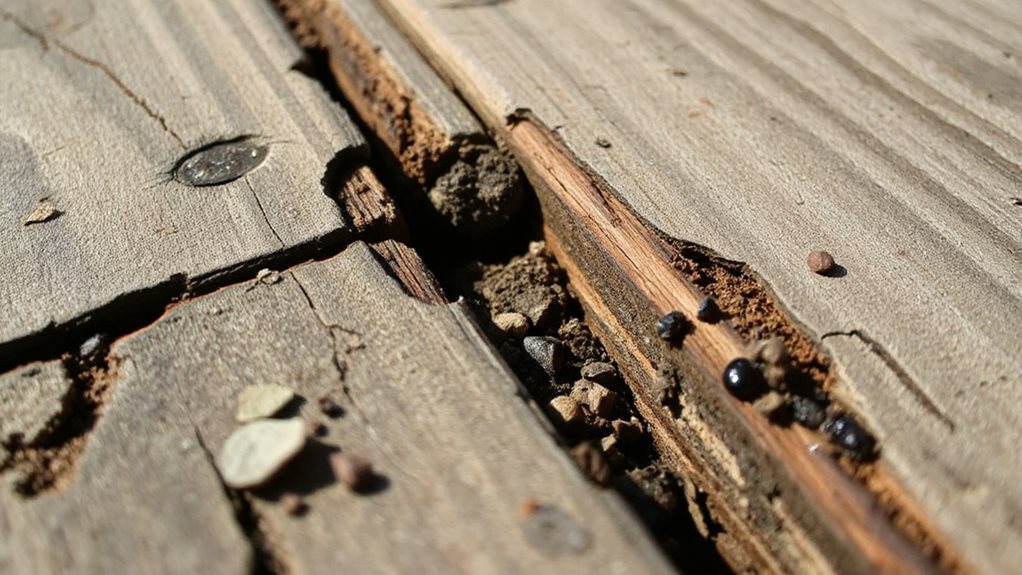
Ever had that sinking feeling when you step onto your deck and it creaks like a haunted house floor? That’s your deck crying for help!
Poor airflow traps moisture, warps wood, and invites mold—yuck. But you’ve got this: clear vents, balance intake and outflow, and keep that 24-inch airflow zone open.
Think of it like giving your deck a gust of crisp mountain air—perfect for summer hangs and campfire stories!
Make Your Deck Last Longer With Smart Ventilation
While your deck mightn’t pack a tent or roast marshmallows, it still deserves to breathe easy—especially if you want it around for all your future backyard campouts and summer hangouts!
Overall
So, you wanna keep your deck from turning into a mushy mess? Don’t ignore airflow, my friend! Trapped moisture’s like uninvited campfire guests—it just causes trouble. Vented skirting, smart gaps, and proper spacing keep things dry, stop rot, and save your screws from rusting into relics. Whether you’ve got wood or composite, breathing room’s key. Trust me, a happy deck means more summer hangs and fewer “uh-oh” moments. Breathe easy, build smart, and let your deck live its best life!