Why Do Plant Leaves Feel Sticky?
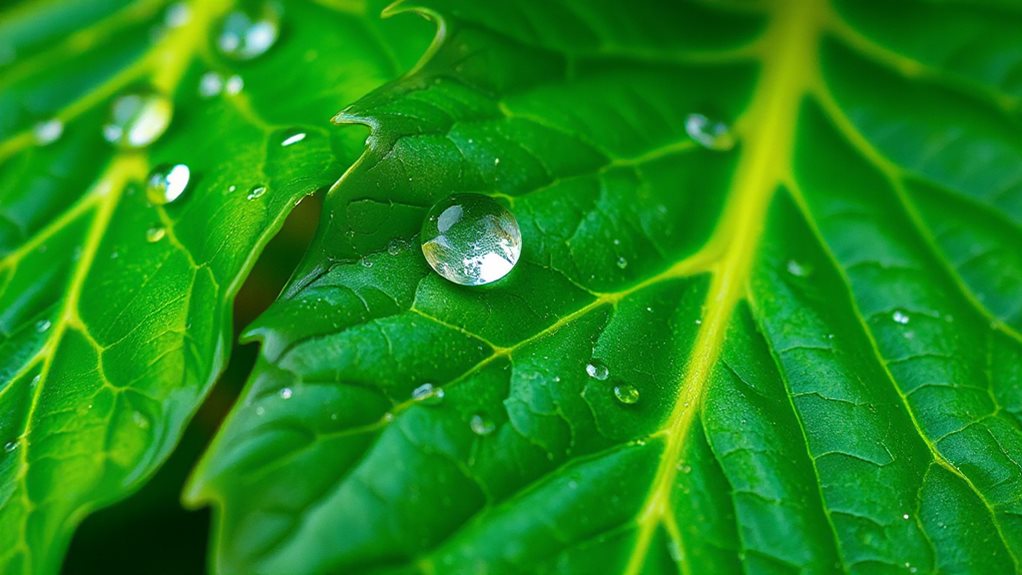
You feel sticky leaves because tiny sap‑sucking bugs—aphids, scales, mealybugs—are spitting out sugary honeydew that coats the surface, turning it into a glossy, tacky film that even attracts ants and a fuzzy mold, kind of like those campfire marshmallows that get stuck to your fingers, and the honeydew’s glucose and fructose make it super clingy, especially on humid days when the insects are most active, and if you keep exploring you’ll uncover how to tell honeydew apart from plant mucilage and what to do about it.
TLDR
- Leaves can become sticky when sap‑sucking insects (aphids, scales, mealybugs) excrete honeydew, a sugary waste that coats surfaces.
- Some plants secrete their own mucilage from glandular tissues, forming a gel‑like, rubbery coating that feels sticky to the touch.
- High humidity and low airflow promote honeydew production and cause it to accumulate, enhancing the sticky sensation.
- Honeydew often appears as tiny glittery droplets and may be accompanied by ants or sooty mold, whereas plant mucilage spreads into a uniform sheet.
- Cleaning with a mild detergent solution, followed by rinsing and preventive treatments (neem oil, insecticidal soap), reduces stickiness and deters further pest activity.
Understand How Honeydew Forms and Why It Feels Sticky
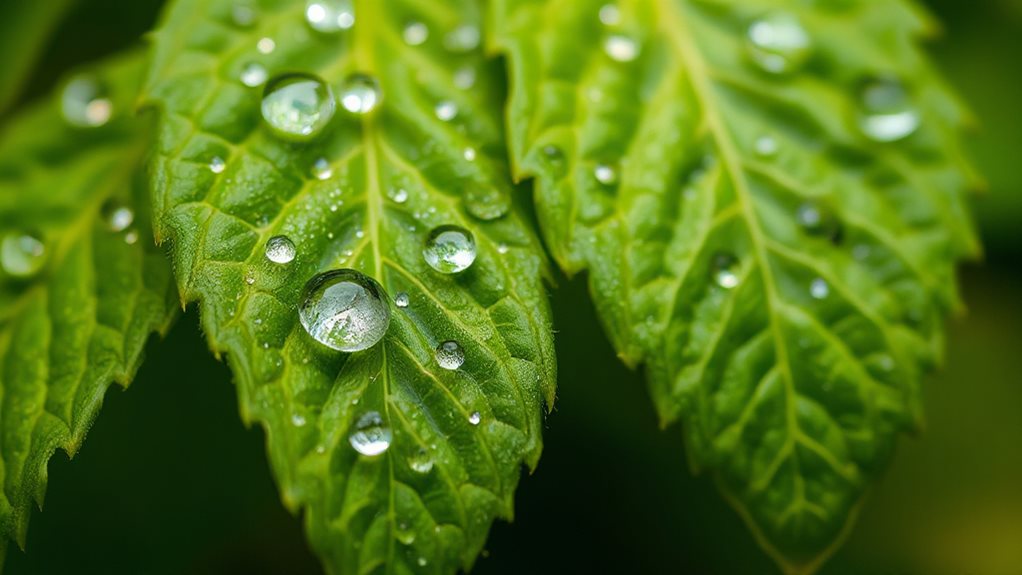
So, why does honeydew feel so sticky? You’ll see insects pierce phloem, sip sugary sap, then dump the excess as glossy droplets that cling to leaves, branches, and everything below. Those droplets are packed with unprocessed sugars and a pinch of salicylic acid, giving them a syrupy, tacky texture that resists washing, dries hard, and even lures dust, spores, and fungi. The presence of aphid colonies amplifies the amount of honeydew produced. Decks and nearby structures can collect dripping honeydew and attract additional pests like wasps that feed on the sweet residue, especially around railings and sheltered nooks.
Identify the Sap‑Sucking Bugs Behind the Sticky Mess
Ever wondered which tiny critters are actually turning your garden leaves into a sticky, sugary mess? You’ll spot aphids forming colonies on fresh growth, their white cast skins and honeydew coating the surface; armored scales hide under waxy shields near veins, while mealybugs drape cottony fluff in leaf axils.
Lace bugs leave dark honeydew spots, and thrips spray shiny black flecks. Identify them, then act. Over time, trapped moisture and debris can encourage more pests to colonize sticky surfaces if not cleaned up.
Distinguish Insect Honeydew From Plant‑Generated Sticky Secretions
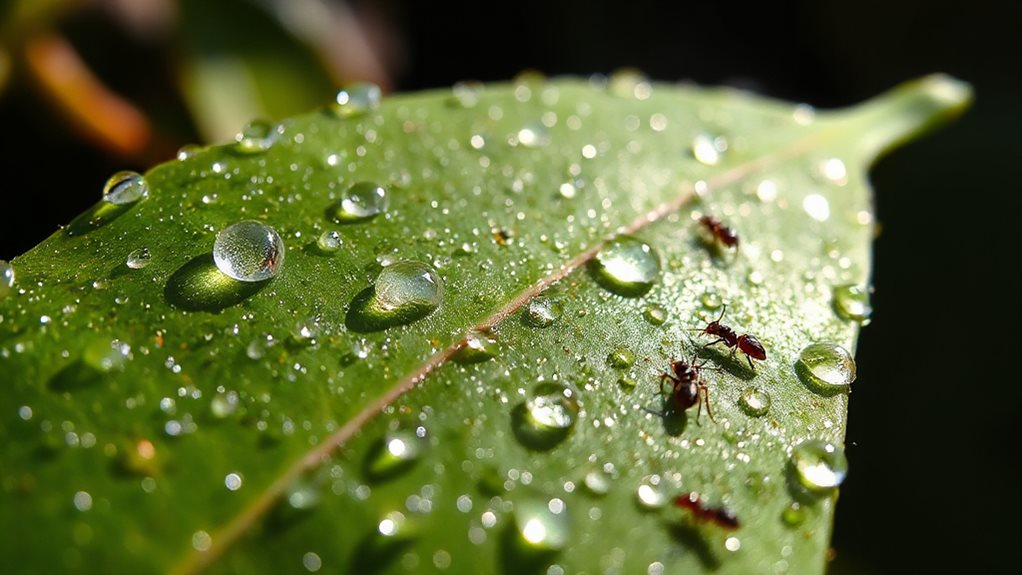
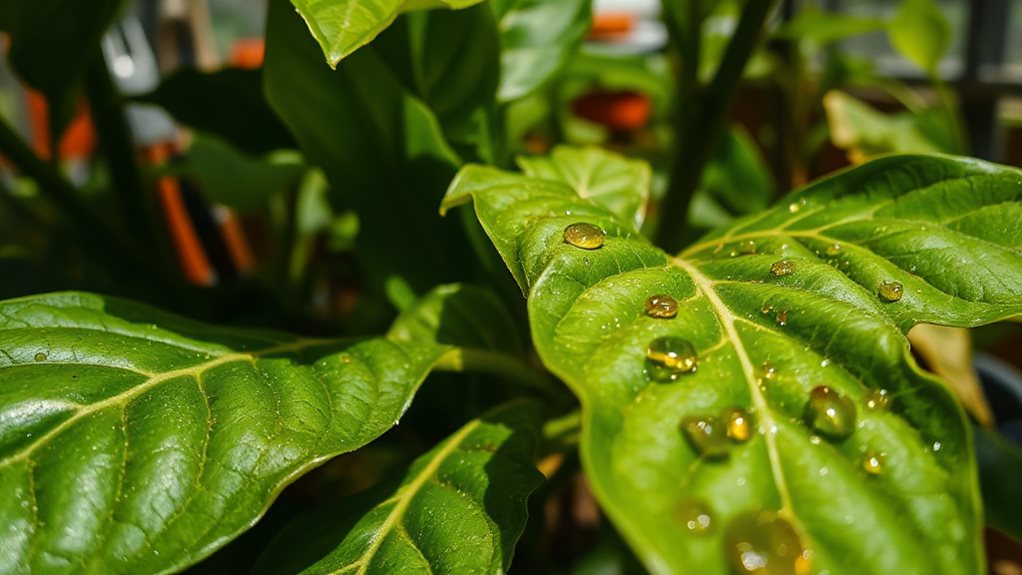
You’ll notice that honeydew looks like tiny, glittery droplets and often comes with a trail of aphids or a fuzzy ant parade, while plant‑generated mucilage spreads into a gel‑like sheet that feels more like a slime when you touch it, so check for those insect guests and the shiny residue they leave behind.
Have you ever tried shaking a leaf over a cup and watched the liquid bead up—if it stays liquid and attracts ants, it’s probably honeydew, but if it swells into a sticky, rubbery coating when you add a drop of water, you’re dealing with the plant’s own mucilage.
Try a quick test: sprinkle a little water on the sticky spot; if it dissolves into a clear, sugary film, you’ve got insect honeydew, but if it puffs up into a thick, gelatinous layer, you’ve uncovered the plant’s protective secretion.
Also consider environmental stressors like inconsistent watering, which can increase insect activity and influence whether plants produce more mucilage as a protective response.
Honeydew vs. Plant Secretion
Ever wondered why the sticky stuff on a leaf sometimes comes from a bug and other times from the plant itself?
Insect honeydew is a sugary, wax‑coated waste shot out the anus of aphids, scales, and friends, while plant secretions emerge from specialized glands, not the gut.
Honeydew is rich in glucose, fructose, and a dash of salicylic acid, attracting ants and fungi; plant exudates contain different compounds, often for defense or pollinator attraction.
Knowing the source helps you protect crops and enjoy nature responsibly.
Identifying Source & Symptoms
So, how can you tell whether the sticky film on your leaf is a bug’s souvenir or a plant’s own secret potion? Look for tiny, seashell‑like bumps (scale) or cottony clouds (mealybugs) on undersides, and note aphid pear shapes or whitefly dust. If you see black, powdery mold, that’s honeydew’s sugar feeding—plant secretions lack those critters and mold.
How Humidity and Airflow Influence Honeydew Production
Ever wondered why a leaf feels like it’s coated in sweet syrup after a humid night? When humidity spikes, aphids sip sap faster, turning sugary honeydew into a sticky glaze, and a gentle breeze spreads it, preventing puddles but letting droplets cling to veins; you’ll notice more sheen after rainstorms, especially where airflow is low, so keep vents open to reduce buildup. Sudden stops in water flow can also create pressure shocks that make pipes knock, so check for loose pipes that might worsen moisture issues.
Why Sooty Mold Appears After Honeydew Accumulates
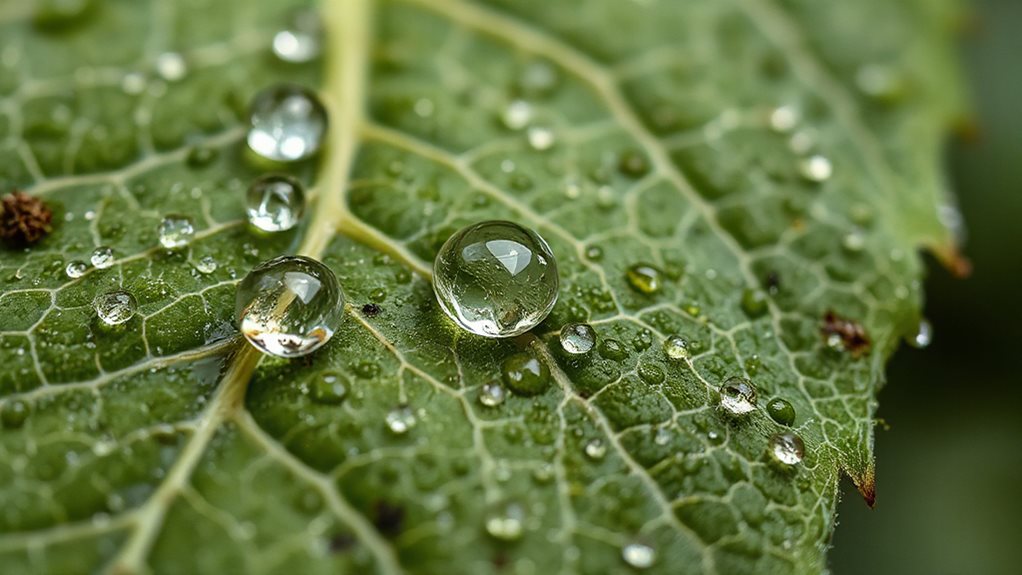
Why does a leaf suddenly look like it’s been smudged with charcoal after a night of buzzing aphids?
You notice black soot because sugary honeydew feeds fungi like Cladosporium, which spread like a campfire on damp leaves, especially where ants herd aphids.
The mold blocks sunlight, stunts growth, and signals an insect outbreak—so you’ll want to intervene before the plant’s health gets a “roughing‑it” experience.
Cold soil and early planting stress can increase pest pressure by producing weaker plants with stunted root systems, making them more susceptible to infestations.
How to Clean Honeydew Residue & Stop Re‑infestation
Ever wondered why your favorite houseplant looks like it’s been coated in a sticky, sugary glaze after a night of buzzing aphids, and how you can scrape that mess off without turning the whole thing into a swamp?
Spray a detergent‑water mix, wait fifteen minutes, then rinse hard; dab stubborn spots with rubbing alcohol, and follow up with neem oil or insecticidal soap every few days to keep pests at bay.
When to Call a Professional: Signs of Severe Infestation & Treatment Options
So, how do you know when a tiny garden‑sized nightmare has turned your beloved houseplant into a full‑blown disaster zone and it’s time to call in the pros? If yellow leaves spread fast, roots smell rotten, wilting won’t stop, mealybugs clump like cotton, or leafminer trails cover new growth, discard or prune heavily, then call experts for systemic insecticides, oil sprays, and precise fungicide treatments.
Overall
So, now you know why those leaves get sticky—those tiny sap‑suckers are turning plant sap into sweet honeydew, and the humidity, airflow, and even a bit of sooty mold are all part of the drama. Next time you’re camping, keep an eye out for those gooey patches, spray a bit of water, or give the plants a gentle wipe, and you’ll stay ahead of the bugs. Got a garden? Try a homemade soap spray and enjoy the bug‑free vibe!