How to Keep Beetles Away From Patio Lights
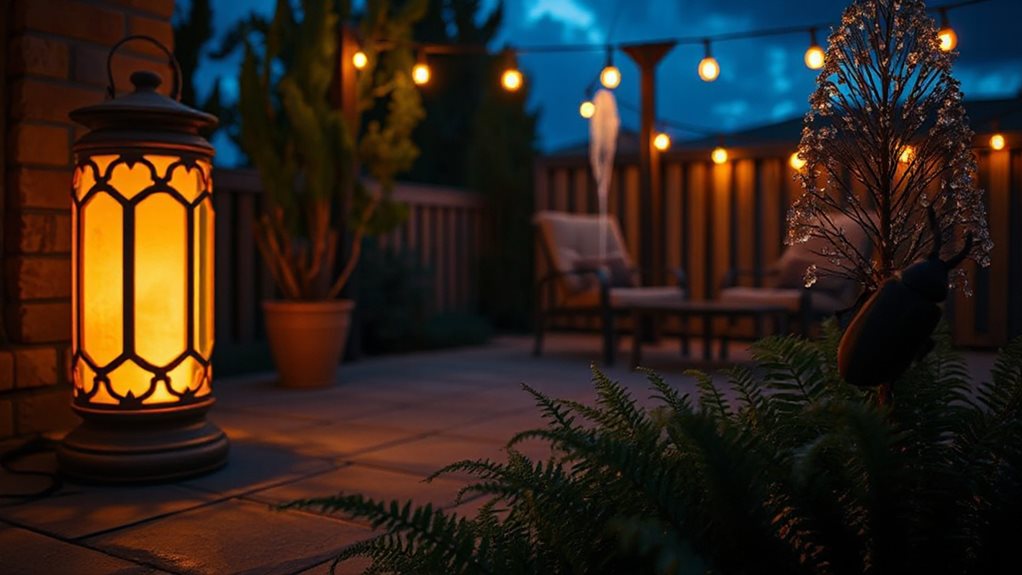
Swap to warm‑yellow or amber LEDs (under 3000 K) and hang them low, a couple of feet off the ground, spaced five to ten feet apart; the softer spectrum kills the beetles’ UV cue, and the low‑glare fixtures keep the area cozy without sizzling heat. Add a few glue‑board fly lights near the lamps for non‑lethal trapping, turn off any unused lights after sunset, and spray a thin Supreme IT perimeter barrier around eaves and doors for extra protection. Keep the patio dry, wipe the fixtures weekly, and you’ll enjoy a bug‑free glow—plus a ton more tips if you keep going.
TLDR
- Install warm‑yellow or amber LEDs (2200‑3000 K) and keep brightness below 50 % to minimize UV and heat that attract beetles.
- Place low, ground‑level fixtures 5‑10 ft apart, angled downward, and avoid upward spill to reduce glare and insect draw.
- Use motion‑sensor, IP65‑rated LED lights and turn them off when not needed to limit heat and light exposure.
- Keep the patio clean: sweep debris, seal food containers, and trim foliage within a foot of fixtures to eliminate beetle habitats.
- Apply non‑lethal perimeter controls such as glue‑board traps and, if needed, a targeted insecticide barrier (e.g., Supreme IT) around eaves and doors.
Choose Warm‑Yellow or Amber LEDs for Bug‑Free Porch Lighting
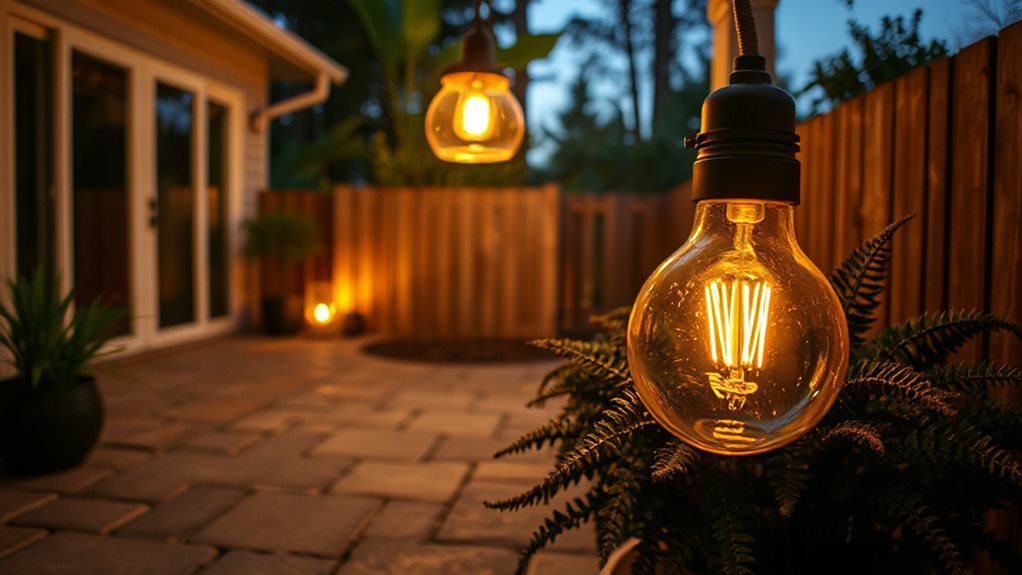
Ever wondered why your patio lights turn into a bug magnet at night? Switch to warm‑yellow or amber LEDs—think 2200K‑3000K—because those longer wavelengths hide from beetles and mosquitoes. Pick weather‑proof, IP65 fixtures with motion sensors, set brightness under 50%, and enjoy a cozy, bug‑free glow that saves energy, lasts 50 000 hours, and even helps nocturnal wildlife. Narrow‑band yellow reduces insect attraction compared to white LEDs. For added safety, remember to turn off and inspect nearby propane tanks and gas lines after outdoor use to reduce fire and leak risks.
Understand Why < 3000 K Light Stops Beetles and Mosquitoes
You’ll notice that bulbs under 3000 K give off a UV‑free range, so beetles—who rely on blue and UV cues to steer—just can’t see them, and that’s why the bugs stay away; isn’t it cool how a simple warm LED can turn your patio into a bug‑free zone, like a campsite without any annoying critters?
Try swapping to a warm‑white LED and you’ll see the difference instantly, because the longer wavelengths slip past the beetle’s visual sensitivity, and the energy‑efficient design means you’re saving power while keeping the pests at bay.
Trust me, I’ve tried it on my own backyard grill nights, and the reduction in buzzing mosquitoes and crawling beetles was so dramatic it felt like I’d uncovered a secret camping hack.
Home gardeners also get the best results when they measure and adjust conditions thoughtfully, since testing soil and environmental factors like light can guide interventions like switching to warm-white LEDs for pest reduction.
UV‑Free Spectrum
So, why does a light cooler than 3000 K magically make beetles and mosquitoes lose interest? You’ll love that UV‑free LEDs at 3000 K block the ultraviolet cues insects chase, so they skip your patio like a boring campfire.
Pick amber‑filtered bulbs, ditch the blue‑violet, and watch the bugs stay away while you enjoy starlit evenings without buzzing interruptions.
Beetle Visual Sensitivity
Why do beetles bail on lights cooler than 3000 K? You’ll love how their UV‑sensitive eyes, peaking at 370 nm, chase UV like a magnet, while green receptors at 530 nm only gauge brightness. When you switch to warm LEDs, you mute UV, so beetles lose their navigation cue and wander elsewhere—perfect for campers who want peaceful nights without buzzing, beetle‑filled patios.
Energy‑Efficient Warm LEDs
When you swap a cool‑white bulb for a warm‑white LED under 3,000 K, the change is like giving beetles and mosquitoes a dimmer switch on their favorite night‑time disco—suddenly the UV‑rich, blue‑heavy glow they chase disappears, and their tiny eyes, tuned to around 370 nm, just can’t lock onto anything.
Warm LEDs use 12 W, last 20 k hours, and cut UV, so you protect guests, save energy, and still enjoy bright, cozy patio evenings.
Install LEDS Low to the Ground With Surface‑Mount or Recessed Fixtures
Ever wondered why your patio lights seem to summon a beetle army at night? You can beat them by installing low‑voltage LEDs under two feet, using surface‑mount stakes or recessed fixtures. Drive sturdy stakes into the ground, space them 5‑10 feet apart, connect with quick‑connectors, bury cable six inches deep, and seal everything. The result? Minimal upward spill, 70 % fewer beetles, and a campsite‑ready glow that feels like a friendly firefly. Regular maintenance like wiping surfaces and improving airflow can also reduce pests by preventing attractive damp conditions.
Position Multiple Small Lights Instead of One Bright Fixture
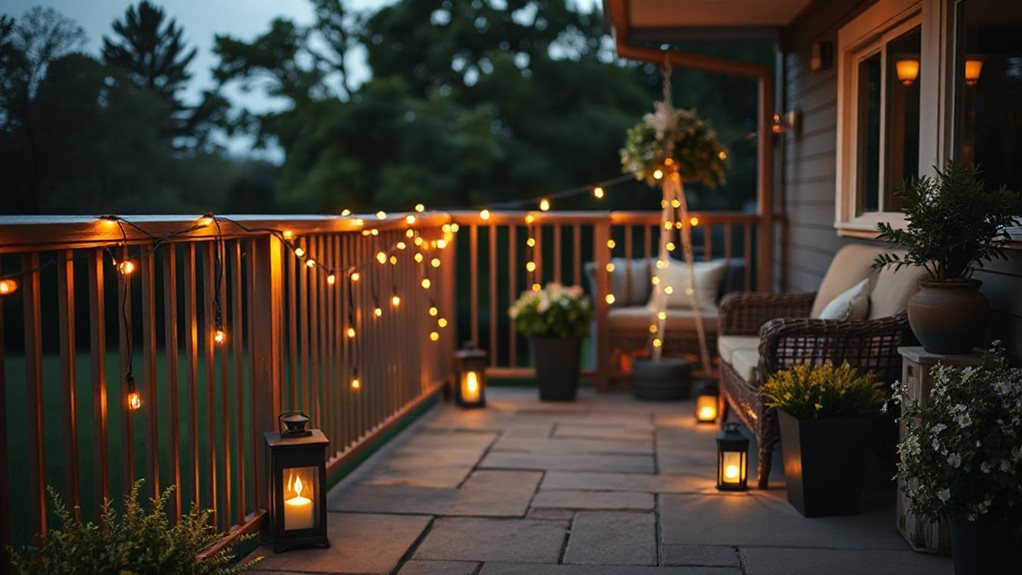
You’ll notice that spreading a few low‑level lights around the patio gives you a wider glow without the blinding glare of a single bulb, and it actually cuts down the beetle traffic because each lamp is dimmer and less tempting. Have you tried placing a couple of tiny fixtures a few feet from the door and angling them downward, so the light stays on the path and the bugs stay out of the entryway? Give it a shot and see how the scattered, gentle illumination makes the whole space feel like a camp‑fire vibe—minus the annoying critters. After rain, consider keeping surfaces dry and reducing moisture hotspots near your patio, since damp areas can attract insects and other pests.
Low‑Level Distributed Lighting
Ever wondered why a single, blinding floodlight can feel like a beetle‑magnet while a cluster of tiny lanterns barely stirs them? You can spread several low‑level fixtures across the patio, keeping each light dim and close to the ground, so beetles see less intense glare.
This distributes illumination, reduces hot spots, and still lets guests wander safely, feeling like a star‑lit campsite.
Reduced Brightness, Greater Coverage
Because a single, blinding floodlight acts like a neon sign for beetles, swapping it for a bunch of tiny, dimmer LEDs can turn your patio into a cozy campsite without the buzzing crowd. You’ll spread four low‑wattage lights around the perimeter, each pointing where friends gather, and the even glow covers every nook, cuts heat, saves power, and keeps beetles guessing—like camping under a star‑filled sky, but bug‑free.
Mount Fly Lights Near Existing Porch Lamps for Targeted Trapping
Wondering how to turn your porch lights into a beetle‑busting hotspot? Mount a UV fly light just a foot from each existing porch lamp, so beetles already attracted to the warm glow get zapped instantly; use a high‑quality lamp with an electronic ballast for peak UV, replace bulbs every six months, and keep the spectrum blue‑UV for maximum draw while you enjoy campfire stories.
Use Railing‑Mounted LEDs to Keep Insects Out of Flight Paths
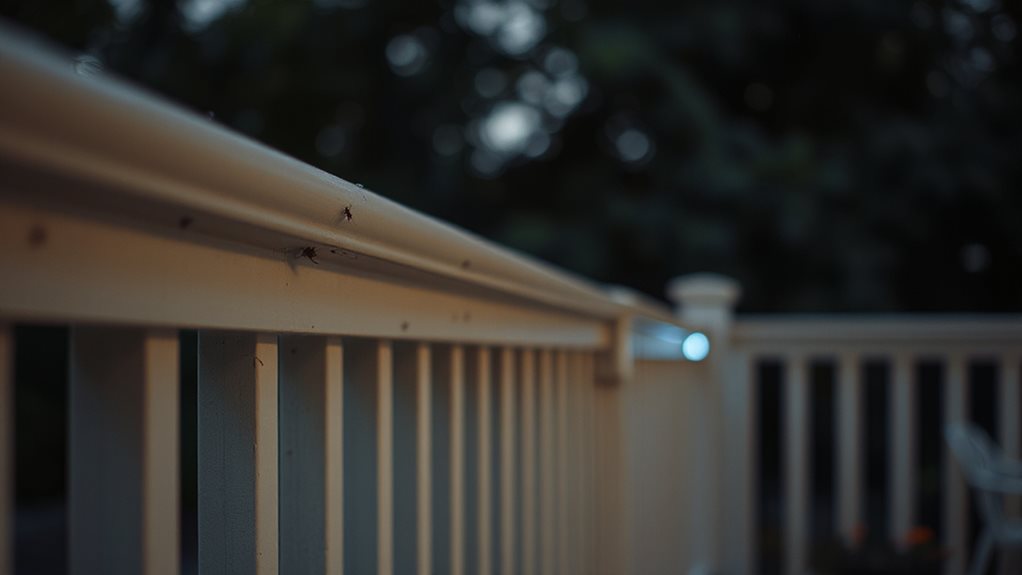
So, why not turn your patio railing into a bug‑busting runway? Install warm‑white or amber LEDs along the railing, keeping them low and vertical so bugs fly over, not under. The tiny, recessed lights mimic a campfire glow, drawing few beetles, moths, or flies. You’ll love how the patio stays bright for guests while the insects stay out, just like a well‑planned campsite.
Keep the Porch Clean: Remove Water, Food, and Plant Residue
You’ll notice that emptying puddles, wiping up crumbs, and tossing dead leaves makes the porch feel like a campsite you’d actually want to sleep in, not a beetle buffet; have you ever tried to set up a tent with a swamp right next to your sleeping bag? So grab a bucket, sweep away any standing water, vacuum the corners where snack wrappers hide, and pull back the mulch a foot or two—those simple steps keep the bugs off your lights and your vibe high.
Trust me, after a quick clean‑up you’ll feel like you’ve just cleared a trail for a perfect night under the stars, and the beetles will be the only ones missing the party. Consistent upkeep also helps prevent the HOA from singling out your porch for repeated notices, since consistent enforcement of rules is often tied to visible maintenance.
Drain Standing Water
Usually the first thing you notice when you step onto a porch after a rainstorm is a few stubborn puddles that seem to cling to the concrete like tiny lakes, and those little water pockets are exactly what beetles love to turn into a five‑up buffet.
Clear Food Debris
After you’ve chased the puddles away, the next thing to tackle is the crumbs and spills that turn your patio into a beetle buffet.
Sweep daily, mop up soda drips, and toss food bits into a trash can far from the lights; wipe fixtures weekly, and keep containers sealed so beetles never get a snack, making your porch a clean, beetle‑free zone.
Remove Plant Matter
When you notice vines and leafy branches hanging over your patio lights, it’s a clear sign that beetles are getting an all‑you‑can‑eat buffet right above your head, and that’s not the kind of “nature walk” you want while you’re trying to relax.
Trim any overhanging foliage within two feet, clear dead trimmings promptly, and keep a one‑foot clearance around fixtures so air flows, debris stays out, and beetles lose their snack bar.
Treat Standing Water With BTI Mosquito Dunk When Removal Isn’T Possible
Even if you can’t drain that puddle by the garden or the rain‑filled bucket in the corner of the patio, you still have a solid game plan—just toss a BTI Mosquito Dunk in there and let the magic happen. It floats, releases BTI for 30 days, kills larvae in 24‑48 hours, spares bees, and needs no stirring; split it for tiny spots, replace monthly, and keep your patio bug‑free while you enjoy camping trips.
Turn Off Unused Lights to Reduce Heat and Insect Attraction
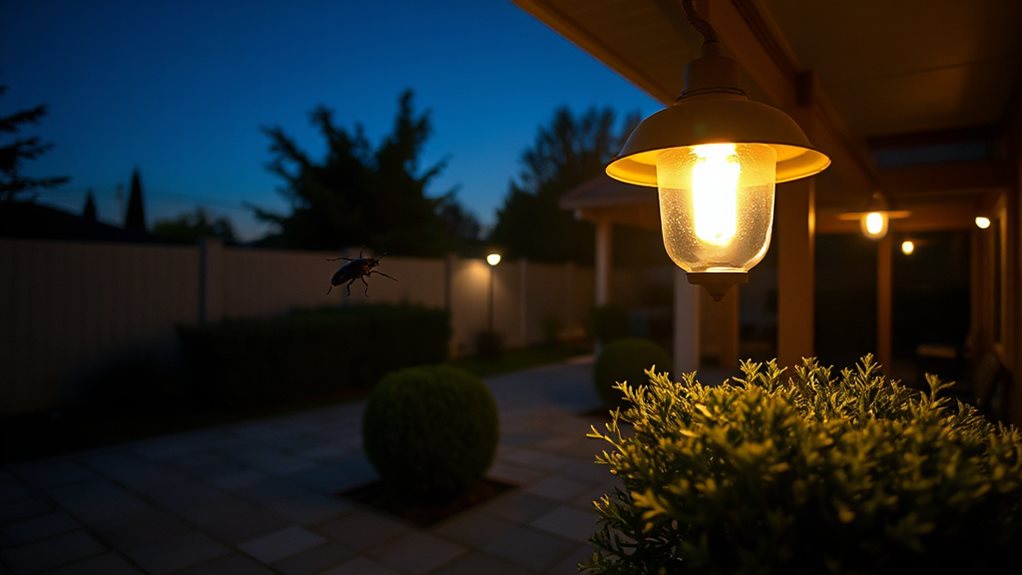
You’ve already got the pond‑dunk trick down, so let’s talk about the next simple hack: turning off lights you’re not using. When you switch off incandescent bulbs, you cut the heat that draws beetles and mosquitoes, and you spare energy. Swap to warm‑tone LEDs or simply dim them, and watch the bugs disappear, leaving your patio calm and inviting.
Apply a Perimeter Insecticide Barrier With Supreme It for Extra Protection
Ever wonder how a simple spray can turn your patio into a bug‑free zone, almost like setting up a campsite where the only thing buzzing is your excitement?
Mix 0.33‑1 fl oz. Supreme IT per gallon, spray 3‑foot high, 6‑10 feet from walls, coat eaves, doors, windows. Let it dry; you’ll enjoy 90‑day protection, keeping beetles away while you host friends.
Deploy NorbBUG LITE or Similar Amber‑Only LEDs for a Bug‑Free Glow
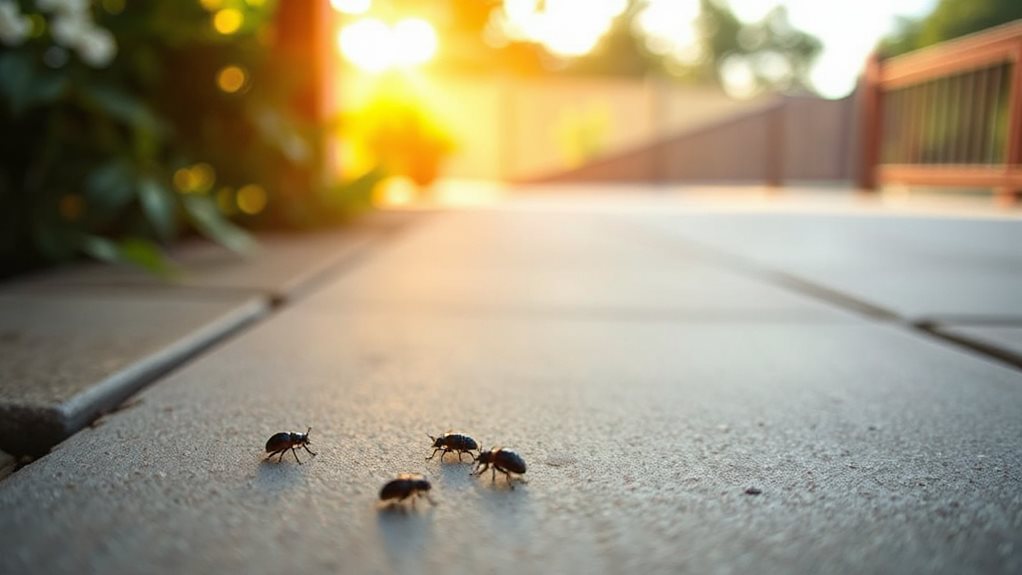
After spraying the perimeter with Supreme It, you’ll notice the patio lights still flicker like a campfire, but now you can swap those ordinary white bulbs for NorbBUG LITE or any amber‑only LED and watch the beetles disappear.
You’ll love the 2000K warm glow, 960 lumens, 9‑watt efficiency, and 12‑year life; it fits standard E26 fixtures, dims, and covers 220°, keeping insects away while you serve guests and enjoy bug‑free evenings.
Combine Glue‑Board Fly Lights With LED Fixtures for Non‑Lethal Control
Ever wonder why your patio lights seem to throw a beetle party every summer night? You can tame that chaos by tucking UV glue‑board traps behind your LED fixtures; the UV LEDs lure beetles, then the sticky board snags them silently. Mount the board 3‑6 feet up, hide it in a shade, and watch insects beetles stick and dehydrate, keeping your gathering bug‑free.
Overall
Now you’ve got the perfect beetle‑busting setup: amber LEDs, low‑mount fixtures, and a few smart traps, so your patio stays bright without the creepy crawlies. Got a camping trip coming up? Pack those same tricks and enjoy bug‑free nights under the stars, because who wants to share a marshmallow with a beetle? Keep the lights warm, the bugs out, and the fun rolling—your evenings will thank you, and you’ll finally get to relax without swatting.