How to Stop Raccoons From Digging in Your Garden
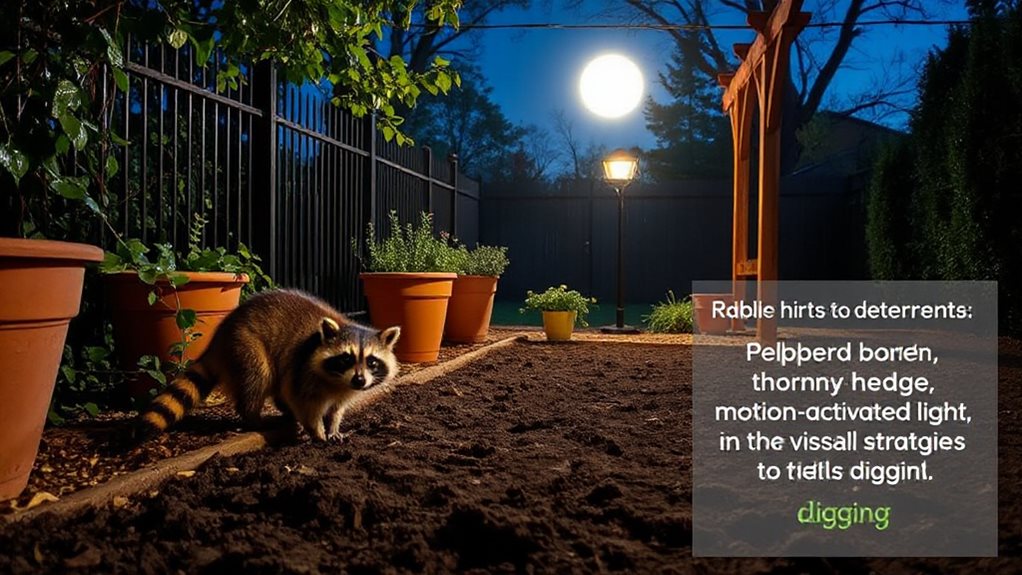
You can stop raccoons digging by making your garden un‑inviting: keep soil dry and firm, mulch lightly, and trim grass so they can’t hide; install a buried L‑shaped hardware‑cloth barrier a foot deep and top it with a 4‑6‑foot fence, add motion‑activated sprinklers or strobe lights to startle them, and spray vinegar, ammonia‑soaked rags or cayenne pepper for instant scent deterrence that you’ll reapply after rain; seal compost bins, lock gaps, and use smart irrigation to reduce moisture—keep the deterrents rotating, and you’ll see the critters quit the midnight buffet and move on, plus there’s more you can try if you want to go deeper.
TLDR
- Remove food attractants: secure compost, lock garbage, and pick up fallen fruit or vegetables.
- Install underground “L‑shape” barriers and deep‑set hardware cloth fences to block digging.
- Keep soil dry and firm: reduce watering, improve drainage, and avoid loose mulch that attracts insects.
- Apply rain‑resistant scent deterrents (vinegar, ammonia, cayenne) and rotate scents regularly.
- Use motion‑activated sprinklers or strobe lights to startle raccoons and monitor barrier effectiveness.
Explain Why Raccoons Dig and How It Harms Your Garden
Why do raccoons dig up your garden, you wonder?
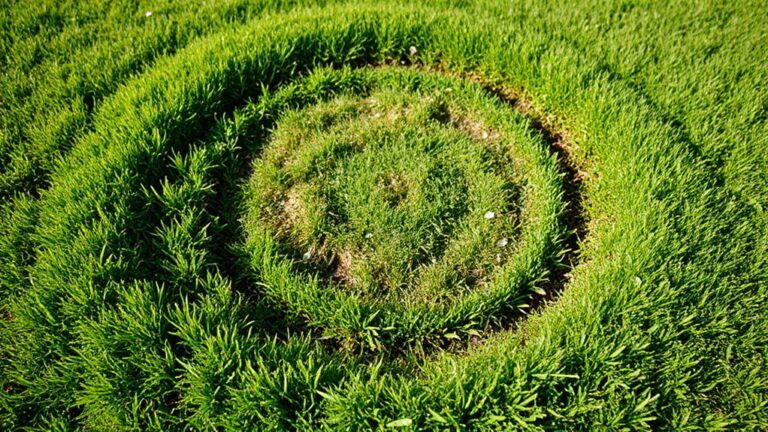
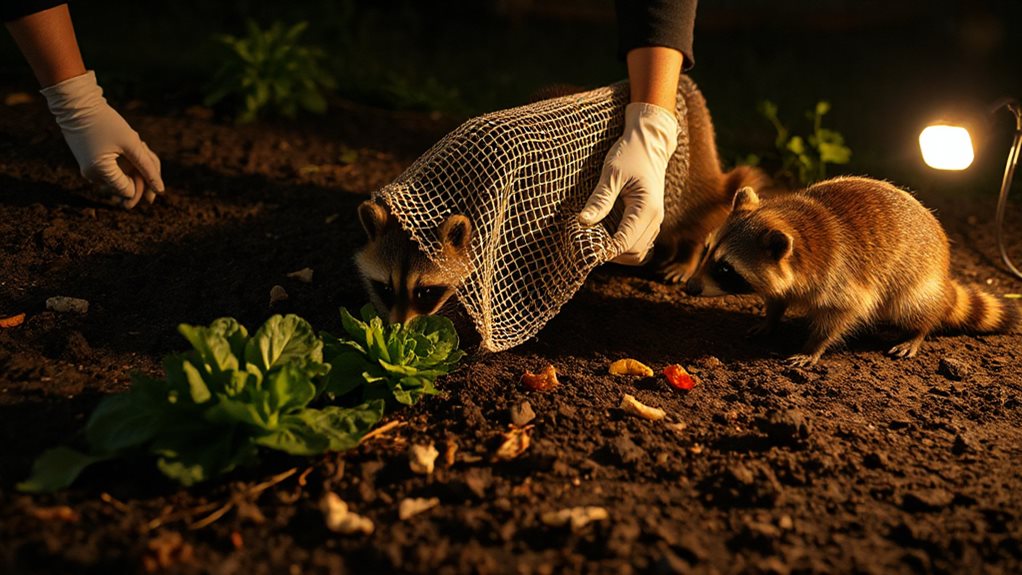
You’ll find they’re after grub, earthworms, and water‑garden critters, so they roll back sod with their dexterous paws, exposing roots and leaving brown patches.
Their nightly raids, especially late summer, disrupt newly laid sod, displace annuals, and even create latrine spots, turning your garden into a chaotic campsite for foraging.
They often target areas where soil insects are abundant.
Climate-driven shifts in insect timing can make soil insect availability more unpredictable, increasing seasonal pressure on gardens.
How Soil Conditions Influence Raccoon Digging
You’ll notice that when the soil stays soggy from frequent watering, raccoons treat it like a soft playground and start flipping turf, especially if the grass has shallow roots that give them easy access to grubs and worms hidden in the moist earth. Have you ever seen a mulch bed buzzing with insects? The rich organic matter there attracts invertebrates, and the loose, un‑compacted soil lets raccoons dig with reckless enthusiasm—just like they’re on a camping expedition hunting for treasure. Try to firm up the ground, reduce surface moisture, and keep the organic layer thin; a little soil‑compaction and smarter irrigation can turn your garden from a raccoon hotspot into a peaceful backyard retreat. Proper ventilation under structures also helps reduce lingering moisture and prevent mold that can attract pests.
Soil Moisture Levels
Ever wondered why your garden turns into a raccoon playground right after a rainstorm? When soil stays damp, insects surface, and raccoons swoop in, digging soft sod for juicy grubs.
If you water deeply but less often, the soil hardens, insects drop, and raccoons lose interest.
Try letting the ground dry between waterings—your garden stays tidy, and the critters go camping elsewhere.
Organic Matter Content
When the soil stays soggy, you’ve already seen raccoons turning your garden into a snack‑hunt playground, but the real secret sauce is what’s actually in the ground. Rich organic matter fuels earthworms and grubs, creating a buffet that draws raccoons, especially after you bury food scraps; composting properly reduces those tasty cues, so fewer paws dig, and your garden stays calmer.
Soil Compaction Degree
So, ever wondered why a raccoon seems to treat your garden like a playground for digging? You’ll notice that compacted soil resists their paws, so they favor loose, aerated patches where flipping sod feels like a fun game; but when you firm up the ground—by rolling or watering—you make the effort too high, and the critters move on, leaving your garden peaceful.
Installing Physical Barriers Raccoons Can’t Breach
A solid fence that actually keeps raccoons out starts with a buried “L‑shape” barrier that reaches at least a foot underground, because those clever critters love to dig under anything that looks climb a simple wall.
use half‑inch hardware cloth, anchor it deep, then raise a 4‑6‑foot wooden or metal fence, add sloping tops, barbed wire, and regular checks so you protect your garden while feeling like a camping‑ready hero.
You can also add motion-activated lights and secure compost bins to deter nocturnal foragers and reduce attractants, since consistent timers for lighting and maintenance help keep wildlife away.
Instant Scent Repellents to Deter Raccoons
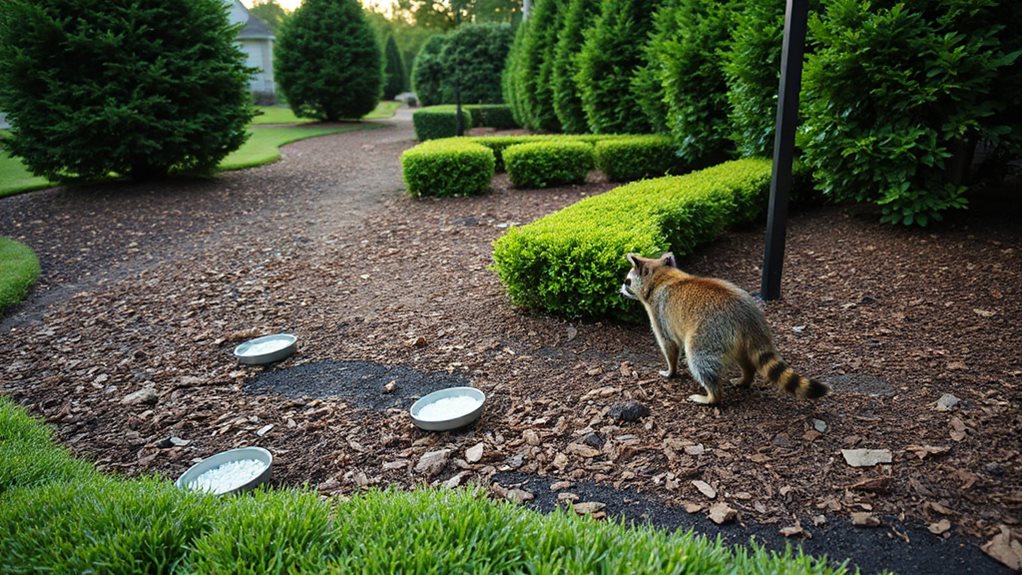
Ever wonder why a quick whiff of something pungent can turn a raccoon’s night‑time venture into a sprint away from your garden?
You can splash vinegar, soak rags in ammonia, or sprinkle cayenne pepper spray, each creating an instant stench raccoons dodge; commercial scent sprays work too, though you’ll need to reapply often, especially after rain, to keep the garden safe. Choose a rain-resistant option when possible to reduce how often you need to reapply.
Deploy Motion‑Activated Devices to Startle Raccoons
Imagine you’ve just set up a motion‑activated light right by the veggie patch, and the moment a raccoon scurries in, a bright flash blinds it like a flash‑bang at a summer camp—yeah, that’s the kind of instant “gotcha!” you’re after, because those nocturnal critters hate sudden brightness almost as much as they hate waking up early for a hike.
Add sprinklers that spray on detection, tweak sensitivity, and place devices near beds and trash bins; the combo creates a startling, avoidance‑rich zone, keeping raccoons out while you protect the garden.
Sealing gaps and improving drainage helps reduce hiding spots and moisture retention, which can attract raccoons.
Choosing the Best Motion‑Activated Raccoon Deterrent
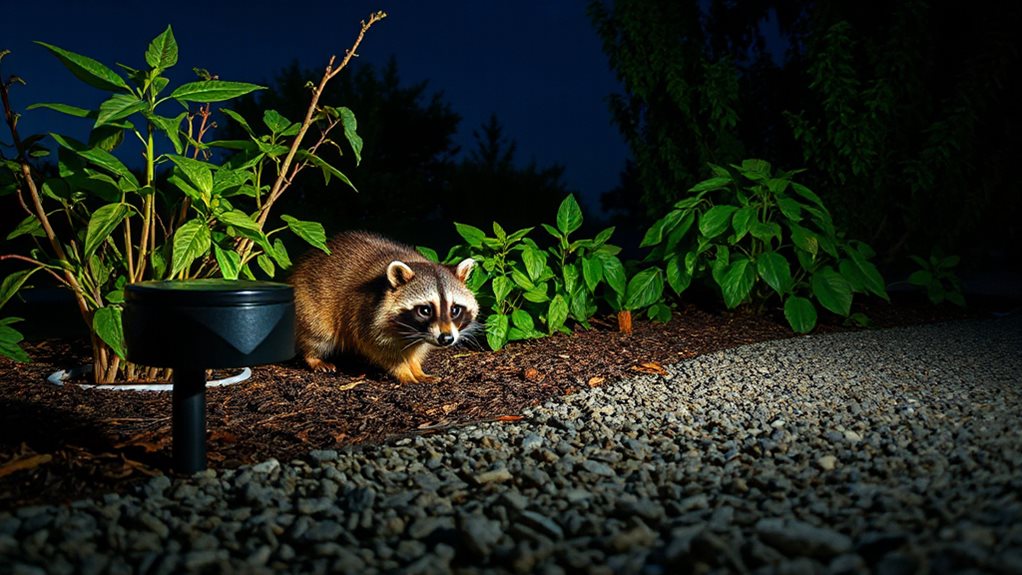
Look for 2,700‑lumens LEDs, solar power, wide‑angle sensors, and a sturdy housing; place them near trash cans, garden beds, and shed doors, then pair them with scent repellents or sprinklers for extra punch.
How to Block Raccoon Hideouts and Entry Ways
You’ll want to seal every crawl space and gap you find, because raccoons love slipping through those tiny cracks like sneaky campers searching for a hidden campsite, and a quick spray of foam or metal flashing can turn those passageways into solid walls;
have you tried trimming the overgrown vines and bushes that act like natural bridges to your roof—once you cut them back, you’ll notice the critters lose their favorite “rope‑ladder” routes, and don’t forget to secure all entry openings with sturdy mesh or hardware cloth, which not only blocks their access but also gives you the satisfying feeling of a well‑defended fort, kind of like setting up a campsite with a perfect fence around your tent.
Seal Crawl Spaces
Ever wondered why raccoons seem to set up camp right under your house, turning your crawl space into their own secret hideout? You’ll want to inspect every vent, crack, and skirting gap—raccoons slip through four‑inch holes—then seal them with steel wool, caulk, or hardware cloth that they can’t chew.
Add heavy‑duty vent screens, wrap the floor in a vapor barrier, and consider full encapsulation for a dry, pest‑free zone.
Regularly check for new openings, and you’ll keep those critters out while protecting your home’s health.
Trim Overgrown Vegetation
After sealing those sneaky crawl‑space gaps, the next thing to tackle is the jungle growing up around your garden—because raccoons love to swing from overhanging branches and hide in thick brush like they’re on a backyard camping trip. Trim back limbs that touch roofs, prune plants three feet from sheds, clear dense brush around perimeters, and thin woody cover near lawns; these steps strip them of hideouts and climbing routes, making your garden a raccoon‑free campsite.
Secure Entry Openings
Ever wondered why raccoons treat your garden like a secret campsite, slipping through every tiny opening like adventurous backpackers hunting for a hidden trail?
You’ll seal under‑deck gaps with hardware cloth, bury fence bottoms twelve inches, cap chimneys, and fit mesh covers over beds, then test electrified tops weekly—so raccoons can’t camp, climb, or dig, and your garden stays safe for everyone.
Raccoon‑Proof Garden Checklist
So, how do you turn your garden into a raccoon‑free zone without turning it into a fortress? Start with a 4‑foot welded‑wire fence, bury hardware mesh 8 inches, add L‑shaped underground barriers, and sprinkle cayenne pepper around plants; clear fallen fruit, lock compost, use motion‑activated sprinklers and strobe lights, rotate scents, keep grass trimmed, and seal every shed gap—your garden stays safe, and you’ll feel like a campsite‑ready hero.
Overall
Now you’ve got the tools to outsmart those garden‑digging raccoons, so why not turn your backyard into a raccoon‑free zone and enjoy those late‑night campfire vibes without the critter chaos? Picture yourself strolling through a tidy, undisturbed garden, the scent of fresh soil, and the only “digging” coming from your own hands planting veggies. Got a fence? Add a mesh barrier. Got a scent repellent? Spray it around. Got a motion‑activated device? Set it up and watch the raccoons bolt. Give it a try, and you’ll be amazed how quickly the peace returns—plus, you’ll have more time for your next camping adventure!