The Best Time to Dethatch Your Lawn
The best time to dethatch your lawn totally depends on your grass type and local weather—think of it like planning the perfect camping trip! If you’ve got cool-season grass, like bluegrass or fescue, grab your rake in early fall or spring for best results. Warm-season grasses, like Bermuda, love dethatching in late spring or early summer, right as the weather heats up but before the blazing sun fries everything. Curious about the nitty-gritty steps and pro tips? Keep going!
TLDR
- Dethatch your lawn during its active growth phase for fastest recovery—spring or early fall for cool-season grasses, late spring or early summer for warm-season types.
- Avoid dethatching during dormancy, drought, heavy rain, or extreme heat to prevent unnecessary stress and damage to your lawn.
- Ensure optimal soil moisture—not too dry or saturated—before dethatching to support healthy grass regrowth.
- Match your dethatching timing to your specific grass type and local climate conditions for best results.
- Always follow up dethatching with deep watering and, if needed, overseeding to promote rapid lawn recovery.
Signs Your Lawn Needs Dethatching
Even if you love the wild look of a rugged lawn—like you’re camping in the wilderness every time you step outside—there are some signs you just can’t ignore when it comes to dethatching.
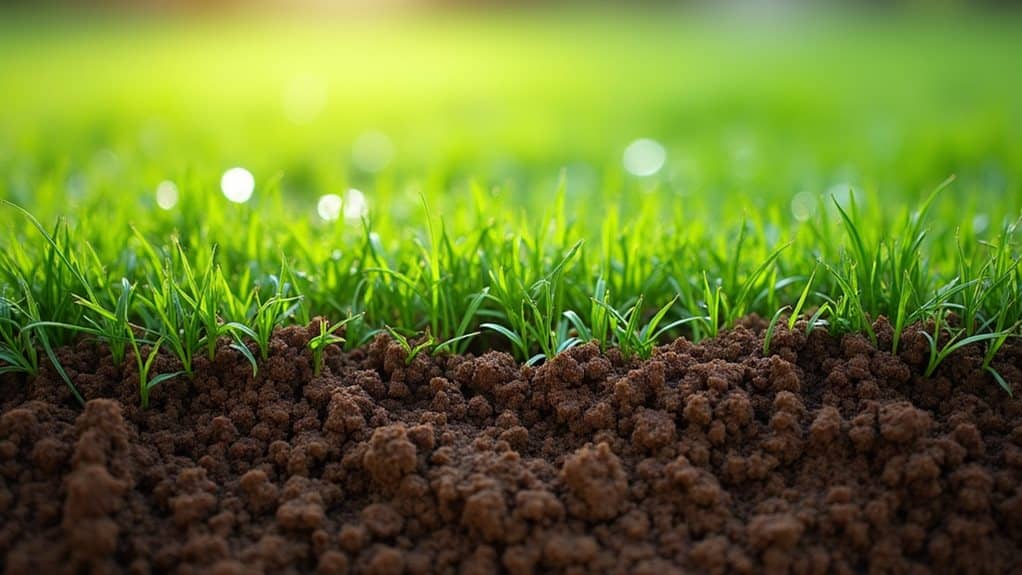
If your lawn feels oddly spongy, grass growth seems sluggish, or water pools instead of soaking in, thatchy trouble is brewing.
Trust me, your lawn’s not auditioning for a swamp scene! Regular maintenance, including proper inspection and servicing, can help prevent excessive thatch buildup and keep your lawn healthy.
Best Time to Dethatch Your Lawn
Now, let’s talk about when you should actually get out there and dethatch your lawn, because timing can make all the difference—kind of like packing the right snacks for a camping trip, you don’t want to get this wrong!
You’ll need to pay attention to both the season and your grass type, since cool-season grasses like Kentucky bluegrass prefer a late summer or early fall trim, while warm-season types like Bermuda grass want their makeover right after spring wakes them up.
If you’re in Wisconsin like me, you’ll want to aim for either September or late spring, so grab your calendar (and maybe a s’more) and mark those dates!
Ideal Seasonal Windows
While you might think dethatching your lawn is something you can do whenever you feel like it, timing actually makes all the difference—kind of like picking the perfect moment to toast marshmallows over a campfire (seriously, nobody wants a charred mess).
For cool-season grasses, the prime seasonal windows are early fall and late spring, when the grass is actively growing and ready for quick recovery.
Grass Type Considerations
Just like you wouldn’t pack for a camping trip without checking the weather, you shouldn’t dethatch your lawn without considering the type of grass you have.
Warm-season grasses need dethatching when nights are warm and growth starts—think of it as their “wake-up call.”
Cool-season grasses, like bluegrass, prefer fall dethatching, since that’s when they’re most energetic.
Always match your dethatching timing to your grass type’s needs!
When to Dethatch Cool-Season vs. Warm-Season Grasses
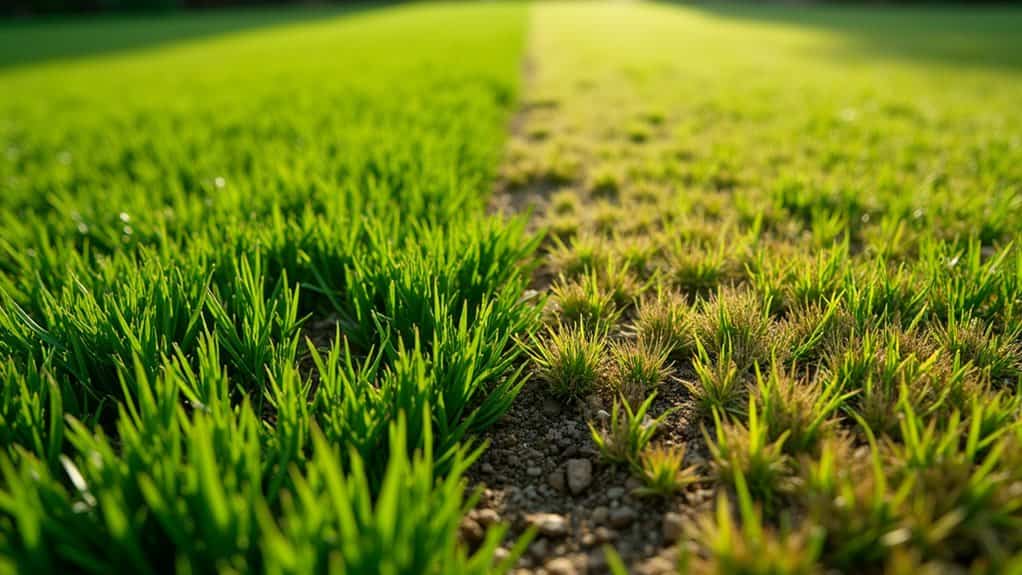
So, if you’ve ever wondered why your neighbor’s lawn looks like a green carpet while yours feels like a crunchy doormat, it might all come down to when you dethatch and how you pay attention to your local weather, just like checking the forecast before a big camping trip.
You’ll want to dethatch cool-season grasses—think bluegrass and fescue—when they’re in their “let’s grow!” phase in early fall or spring.
While warm-season grasses like Bermuda prefer a late spring or early summer spa day, right when nights are cozy and new growth kicks in.
Trust me, if you get the timing right for your region, your lawn will thank you with lush, picnic-ready grass—no tent stakes needed! Proper timing also helps prevent damage to the roots, which can occur if dethatching is done at the wrong time or when the grass is stressed.
Peak Growth Timing
Even though you might think you can just grab a dethatcher and start tearing up thatch whenever you feel like it, timing actually plays a huge role in getting that thick, green lawn you’ve been dreaming about—kind of like how you wouldn’t set up a tent in the middle of a thunderstorm (unless you really love soggy socks).
Dethatch during peak growth—cool-season grass in early fall or late spring, warm-season grass in late spring or early summer.
Regional Climate Considerations
One of the trickiest things about dethatching your lawn is that the “perfect” timing isn’t just about the calendar—it’s all about where you live and what kind of grass you’ve got growing under your toes.
If you’re working with cool-season grasses in a chilly region, aim for fall or spring.
Warmer climates and warm-season grasses? Wait until nights are consistently above 60°F—your grass will thank you!
How Weather and Climate Affect Dethatching Timing
Although dethatching your lawn might sound like a chore you could do whenever you’ve got a free afternoon, the truth is, the weather and climate in your area play a huge role in picking the perfect time.
You’ll want to aim for a timing when your lawn is growing fast—think spring or early fall—because weird weather, like heavy rain or dry spells, can really mess things up!
Additionally, choosing the right seeding time can help ensure your lawn recovers quickly and establishes strong roots after dethatching.
Grass Types Prone to Thatch Buildup

If you’ve ever wondered why some lawns seem to get thick, spongy layers of dead stuff while others stay neat and tidy, the answer might just come down to the kind of grass you’ve got. Kentucky bluegrass and other cool-season grasses, like creeping red fescue, really love to party and grow fast, which leads to thatch buildup—especially if you’re generous with fertilizer or mowing too high! Avoid early planting helps prevent seedlings from becoming weak and prone to disease, which can contribute to thatch accumulation.
How Often Should You Dethatch Your Lawn?
When you’re planning your next backyard camping expedition or just dreaming about epic lawn games with friends, you mightn’t realize that dethatching has a big role in keeping your grass healthy and ready for action! Regular dethatching helps prevent thatch buildup, which can interfere with water penetration and root growth. Most lawns need dethatching every 2 to 3 years, unless thatch buildup gets wild—over 1 inch thick. Keep an eye on your lawn condition, especially if it feels spongy or sad!
Essential Tools for Dethatching
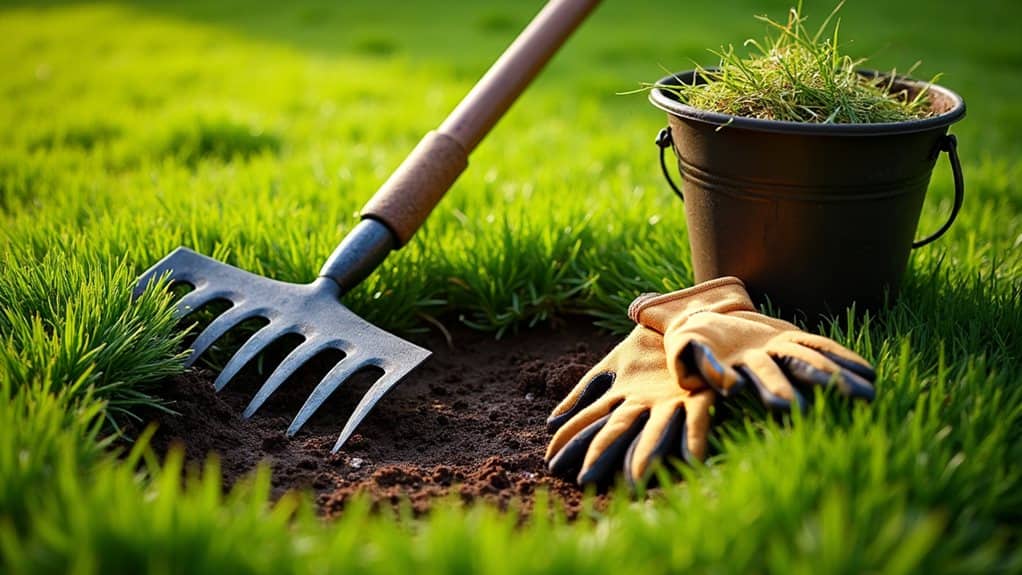
Let’s talk tools, because every backyard explorer needs the right gear—whether you’re building a tent city or conquering a wild patch of thatch! Grab a dethatching rake for small, stubborn spots; you’ll get a mini workout, too.
Have a bigger mission? Rent a power dethatcher or verticutter—these machines tackle thick thatch fast. Trust me, you’ll feel like a lawn care superhero!
For best results, consider selecting tools that are pollinator-friendly and designed to minimize soil disturbance.
How to Dethatch Your Lawn (Step-by-Step)
Although dethatching your lawn might sound like a chore reserved for professional scenery designers, you’ll be surprised at just how doable—and oddly satisfying—it is, especially if you follow some simple steps.
First, mow your lawn extra short to expose thatch buildup.
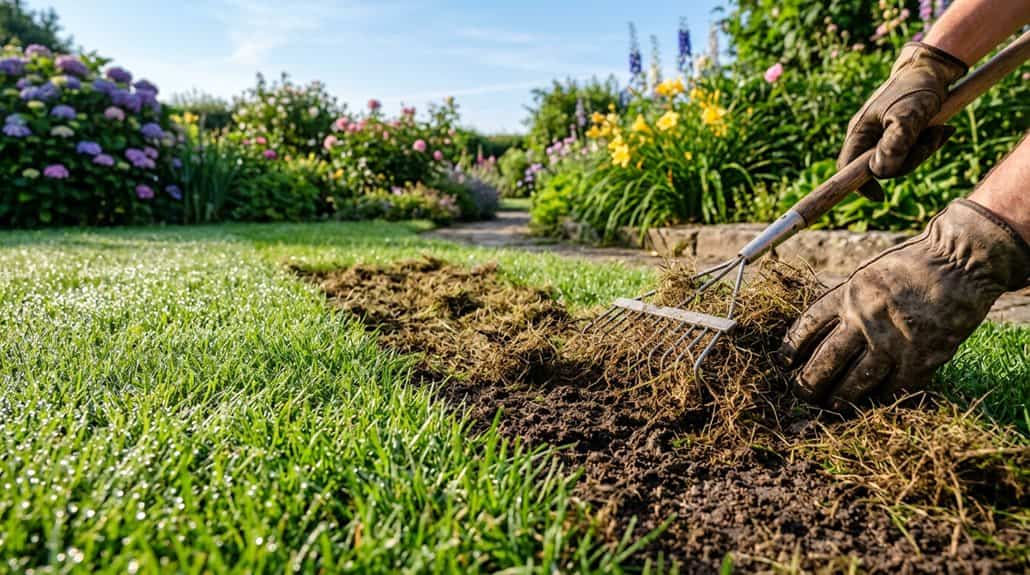
Then, grab a dethatching rake (or rent a machine for bigger jobs) and gently work through the lawn.
Remove debris, and voilà—your lawn care routine just got an upgrade! Being mindful of moisture-related trips can help prevent issues like mold or disease after dethatching.
Post-Dethatching Lawn Care Tips
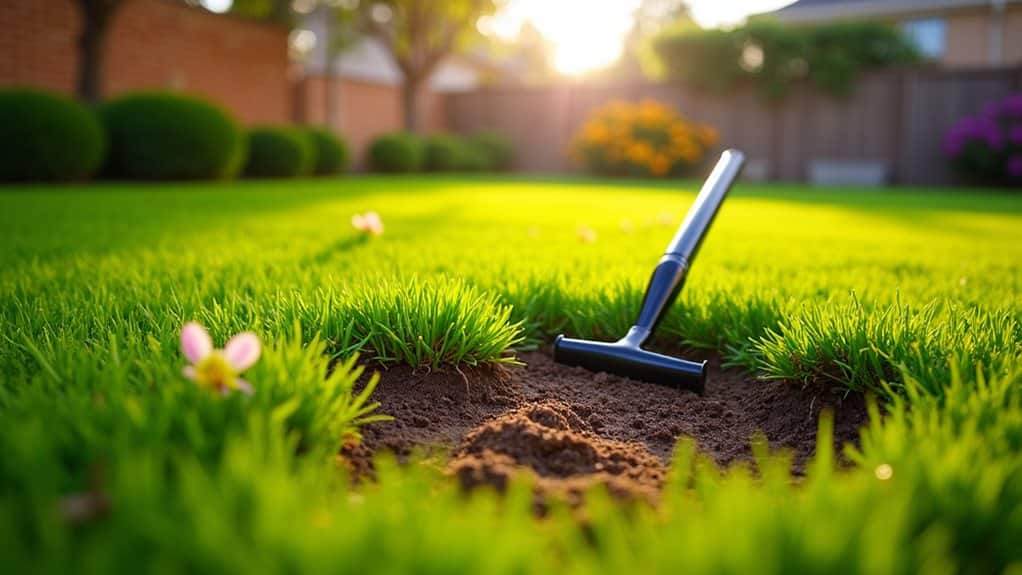
You’ve just finished dethatching, and wow, doesn’t your lawn look a bit like it had a wild haircut? Now’s the moment to sweep up all that mess, water deeply, and spread some quality grass seed on any bare patches—think of it as giving your yard a mini-makeover!
Don’t forget to toss on some balanced fertilizer and consider a soil test to guarantee strong, healthy growth.
Common Dethatching Mistakes to Avoid
Even if you’re super pumped to give your lawn a fresh look, it’s surprisingly easy to make a few classic dethatching mistakes that can throw your yard’s vibe way off—kind of like packing for a camping trip and forgetting your tent!
Watch your timing—never dethatch during dormancy or crazy heat. Don’t go wild using manual tools on thick thatch, and always consider your grass type and soil moisture for best results.
Overall
So, now you know when and how to dethatch your lawn—easy, right? If you time it right, your grass becomes thick, green, and perfect for backyard campouts or epic water balloon fights. Don’t just wait for your lawn to look like a wild jungle before you act! Grab those tools, follow the steps, and soon you’ll have the coolest grass in the neighborhood—trust me, your toes will thank you next time you’re outside stargazing!