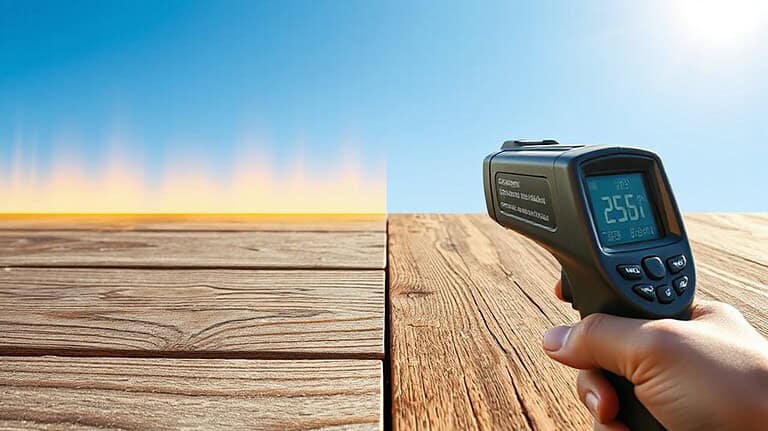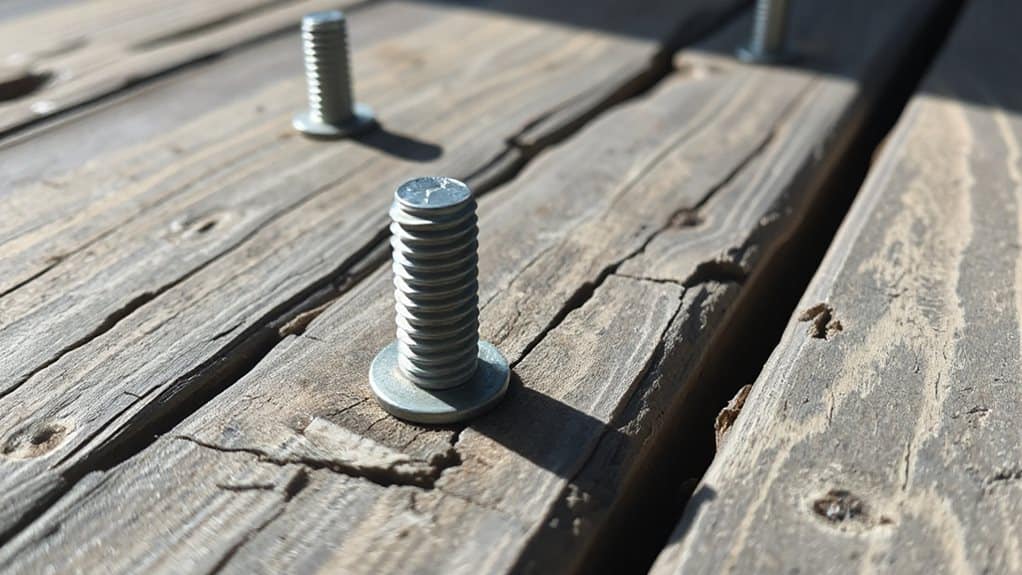
Why Deck Screws Keep Backing Out Over Time
So, your deck screws keep playing hide-and-seek? Blame sneaky wood shrinkage—when boards dry out or chill in winter, they pull away and loosen their grip, especially if you used short or wrong screws. Face-fastened screws hate this! And seriously, tropical hardwoods or composites without pre-drilling? That’s like hiking in flip-flops—ouch. Corrosion, over-tightening, or skipping proper depth? All fast tracks to wobble town. But hey, there’s a smarter way to build—want to know the pro secrets?
TLDR
- Wood shrinkage from drying or seasonal changes reduces screw grip, causing face-fastened boards to loosen over time.
- Using incorrect screws for composite, PVC, or hardwood decking leads to damage and fastener backing out.
- Screws shorter than 3 inches for 5/4 decking lack sufficient joist penetration, increasing pull-out risk.
- Improper installation, like over-driving or skipping pre-drilling, weakens hold and damages dense or composite boards.
- Corrosion from moisture, salt, or treated wood degrades fasteners, especially when using non-stainless or low-grade screws.
How Wood Shrinkage Weakens Screw Hold
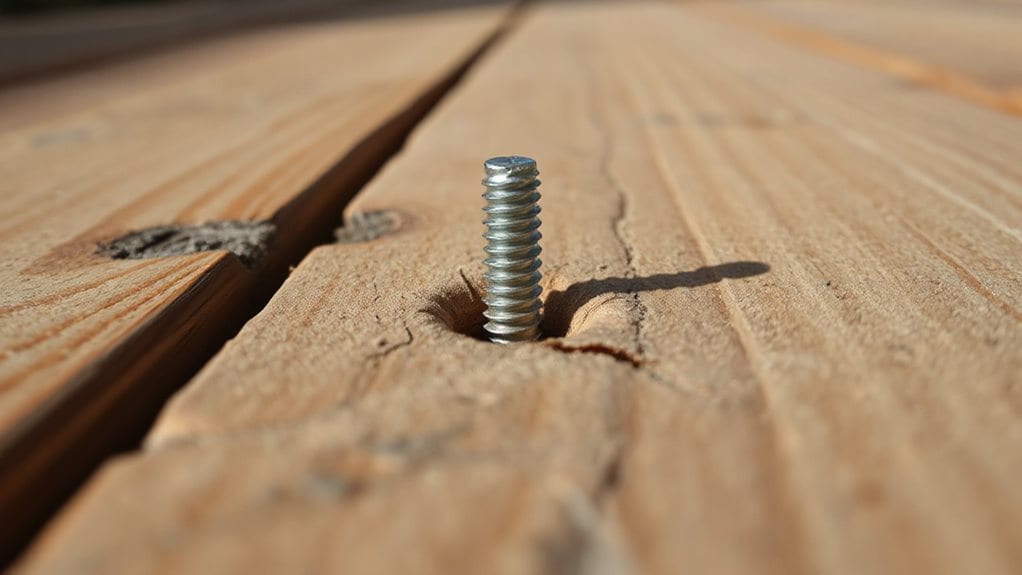
So here’s the thing—while you’re out there grilling burgers or stargazing on your deck, your screws might be staging a slow-motion escape act, and it’s all thanks to something as natural as a good campfire: wood shrinking as it dries.
Yep, as your deck boards lose moisture, they shrink unevenly, loosening screws like wiggly teeth.
That snug grip? Gone.
And if your screws weren’t long enough to begin with—say, less than 3 inches for 5/4 decking—they’ll back out faster than a tent zipper in a thunderstorm.
This issue is especially common with face screws, which anchor through the top of the board and can lose hold as the wood moves and contracts over time.
A common preventive measure is to use properly sized screws and follow manufacturer guidelines for spacing and fastening to reduce loosening over time.
The Impact of Incorrect Fastener Choice
You wouldn’t use a tent stake to anchor a hammock, so why use the wrong screws on your deck? Picking the wrong screw type, skimping on length, or ignoring material needs is like packing for a camping trip with flip-flops—sure, you’ll start out fine, but sooner or later, things go sideways, especially when your deck boards swell, shrink, or throw a mini rebellion in the rain.
Let’s get real: using exterior-grade ceramic-coated screws that actually bite deep and match your decking—whether it’s slippery composite or tough tropical hardwood—keeps your deck solid, so you can grill, chill, or stargaze without a single wobble. Proper drainage and choosing the right fastener length also prevent movement by reducing moisture-related pressure and material shifting, which is why addressing proper drainage behind decking and nearby retaining structures matters.
Wrong Screw Type
Imagine this: you’re hosting a backyard barbecue, music’s playing, burgers are sizzling, and suddenly—*pop*—a deck board lifts under your friend’s sneaker like it’s trying to escape. Yikes! Using the wrong screw type? Big oops.
Composite? Use special screws, or it’ll mushroom like a science experiment gone wild. PVC? Needs its own screws too. Tropical hardwood? Super strong ones only.
Mismatched screws damage boards, loosen fast, and ruin your deck’s vibe—plus, nobody wants a surprise gap mid-party!
Inadequate Screw Length
Grab your tool belt and let’s plunge into a sneaky deck destroyer you mightn’t see coming—using screws that are just plain too short.
If your screws don’t bite at least an inch into the joist, they’ll wiggle free, especially under jumping kids or late-night BBQ dances.
Think of it like a tent stake in sand—no grip, no stay!
Use 3-inch screws for standard boards, and trust me, your future camping buddies will thank you when the deck doesn’t squeak like a haunted cabin.
Poor Fastener Material
Let’s nail down—well, actually, let’s *screw* down—the real problem when your deck starts throwing a tantrum and spits out fasteners like bad campfire coffee: choosing the wrong kind of screw is like bringing a plastic spoon to a s’more-building contest—fun at first, but a total disaster when the heat’s on.
You wouldn’t use regular nails for tropical hardwood, right? They’re too thin, rust easily, and can’t handle wood’s seasonal dance.
And older decks? Many skipped structural-grade hardware entirely—no wonder they’re wobbling! Pick stainless steel or coated screws built for your deck’s material, and trust me, your future self (and your wobbly grill setup) will thank you when everything stays put, even during the wildest backyard dance-offs.
Proper Screw Length and Installation Techniques
You wouldn’t trust a wobbly tent stake on a windy campout, so why risk flimsy screws on your deck? Get this: use 3-inch screws for 5/4 decking and 3½-inch ones for 2x framing—seriously, that 2.5x material thickness rule is a transformative insight when wood dries and shrinks like a shirt in hot water.
Drive ‘em straight, flush, and snug (no proud heads like confused mushrooms), and trust me, your future self—grilling or stargazing—will thank you when everything stays put. Properly pre-drilling and accounting for wood movement helps prevent fastener-related splitting as boards dry and season.
Correct Screw Length
Envision this: you’re hosting a backyard barbecue, music’s playing, and suddenly someone steps on a loose deck board that flips up like a trapdoor—yikes!
Don’t let that happen! Use screws long enough to go through the board and sink at least an inch into the joist—think 2.5 to 3 inches, depending on thickness.
Longer screws grip better, so skip the short ones—they’re like weak tent stakes in a storm!
Flush Installation Tips
Now that you’ve nailed the right screw length—because nobody wants a surprise splinter jungle gym when they’re just trying to enjoy a sunset cookout—it’s time to make those screws sit just right.
Drive them flush, not sunk too deep, so water doesn’t pool and ruin your creation. Use a depth collar, tap plugs flush, and align everything neatly—your future self, sipping lemonade on that deck, will totally thank you.
Challenges With Composite and Hardwood Materials
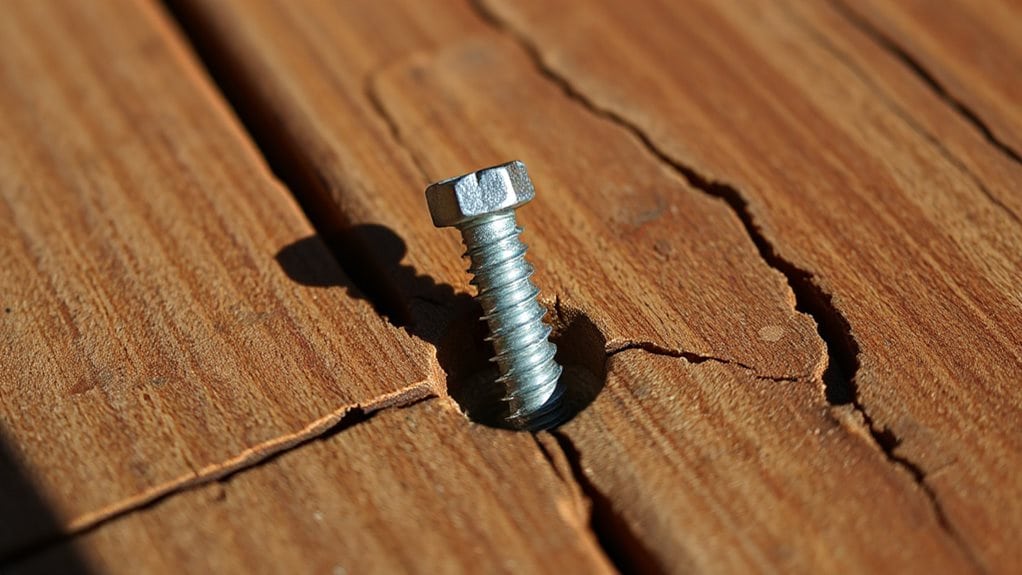
Even though you’re probably jazzed about getting your new deck built and picturing yourself out there grilling under the stars or sipping cocoa after a long hike, you’ll want to slow down just a tick when working with composite or hardwood materials—because these tough boards don’t play nice with regular screwing techniques.
They’re dense, they shift with temperature, and if you skip predrilling or use the wrong screws, you’ll end up with popped fasteners and a deck that looks like it gave up on life. Protecting fasteners from thermal movement can help reduce backing out over time.
Corrosion and Metal Degradation in Deck Fasteners
You picked out those slick composite boards or rich hardwood planks, predrilled every hole like a deck-building ninja, and now your frame’s looking solid—congrats, that’s half the battle!
But hey, if your screws start rusting or weakening, blame corrosion from salt air, moisture, or treated wood’s copper kick. Use goldcoat or stainless screws, avoid over-treated lumber, and boom—your deck stays sturdy for epic backyard hangs! Galvanized fasteners can deteriorate when exposed to certain conditions, so consider using stainless steel for long-term corrosion resistance.
Structural Failures Leading to Screw Loosening
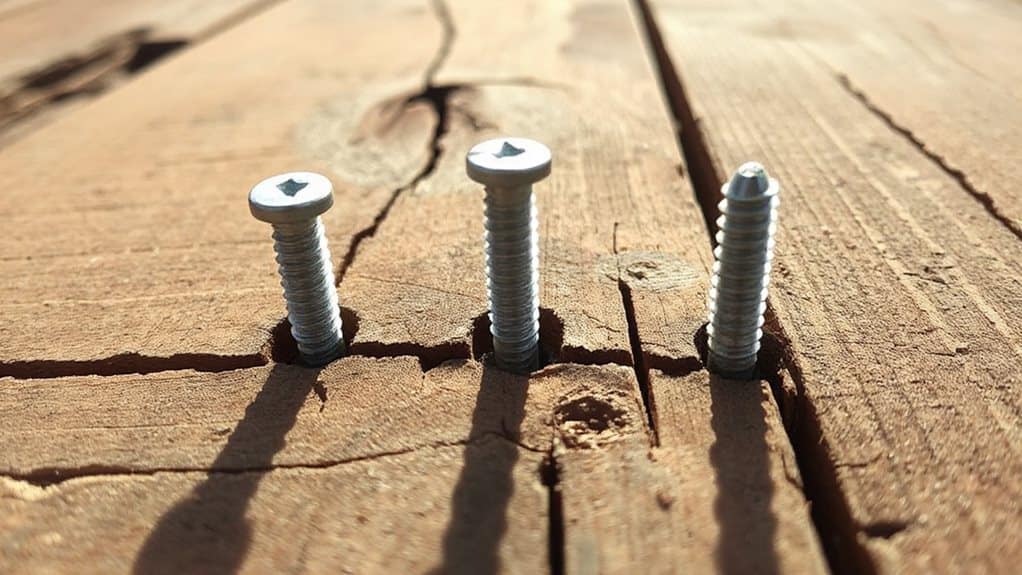
While your deck might look like it’s holding strong, hidden structural hiccups could be quietly sabotaging those screws—one wobble at a time.
Are you using nails instead of bolts? Did you skip pilot holes and crack the wood? Over-tighten and strip a head? Yikes! Those shortcuts turn into shaky railings and wobbly joists, especially when friends pile on for a summer BBQ or your camping crew gathers ‘round the fire.
Overall
So, now you know why deck screws wiggle loose—wood shrinks, screws corrode, and picking the wrong kind is like bringing a spoon to a campfire cook-off! Always use the right length, drive them in snug (not gorilla-mode!), and pick composites or stainless steel when needed. I learned the hard way during a camping trip when my DIY platform wobbled like jelly. Don’t be that guy—build it right, and your deck’ll stay solid, safe, and ready for s’mores!