
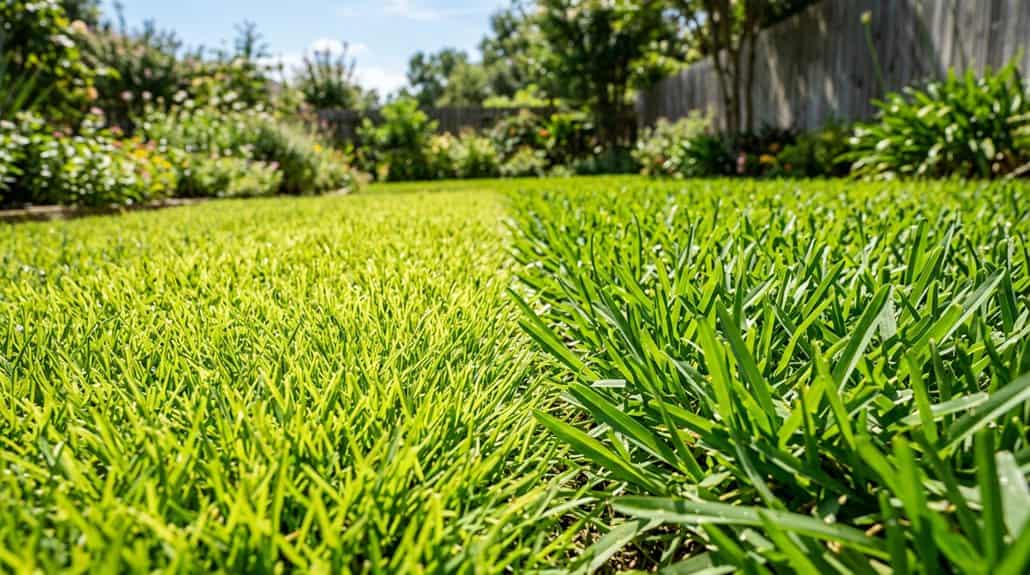
St. Augustine vs Zoysia Grass: Which Is Right for You?
If you want a lawn that feels like a barefoot vacation spot, go for St. Augustine—its wide, lush blades bring the beach to your doorstep, but get ready to water a lot and battle pests! If you’d rather spend your weekends exploring Texas or camping instead of mowing, Zoysia is tougher, survives drought, and shrugs off cold weather with a carpet-like look that bounces back fast. Still not sure? Stick around—you might find out exactly what your yard’s been craving.
TLDR
- Zoysia offers superior drought and cold tolerance, making it ideal for variable Texas climates.
- St. Augustine delivers a lush, tropical look but requires more water, fertilizer, and pest management.
- Zoysia needs less maintenance, with lower mowing and fewer fertilization sessions than St. Augustine.
- St. Augustine performs better in partial shade, while Zoysia thrives in full sun but struggles in deep shade.
- Zoysia has stronger pest and disease resistance, reducing long-term maintenance challenges compared to St. Augustine.
St. Augustine vs. Zoysia: How Do They Look?
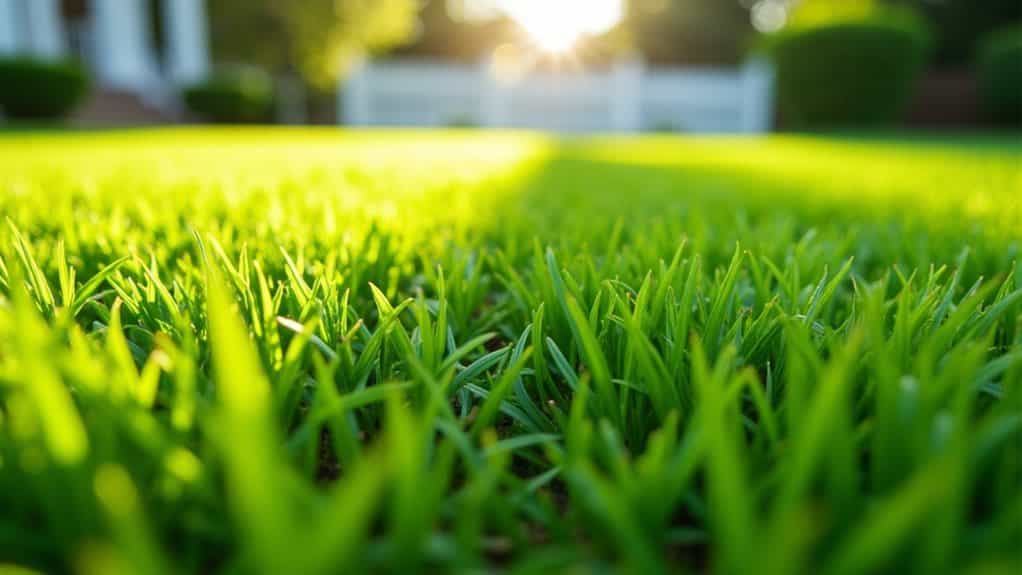
If you’ve ever walked barefoot across two different lawns and thought, “Wait, why does this grass feel so different?”, you’re not alone—St. Augustine shows off with broad, lush blades and a bold, tropical color, making your toes feel like they’re on vacation. Zoysia, by contrast, has a soft, carpet-like texture and a more subtle color, giving your lawn a refined, uniform visual appeal. Incorporating drought-tolerant varieties can also influence your choice based on your regional climate and maintenance preferences.
Which Grass Handles Texas Heat and Cold Best?
Whenever Texas weather decides to pull one of its wild mood swings—scorching hot one week, shivering cold the next—you want a lawn that doesn’t throw in the towel.
If you’re serving your family or guests, Zoysia’s cold tolerance and heat resistance really shine in the Texas climate. It goes dormant, then bounces back like a camping pro.
St. Augustine, though, struggles with cold, so winter care is a must.
How Much Sun or Shade Does Each Grass Need?

Even though picking a grass type mightn’t feel as thrilling as planning your next camping trip, getting the sun and shade balance right can seriously make or break your lawn’s vibe.
If your yard gets full sun, Zoysia’s adaptability and drought tolerance shine.
Need shade tolerance? St. Augustine’s sunlight requirements—just 4 to 6 hours—make it the hero for partial shade, but both struggle in deep shade.
Early planting risks can also impact lawn health by exposing new grass to frost and temperature extremes, which may stunt growth and increase disease susceptibility.
Maintenance Needs: Water, Mowing, and Fertilizer
While you might wish your lawn could just take care of itself while you’re out hiking or roasting marshmallows, the truth is both St. Augustine and Zoysia need attention.
Zoysia wins on drought tolerance and low maintenance—less watering, lower mowing height, and fewer fertilization sessions.
St. Augustine demands more care requirements: frequent watering, higher mowing, and more fertilizer, but it’s totally worth it for that lush look!
For optimal results, understanding soil test kits can help you determine the best fertilization and pH adjustments needed to keep your turf healthy and vibrant.
Pest and Disease Resistance: St. Augustine vs. Zoysia

If you’ve ever come back from a camping trip only to find your lawn looking like a bug buffet, you know just how important pest and disease resistance is when choosing your grass!
Zoysia’s got your back with stronger pest resistance, shrugging off chinch bugs and most fungal issues.
St. Augustine, though, needs more pest management, especially against brown patch, making lawn maintenance tougher if you’re serving others.
Additionally, selecting the right grass involves considering its disease resistance, which can significantly impact the overall health and appearance of your lawn.
How Quickly Will Each Grass Fill In?
If you’re the kind of person who wants to see your yard fill in as fast as your tent pops up on a camping trip, you’ll probably be wowed by how quickly St. Augustine takes over, racing across the lawn with its speedy stolons and covering bare spots in just a couple of months—honestly, it’s like watching grass run a sprint!
On the flip side, Zoysia is more of a slow hiker, taking its sweet time and usually patching things together over six months to a year, so you’ll need a little patience (and maybe a few snacks) while it works its magic.
Additionally, proper soil conditions and proper installation techniques can significantly influence how quickly each grass establishes and spreads.
Let’s check out exactly how each grass spreads and what you can expect as your lawn transforms, especially if you’re dreaming of perfect campfire picnics on a lush, green carpet!
Establishment Speed Compared
Honestly, if you’re the type who wants to see green grass spring up almost as fast as you can pitch a tent for a weekend camping trip, St. Augustine’s rapid growth and quick establishment speed will make you a happy camper!
Zoysia, on the other hand, takes its sweet time—think the “slow establishment” champion, with a grass growth rate that stretches out the duration to a year. Patience, anyone?
Spreading Methods Overview
While you might envision grass growing as a slow-motion nature documentary, the truth is that St. Augustine’s stolons work like speedy little adventurers, rapidly enhancing your coverage rate and making lawn establishment a breeze.
Zoysia, on the other hand, takes its sweet time, using both rhizomes and stolons, focusing on turf density and a steady growth habit, which means you’ll need a bit more patience.
Coverage Timeline Differences
Ever wonder just how fast your lawn can go from a patchy collection of dirt to the kind of thick, green paradise you’d want to camp out on? If you’re aiming for quick coverage and speedy establishment, St. Augustine’s your go-to—it fills in fast, covering patchy areas in weeks.
Zoysia, with its slow growth, takes longer, leaving you waiting months for full coverage, but it’s worth it if you’re patient!
Which Grass Stands Up to Foot Traffic?
If you’ve ever raced your friends across the backyard or thrown down a blanket for a camping-style hangout, you know that some grass just can’t keep up with all that action! When it comes to wear tolerance and lawn resilience, Zoysia is your MVP for high traffic areas. Its durability against foot traffic is awesome, while St. Augustine sometimes cries “uncle” and develops bald spots! Additionally, Zoysia’s ability to recover quickly from damage helps it stand up better to high traffic stress, making it a reliable choice for active yards.
Can You Mix St. Augustine and Zoysia in One Lawn?

Although mashing up different kinds of grass might sound like a cool experiment—kind of like mixing marshmallows and chocolate chips into your campfire s’mores—the reality isn’t always as tasty when it comes to lawns!
St. Augustine and Zoysia have different growth habits, so lawn mixing usually leads to a patchy appearance and tricky maintenance.
For a uniform lawn that’s easier to care for, stick with just one type! Ensuring proper sealing and leak prevention in your sprinkler system can help maintain consistent watering and lawn health.
Choosing the Right Grass for Your North Texas Yard
Trying to figure out the best grass for your North Texas yard can feel a bit like choosing the right sleeping bag for a camping trip—you want something that fits your spot perfectly, keeps you comfy, and doesn’t turn your expedition into a disaster!
If you’ve got lots of shade, St. Augustine’s your buddy.
Need drought tolerance and low lawn maintenance? Zoysia’s the grass selection that’ll lighten your load!
Understanding soil pH in your area can also help ensure your chosen grass thrives, as different grasses have specific pH preferences for optimal growth.
Overall
So, which grass is your perfect match—St. Augustine or Zoysia? Honestly, it depends on your yard’s sunlight, how much mowing you want to do, and whether you’re ready to battle bugs or just want to chill in the hammock. I once tried mixing them and, trust me, it was like a turf war! Just pick what fits your lifestyle best, grab your camping chair, and get ready to enjoy your lush, green Texas lawn all year long.


