Why Do Extension Cords Get Warm? Safety Explained
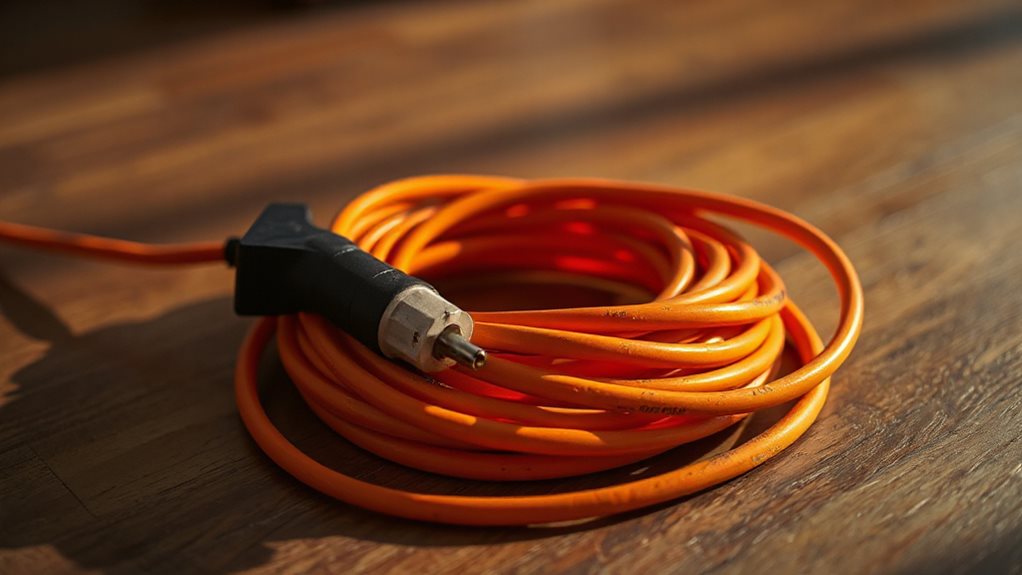
You feel a warm cord because the electricity flowing through its thin wire meets resistance, and according to Joule’s law the power turned into heat is I²R, so even a modest load can make a long, coiled cord act like a tiny heater, especially when the gauge is low or the cord is tucked under a rug; the longer and thinner the wire, the more resistance and the hotter it gets, and if you overload it, the insulation can melt, sparks may appear, and a fire could start—so keep cords fully uncoiled, use the right gauge for your device, and avoid daisy‑chaining, then you’ll uncover even more safety tips.
TLDR
- Heat is generated by Joule’s law (I²R); higher current or longer, thinner wires increase resistance and temperature.
- Coiled or bundled cords trap airflow, preventing heat dissipation and causing the cord to feel warm.
- Overloading a cord beyond its rated amperage makes the conductors heat up, potentially melting insulation and creating fire hazards.
- Using undersized gauge or excessive length for a given load raises resistance, so even modest loads can cause noticeable warmth.
- Warm plugs, discoloration, frayed insulation, or buzzing indicate danger; replace damaged cords and keep them fully extended, dry, and properly rated.
Why Do Extension Cords Get Hot? The Simple Physics
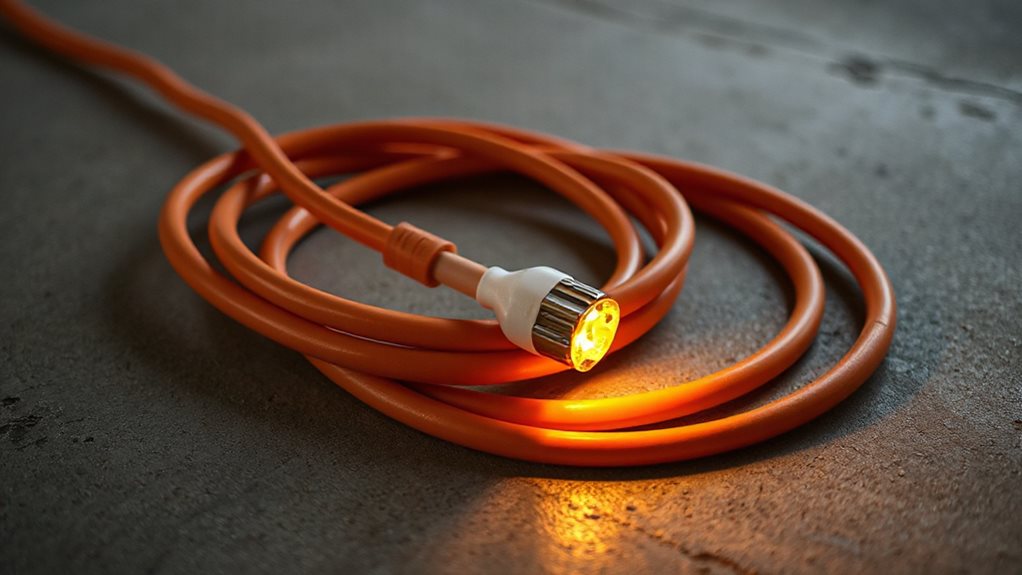
Ever wonder why your extension cord feels like a mini‑heater after a day of camping? You’re seeing Joule’s law in action: heat = I² × R × t, so the current’s square dominates. Thin, long wires raise resistance, and any kink or corroded plug adds hotspots. When you coil it, airflow stalls, trapping that heat. Heat loss is proportional to the square of the current, making even modest increases in load cause noticeable warming. Choose a properly rated cord and gauge to prevent overheating and reduce fire risk, especially for high-current appliances. Keep it straight, choose proper gauge, and you’ll stay cool while helping friends power their gear.
Extension Cord Safety: What Happens When You Overload?
When you plug a bunch of gadgets into a single cord and the total amperage tops the cord’s rating, the wires start heating up like a campfire that’s gotten a little out of control, and you’ll feel the warmth spreading along the length.
Have you ever noticed the plug getting hot or the outlet flickering when you turn on a space heater? Stop using that cord right away, unplug the extra devices, and switch to a higher‑amp, thicker‑gauge cord—otherwise you’re just inviting a fire hazard to your campsite. Be especially careful with space heaters, which can draw around 12.5 amps at 1500 watts on a 120‑volt circuit.
Current Exceeds Cord Capacity
If you’ve ever tried to power a space heater, a microwave, and a TV all from a single cheap extension cord while camping, you’ve probably felt the cord get a little hot, and that’s a big red flag. When the wattage of your gear tops the cord’s rating, the current forces the thin wires to overheat, melting insulation, sparking shorts, and potentially igniting a fire—so check tags, match capacity, and never push beyond the limit.
Heat Generates From Overload
Why does an extension cord suddenly feel like a mini‑heater when you’re trying to power a space heater, a microwave, and a TV all at once? You’re pulling more amps than the wire can safely carry, so resistance spikes, heat builds, and the jacket warms up fast. Think of it like a crowded campsite stove—too many cooks, not enough airflow, and the whole thing sizzles. Check the load, use a thicker cord, and keep it unplugged when you’re done.
Extension Cord Safety: How Gauge and Length Influence Heat
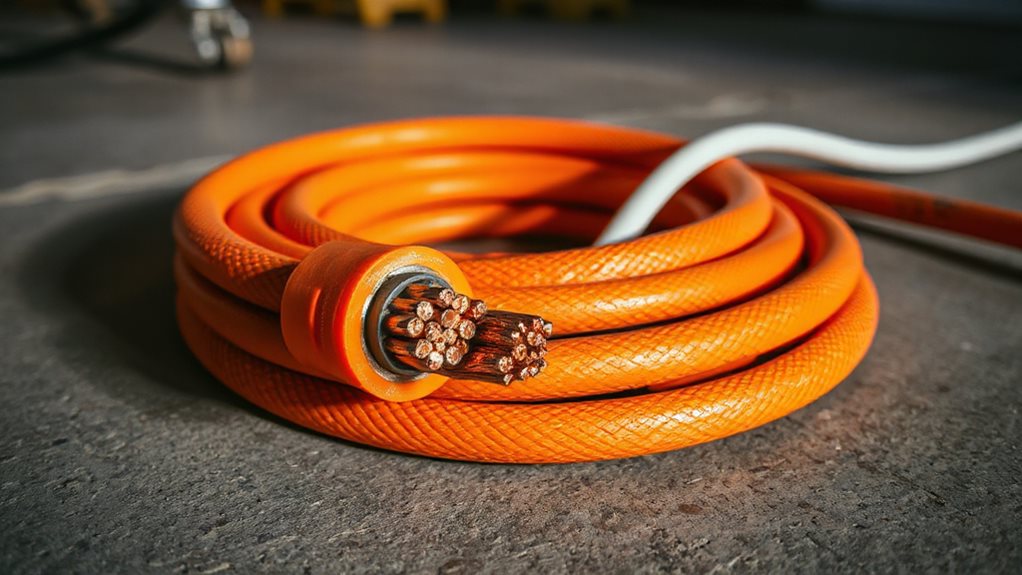
You’ll notice that a thicker‑gauge cord can carry more amps, so when you’re powering a space heater on a campsite you’ll want at least a 12‑ or 14‑gauge line to keep the heat down; have you stretch a 50‑foot cord, the extra resistance turns some of that power into warmth, which is why longer runs need an even heavier gauge.
Does it ever feel like you’re playing a game of “choose the right wire” when you’re setting up a grill or a speaker system, and the answer is yes—matching the amp rating to the appliance’s wattage is the secret sauce to avoid a sizzling disaster.
Water exposure invites rot and weakens support, so keep connections dry and inspect cables regularly to prevent moisture-related damage.
Gauge Determines Current Capacity
Ever wonder why a thin extension cord can feel like a tiny oven after a day of powering a grill and a speaker set on a camping trip? You’ll see that lower AWG numbers mean thicker wire, so a 12‑AWG cord can safely carry 15‑20 A, while an 18‑AWG handles only 5‑7 A. Match the cord’s amp rating to your device, or you’ll overheat it and ruin the fun.
Longer Length Increases Resistance
Ever notice how a 30‑foot extension cord feels like a mini‑heater after you’ve plugged in a grill and a portable speaker at the campsite?
The longer the wire, the more resistance it adds, turning electrical energy into heat, so your devices get less power and the cord warms up.
Use the shortest length you can, and pick a thicker gauge if you need that extra reach—your friends will thank you for safe, cool camping vibes.
Balance Load With Proper Sizing
So, why does a 30‑foot cord sometimes feel like it’s trying to start a campfire? You’ll keep overheating heat when you match gauge to load—18 AWG for tiny chargers, 14 AWG for power tools, 12 AWG for compressors. Longer runs need thicker wire because resistance climbs, so pick a higher gauge if you’re unsure. A warm cord signals undersizing, and that’s a fire‑hazard you don’t want on your campsite.
Identify Damaged Cords: Visual Cues and Warm Plugs
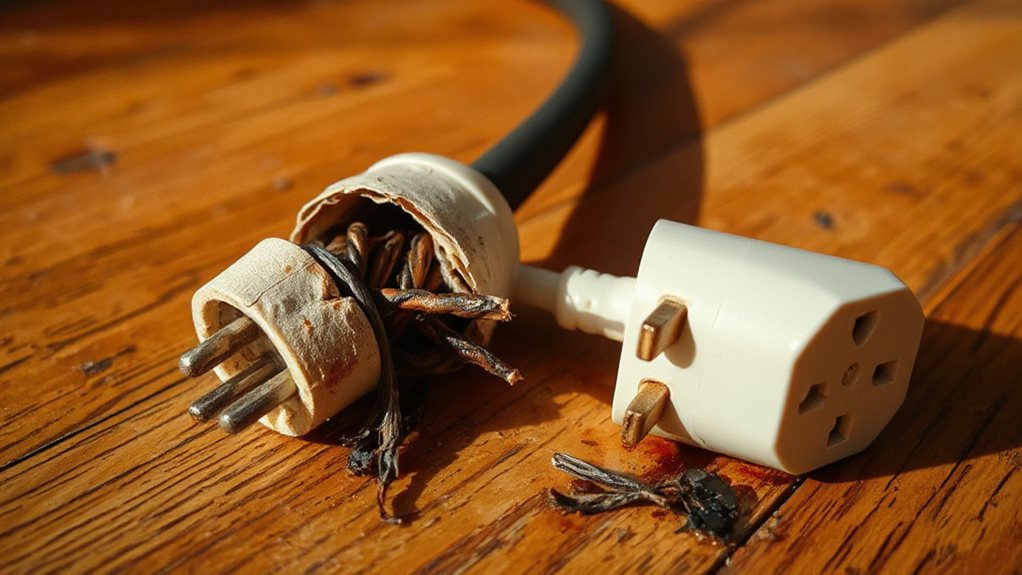
When you’re setting up camp and your extension cord starts to feel like a mini‑heater, that warm plug is a red flag you can’t ignore—think of it as the cord’s way of shouting “I’m in trouble!” before it actually burns down your campsite.
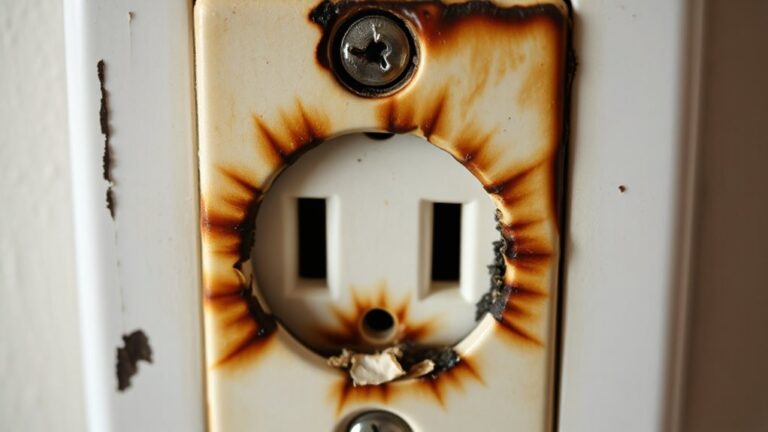
Look for frayed ends, cuts, discoloration, melted spots, exposed wires, loose plugs, or sparks; any of those signs mean you must replace the cord immediately to keep everyone safe.
Buzzing or humming from cords or outlets can signal dangerous electrical arcing and shouldn’t be ignored.
Extension Cord Safety: Heat‑Accelerating Environments to Avoid
Why does a sunny campsite feel like a sauna for your extension cord? You’ll see heat‑accelerating spots everywhere: direct sunlight melts insulation, rugs trap warmth, and coiled cords act like tiny ovens, so keep them unrolled.
Avoid cramped closets, behind appliances, or under mats—airflow matters! Remember, a cool, open cord protects your friends’ gear and prevents nasty fire surprises. Summer sun can dramatically increase heat buildup in cords, especially when combined with coiled cords and heavy loads.
Extension Cord Safety: Why Heaters and Hair Dryers Are Risky
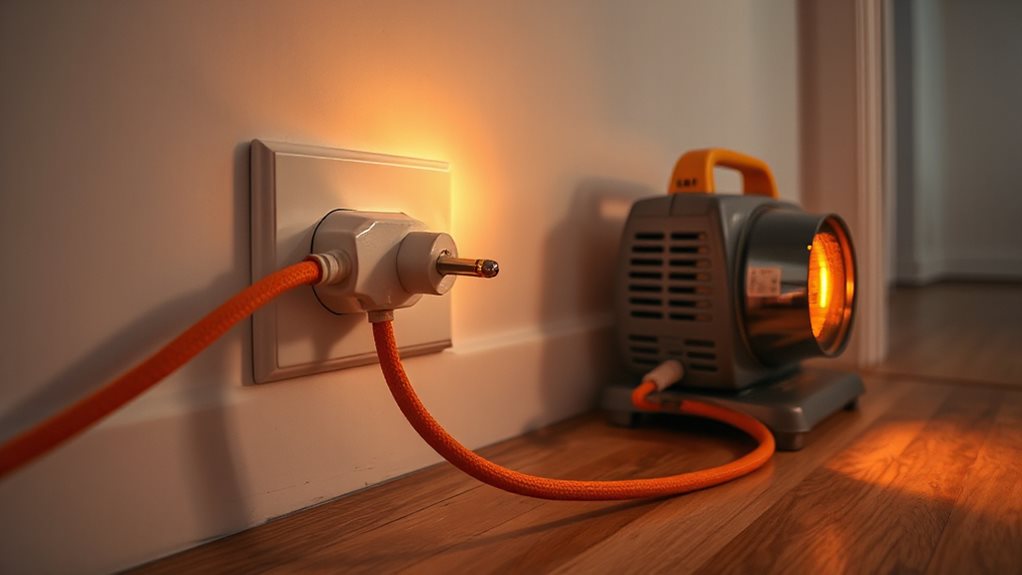
Ever wondered why plugging a space heater or a hair dryer into a regular extension cord feels like inviting a tiny furnace into your campsite? You’re drawing 1,800 watts—right at a 14‑gauge cord’s limit—while a heater needs 7 amps, far beyond what a typical cord can handle, so the wire overheats, sparks, and can ignite.
Use a heavy‑duty, UL‑approved cord, or better yet, plug directly into the wall, and you’ll keep the campfire vibe safe, not fiery.
Extension Cord Safety: Risks of Daisy‑Chaining Cords
Ever wondered why a simple string of extension cords can turn a cozy campsite into a potential fire‑starter? When you daisy‑chain, the first cord bears every amp, overheating as resistance builds, melting insulation, and sparking nearby cardboard or dust.
Connections loosen, exposing live prongs, and you risk shocking yourself or starting a blaze. Remember, OSHA bans this, so keep cords short, single‑rated, and never let them become permanent wiring.
Select UL‑Rated Cords and Position Them Safely
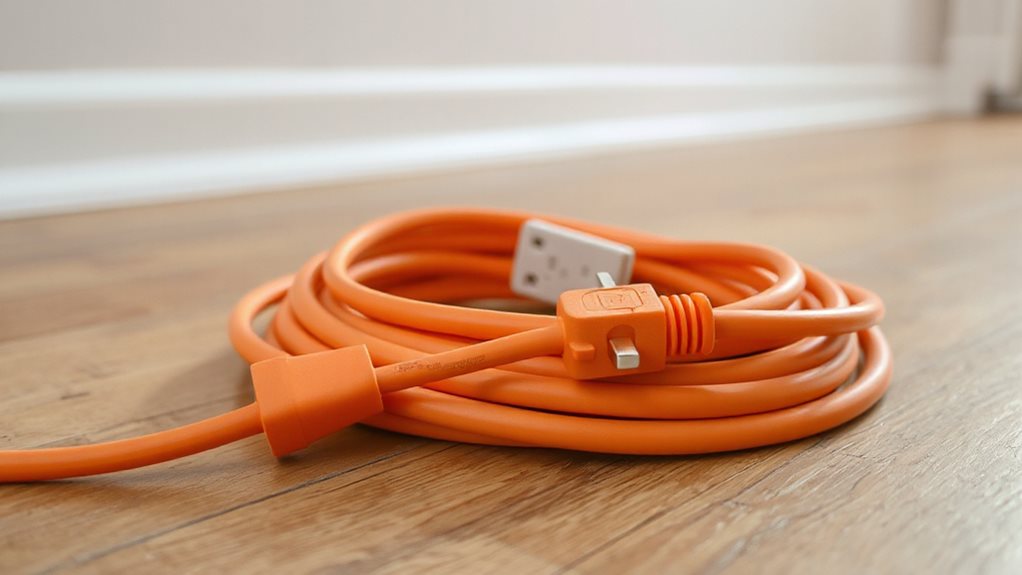
Ever wondered how picking the right UL‑rated cord can keep your campsite lights shining without turning the tent into a fireworks show? Choose a cord with a UL 2438 “W” tag for outdoors, match its gauge to your load—16 AWG for lights, 12 AWG for power tools—and keep it visible, away from walls, fences, or abrasive posts, so heat escapes and everyone stays safe.
Run This Quick Safety Checklist to Keep Cords Cool
Picking the right UL‑rated cord is only half the battle; now it’s time to put that cord through a quick safety checklist so it stays cool and you don’t end up with a sizzling campsite surprise. First, inspect for frayed wires or cracked plugs, then verify the total wattage stays below the cord’s rating, avoid daisy‑chaining, uncoil it fully for airflow, keep it away from rugs or walls, store it loosely when not in use, and always plug into a GFCI outlet outdoors.
Overall
So there you have it—extension cords get warm because electricity meets resistance, especially when you push them past their limits, use thin gauge, or run them in hot spots. Keep them short, thick, and UL‑rated, and never daisy‑chain a bunch of cords like a tangled Christmas light show. If a plug feels to, pull it out and replace it before it fries. With these simple habits, you’ll stay powered up and safe, whether you’re camping, traveling, or just charging your phone.