Why a Gas Grill Won’t Stay Lit in Windy Conditions
Wind’s sneaky, huh? It slams into your burners, messes with gas flow, and blows flames out like birthday candles—annoying, right? Side winds? Sometimes better. Rear vents? Often make it worse by funneling gusts right where they shouldn’t go. Flimsy windshields trap heat, increase flare-ups, and turn your grill into a mini volcano. Even ignition systems freak out, clicking like crazy. Keep vents clear, position smart, and use sturdy shields—your burgers (and sanity) will thank you. Stick around, and you’ll pick up some game-changing windproofing tricks.
TLDR
- Wind disrupts gas flow by pushing against burner ports, reducing pressure and causing flame instability or extinguishment.
- Sustained winds over 20 mph can blow out flames, especially in grills with open or poorly shielded burners.
- Rear exhaust openings act as wind tunnels, forcing gusts into the burner area and increasing flameouts.
- Wind interferes with ignition systems and match-light flames, leading to failed starts or flickering pilot flames.
- Enclosed burners and properly designed windshields with smart vents improve flame stability in windy conditions.
How Wind Disrupts Gas Flow to Burners
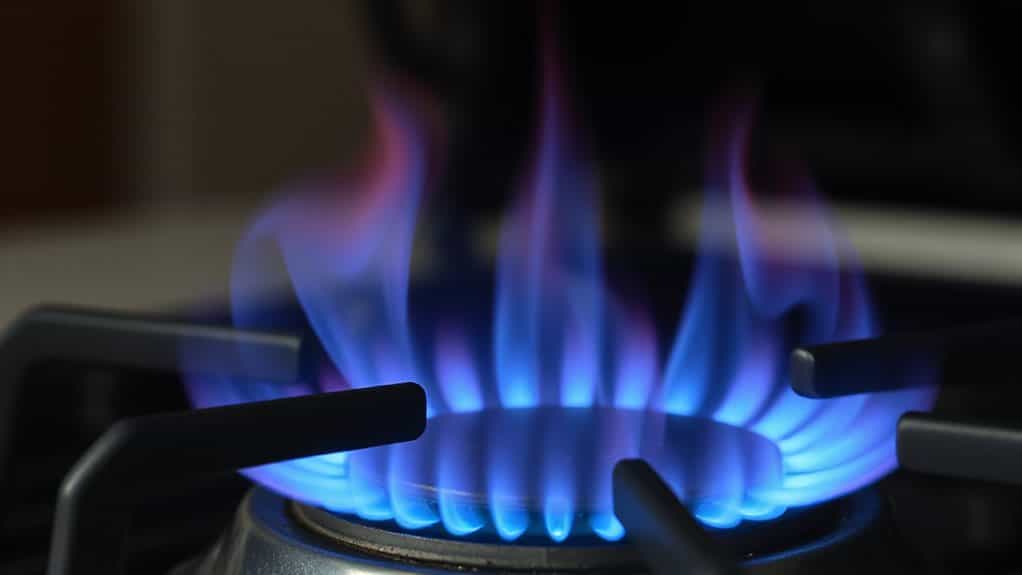
So, imagine this: you’re out camping, the stars are twinkling, the burgers are sizzling—well, *trying* to sizzle—and then *whoosh*, a gust of wind turns your grill into a sad, flickering candle instead of a roaring flame machine.
Wind messes with gas flow by pushing against the burner ports, right? It’s like trying to drink a smoothie through a straw in a hurricane—annoying! The airflow gets all wonky, gas pressure drops, and flames sputter. Make sure you also position the grill where fresh airflow can reach the burners to reduce incomplete combustion.
You’re not doing anything wrong—honest! Wind literally hijacks your fire. Shield your grill, buddy, or rotate it sideways to the wind. A little tweak saves dinner—and your camping cred!
Gas grills are more resistant than charcoal, but they still struggle when wind disrupts flame stability, especially if the design lacks protective features like enclosed burners.
The Role of Wind Direction in Flame Stability
You know how frustrating it’s when your grill flames bail just as you’re searing those campfire-steaks, right?
Wind sneaking up from behind or smacking the front can create sneaky backdrafts that blow out your burners like a birthday candle at a windy picnic.
A punctured or damaged propane tank can create additional hazards by releasing gas rapidly, increasing the chance that a nearby ignition source could cause a fire or gas leak.
Wind Direction Matters
When the wind starts howling, your gas grill can go from sizzling superstar to flickering dud faster than you can say “where’s the lighter fluid?”—but here’s the cool part: simply turning the grill a few degrees can make all the difference.
Position it sideways to the wind, like I learned during that gusty camping trip in Montana, and boom—flames stay put. Front winds? Rear winds? They’ll mess with your cook, but a quick pivot beats battling blown-out burners. Trust me, your burgers (and guests!) will thank you.
Backdrafts Extinguish Flames
While you’re out there chasing sunsets and searing steaks on your portable grill at the beach, don’t let a sneaky gust turn your sizzle into a surprise science experiment—because yeah, wind doesn’t just blow out your flame, it can actually set the stage for a mini fireworks show you *really* didn’t sign up for.
When wind starves the fire, gas builds up, and when oxygen rushes back? Boom—backdraft. Scary, right?
Protect your cook—and your crew—by positioning your grill wisely and watching for warning signs like hissing vents or sudden flameouts.
Safety first, flavor always!
Why Rear Grill Openings Invite Wind-Related Issues
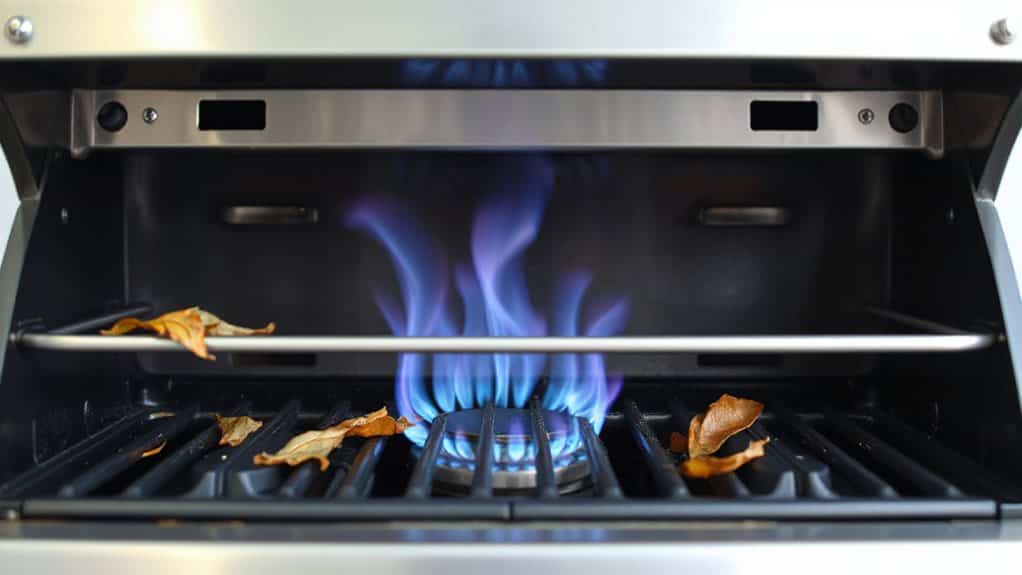
Though they’re built to let smoke escape and keep your grill running smoothly, those rear openings can actually turn into wind tunnels when the breeze picks up—kind of like leaving the back door of a tent wide open during a gusty mountain storm.
You’re just trying to cook for your crew, but who knew wind could sneak in and wreak havoc? It cools burners, pushes smoke back, and even kills flames. Annoying, right? But hey, a simple wind guard or smart repositioning can save your cookout. Pretty neat how a small fix keeps the fire—and the fun—going strong! Additionally, positioning your grill and using a wind guard can prevent drafts that reduce burner temperature and airflow wind guard effectiveness.
Burner Extinguishment From Sustained Gusts
You’re out there grilling under a big open sky, wind whipping through the trees like it’s auditioning for a storm movie, and suddenly—poof—your flame’s gone, snuffed out by a gust that came out of nowhere.
Sustained winds over 20 mph love playing grill villain, blowing out open burners, messing with gas flow, and leaving you staring at a cold grill.
Not cool, right? But hey, don’t panic—just shut the valves, wait it out, and maybe give your grill a windbreak hug next time. Safety first, flame hero!
In very cold weather, make sure your propane tank stays at least 30% full to help maintain pressure and reliable gas flow.
Impact of Wind on Ignition and Match-Light Systems
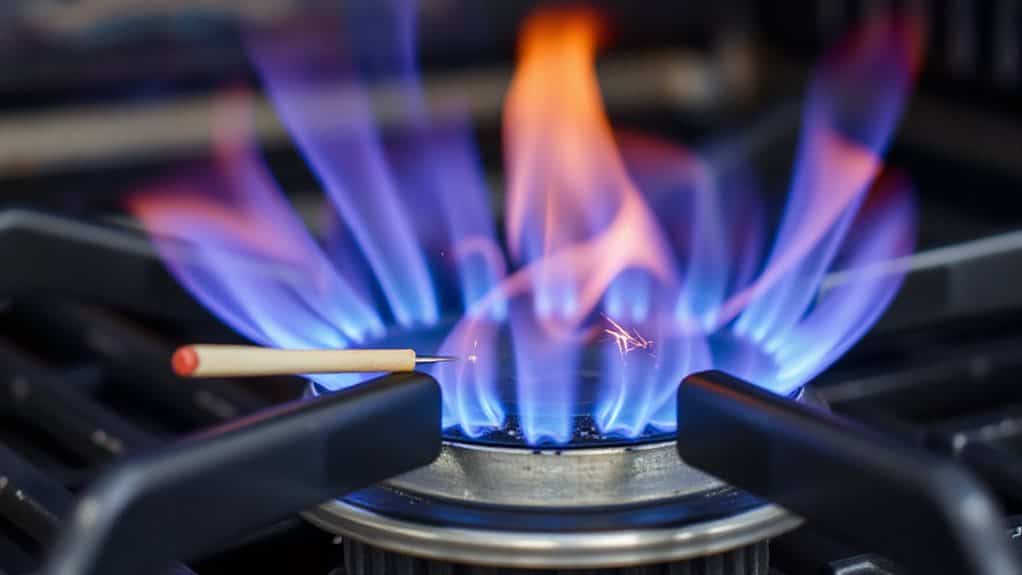
So there you are, ready to fire up your grill with the confidence of a backyard chef who’s about to nail tonight’s BBQ, when—bam!—a sneaky gust turns your ignition into a game of chance.
Wind makes flames flicker like crazy, tricking your igniter into overclicking, and match-light holes? Good luck lighting one in a breeze!
Tilt your grill sideways to the wind, check that match path, and maybe keep a windproof lighter handy—trust me, it’s a total lifesaver.
Be aware that overfilling a propane cylinder reduces required headspace and can increase danger if relief valves discharge in warm conditions, so always observe proper 80% fill practices.
Overheating Risks From Wind-Driven Heat Buildup
Feeling the wind whip through your backyard like it’s trying to crash your cookout? It’s sneaky—boosting flames, trapping heat, and turning your grill into a 500°F volcano fast!
Blocked vents, grease traps, and spider nests don’t help, creating hot spots and flare-ups. Wind’s not just annoying, it’s a heat hacker! Stay safe—adjust vents, clean often, and use a wind guard. You’ve got this, grill ace!
Flare-Ups Fueled by Wind-Enhanced Oxygen Supply
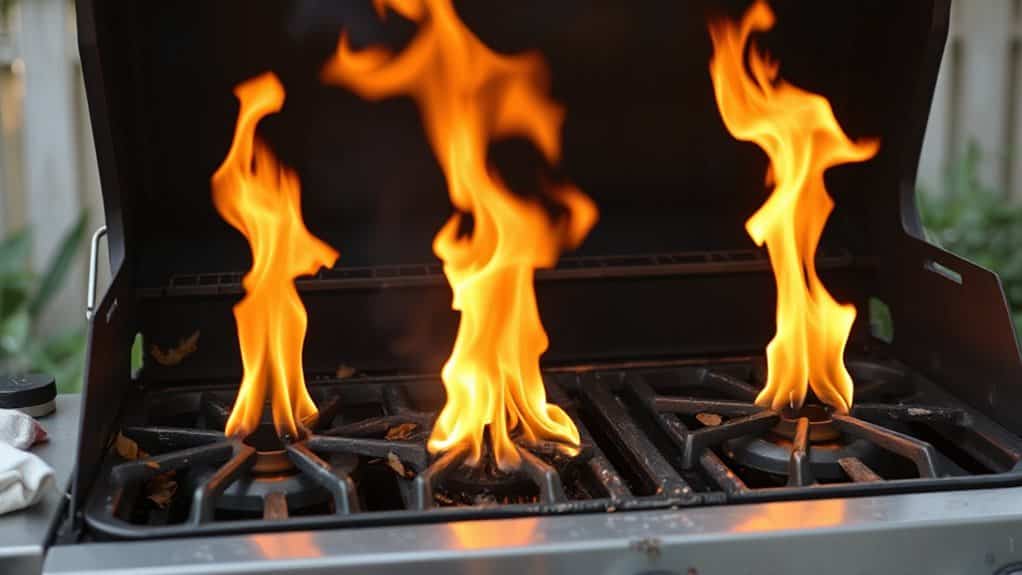
Wind doesn’t just cool you down while you’re flipping burgers—it can actually turn your grill into a flame-throwing dragon, especially when it sneaks in extra oxygen and teams up with dripping grease.
You’ve seen it, right? One second you’re searing steaks, the next—WHOOOSH! Flames leap up like they’re auditioning for a campfire show.
Keep the lid down, trim excess fat, and clean your grill—your burgers (and eyebrows) will thank you!
Safety Protocols When Flames Go Out in High Wind
When your gas grill suddenly flickers out in the middle of a gusty cookout, don’t panic—just act fast and smart, because letting gas build up while the wind’s doing the cha-cha around your backyard is a recipe for trouble (and maybe a surprise fireworks show you didn’t sign up for).
Turn off the gas valves right away, pop the lid open, and wait five full minutes—no cheating—so the gas can clear out safely.
Then, check the match-light hole to see if the burner’s actually lit before you start cooking again, because safety first, always.
Design Vulnerabilities That Worsen Wind Effects
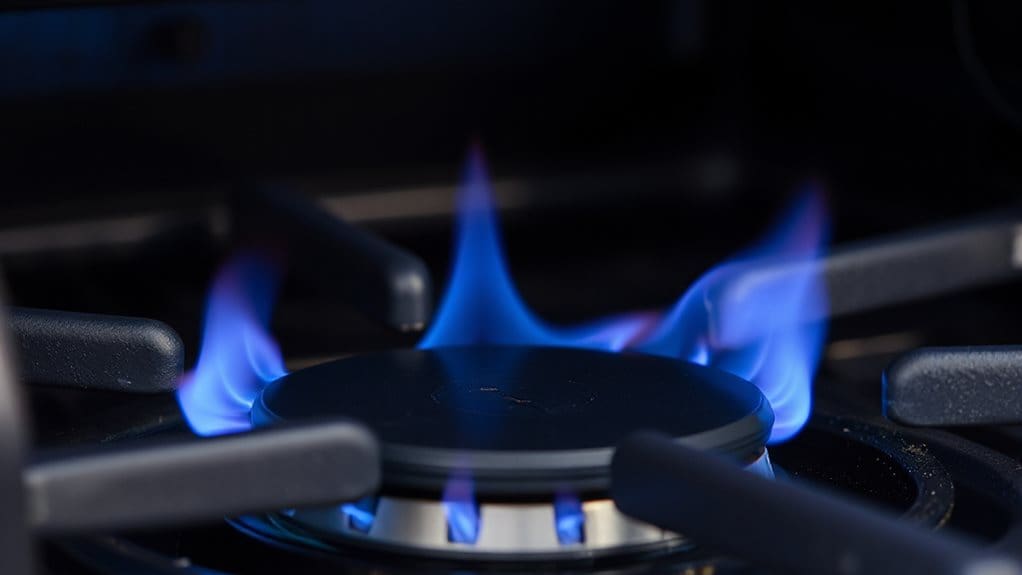
You know that annoying moment when your grill suddenly quits mid-burger, and you’re left staring at sad, uncooked patties while the wind laughs at you?
Well, a big part of the problem is those wide-open rear exhaust vents—basically wind tunnels inviting gusts to blow right into the delicate airflow your grill needs to stay lit. And let’s be real, most windshields that come with grills are about as useful as a screen door on a submarine, failing to block wind while still letting heat and smoke escape like they should.
Rear Openings Invite Turbulence
Ever had your backyard barbecue throw a tantrum every time the wind picks up? Yeah, those rear openings aren’t just for show—they suck in gusts that flip flames forward, mess with burners, and even snuff out fires.
Think of it like a surprise wind tunnel! Without a rear guard, smoke backflows, heat goes wild, and your cook turns into chaos. Add a deflector—it’s a revolutionary upgrade!
Poor Windshield Protection Fails
While you’re out there chasing sunsets and roasting marshmallows under the stars, the last thing you want is your trusty gas grill turning into a fiery surprise waiting to happen—and guess what? Flimsy windshields can make things worse by trapping heat, reflecting it right back at the stove or fuel canister, and creating burn risks or even explosions. Yikes!
Poor airflow, bad materials, and zero heat escape routes turn your cooking setup into a pressure cooker. Flip the script: choose shields with smart vents, better angles, and materials that deflect heat where it belongs—away from you and your crew. Safety first, flavor always!
Overall
So, next time you’re grilling under the open sky and your flame suddenly ghosts you, don’t panic—wind’s probably the sneaky culprit! I’ve had more burgers nearly ruined by gusts than I can count, usually when camping where the breeze loves to play troublemaker. Just shield the grill, check for drafts near the back, and keep that ignition ready. A little wind smarts and a sense of humor? You’ll be flipping patties like a pro, even in a mini tornado!