Can Mulch Cause Plant Diseases?
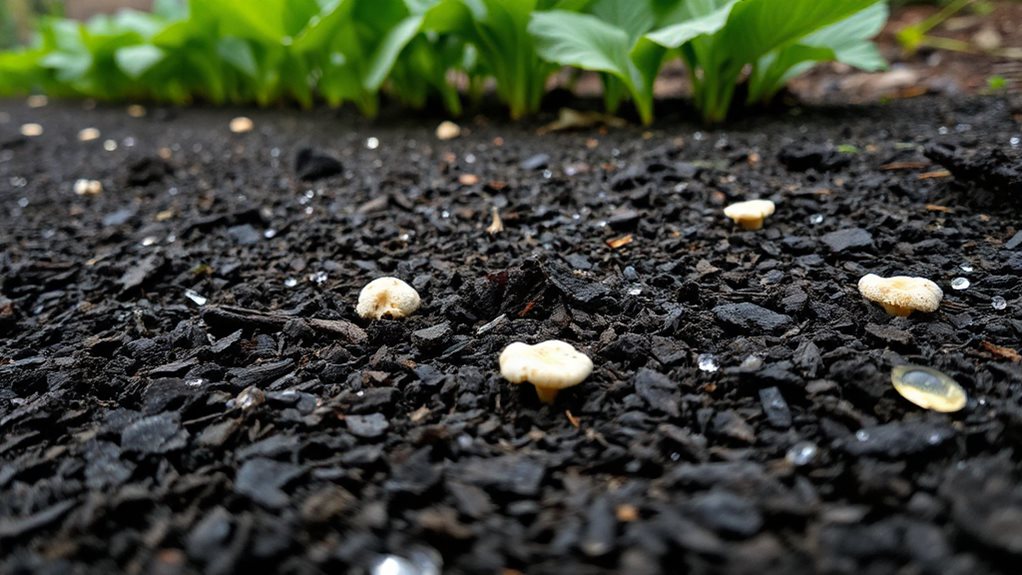
Yes, mulch can carry plant diseases, especially if it’s fresh, wet, or sourced from sick trees—think of it like packing a camping backpack without checking for bugs. Straw can host Fusarium, wood chips can harbor Armillaria or Phytophthora, and plastic film can trap moisture that fuels tomato leaf spot. Look for sour smells, trash, or soggy patches, dry suspect material, and choose heat‑treated or well‑aged compost. Keep a 6‑inch gap around trunks, and you’ll spot the hidden culprits before they spread, so keep reading for the full safety checklist.
TLDR
- Certain mulches (wet straw, fresh wood chips) can harbor pathogens like Fusarium, Verticillium, and Armillaria, leading to plant disease.
- Contaminated mulch often shows sour odors, unusual wetness, or debris; replace it before planting.
- Heat‑treating or properly composting mulch (≥60 °C for 30 min or 131 °F for 3 days) kills most disease‑causing microbes.
- Using sterile, aged bark, hardwood chips, or well‑aerated compost reduces pathogen risk compared with fresh organic material.
- Maintain a 4‑6 inch gap around trunks and keep mulch dry and well‑ventilated to prevent moisture‑borne disease spread.
Is Your Mulch Safe? Quick Mulch Disease Safety Checklist
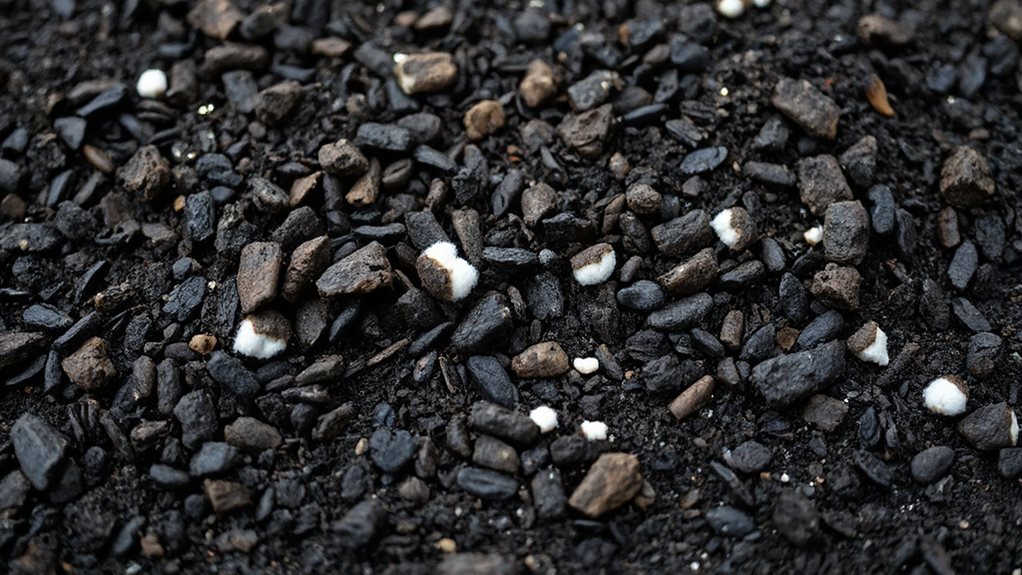
Ever wondered if the mulch you’re spreading around your garden could actually be a sneaky culprit behind sick plants? Check for sour smells—vinegar, ammonia, sulfur—then inspect leaves for yellowing, browning, or drop. Look for trash, nails, glass, and notice if the mulch feels wet or smells like gas. Dry it fully, buy from trusted suppliers, and replace any suspect material before planting. Improperly composted mulch can cause nutrient deficiencies and toxic gases. Consider using heat-treated mulch or well-aged compost to reduce pathogens and avoid introducing contaminants.
Identify Ways Mulch Introduces Plant Pathogens
So, how does mulch actually sneak pathogens onto your plants? You’ll see straw breeding Fusarium and Alternaria, plastic film boosting Cephaliophora, and wood chips carrying Armillaria or Phytophthora if you dump fresh, infected material.
Compost, dry, and air‑dry it, keep chips away from trunks, and avoid compaction—otherwise those microbes feast, and your garden gets sick. Evergreen shrubs with year‑round foliage can help mask symptoms and maintain appearance while you treat infections.
Recognize Verticillium Wilt Triggers in Mulch
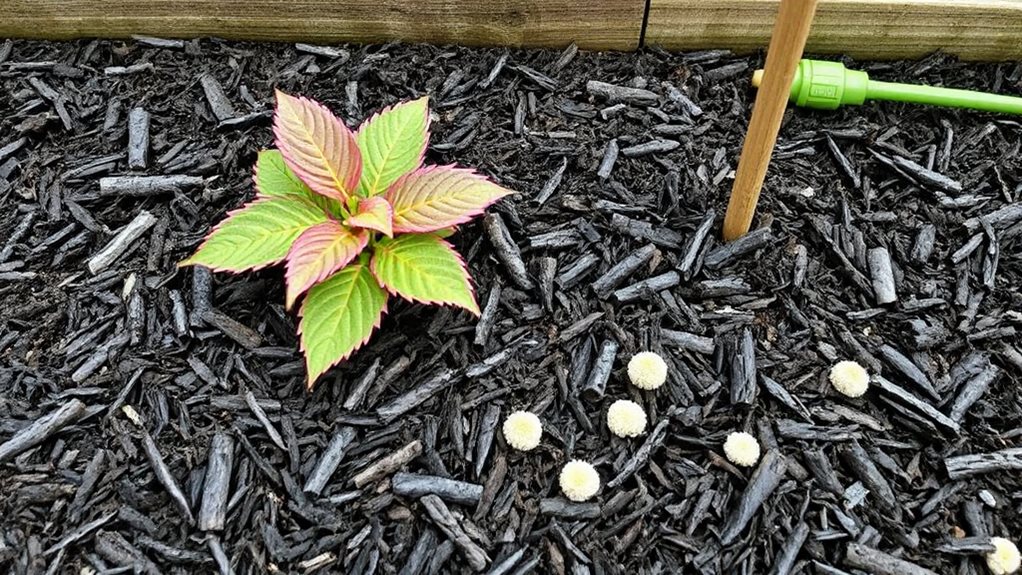
You’ll notice that Verticillium spores love hanging out in wood chips and straw mulch, especially when they’ve come from sick trees, so keep an eye on the source of every bag you spread; have you ever thought about how a simple mulch swap can turn your garden into a fungal playground, and why black plastic mulch seems to invite the fungus to party while clear plastic keeps it in check?
—Make it a habit to toss any mulch that looks suspiciously like it’s been sitting on a diseased stump, and consider using hardwood bark or live mulch, which can lower soil pH and invite friendly microbes that out‑compete Verticillium, because a little extra effort now means fewer wilted plants later. After heavy rain, consider removing soggy mulch and checking nearby patios and foundation cracks for moisture-attracted ants that could indicate wetter conditions favoring fungal spread.
Ilillium Survival in Mulch
Fresh-cut pile of pine bark sitting by your garden, still warm from the sun, and think of it as a cozy hotel for Verticillium spores—those tiny, sleepy microsclerotia that can linger for months, even up to a year, inside wood chips from infected trees.
You’ll notice they survive a year, hitch rides on animal manure, and wait for root wounds or moist, cool soil to awaken, so treat mulch like a campsite—check for hidden campers before you settle.
Mulch Management to Control Spread
Ever wondered why a simple pile of mulch can turn your garden into a sneaky campsite for Verticillium?
You can dodge the bug by choosing clean hardwood, pine, or cedar, keeping mulch 1‑4 inches deep, and leaving a four‑inch gap from trunks.
Prune dead limbs, burn or landfill them, and scrub tools with bleach; then replace grass with mulch to enhance water and nutrients while starving the pathogen.
Spot Fusarium Risks From Straw Mulch
Ever wondered why a simple pile of straw on your garden can turn into a hidden highway for Fusarium? You’ll see that wet, fresh straw from sick plants can harbor the fungus, especially after rain, so keep mulch dry and weed‑free.
Use chipped, sterile material, avoid big chunks, and remember wheat straw can actually enhance friendly microbes, helping your veggies stay healthy. Beetles and other insects may also be attracted to moist mulch, increasing the chance of disease spread to nearby plants and siding moisture hotspots.
Plastic Film Mulch’s Link to Tomato Leaf Spot
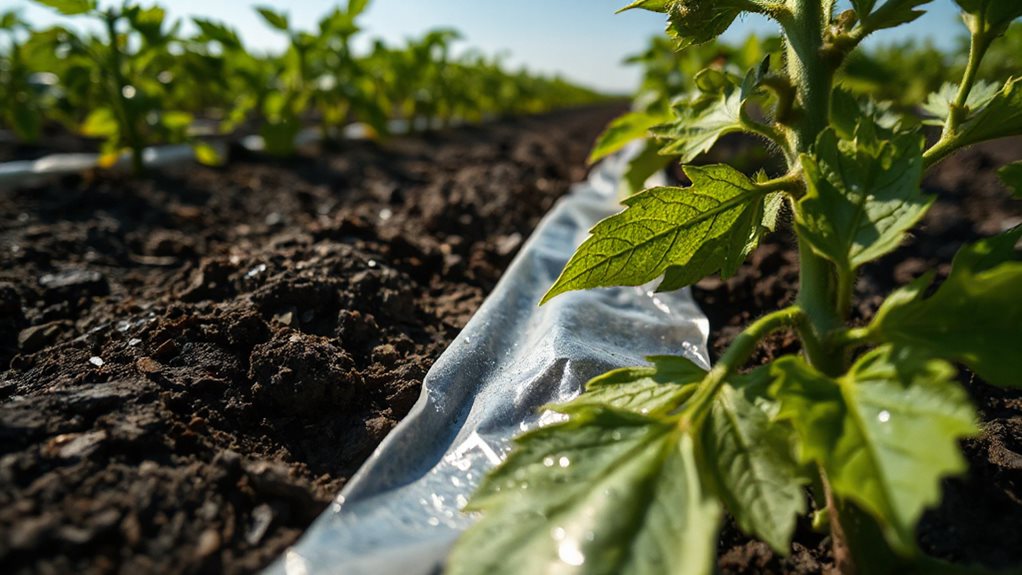
You’ll notice that plastic film mulch can turn into a cozy home for Fusarium, especially when it traps moisture and creates a humid pocket right against the soil. Have you ever imagined that the same film you love for keeping weeds away could also be a launchpad for tomato leaf spot spores, making the leaves soggy and speckled like a rainy campsite? Try swapping to a breathable mulch or adding a little ventilation—your tomatoes will thank you, and you’ll avoid the dreaded “fungus‑fest” while still enjoying the easy‑clean vibe of plastic. Squirrels’ digging and cache behavior can also disturb mulch and soil, creating extra moisture pockets and moving infected material near plant stems.
Fusarium Build on Plastic
So, can plastic film mulch really turn your tomato garden into a Fusarium playground? You’ll be relieved: research shows no Fusarium buildup on any mulch, black or white.
Instead, the real culprits are viruses and other fungi like Pyrenochaeta, which thrive under heat‑stress. So stick with reflective or silver films, add kaolin if you like, and keep your tomatoes happy.
Moisture Retention Increases Spot
How does a thin sheet of plastic turn your tomato garden into a humid jungle where leaf spots love to party? You’ll see moisture cling to roots, raising humidity and letting spores germinate, while reduced airflow keeps leaves wet longer, so Septoria, early blight, and bacterial spot splash‑spread faster.
Black mulch heats soil, speeding symptoms, but silver film can calm things down. Adjust mulch type, keep air moving, and protect your plants.
Identify Tree Diseases Spread by Wood Chip Mulch
Ever wonder why a stroll through the woods can turn into a sneaky science experiment for your garden? You’ll find Verticillium wilt lurking in chips from infected trees, surviving a year and infecting both woody and herbaceous plants; Thyronectria canker sticks around for 98 weeks in uncomposted mulch near honeylocusts; Sphaeropsis tip blight spreads from bark and needle chips, while Dutch elm disease and Armillaria rarely jump via chips, so avoid using wood from sick trees.
Assess Soil‑Microbe Changes From Mulch Types and Mulch Disease Impact
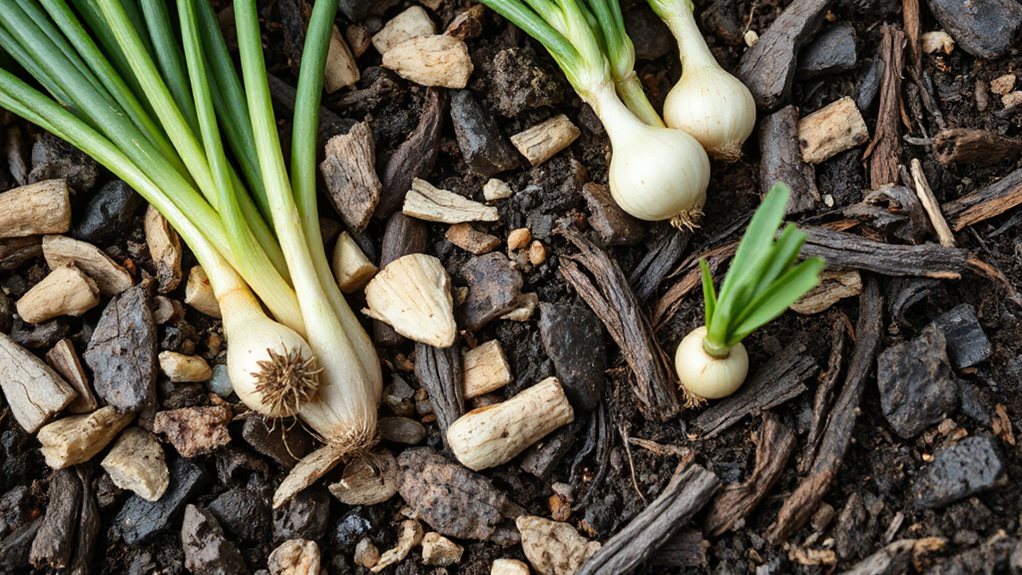
After chatting about the sneaky way wood‑chip mulch can ferry pathogens like Verticillium and Thyronectria, let’s swing the focus to what’s really happening underground when you spread different mulches.
You’ll see straw mulch skyrockets actinobacteria, proteobacteria, nitrogen‑fixers and fungal diversity, while plastic, paper and film mulches shift specific genera—some boosting beneficial actinomycetes, others nudging Alternaria or Trichocladium—so you can choose wisely for healthy soils.
Apply Heat‑Treat & Compost Protocols for Safe Mulch
When you’re prepping mulch for a garden that’s as adventurous as a summer camping trip, the best way to keep pesky pathogens off your plants is to give the material a good heat‑treatment or a solid composting run‑through.
Heat it to 60 °C for 30 minutes, steam at 65 °C for ten, or compost wood until it hits 131 °F for three days—then store it clean, cover it, and you’ll protect your plot like a seasoned trail guide.
Select Disease‑Free Mulch: Final Checklist
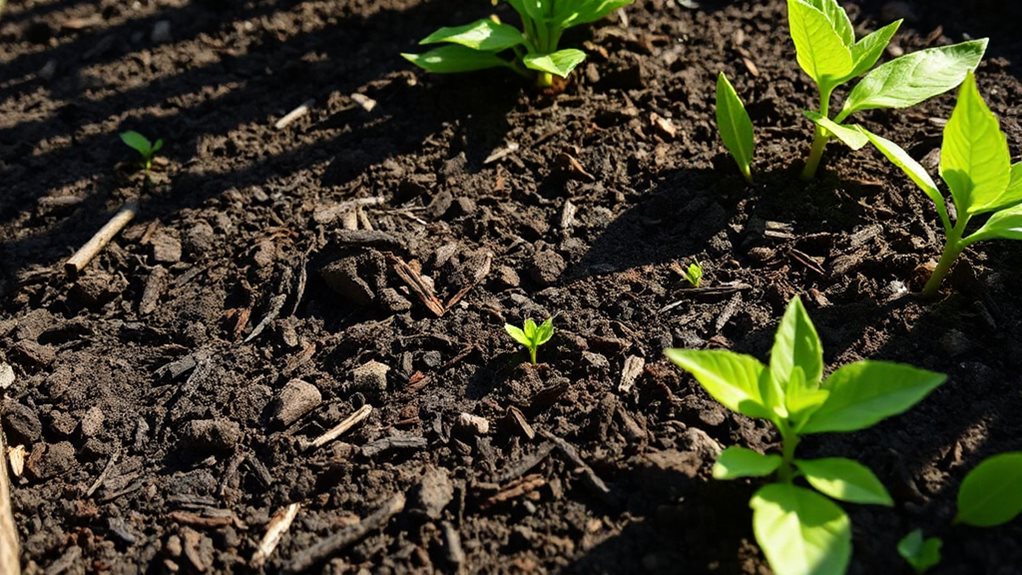
So, how do you make sure the mulch you’re about to spread on your garden beds is as clean as a freshly pitched tent? Check the Mulch & Soil Council emblem, verify no recycled yard waste or pallets, demand tree‑chip health reports, pick half‑inch or larger composted chips, keep a 6‑inch trunk gap, and always shuffle leaves before laying.
Overall
So, after all that mulch talk, you’ve got the tools to keep your garden healthy and your plants thriving—just like packing the right gear for a camping trip. Remember to check each batch for signs of disease, heat‑treat or compost when needed, and pick certified, disease‑free material. By staying vigilant and choosing wisely, you’ll avoid nasty wilt and spot problems, letting your garden flourish as effortlessly as a sunrise hike. Happy planting!