Best Vegetables for Heavy Clay Soil
You’ve got clay? No sweat—grow squash and pumpkins right in those bumpy hills, toss in some compost, and watch them vine like crazy! Broccoli and cabbage? They’ll happily crunch through dense soil if you mulch ’em well. Love juicy peppers? Warm, amended clay’s their happy place. And hey, throw in some cowpeas—they’re like little soil superheroes, fixing nitrogen and breaking up compaction. Sweet corn, artichokes, even rice can thrive here, so why not give them a try? You might just be surprised what your garden can do. Stick around—there’s even cooler tricks where that came from.
TLDR
- Cowpeas thrive in heavy clay, tolerate heat and compaction, and improve soil structure with deep roots.
- Daikon radishes break up compacted clay with roots up to 6+ feet deep, enhancing aeration and drainage.
- Sweet potatoes grow well in warm clay soils, using extensive vines and preferring temperatures above 77°F.
- Tomatoes adapt to dense clay when amended with compost and planted deeply for strong root development.
- Brassicas like cabbage and broccoli benefit from compost-amended clay with proper drainage and pH 6.0–6.8.
Squash and Pumpkins in Clay Soil

If you’ve ever tried digging in heavy clay soil, you know it can feel like wrestling concrete—tough, unyielding, and not exactly friendly to tender squash roots—but don’t let that stop you, because with a little elbow grease and some smart prep, your clay patch can turn into a pumpkin paradise!
Mix in compost, manure, and zeolite to enhance drainage and aeration; your future jack-o’-lanterns will thank you.
Plant in roomy, 8–10-inch hills with 4–6 seeds each, and space them 4–8 feet apart so vines have room to roam like campers spreading out at a summer site.
Use plastic mulch and row covers after May 10 to trap warmth, and sow only when soil hits 65°F—you’ll dodge chilly surprises.
Be sure to maintain a soil pH 6.5–6.8 for optimal growth and nutrient uptake.
Also, remember to disinfect pruning shears and keep tools dry and organized to reduce disease risk and improve efficiency while working your beds tool care.
Broccoli, Cabbage, and Brussels Sprouts Performance
You might think your clay soil’s too tough for veggies, but guess what—broccoli, cabbage, and Brussels sprouts actually love sticking around in dense, moisture-holding dirt as long as you mix in some compost, like I did last spring when my garden looked more like a mud pit than a farm.
These cool-season champs grow strong roots and stay steady all season, kind of like how a good tent holds up in the wind when you’ve got the stakes deep in firm ground.
Just keep the soil pH between 6.0 and 6.8, give them a weekly inch of water, and trust me, you’ll be harvesting crunchy heads and sprouts like you’re unpacking treasures from a well-organized camp kitchen!
Amend heavy clay with well-rotted compost to improve texture and moisture retention for better root development, which is especially important for consistent moisture in these crops.
Strong Roots, Stable Growth
When the soil’s thick, dense, and a little stubborn—kind of like trying to pitch a tent in a muddy campsite—guess what? Broccoli, cabbage, and Brussels sprouts actually thrive!
Their roots dig in deep, loving the stability clay offers. You’ll love how they stand tall, well-fed and sturdy, like campers braced against the wind. Just add compost, guarantee good drainage, and boom—happy plants, happy harvest!
Thrive in Moist Clay
Let’s plunge right into the muck—because believe it or not, your soggy, stubborn clay soil might just be the secret weapon your broccoli, cabbage, and Brussels sprouts never knew they needed!
You keep them happy with mulch and weekly deep drinks, and they’ll reward you with crunchy harvests.
Think of clay as their cozy campsite—moist, stable, and full of snacks (aka nutrients)! Just add a little sand, and boom: dinner’s on.
Lettuce and Chard for Shallow Root Systems
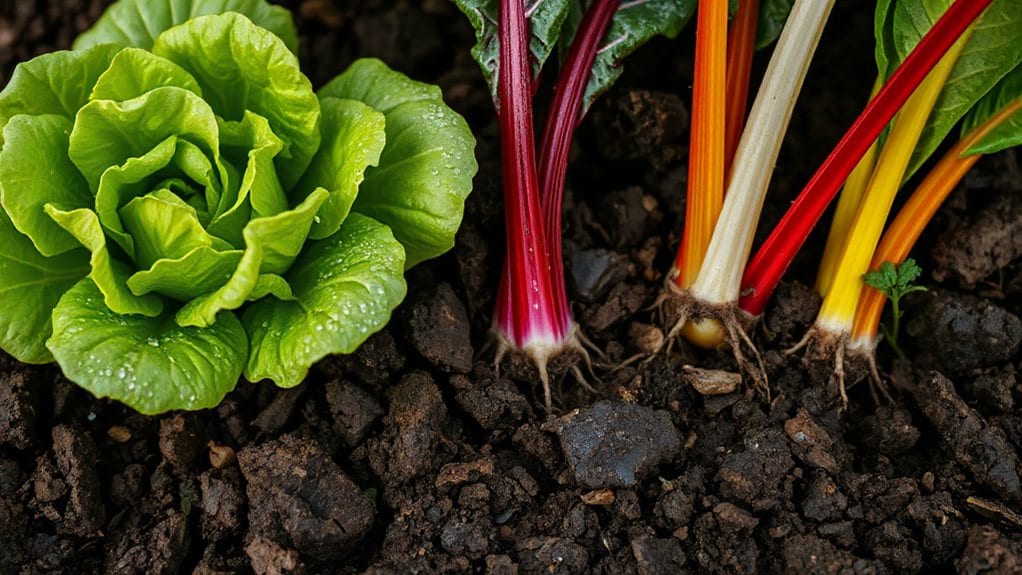
Forget wrestling with stubborn roots trying to punch through concrete—growing lettuce and chard in heavy clay soil is like finding the perfect, easy campsite: you just plop down and thrive!
You’ll love how chard’s thin taproot handles clay like a pro, especially with compost and a raised bed. Keep soil moist, mulch lightly, and thin seedlings—then snack on those tender thinnings! Who knew generous harvests could be this simple? Adding a layer of compost annually will keep the soil friable and productive for seasons to come.
Growing Snap Beans and Green Beans Successfully
You’ve already nailed the leafy greens game with lettuce and chard happily spreading out in your clay soil like campers staking claim to the best spot at a music festival—now how about adding some snap to your garden with snap beans and green beans?
Mix in compost, skip soggy tilling, and plant bush or pole types with support; they’ll thrive, fix nitrogen, and reward you with crisp, tasty pods all season—talk about a garden win! Vegepods can help with consistent moisture and pest protection in compact spaces, especially thanks to their self-watering reservoir.
Cowpeas as Soil Builders in Heavy Ground
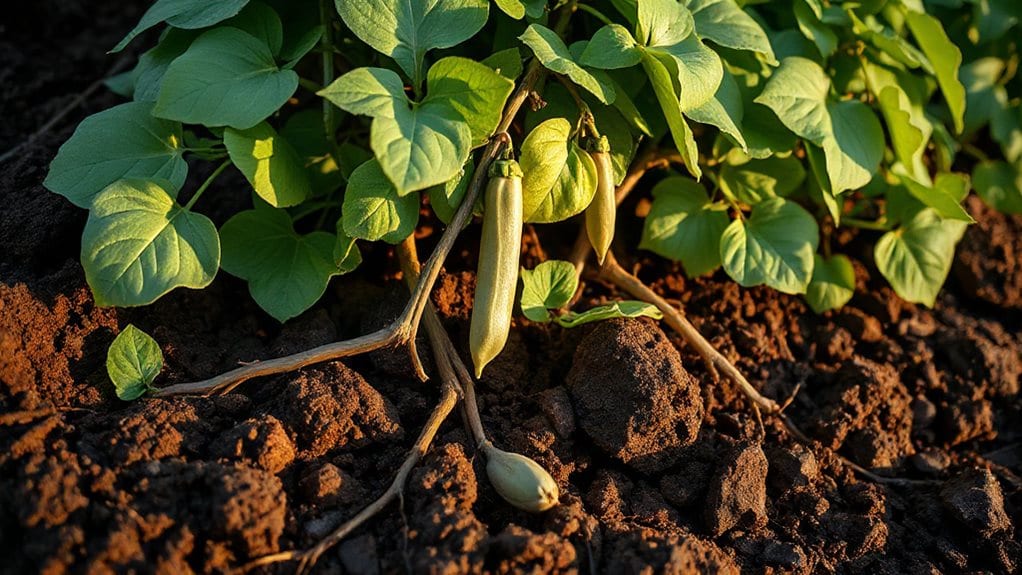
You know how tough it’s to grow anything in that hard, sticky clay—well, cowpeas laugh at that stuff, breaking it up with their strong roots like a shovel at your favorite camping spot.
They’ve got this cool superpower where they grab nitrogen from the air and stash it in the soil, so your garden gets free fertilizer, no grocery run needed.
Plus, they thrive in hot, dry, compacted ground where other plants would tap out, making them your go-to sidekick for building better soil without breaking a sweat.
You can safely reuse potting soil for a couple of seasons if it crumbles easily and shows no mold or pests.
Cowpeas Break Up Clay
While your garden might feel like a chunk of concrete after a hard rain, don’t worry—cowpeas are here to play superhero in that stubborn clay!
Their taproots plunge deep, breaking up compacted layers like nature’s little shovels. When they die, those roots leave behind tunnels for air and water—hello, healthier soil!
You’ll love how they thrive in tough, dry clay, all while enhancing structure and helping future plants grow strong.
Fix Nitrogen Naturally
Turning your heavy clay into a thriving garden hotspot just got a whole lot easier—thanks to cowpeas and their superpower: natural nitrogen fixation.
You inoculate once, and boom—20 to 115 lbs of free nitrogen per acre!
They thrive in tough soil, fix nutrients like tiny underground factories, and leave your land richer.
Think of them as nature’s fertilizer with legs (well, nodules).
Turn them under at flowering, and your next crop will thank you—no fancy chemistry required!
Thrive in Compacted Soil
Break through the hardpan like a garden superhero—because cowpeas don’t just survive in compacted clay, they throw a root party and invite everyone to loosen things up!
You’ll love how their deep tap roots bust through dense soil, improve structure, and enhance fertility.
They thrive in tough conditions, suppress weeds, and leave your garden better than they found it—now that’s being a good neighbor!
Sweet Potatoes and Their Surface-Level Growth
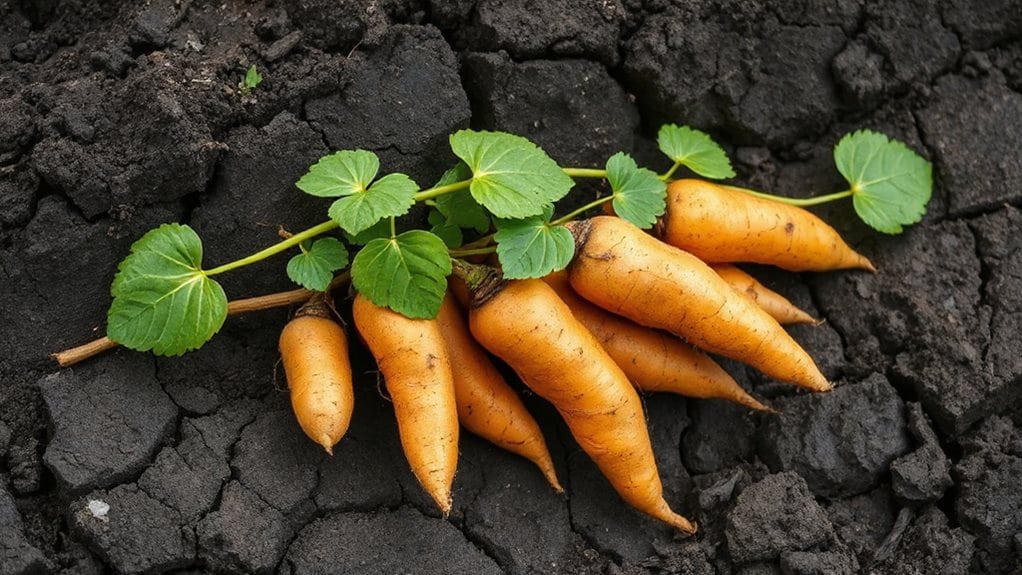
Sweet potatoes really know how to stretch out and make themselves at home—those vines can sprint up to 16 feet long, like they’re racing to wrap around your entire garden!
You’ll love watching them thrive, especially in warm temps above 77°F, where they grow fast and lush.
Just keep nights below 25°C if you want roots, not just vines! They’re like campers spreading out on a big, sunny site—happy, sprawling, and ready to feed a crowd.
Daikon Radishes for Breaking Up Compacted Soil
You know how tough it’s to pitch a tent in hard, compacted ground? Well, daikon radishes are like your soil’s personal camping buddy—they send roots down 1 to 6 feet deep, literally cracking through clay like a pro.
Think of them as nature’s tillers, loosening up the dirt so your next crops can breathe, drink, and grow without a struggle.
Deep Roots Break Compaction
Envision this: you’re trying to push a tent stake into rock-hard ground after a long day of camping, and no matter how hard you whack it with a rock, it barely budges—frustrating, right?
Well, daikon radishes do the opposite: their thick taproots plunge down over 6 feet, naturally drilling through clay like tiny shovels, breaking compaction, enhancing airflow, and leaving behind nutrient-rich pathways—total revolutionaries for tired soil!
Natural Soil Loosener
Think of daikon radishes as nature’s underground bulldozers—they plunge deep, crack tough layers, and throw a root party that your clay soil didn’t know it needed. You let them grow, they break compaction, then die off, leaving behind tunnels for air and water.
Their roots haul up nutrients, enhance microbes, and decompose fast—talk about a soil upgrade! Plant them before frost, maybe mix with cereal grains, and boom: healthier soil, happier plants, and you’re basically a dirt superhero.
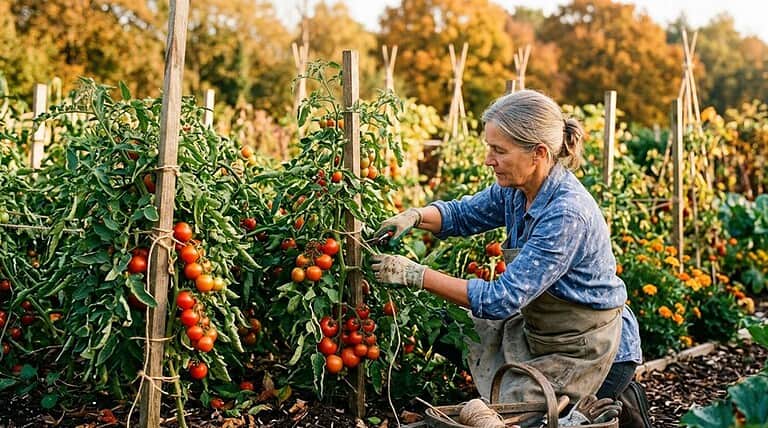
Tomatoes and Their Adaptability to Dense Soil
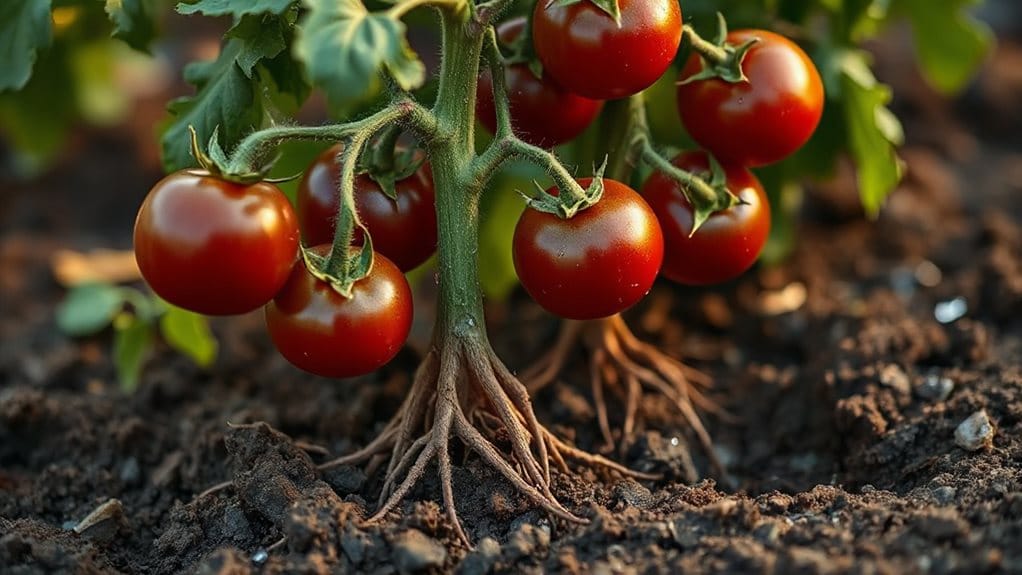
Let’s plunge right into the messy, clumpy world of growing tomatoes in heavy clay soil—because believe it or not, that dense, sticky goop under your nails might just be the secret weapon you didn’t know your garden needed.
You’re not stuck with rock-hard dirt; with compost, deep planting, and smart amendments, your tomatoes thrive, rewarding you with juicy, sun-warmed fruits all season—talk about garden magic worth sharing!
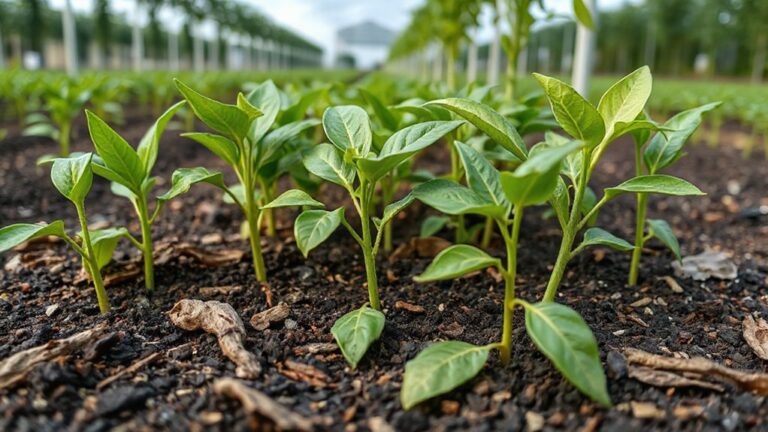
Peppers Thriving in Warm, Moist Clay Conditions
You might think your clay soil is more suited for pottery than peppers, but guess what—those thick, goopy layers can actually be a pepper plant’s best friend if you know how to work with them.
Mix in compost, peat moss, or old potting soil to improve drainage, aim for a pH between 6.0–6.8, and pick winners like Big Bertha or Jimmy Nardello—you’ll be harvesting spicy, juicy peppers in no time!
Sweet Corn Varieties Suited for Clay Environments
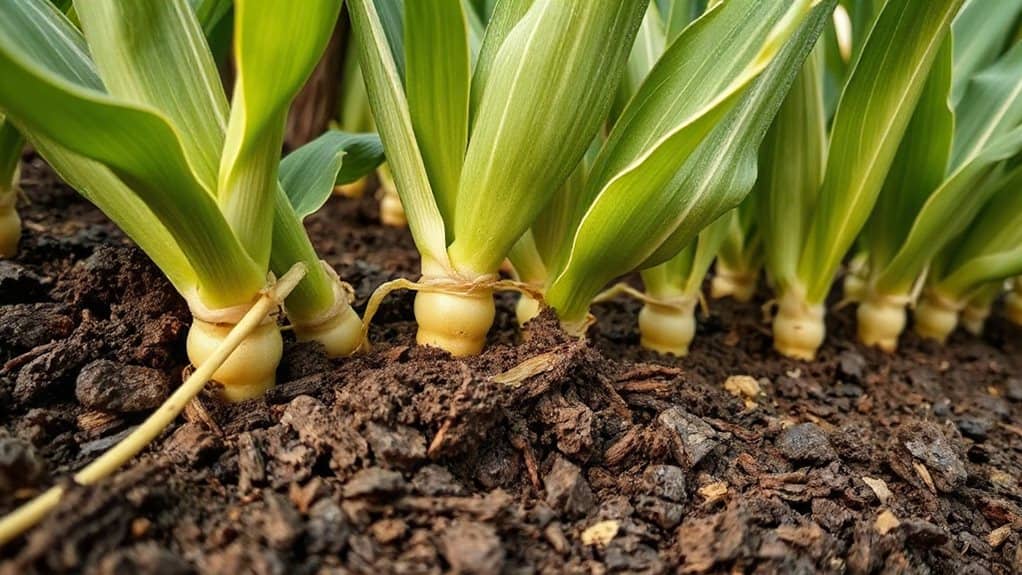
While your clay soil might feel more like stubborn sidewalk than soft garden bed, don’t write off sweet corn just yet—this sun-loving summer favorite can actually dig in and thrive if you give it the right setup.
You’ll love how Peaches & Cream or Silver Queen laugh at tough conditions, especially when you enhance drainage with compost and zeolite.
Just plant in sunny blocks, keep rows close, and hey—don’t forget to isolate super-sweet types so your corn stays gloriously sweet, not starchy!
Rice Cultivation in Water-Retentive Clay
Think of your heavy clay soil not as a gardening challenge, but as nature’s built-in rice paddies just waiting to shine!
You’ll love how clay holds water and nutrients, giving rice 46% higher yields than sandy soils—talk about a win!
Puddle it, level it with GPS (yes, really!), and keep that 2–4 inch flood going.
With more panicles and spikelets—especially in Cocodrie—you’re not just growing rice, you’re hosting a swampy, grain-filled expedition.
Who knew mud could be this exciting?
Artichokes and Their Impact on Soil Structure

Beneath that tough exterior and spiky crown, artichokes are basically soil superheroes in disguise—especially when you’re wrestling with stubborn, compacted clay.
You’ll love how their deep taproots loosen soil over time, while mulching with straw or compost enhances structure and feeds hungry microbes.
Add aged manure, keep pH near 6.5, and wow—your garden becomes fluffier, richer, and way more welcoming for future crops.
Who knew tough veggies could be such generous neighbors?
Overall
So, you’ve got clay soil? No problem! You’re actually in luck—squash, broccoli, and even sweet corn love that dense, moisture-holding ground. I once grew pumpkins so big, my dog tried to hide in them like a tent. Just keep things well-drained, add compost, and don’t skip the cowpeas—they’re like soil superheroes. Ready to dig in? Grab your gloves, grab a friend, and turn that heavy dirt into a veggie paradise. Happy gardening, dirt warrior!