Why Does My House Smell Musty After Rain?
You smell that musty “wet‑earth” vibe after rain because moisture sneaks into hidden spots—cracks in the foundation, leaky windows, or clogged gutters—then hangs on walls, carpets, and HVAC ducts, giving mold spores the perfect party venue to grow and release their funky scent, and your ventilation’s probably shut down, trapping the humid air like a sealed tent, so open a window, crank a fan, or run a dehumidifier and you’ll chase the smell away; keep going and you’ll discover even more tricks.
TLDR
- Moisture from rain infiltrates through cracks, leaks, or poor drainage, creating damp conditions that encourage mold growth.
- Trapped humid air in poorly ventilated spaces (basements, bathrooms, cramped rooms) allows mold spores to proliferate and emit musty odors.
- Water entering via faulty windows, siding gaps, or clogged gutters can seep behind walls, leading to hidden mold colonies.
- HVAC systems with clogged filters, wet coils, or leaky ducts spread mold‑related volatile compounds throughout the house.
- Inadequate ventilation and high indoor humidity prevent moisture from drying, sustaining mold activity and the persistent musty smell.
Why Does My House Smell Musty Right After a Rainstorm?
Ever notice how, right after a rainstorm, your house can suddenly smell like a damp basement or a forgotten tent? You’re probably feeling that musty vibe because poor ventilation traps moisture, especially in bathrooms, basements, and cramped rooms, so the humid air clings to walls and floors. Think of it like a campsite tent that never dries—mold loves that soggy environment, and you’ll catch the scent instantly. Mold spores are always present in the air, and when moisture is trapped they begin to grow, producing the characteristic musty odor.
How Do Basement Leaks and Foundation Cracks Cause a Musty Smell After Rain?
You’ll notice that tiny cracks in the foundation act like secret tunnels, letting rain‑scented air slip into the basement and pool around the walls, especially where the floor meets the joints, which is why you start smelling that musty “camp‑fire” vibe after a storm; have you ever watched water creep along a hairline crack and thought, “Whoa, that’s my new indoor waterfall”?
Check the corners and hidden pipes—if a leak is feeding the concrete or a busted pipe is dribbling behind the drywall, the damp wood and carpet become a perfect playground for mold, and that’s the source of the lingering odor you’re sniffing.
Improving ventilation and reducing moisture through airflow can help prevent mold growth and the return of that musty smell.
Crack Entry Paths
Why does a splash of rain make your basement suddenly smell like an old tent after a week’s hike?
You’ll notice water sneaking through tiny cracks that pressure hydrostatic pressure forces open, especially where soil is saturated or clay expands. Those gaps become highways for dampness, feeding mold that releases that musty scent.
Check pipe seals, grout lines, and cove joints—seal them, and you’ll keep the odor out.
Basement Water Accumulation
When the rain hits, those tiny cracks in your foundation turn into miniature rivers, and the water doesn’t just sit there—it spreads, condenses on cool basement walls, and creates the perfect playground for mold and mildew.
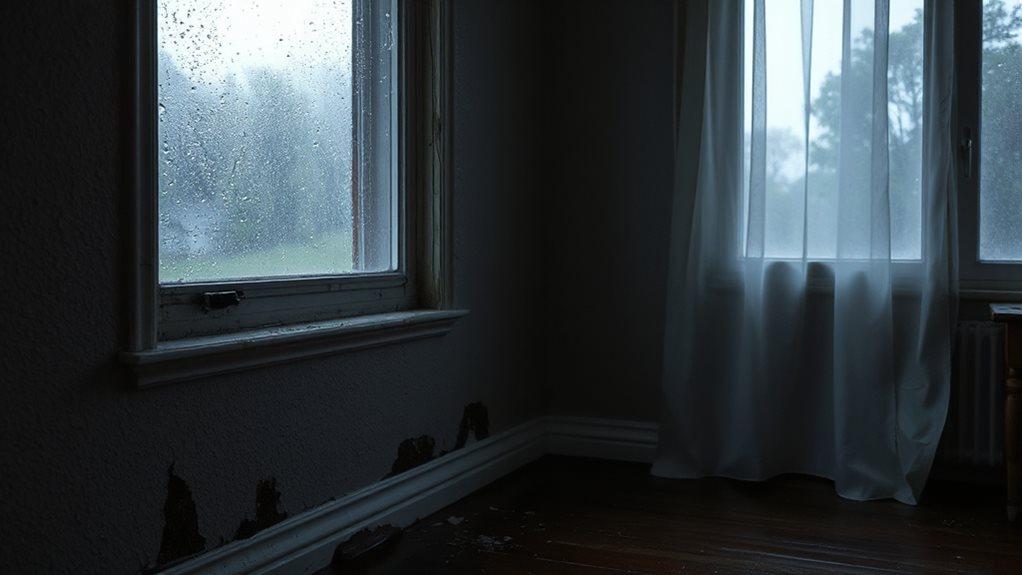
You’ll notice damp spots, peeling paint, and a musty scent because water seeps through cracks, leaks from pipes, and overwhelms poor drainage, letting spores flourish fast.
Why Does Poor Ventilation Trap Humidity and How to Improve It After Rain?
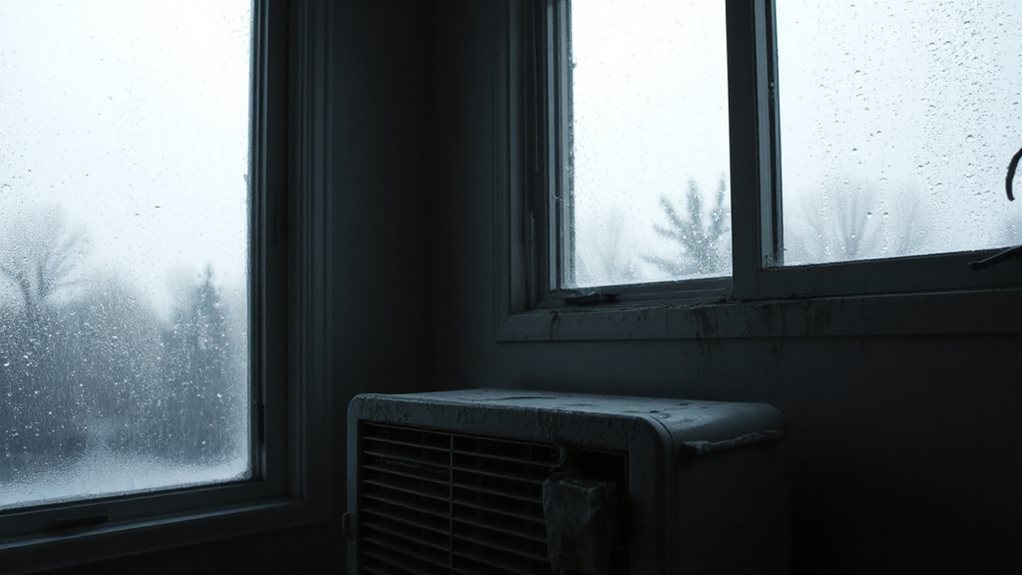
When your house feels like a closed‑up tent after a storm, it’s usually because airflow obstructions—like blocked vents or piled‑up furniture—are trapping humid air, and that soggy air makes everything smell musty; have you ever noticed how a simple fan can turn a swamp‑y room into a fresh breeze?
Try placing a dehumidifier near the kitchen or bathroom where steam gathers, but don’t forget to keep it a few inches off the wall so the air can circulate, and you’ll see the humidity drop faster than you can say “camping trip”!
And if you’re feeling adventurous, open a window or two for a quick air‑exchange sprint, because a little outdoor breeze after rain is like the perfect campfire crackle that drives the dampness out.
Proper ventilation under decks and around your home helps prevent trapped moisture and related odors, so ensure vented skirting and clear airflow paths to keep humidity from lingering.
Airflow Obstructions
Ever notice how after a rainstorm your house feels like a damp campsite tent, andyyyyy that you that’re trapped in a sauna? Blocked vents, closed doors, and furniture piled against grills become air‑flow roadblocks, letting humidity linger like a soggy backpack.
Open pathways, pull back curtains, and clear vent grilles—quick fixes that let fresh air sweep out mold, odors, and musty vibes, keeping your space breathable and healthy.
Dehumidifier Placement Strategies
After you’ve cleared those blocked vents and let the fresh air flow, the next step is getting your dehumidifier where it can actually do its job—think of it as setting up a campfire in the middle of a damp forest so the heat spreads evenly instead of smoldering in a corner. Place it centrally, keep six‑to‑twelve inches clearance all around, elevate it a bit, and position it near airmover outlets or high‑humidity spots like the laundry room, while avoiding corners that trap moisture.
Where Does Hidden Mold Grow and Why Does It Produce a Musty Smell After Rain?
Where does hidden mold love to set up shop, and why does it release that unmistakable musty whiff right after a rainstorm?
You’ll find it thriving in basements, crawl spaces, behind drywall, under sinks, in attics, and beneath carpets—dark, damp, and sun‑deprived spots where water lingers.
These hidden colonies feast on moisture and organic debris, releasing volatile compounds that tickle your nose, especially after rain fills every crevice. Improve ventilation and control humidity with dehumidifiers to help prevent mold growth.
How Can HVAC Problems Amplify a Musty Smell After Rain?
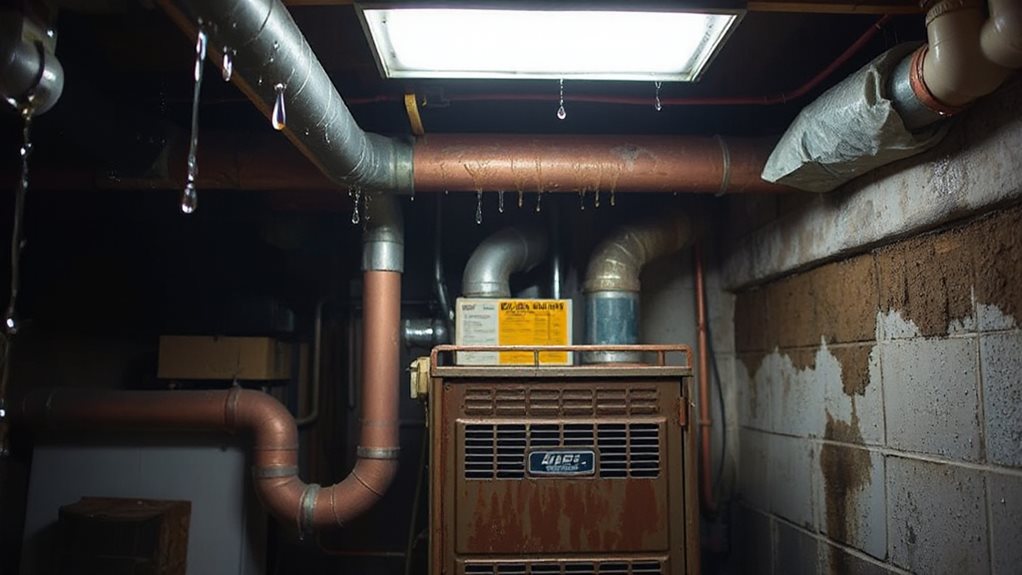
One of the biggest culprits behind that dampy, “just‑after‑rain” stench is a misbehaving HVAC system, and trust me, it’s not just the rain itself that’s to the blame. Clogged drains and filters trap water, turning coils and ducts into mold nurseries; leaky ducts suck in humid air, spreading the musty perfume. Clean, replace, and seal—your home will breathe easier. Many gardeners rely on aromatic herbs like rosemary and lavender to mask and deter musty odors outdoors while supporting beneficial insects indoors and out.
What Hidden Sources (Roof, Crawl‑Space, Attic) Add to a Musty Smell After Rain?
Ever wonder why a rainy day can turn your house into a damp, musty campsite? Your roof’s tiny cracks let water seep into insulation, brewing mold that spews MVOCs; the crawl‑space traps humid air and stagnant water, spawning mildew that drifts up through floors; the attic’s poor ventilation traps warm, moist air, letting hidden mold release foul gases.
Check these hidden spots—fix leaks, boost airflow, and banish the musty camp vibes. Ants nesting under pavers can also introduce moisture and soil odors through gaps and seams, worsening musty smells if near foundations.
How Does Moisture Infiltrate Through Windows, Siding, and Drainage to Cause a Musty Smell After Rain?
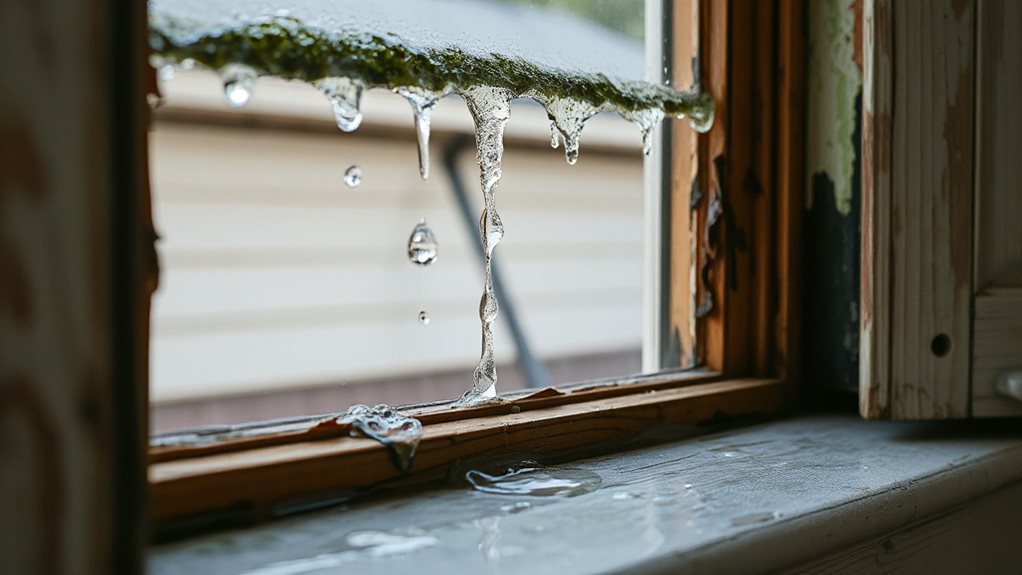
Ever notice how a sudden downpour can turn your living room into a damp campsite, complete with that unmistakable musty whiff?
Water slips through cracked windows, bad flashing, or missing caulk, soaking wall cavities where mold loves to party; siding gaps and warped panels let rain seep behind panels, while clogged gutters or bad grading push water toward foundations, driving vapor up through walls and creating that lingering, musty scent.
What Health Symptoms Arise From a Musty Smell After Rain?
When the rain stops and that soggy, musty odor hangs in the air, it’s not just a weird smell—it’s a warning sign that your lungs might be about to go on a little excursion of their own.
You may start coughing, wheezing, or feeling chest tightness, while sneezing, itchy eyes, and a runny nose join the party; headaches, fatigue, and even dizziness can pop up, especially if you’re allergic or have asthma, so keep an eye out and protect your crew.
What Quick Steps Eliminate a Musty Smell After Rain and Prevent It?
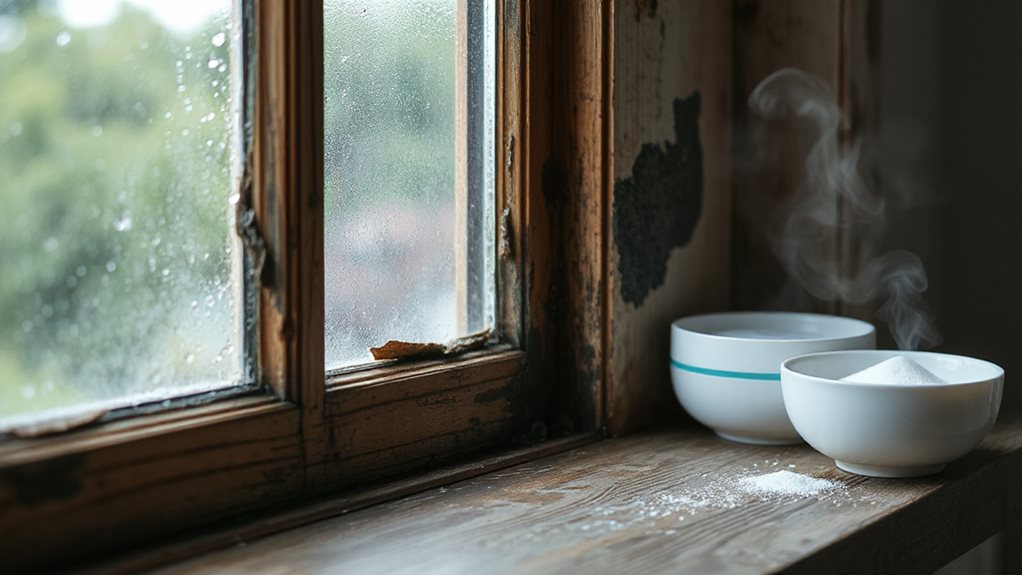
How can you banish that soggy, musty vibe right after a rainstorm and keep it from crashing your next camping‑trip vibe? Open windows, crank fans, and run a dehumidifier to chase moisture away, then sprinkle baking soda on carpets, place charcoal bowls, and wipe surfaces with vinegar. Seal cracks, check sump pumps, and store gear in plastic. Quick actions keep air fresh, mold at bay, and your expedition spirit soaring.
Overall
You’ve got the scoop on why rain can turn your home into a musty jungle, and now you’re armed to kick that soggy smell to the curb. Fix leaks, enhance ventilation, and keep an eye on hidden mold—think of it as a mini‑adventure, like camping, but with a mop instead of a tent. Got a damp spot? Zap it fast, and you’ll breathe easy again, ready for the next rain‑filled trek without that funky whiff!