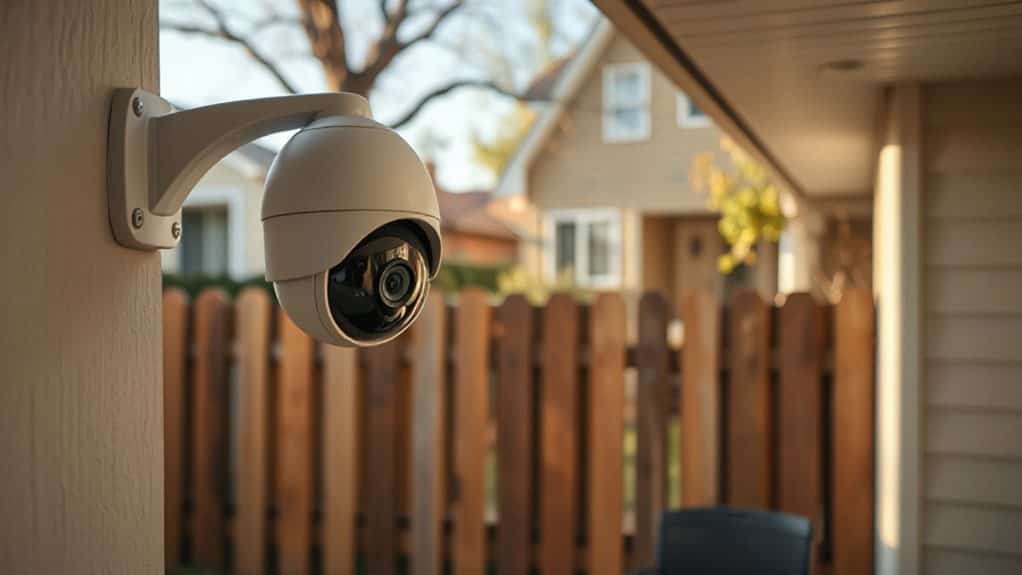
Backyard Security Cameras: What’s Legal and What’s Not
You can totally enhance your backyard security with cameras, but don’t point them at neighbors’ windows or private spots like bathrooms—big no-no! While federal law lets you record audio if you’re part of the conversation, many states (like California or Florida) say everyone involved must agree. Video’s usually fine on your property, but check local rules or HOA guidelines—they might surprise you! And hey, slap up a bold “Surveillance On Duty” sign; it deters snoops and keeps things above board. Oh, and turning off audio? Smart move when in doubt. Stick around—there’s more golden info where that came from!
TLDR
- Federal law allows one-party consent for audio recording, but many states require all-party consent.
- Avoid pointing cameras at neighbors’ private areas like backyards, bathrooms, or bedrooms.
- Some states, including California and Florida, prohibit audio recording without all-party consent.
- HOA rules and local ordinances may restrict camera placement or ban audio recording entirely.
- Displaying visible signage can deter crime and inform others about surveillance on your property.
Understanding Federal Surveillance Laws
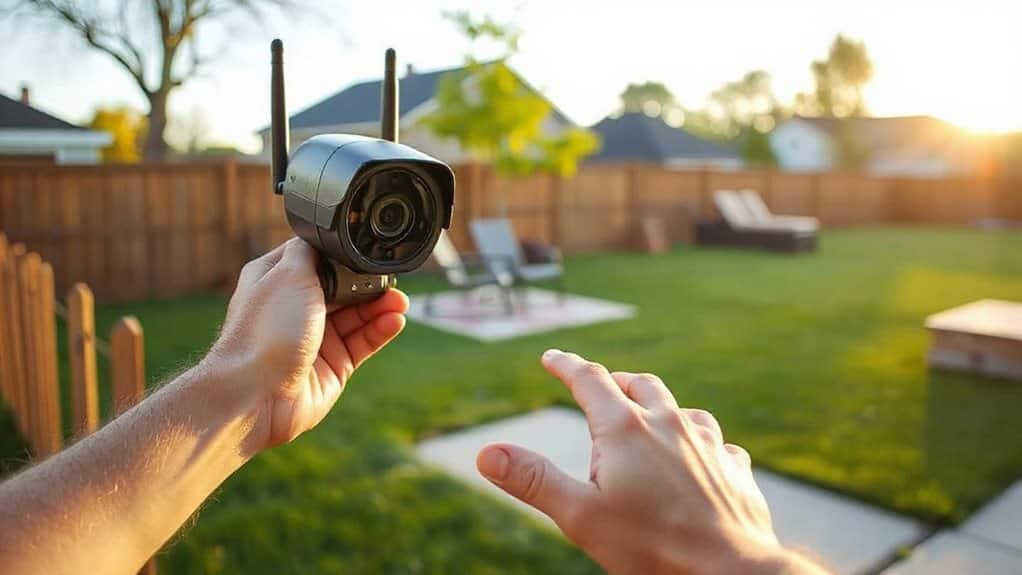
While you might think there’s some big federal rulebook telling you exactly where to stick your backyard camera, guess what—there isn’t one single law that covers everything!
But hey, that’s okay! Federal rules like the Wiretap Act still protect privacy, especially with audio—so don’t sneakily record chats without consent, yeah?
Use signage, be neighborly, and remember: video’s usually fine on your turf.
Electronic Communications Privacy Act (ECPA) applies in certain situations, so it’s important to understand when federal law might step in.
Stay smart, stay legal, and keep your camping vibes positive! Also, check your state laws because consent and privacy expectations vary by location.
State-Specific Rules for Backyard Cameras
So, you’re thinking about setting up a backyard camera to keep an eye on things—maybe after spotting a raccoon raid or a suspicious squirrel heist? Just remember, in California, you can’t record audio without everyone’s permission, and pointing your lens toward a neighbor’s bathroom? Yeah, that’s a hard no—trust me, I learned that one after my “surveillance experiment” ended with an awkward apology and a plate of cookies.
And while Florida lets you film the great outdoors, don’t forget to get consent before capturing any private chats, or you might accidentally turn your cozy backyard setup into a legal campfire gone wrong. Be sure to familiarize yourself with state and local laws so you know what’s permitted where you live.
California: Consent Rules Apply
If you’re setting up a backyard security camera in California, you’ll want to keep a few important rules in mind—especially since the state takes privacy pretty seriously (like, *really* seriously—imagine your neighbor recording your karaoke night without asking… yikes!).
Always avoid audio recording without everyone’s consent—it’s illegal! Stick to video-only, point cameras at your property, not neighbors’ windows, and post a sign. Simple, right? You’ve got this!
Florida: Audio Consent Required
Alright, let’s jet over from sunny California to the palm-tree paradise of Florida—maybe you’re planning a backyard BBQ, a cozy camping trip in the Everglades, or just wanna keep your flamingo lawn decor safe from raccoons (those little bandits are *sneaky*).
In Florida, recording audio on your backyard camera? Nope, not without *everyone’s* consent—it’s the law.
You can film all day, but if your camera’s picking up sound, you’re risking a felony.
Seriously! So, do the right thing: disable audio, post signs, and keep it legal.
Your neighbors (and raccoons) will thank you.
New York: Privacy Limits Surveillance
While you’re busy setting up your backyard for a starlit movie night or prepping for a weekend camping escapade right in your own yard (hey, s’mores don’t care if they’re made in the woods or on the patio!), it’s a good idea to know the rules if you’ve got a security camera watching your turf—especially in New York.
You can film your own space, sure, but don’t point that lens at your neighbor’s private retreat—especially if it’s fenced.
No audio recording, ever (sorry, no backyard concert bootlegs), and never, ever spy on bathrooms or bedrooms.
If your camera’s not for safety but just to annoy? That’s a felony.
Be smart, be kind, and keep the s’mores drama where it belongs—on the skewer!
Prohibited Areas for Camera Placement
You’d be surprised how quickly a well-meaning security camera can cross the line from neighborhood watchdog to privacy problem—especially when it’s peeking where it shouldn’t.
Don’t point cameras at bathrooms, bedrooms, or neighbor’s backyards; it’s not just rude, it’s illegal!
Think of it like camping: you wouldn’t set up a tent right outside someone’s shower, right?
Respect privacy, stay legal, and keep everyone comfortable.
HOA rules and state law often limit camera placement to protect privacy rights, so check your governing documents before installing.
Audio Recording: When Consent Is Required

So, you’ve got your backyard camera set up, maybe even caught some raccoons raiding the trash—classic, right?
But hold up: if your camera’s recording audio, you might be stepping into tricky legal territory, especially since federal law says you need at least one person in the conversation to be cool with it (that’s the “one-party consent” rule).
Now, if you’re in a state like California or Florida, guess what? Everyone involved has to agree, or you could be in hot water faster than a s’more over a campfire—so double-check your state’s rules before you hit record!
Many homeowners also install chimney caps to prevent animals like birds from entering and creating safety or sanitation hazards.
Federal Audio Consent Rules
If you’ve ever leaned out your back door to yell at the neighbor’s dog for barking at 2 a.m., only to wonder whether your backyard security camera caught it—congratulations, you’re already knee-deep in the wild world of federal audio recording rules!
Good news: if you’re part of the conversation, you can record it legally under federal law—no need to ask everyone else.
Just don’t use it for anything sketchy, okay?
State-Specific Recording Laws
While federal rules might let you hit record if you’re part of the conversation, things get a lot more interesting—okay, *complicated*—when you examine state laws, and trust me, it’s kind of like packing for a camping trip: you don’t want to forget something essential and end up sleeping on a lumpy rock.
Some states, like North Carolina or Texas, just need one person (hello, that could be you!) to consent—easy peasy. But in California or Pennsylvania? Everyone involved must agree, no sneaky recordings allowed.
Mess up? You could face fines, lawsuits, or even jail time—yikes! Always check your state’s rules before hitting record, because protecting others’ privacy is just as important as keeping your backyard safe.
The Importance of Visible Signage and Notice
Ever wonder why some homes have those little signs that say “24 Hour Video Surveillance” near the front gate or beside the back door? That’s because visible signs deter sneaky intruders, keep neighbors informed, and sometimes even satisfy state laws—like in Florida or Texas, where rules get specific.
You don’t need a law degree to post one; just pick a bold, weatherproof sign with clear text, place it at eye level by entrances, and boom—you’re enhancing safety while being a thoughtful, law-abiding neighbor! Many homeowners also choose camera models known for disease-resistant options to ensure reliable, long-lasting performance.
Navigating HOA and Local Regulations
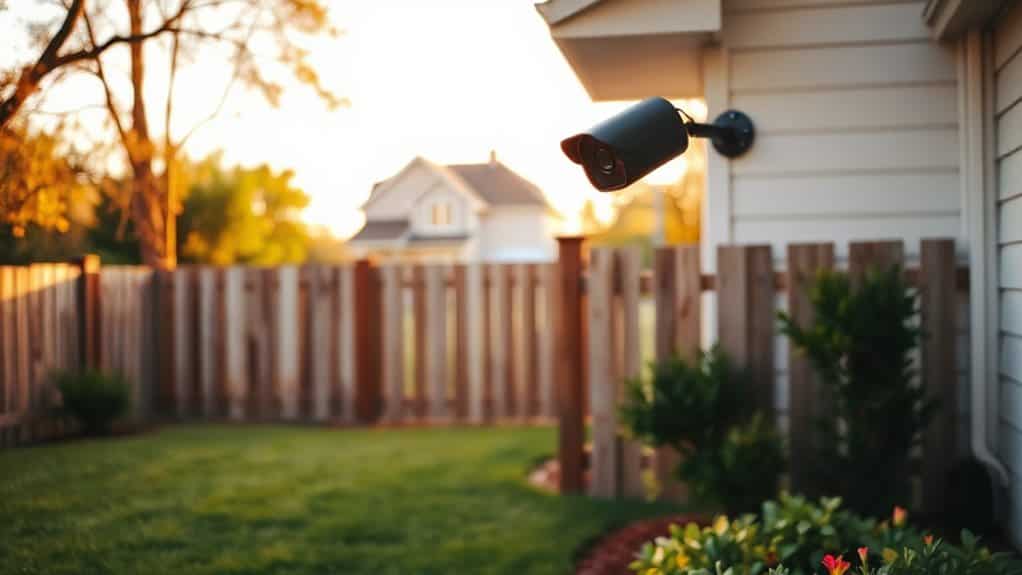
Since your backyard isn’t just your little slice of paradise but also part of a bigger neighborhood puzzle, especially if you’re living in a community with an HOA, you’ll want to play by the rules when setting up your security cameras—because nobody wants a surprise fine or a passive-aggressive notice taped to their front door!
Check your HOA’s guidelines first; they might require approval, restrict camera angles to protect neighbors’ privacy, or ban audio recording.
Some states, like North Carolina or Virginia, back these rules under CC&Rs, so always ask before installing—your friendly neighborhood board will appreciate the respect, and you’ll avoid awkward fines.
When in doubt, a quick call or email to your HOA saves drama later!
Overall
So, you’ve got your backyard cam up, and hey, that’s awesome for peace of mind! Just remember, point it at your grill, not your neighbor’s pool party—nobody wants accidental reality TV. Always slap on a little sign, ‘Yep, we’re recording!’ and check your state’s rules, ‘cause surprise audio? Big no-no in some places. And if your HOA’s got opinions, listen up—trust me, I learned the hard way after my “spy cam” drama last summer!